The Silent Commissions: UK Retailers' Shifting Alliance with Affiliate Channels
As high street giants and online pure-plays navigate a cautious consumer landscape, the often-unseen infrastructure of affiliate marketing is quietly recalibrating its influence on profitability and customer acquisition in Britain.

The digital storefront of ASOS, a cornerstone of UK online fashion retail, exemplifies a complex web of partnerships that underpin modern e-commerce. While direct traffic and brand loyalty remain paramount, a significant portion of its sales, and those of its competitors like Next or Marks & Spencer, are incrementally influenced by affiliate channels. This often-overlooked segment of digital marketing is undergoing a subtle but profound transformation, demanding a closer examination of its economic efficacy for British businesses battling narrow margins and evolving consumer behaviour.
Affiliate marketing, at its core, involves a publisher earning a commission for driving sales, leads, or clicks to an advertiser's website. In the UK, this ecosystem includes a vast array of platforms, from cashback sites like TopCashback and Quidco to voucher code aggregators, content publishers, and even price comparison websites. For retailers, the appeal lies in its performance-based model: payment is typically made only upon a successful conversion, theoretically reducing advertising waste compared to traditional media buys.
The landscape has seen substantial growth, with industry estimates suggesting the UK affiliate market was valued at approximately £1.4 billion in 2022. This represents a double-digit increase over the preceding years, reflecting a broader digital acceleration. However, this growth has not been uniform, nor has it been without challenges. Retailers are increasingly scrutinising the 'incremental value' of these channels, questioning whether an affiliate program genuinely attracts new customers or simply claims credit for sales that would have occurred anyway.
The Scrutiny of Incremental Value
Major British grocery chains like Tesco and Sainsbury's, while less reliant on traditional affiliate models for core grocery, engage with them for non-food items, financial services, or loyalty program sign-ups. Their substantial customer bases mean that any affiliate strategy must be carefully aligned with their broader data analytics to avoid cannibalising direct sales. Similarly, delivery platforms such as Deliveroo and Just Eat might leverage affiliate partnerships to expand their restaurant network or acquire new users in specific locales, often through hyper-local content creators or community groups.
The pandemic period brought a surge in online activity, temporarily obscuring some underlying inefficiencies. As consumer spending tightens, particularly with inflation affecting discretionary purchases, UK retailers are adopting more sophisticated attribution models. They are moving beyond simply crediting the last click, instead attempting to understand the entire customer journey and assign value more judiciously across multiple touchpoints. This shift puts pressure on affiliates to demonstrate their unique contribution.
The era of passive commission earning for minimal effort is drawing to a close; sophisticated data-driven approaches are now imperative for both advertisers and publishers to justify investment.
For online fashion retailers like ASOS and even heritage brands such as Next, voucher code sites historically offered a rapid method to clear stock or drive volume. However, the prevalence of these discounts can erode perceived brand value and compress margins. Consequently, there is a discernable pivot towards 'content affiliates' – bloggers, influencers, and niche media sites – who can provide richer product context and audience engagement, potentially fostering genuine intent rather than merely chasing the lowest price.
Diversifying Affiliate Strategies
The structural changes in the UK market extend to the types of partnerships being prioritised. While traditional cashback and voucher sites continue to hold sway, there is a growing interest in integrated partnerships with media publishers and lifestyle platforms. For instance, a bespoke content piece on a reputable UK finance blog reviewing a new product from a major retailer like Marks & Spencer, linked directly for purchase, represents a higher-value interaction than a generic discount code.
This evolution suggests a future where affiliate marketing in the UK becomes more strategic and less transactional. Retailers are seeking long-term relationships with affiliates who align with their brand ethos and can demonstrate genuine audience influence, rather than merely driving clicks. The imperative for transparency, robust data analytics, and a clear understanding of customer lifetime value will define success for both the retailer and their affiliate partners in the coming fiscal periods.
The economic headwinds facing UK consumers, from rising energy costs to food price inflation, underscore the need for every marketing pound to work harder. Affiliate channels, when managed with precision and strategic foresight, offer a performance-based mechanism to acquire customers efficiently. However, their role is no longer a given; it is increasingly subject to rigorous evaluation, demanding a demonstrable return on investment that aligns with broader commercial objectives.
News Legacy maintains editorial independence. Some recommendations may contain affiliate links. We earn from qualifying purchases at no additional cost to you. Read our policy.
Read Next

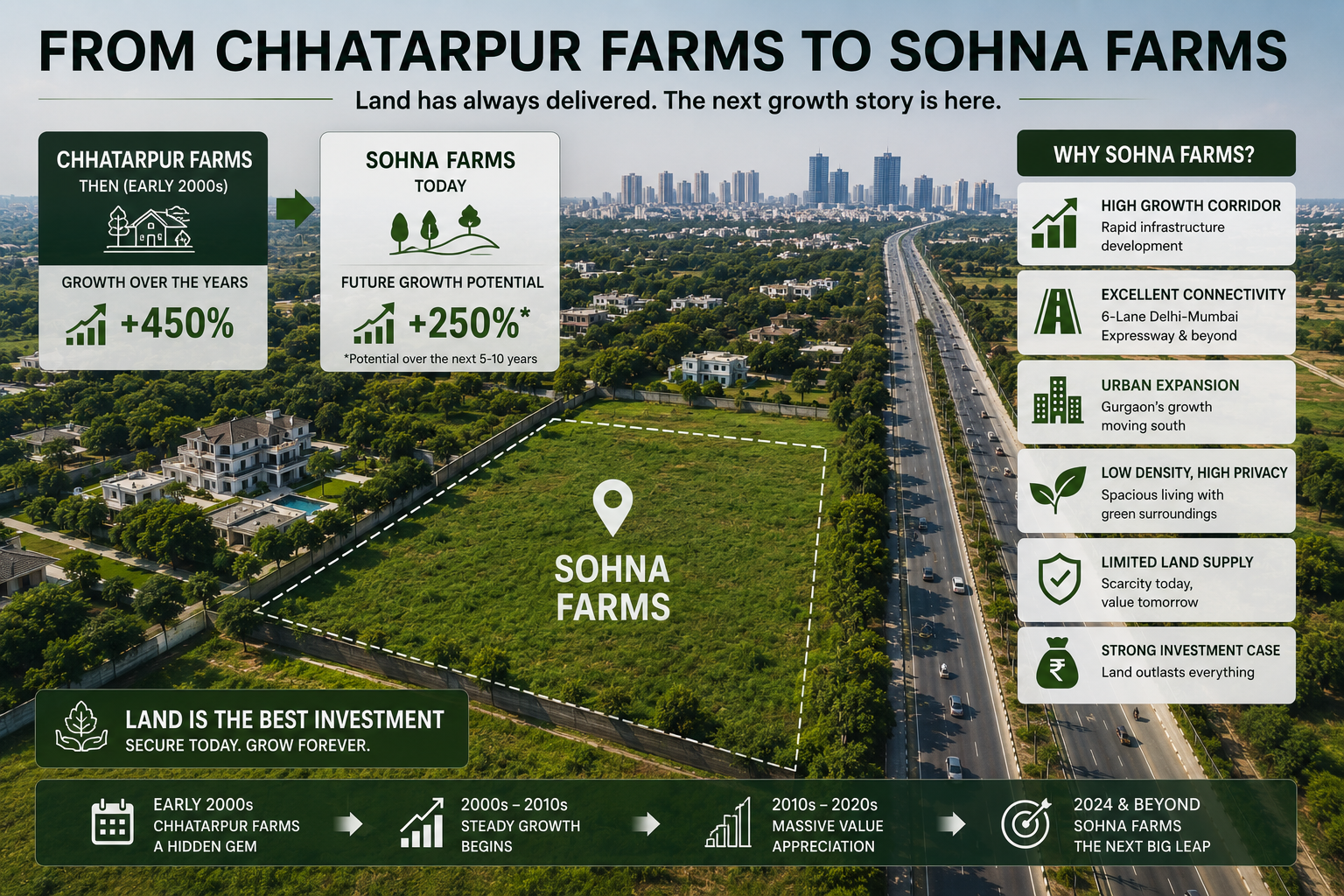
Is Sohna Really the Next Chhatarpur?
Three decades after Chhatarpur redrew South Delhi's map for space, privacy and exclusivity, a familiar pattern is now taking shape further south, and Sohna is where the smart money is beginning to look.
How Chhatarpur Farmhouses Created Multi-Crore Wealth for Early Buyers
What a quiet corner of South Delhi can teach investors about land, scarcity, and long-term wealth creation.

The ₹5 Crore Land Purchase That Became Worth ₹70 Crore
What the Story of DLF Chhatarpur Farms Reveals About Wealth Creation Through Premium Land Ownership
One short email. Stories you can use.
A free, occasional email from our editorial team with our latest features, explainers and reads. Unsubscribe any time — your email stays with us.