The Silent Engine: Affiliate Marketing's Shifting Tides in European Retail
Across fragmented digital landscapes, European retailers and platforms are recalibrating their approach to affiliate marketing, balancing performance demands with brand integrity amid evolving consumer behaviour and regulatory scrutiny.

When a consumer in Germany clicks through a lifestyle blog to purchase a pair of sneakers from Zalando, or a Polish shopper discovers a new electronic gadget via a price comparison site leading to Allegro, these seemingly simple transactions are often the culmination of intricate affiliate marketing arrangements. This performance-based model, where publishers earn commissions for driving sales or leads, represents a significant, yet frequently understated, channel for European commerce, quietly powering billions in revenue for both large enterprises and niche businesses across the continent.
The European market presents a unique complexity for affiliate strategies. Unlike the more homogeneous landscapes elsewhere, the EU is characterised by diverse languages, distinct consumer preferences, and varying regulatory frameworks. This fragmentation means a one-size-fits-all approach is rarely effective, compelling platforms like Bol in the Netherlands, Cdiscount in France, or even grocery giants like Carrefour, REWE, and Lidl, to tailor their affiliate programmes with granular precision.
Historically, affiliate marketing thrived on a broad transactional focus, prioritising clicks and conversions above all. However, as digital advertising matures, there is a discernable shift towards value-added partnerships. Retailers are increasingly scrutinising the quality of traffic and the incremental value brought by affiliates, moving beyond basic coupon sites to cultivate relationships with content creators, influencers, and niche communities that resonate with their brand ethos. This evolution reflects a desire for more sustainable growth, less susceptible to ad fraud or low-margin traffic.
Navigating Regulatory Labyrinths and Cross-Border Complexities
The regulatory environment within the EU adds another layer of complexity. General Data Protection Regulation (GDPR) has profoundly impacted data collection and consent mechanisms, directly influencing how affiliate tracking is implemented and managed. Furthermore, national advertising standards and consumer protection laws, which vary from France to Italy to the Nordic states, necessitate careful compliance. For platforms operating cross-border, such as Vinted with its reach across multiple European nations, ensuring adherence to these diverse legal stipulations becomes a substantial operational undertaking.
The cross-border nature of European e-commerce also means that affiliates must frequently contend with currency conversions, differing VAT rates, and localised payment preferences. A blog based in Spain driving traffic to a German retailer needs to consider these factors to maximise conversion rates and ensure a seamless user experience. This necessitates sophisticated tracking and attribution models that can accurately credit sales across multiple jurisdictions and currencies, moving beyond rudimentary last-click models.
The efficacy of an affiliate partnership now hinges less on sheer volume and more on strategic alignment and demonstrable incremental value in a crowded digital marketplace.
The Evolving Role of Niche Players and Content Creators
While large aggregators and coupon sites still command significant traffic, a growing emphasis is placed on highly targeted content and community-driven recommendations. This is particularly evident in sectors where authenticity and trust are paramount. For instance, the rapid growth seen by quick commerce players, even legacy ones like the former Gorillas or current Flink, often involved hyperlocal affiliate arrangements with community pages or city-specific blogs, showcasing their immediate delivery capabilities to a highly relevant audience. These smaller, more agile partnerships can yield higher engagement rates and foster stronger brand loyalty.
The financial implications of these shifts are substantial. While overall affiliate marketing spend across the EU continues to register robust growth—some estimates place annual spending in the double-digit billions of euros, with consistent year-on-year increases—the distribution of these expenditures is changing. Retailers are reallocating budgets towards partners who can deliver not just sales, but also brand uplift and customer lifetime value, often measured through post-conversion analytics and customer journey mapping.
Looking forward, the European affiliate landscape will likely continue its trajectory towards greater sophistication. Expect further integration of artificial intelligence for audience targeting and fraud detection, alongside an increased focus on first-party data strategies in light of impending deprecation of third-party cookies. For players across the continent, from large marketplaces to nascent D2C brands, adapting to these dynamics will be critical for harnessing the persistent power of performance-based marketing.
News Legacy maintains editorial independence. Some recommendations may contain affiliate links. We earn from qualifying purchases at no additional cost to you. Read our policy.
Read Next

Is Sohna Really the Next Chhatarpur?
Three decades after Chhatarpur redrew South Delhi's map for space, privacy and exclusivity, a familiar pattern is now taking shape further south, and Sohna is where the smart money is beginning to look.
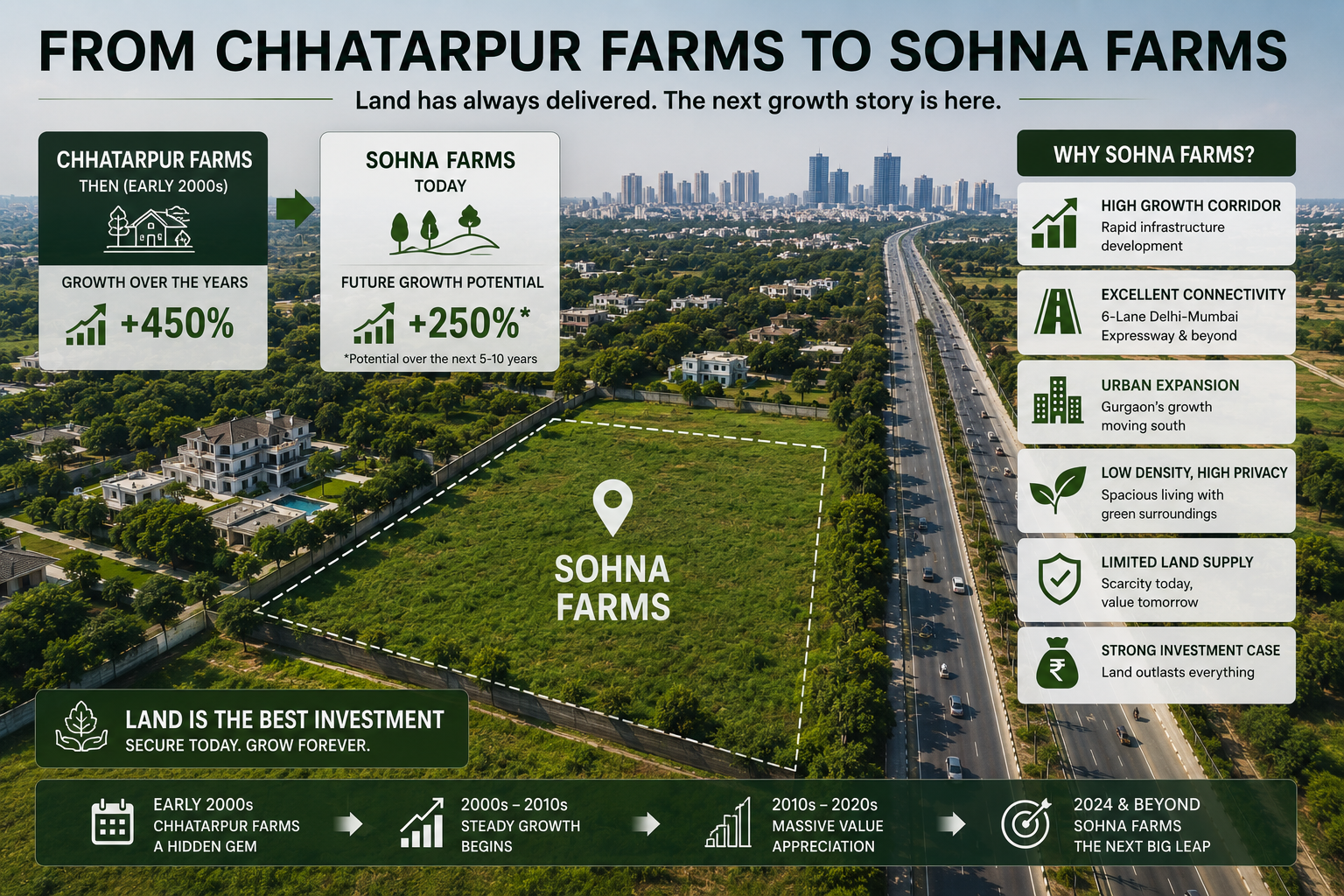
How Chhatarpur Farmhouses Created Multi-Crore Wealth for Early Buyers
What a quiet corner of South Delhi can teach investors about land, scarcity, and long-term wealth creation.

The ₹5 Crore Land Purchase That Became Worth ₹70 Crore
What the Story of DLF Chhatarpur Farms Reveals About Wealth Creation Through Premium Land Ownership
One short email. Stories you can use.
A free, occasional email from our editorial team with our latest features, explainers and reads. Unsubscribe any time — your email stays with us.