The Silent Engine of European E-commerce: Backend Automation Reshapes Retail
As digital storefronts proliferate across the continent, the real battle for market share is increasingly fought in the unseen efficiencies of logistics, inventory, and customer service infrastructure. European retailers and marketplaces are turning to sophisticated SaaS solutions to manage the complexity of cross-border digital trade.

The recent integration of AI-powered inventory forecasting by Zalando, enabling more precise stock distribution across its European fulfillment centres, illustrates a broader trend. While consumer-facing innovations often grab headlines, the foundational shifts in European e-commerce are occurring in the backend, driven by a growing reliance on Software-as-a-Service (SaaS) platforms that streamline operations, from warehouse robotics to fraud detection.
Companies like بول (Bol.com) in the Netherlands and Allegro in Poland, both dominant regional players, have made substantial investments in their proprietary logistics and order management systems. However, the increasing sophistication required to compete with global giants necessitates modular, scalable solutions that internal IT departments often struggle to develop and maintain at pace. This creates fertile ground for SaaS providers specialising in specific aspects of the e-commerce value chain.
The Cross-Border Imperative
Operating across diverse European markets presents unique complexities. A merchant selling from Germany to customers in France, Italy, and Spain faces a patchwork of tax regulations, shipping preferences, and return policies. SaaS platforms offering localised payment gateways, multi-language customer support tools, and dynamic VAT calculation are becoming indispensable. For instance, a small Spanish artisan selling through Etsy to German consumers might rely on an external platform to manage reverse logistics, a challenge magnified by geographical distance and differing consumer protection laws.
The rapid expansion of grocery delivery services, once exemplified by Gorillas or Flink, highlighted the extreme operational demands of hyper-local logistics. While many of those rapid-delivery models have retrenched, the underlying need for efficient last-mile coordination and inventory visibility persists within more traditional retailers like Carrefour and REWE, which are now beefing up their own e-commerce capabilities. These companies are actively piloting and adopting SaaS solutions for route optimisation, cold chain monitoring, and dynamic pricing.
The fragmentation of regulations and consumer expectations across the EU single market transforms operational cohesion into a strategic advantage, achievable primarily through intelligent automation.
Even second-hand marketplaces such as Vinted, which facilitates transactions across numerous European countries, depend heavily on robust backend IT. Efficient algorithms for listing moderation, dispute resolution, and cross-border shipping label generation are not merely conveniences; they are core to the platform's ability to scale without exorbitant operational costs.
The Data-Driven Ecosystem
The value proposition of these SaaS tools extends beyond operational efficiency; they are critical for data aggregation and analysis. By centralising data from various touchpoints – sales, inventory, returns, customer interactions – retailers gain a holistic view of their business performance. This enables more informed decision-making, from optimising marketing spend to identifying product trends across different national markets. The ability to discern, for example, that a particular product sells faster in the Nordics than in Southern Europe, and then adjust pricing or stock levels accordingly, is a direct outcome of integrated data platforms.
The investment landscape for e-commerce SaaS in Europe remains robust, even as broader venture capital markets cool. Private equity continues to show interest in firms with proven track records in areas like warehouse management systems (WMS) or supply chain orchestration, recognising their fundamental role in supporting the continent's digital retail growth. This sustained interest suggests that the quiet, behind-the-scenes work of automating e-commerce will continue to be a primary driver of competitive advantage across Europe.
News Legacy maintains editorial independence. Some recommendations may contain affiliate links. We earn from qualifying purchases at no additional cost to you. Read our policy.
Read Next

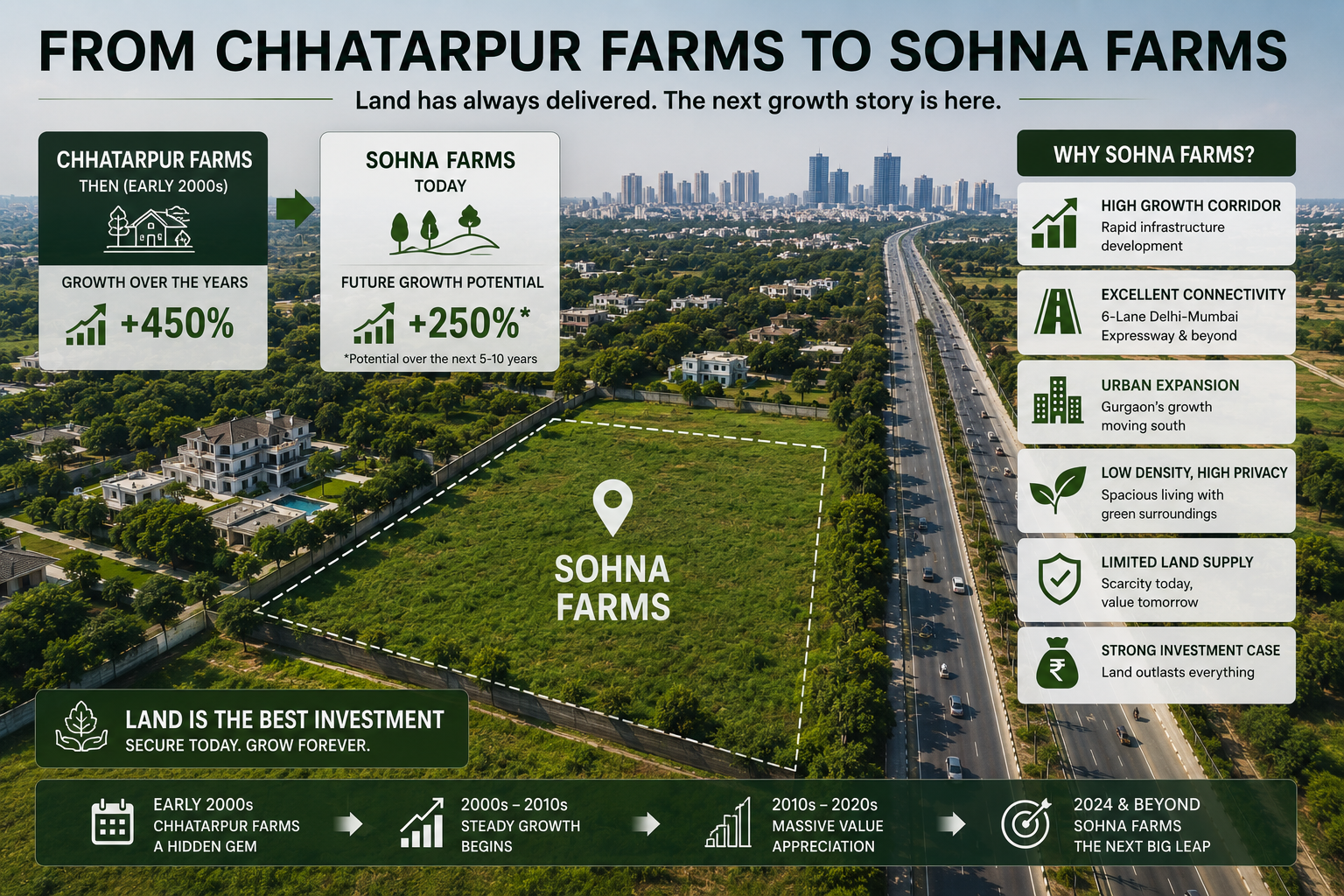
Is Sohna Really the Next Chhatarpur?
Three decades after Chhatarpur redrew South Delhi's map for space, privacy and exclusivity, a familiar pattern is now taking shape further south, and Sohna is where the smart money is beginning to look.
How Chhatarpur Farmhouses Created Multi-Crore Wealth for Early Buyers
What a quiet corner of South Delhi can teach investors about land, scarcity, and long-term wealth creation.

The ₹5 Crore Land Purchase That Became Worth ₹70 Crore
What the Story of DLF Chhatarpur Farms Reveals About Wealth Creation Through Premium Land Ownership
One short email. Stories you can use.
A free, occasional email from our editorial team with our latest features, explainers and reads. Unsubscribe any time — your email stays with us.