The Silent Engine of European E-commerce: Unpacking the B2B SaaS Ecosystem
While consumer-facing brands capture headlines, a sophisticated network of business-to-business software providers is quietly underpinning the digital retail transformation across continental Europe, driving efficiency and cross-border expansion.

The distinctive orange and white branding of Allegro, Poland's dominant online marketplace, is a familiar sight to millions from Warsaw to Wrocław. Less visible, however, is the intricate web of software solutions that allow Allegro, and its Western European counterparts like Zalando, Bol.com, and Cdiscount, to manage everything from inventory and logistics to payments and customer relationship management. This underlying technological infrastructure, primarily delivered via Software-as-a-Service (SaaS) models, represents a foundational layer for Europe's evolving digital economy.
Europe's fragmented retail landscape, characterised by diverse languages, regulatory environments, and consumer preferences, presents unique challenges and opportunities for technology providers. Unlike the more consolidated markets of North America or parts of Asia, the necessity of tailoring solutions for specific national contexts has fostered a dynamic B2B SaaS sector that prioritises flexibility and localisation. This has been particularly evident in the rapid adoption of e-commerce platforms by traditional retailers such as Carrefour and REWE, who leverage these tools to compete with pure-play online merchants.
Localisation and Cross-Border Complexity
Navigating the nuances of European commerce demands a level of adaptability from SaaS providers that often exceeds global benchmarks. A unified payment gateway must still integrate local schemes, such as BLIK in Poland or Vipps in Norway, alongside more ubiquitous options like credit cards and PayPal. Similarly, compliance with GDPR, varying VAT rates across member states, and diverse consumer protection laws necessitates platforms capable of granular configuration. This complexity is not merely an operational hurdle; it is a strategic differentiator for European-centric SaaS companies.
Consider the growth of marketplaces facilitating second-hand goods, such as Vinted, which originated in Lithuania and has successfully expanded across France, Germany, and Spain. Its ability to manage millions of individual sellers and buyers, facilitate secure cross-border transactions, and handle returns in multiple languages relies heavily on robust, scalable SaaS infrastructure. This stands in contrast to the early struggles of some quick commerce players like Gorillas and Flink, where rapid expansion without fully developed, localised backend systems contributed to operational inefficiencies.
The fragmented nature of European retail, far from being an impediment, has catalysed an innovative ecosystem of B2B software, designed from the ground up for complexity and scale.
The investment landscape reflects this strategic importance. Venture capital flows into European B2B SaaS companies serving the retail sector have seen consistent growth, even as broader funding markets have tightened. Firms offering solutions for supply chain optimisation, inventory management, and customer analytics, specifically designed for European market dynamics, are attracting significant capital. This indicates a long-term confidence in the region's digital transformation, fuelled by these indispensable tools.
The Future of Retail Infrastructure
Looking ahead, the demand for sophisticated SaaS solutions will only intensify. As retailers continue to embrace omnichannel strategies, integrating online and offline experiences, the need for unified data platforms and AI-powered analytics will become paramount. Companies that can provide seamless integration across disparate systems – from warehouse automation in a Lidl distribution centre to personalised marketing campaigns for Zalando customers – will command a significant market share. The consolidation of vendors, as larger platforms acquire niche specialists, is an anticipated trend.
Furthermore, the push for sustainability and ethical sourcing across Europe will drive demand for SaaS tools that provide transparency and traceability throughout the supply chain. Consumers, particularly in the Nordics and Germany, are increasingly demanding greater visibility into product origins and environmental impact, pushing retailers to adopt technologies that can deliver this information. The evolution of this B2B SaaS ecosystem will therefore not only shape the efficiency of European commerce but also its ethical framework.
News Legacy maintains editorial independence. Some recommendations may contain affiliate links. We earn from qualifying purchases at no additional cost to you. Read our policy.
Read Next

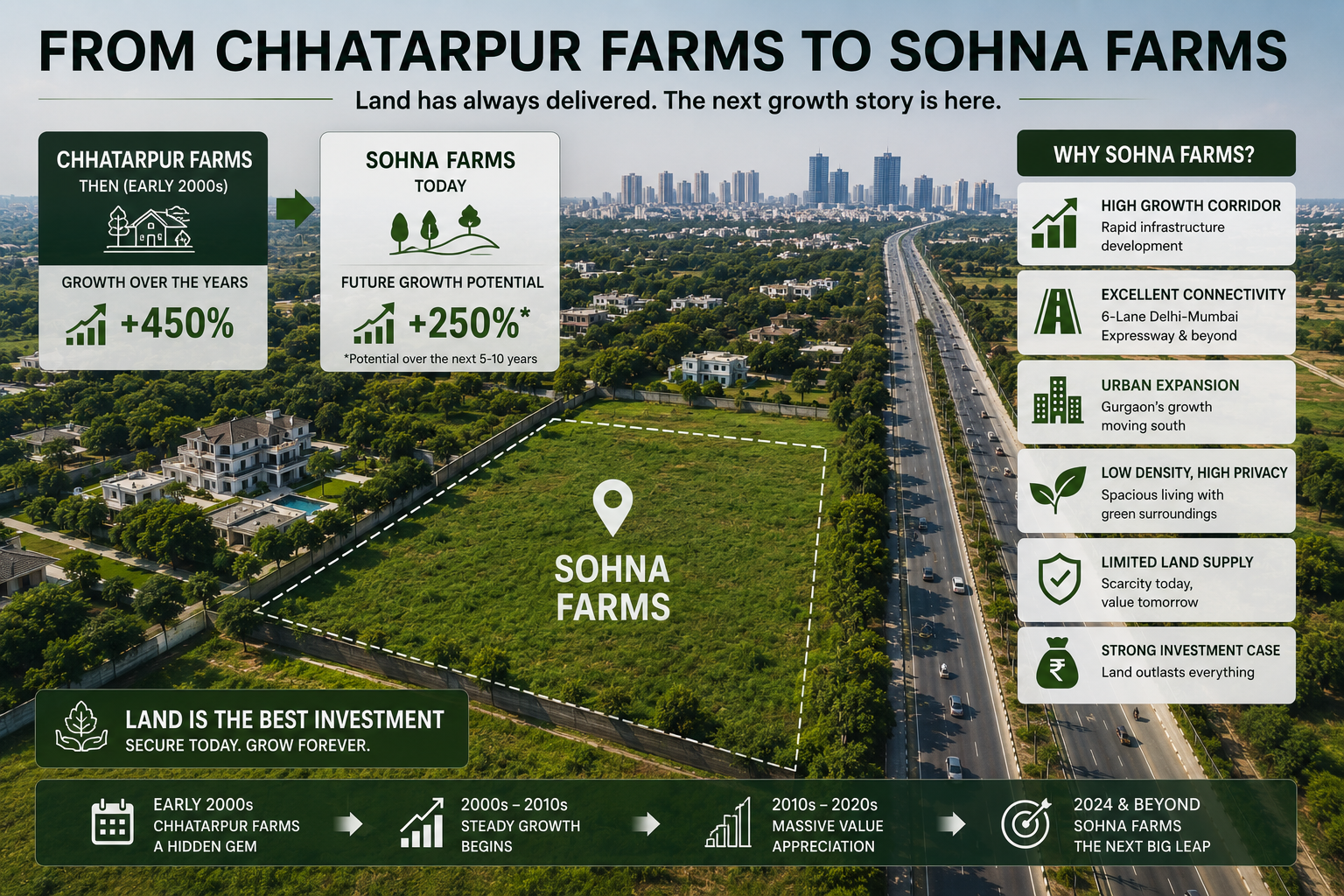
Is Sohna Really the Next Chhatarpur?
Three decades after Chhatarpur redrew South Delhi's map for space, privacy and exclusivity, a familiar pattern is now taking shape further south, and Sohna is where the smart money is beginning to look.
How Chhatarpur Farmhouses Created Multi-Crore Wealth for Early Buyers
What a quiet corner of South Delhi can teach investors about land, scarcity, and long-term wealth creation.

The ₹5 Crore Land Purchase That Became Worth ₹70 Crore
What the Story of DLF Chhatarpur Farms Reveals About Wealth Creation Through Premium Land Ownership
One short email. Stories you can use.
A free, occasional email from our editorial team with our latest features, explainers and reads. Unsubscribe any time — your email stays with us.