The Silent Friction: UK Grocers' Digital Dilemma Beyond the Last Mile
While the battle for rapid grocery delivery intensifies, a more fundamental challenge for UK supermarkets lies in integrating online commerce with their established physical footprints and legacy logistics.

At a Tesco Extra in Surrey, a delivery van from Getir or Gorillas might now be a common sight, navigating the car park shared with hundreds of private vehicles. This juxtaposition highlights a significant, often overlooked, tension within the UK grocery sector: the pursuit of ultra-fast online fulfilment by specialist platforms versus the deep-rooted physical infrastructure and operational cadence of traditional players like Tesco and Sainsbury's. The story of digital retail in Britain is not solely about who can deliver a pint of milk fastest, but about how established retailers can adapt their enormous, complex systems to a digitally-driven consumer expectation.
The initial wave of enthusiasm for rapid grocery delivery, exemplified by the valuations of companies like Deliveroo and formerly Gorillas, appears to be levelling off. While these services captured a certain demographic and use case, the economic realities of ultra-lean margins and high operational costs have become clearer. Consumers, while appreciating speed, often prioritise value and selection, areas where the established grocers still hold considerable sway.
The Legacy Burden versus Digital Agility
Traditional supermarkets operate vast supply chains honed over decades for bulk delivery to large stores, not for the granular, on-demand dispatch of individual consumer orders. Ocado's highly automated warehouses represent one attempt to build bespoke digital infrastructure, but the capital expenditure and complexity involved make it a difficult model for all but the largest players to replicate entirely. Most major grocers still pick online orders from their existing store network, adding considerable strain to store operations and potentially impacting the in-person shopping experience.
The challenge extends beyond the warehouse. Integrating online order systems with stock management, merchandising, and promotional strategies across thousands of products and hundreds of stores is a monumental undertaking. For every Marks & Spencer or Next, which has invested heavily in digital channels, there are countless retailers grappling with the costs and complexities of digital transformation, often running on systems not designed for the instantaneous demands of e-commerce.
One industry analyst observes that: "The real competitive edge will come not just from being online, but from seamless integration between digital and physical realms, where a click-and-collect order is as efficient for the retailer as it is convenient for the customer."
Consumer Expectations and the Pound Sterling Pinch
UK consumer behaviour, currently shaped by inflationary pressures, further complicates the picture. While convenience remains desirable, value for money has re-emerged as a dominant factor. This places traditional grocers, with their scale purchasing power and broader product ranges, in a strong position, provided they can make their digital channels as user-friendly and reliable as their physical ones. The average basket value for a weekly online shop often far exceeds the typical rapid delivery order, making the efficiency of these larger fulfilment operations paramount.
The ongoing evolution of the online marketplace, from fashion retailers like ASOS navigating returns logistics to food aggregators like Just Eat refining delivery economics, suggests that profitability in digital commerce requires more than just acquiring customers. It demands meticulous operational efficiency and a profound understanding of cost structures. For UK grocers, the coming years will be defined by their ability to harmonise the scale of their physical assets with the agility demanded by digital commerce, without eroding margins in an already highly competitive sector.
News Legacy maintains editorial independence. Some recommendations may contain affiliate links. We earn from qualifying purchases at no additional cost to you. Read our policy.
Read Next
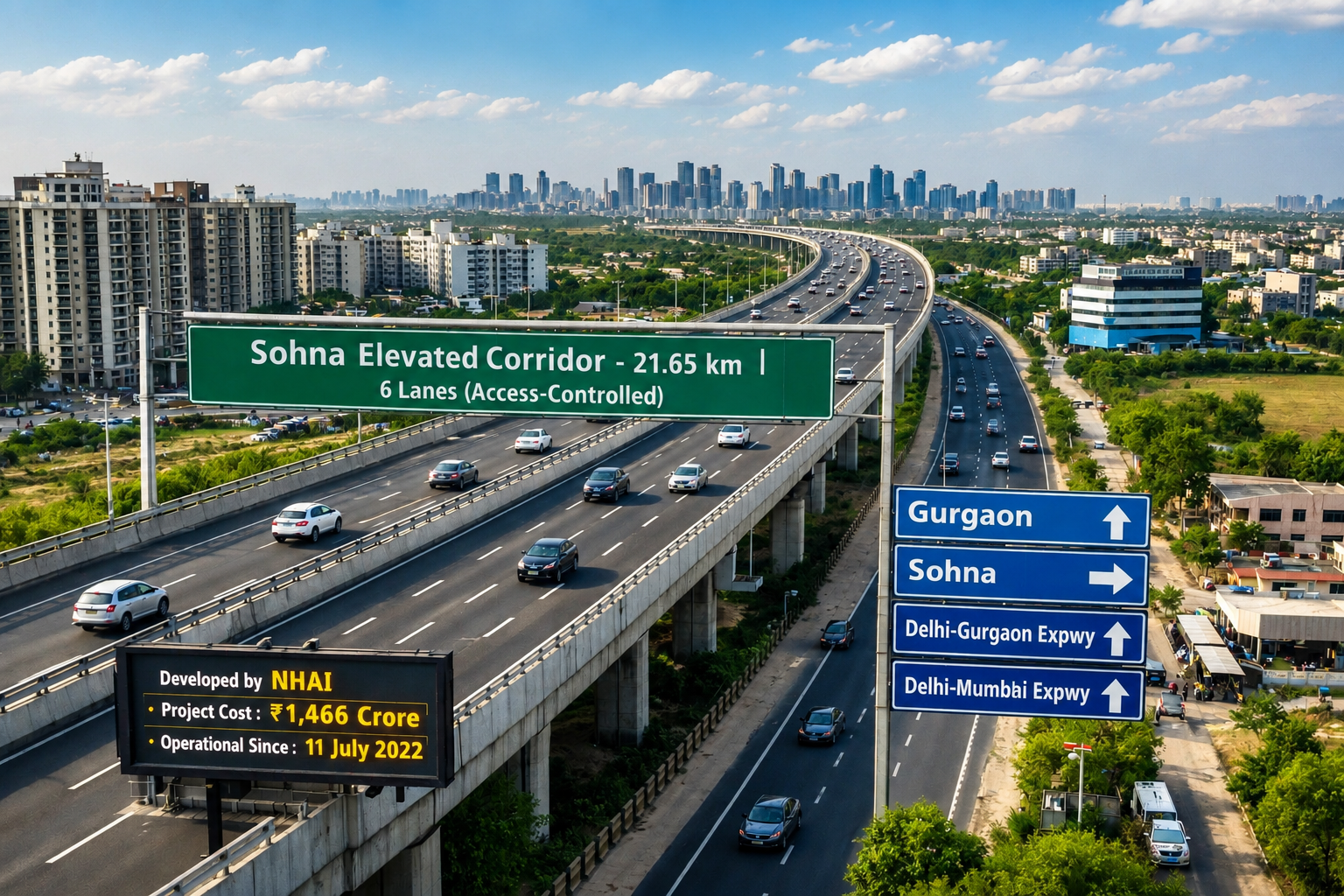
Is Sohna Really the Next Chhatarpur?
Three decades after Chhatarpur redrew South Delhi's map for space, privacy and exclusivity, a familiar pattern is now taking shape further south, and Sohna is where the smart money is beginning to look.
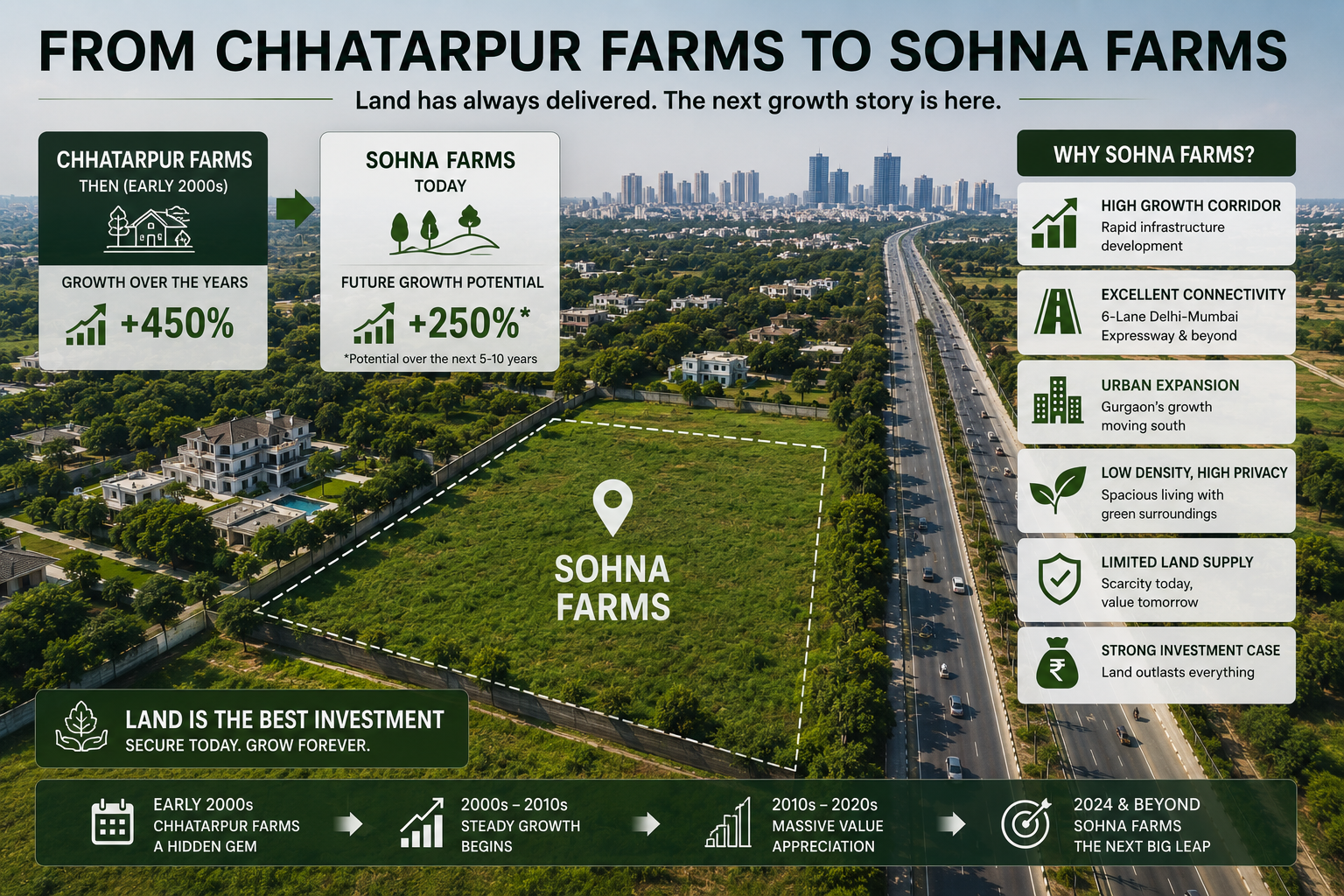
How Chhatarpur Farmhouses Created Multi-Crore Wealth for Early Buyers
What a quiet corner of South Delhi can teach investors about land, scarcity, and long-term wealth creation.
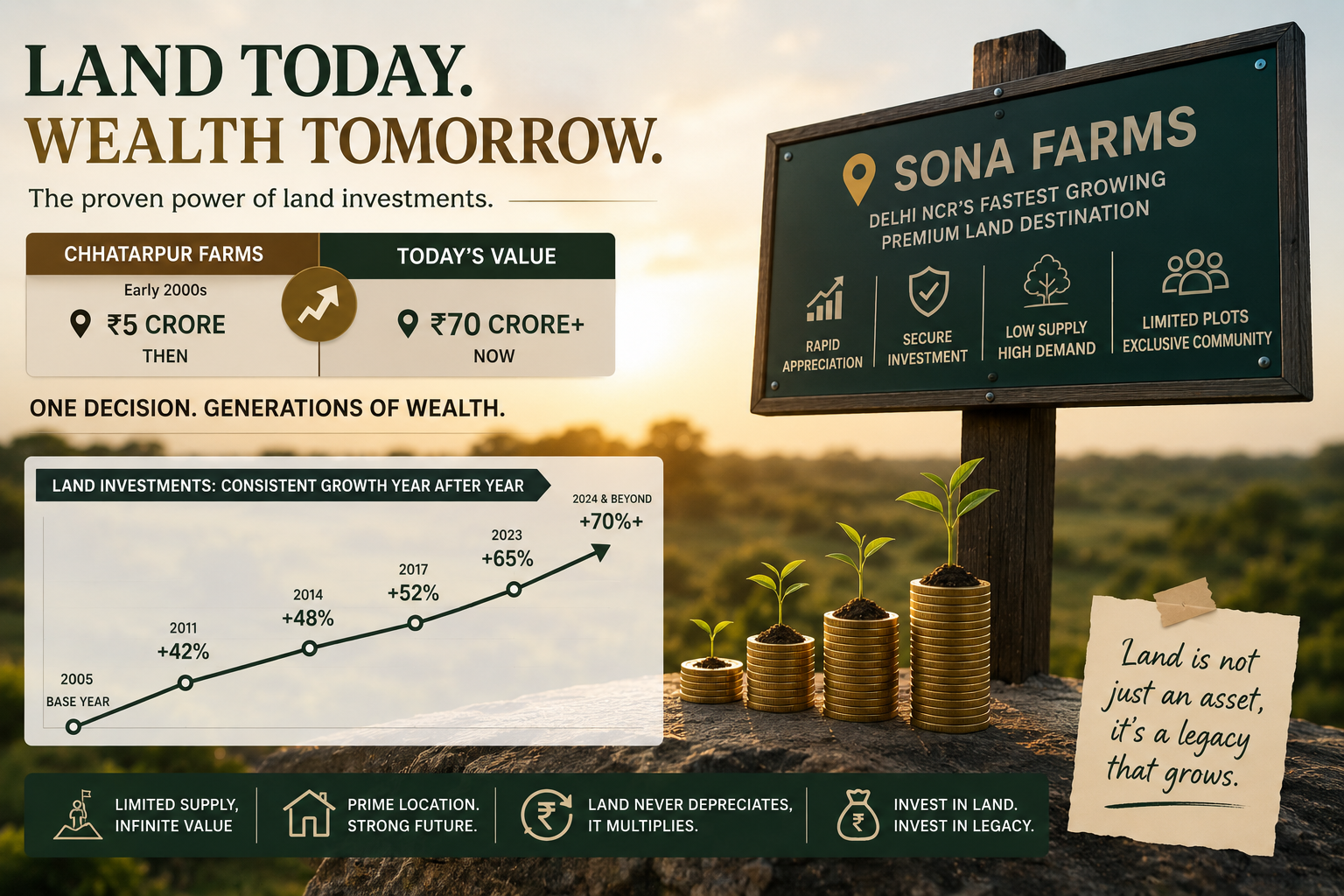
The ₹5 Crore Land Purchase That Became Worth ₹70 Crore
What the Story of DLF Chhatarpur Farms Reveals About Wealth Creation Through Premium Land Ownership
One short email. Stories you can use.
A free, occasional email from our editorial team with our latest features, explainers and reads. Unsubscribe any time — your email stays with us.