The Silent Friction: Why UK Retail's Digital Promise Still Hits Analog Walls
Despite significant investment in online infrastructure and delivery networks, the ultimate test of retail technology remains its seamless integration with the tangible world of goods and consumer expectations. British shoppers, increasingly comfortable with digital storefronts, are encountering new forms of inefficiency at the last mile.

A recent excursion to a major Tesco supermarket, a bellwether for British consumer habits, revealed a fascinating dichotomy. While the self-checkout section buzzed with activity, largely managing to process transactions efficiently, the adjacent aisle where online click-and-collect orders were being assembled showed signs of considerable strain. Staff navigated trolleys through busy queues, occasionally pausing to scan items that had been misplaced or were unexpectedly out of stock, indicating that the digital ordering front-end often masks underlying logistical complexities.
This scene highlights a persistent challenge within the UK's retail sector. Billions have been poured into e-commerce platforms, advanced warehouse robotics, and intricate delivery ecosystems by giants like Ocado, Sainsbury's, and even fashion retailers such as ASOS and Next. Yet, the vision of a truly frictionless shopping journey, from digital cart to customer's hands, remains elusive for many. The disconnect between sophisticated digital interfaces and the physical realities of inventory management and fulfilment continues to generate friction points for consumers.
The Cost of Convenience: Returns and Replacements
One significant area of digital friction manifests in returns. While online fashion retailers like ASOS have streamlined the return process with pre-printed labels and widespread drop-off points, the sheer volume of returns creates an economic and environmental burden. Consumers, emboldened by easy return policies, often order multiple sizes or variations, knowing that unwanted items can be sent back without immediate penalty. This 'try-before-you-buy' behaviour, while convenient for the customer, places immense pressure on retailers' reverse logistics, with processing, repackaging, and re-stocking costs eroding margins. For larger items, the inefficiency becomes even more pronounced, with home collection services struggling to align with unpredictable customer availability.
The grocery sector faces its own distinct challenges. Deliveroo and Just Eat have fundamentally altered expectations for immediate gratification, bringing restaurant meals to doorsteps in minutes. This 'on-demand' paradigm has begun to influence perceptions of grocery delivery. While Ocado's highly automated warehouses offer impressive picking accuracy and speed, the intricate scheduling required for grocery slots still contrasts with the spontaneous nature of other courier services. When items are missing or substituted in a grocery order, a common frustration for many UK households, the digital convenience quickly gives way to analog annoyance, often requiring a phone call or an additional trip to a physical store.
The financial implications of these inefficiencies are considerable. Industry estimates suggest that the cost of handling returns in the UK can be as high as 20% of the item's original price for certain categories. Similarly, imperfect grocery orders, leading to customer service interventions and potential refunds, represent direct financial losses alongside intangible damage to brand loyalty. Retailers are caught between the imperative to offer market-leading digital experiences and the practicalities of a supply chain not yet fully synchronised with this pace.
Bridging the Digital-Physical Divide
The true innovation in retail technology now lies not just in the front-end user experience, but in creating intelligent backend systems that anticipate and mitigate real-world logistical hurdles before they impact the customer.
Marks & Spencer, for example, has been investing heavily in its M&S Food app and online delivery options, attempting to integrate its premium offering with modern consumer demands. Their strategy involves leveraging existing store networks for faster click-and-collect options and optimising inventory visibility to reduce 'out of stock' disappointments. The challenge for M&S, and indeed for many others, is transforming their vast physical footprints into true extensions of their digital operations, rather than separate, often competing, entities.
Ultimately, the next phase of retail technology in the UK will likely focus less on flashy front-end features and more on the deeper, often unglamorous, improvements to inventory accuracy, predictive logistics, and last-mile efficiency. The goal is to make the sophisticated digital veneer a genuine reflection of equally sophisticated physical operations, thereby truly delivering on the promise of seamless shopping for the British consumer.
News Legacy maintains editorial independence. Some recommendations may contain affiliate links. We earn from qualifying purchases at no additional cost to you. Read our policy.
Read Next
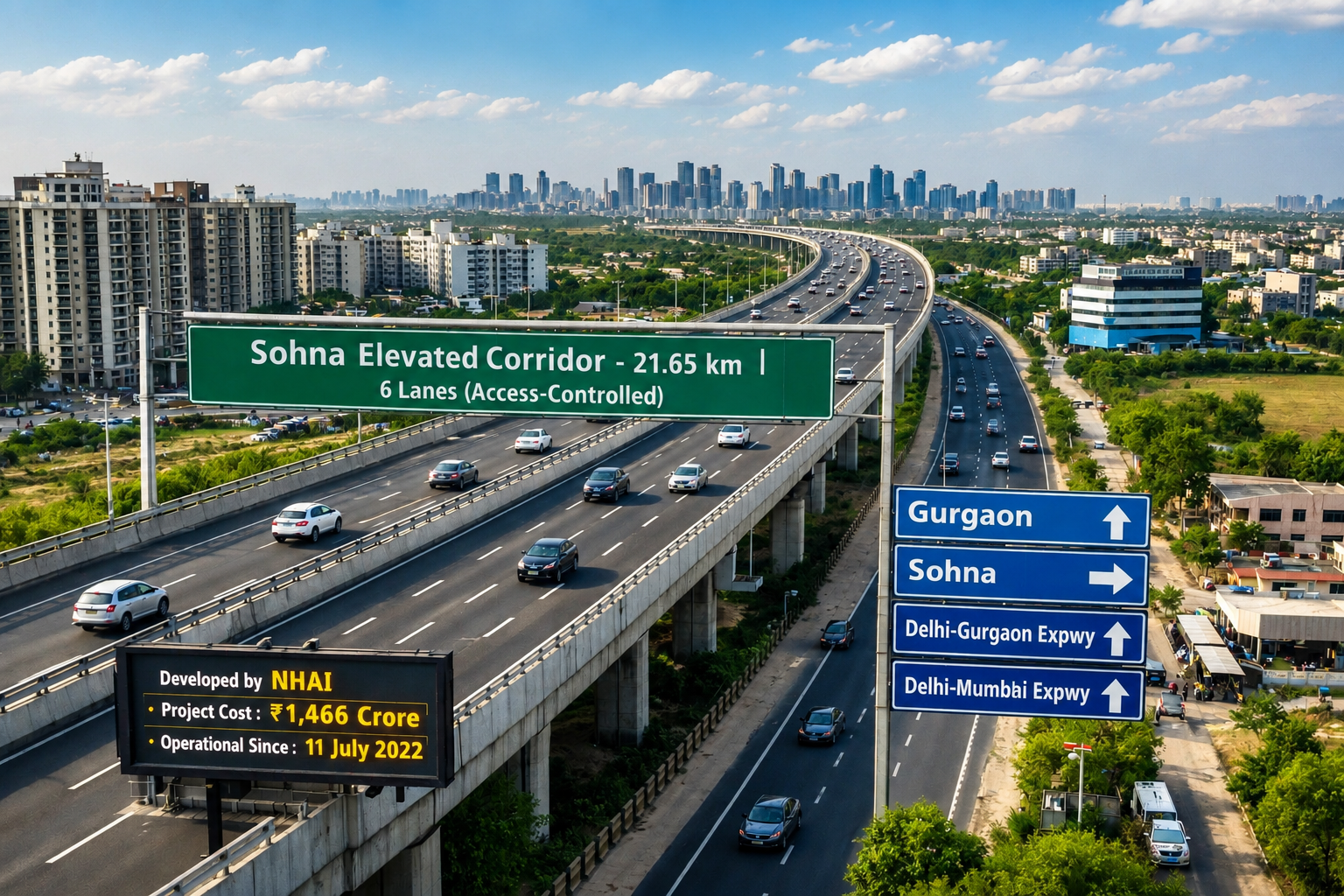
Is Sohna Really the Next Chhatarpur?
Three decades after Chhatarpur redrew South Delhi's map for space, privacy and exclusivity, a familiar pattern is now taking shape further south, and Sohna is where the smart money is beginning to look.

How Chhatarpur Farmhouses Created Multi-Crore Wealth for Early Buyers
What a quiet corner of South Delhi can teach investors about land, scarcity, and long-term wealth creation.

The ₹5 Crore Land Purchase That Became Worth ₹70 Crore
What the Story of DLF Chhatarpur Farms Reveals About Wealth Creation Through Premium Land Ownership
One short email. Stories you can use.
A free, occasional email from our editorial team with our latest features, explainers and reads. Unsubscribe any time — your email stays with us.