The Silent Revolution: How Dark Stores and Ultrafast Delivery Reshaped UK Retail Prowess
Beneath the high street's familiar facade, a sophisticated network of 'dark stores' has quietly transformed the economics of British grocery and general merchandise, creating a new frontier for consumer expectations and logistical challenges.

From a nondescript industrial unit in Southwark, a fleet of electric mopeds disperses into the London evening, each laden with groceries. This scene, replicated hundreds of times across the UK, signals a profound shift in how British consumers acquire their essentials. Major players like Tesco and Sainsbury's, alongside newer entrants such as Getir and Gopuff, have invested substantially in dedicated urban fulfilment centres – colloquially known as 'dark stores' – bypassing traditional supermarket aisles to meet a burgeoning demand for immediate delivery.
The concept, far from being a pandemic-era anomaly, represents a structural recalibration in retail strategy. Traditional supermarkets, designed for maximum footfall and browsing, are inherently inefficient for rapid online order picking. Dark stores, by contrast, are optimised layouts, often resembling highly automated warehouses, allowing for faster and more accurate assembly of digital baskets. This efficiency gains are crucial in the intensely competitive UK grocery market, where margins are notoriously slim.
Early adopters, notably Ocado, demonstrated the scalability of automated warehouse models, but the more recent proliferation of smaller, urban dark stores speaks to a different consumer need: instant gratification for smaller, top-up shops. This micro-fulfilment model directly challenges the once-dominant weekly family shop paradigm, prompting a fundamental re-evaluation of store estate purpose across the sector.
While the convenience for urban dwellers is clear, the economic viability of these ultrafast models remains under scrutiny. Many venture-backed operators, having burned through significant capital, are now re-evaluating their expansion plans and pricing strategies. The cost of 'last-mile' delivery, especially for orders under £20, presents a formidable hurdle, often necessitating delivery fees or higher product mark-ups that consumers may resist in a high-inflation environment.
The Blurring Lines of Retail Space
The rise of dark stores has also catalysed a re-imagining of existing retail real estate. Marks & Spencer, for instance, has strategically reconfigured parts of its larger stores to serve as local online fulfilment hubs, leveraging existing infrastructure rather than constructing entirely new facilities. This hybrid approach seeks to blend the benefits of physical presence with the demands of digital commerce, an imperative for heritage brands grappling with evolving shopper habits.
Furthermore, the model extends beyond groceries. Retailers like ASOS and Next, while not operating 'dark stores' in the same street-level sense, continuously refine their automated distribution centres to support ever-tighter delivery windows. The competitive pressure to deliver parcels next-day, or even same-day, permeates across all retail categories, pushing logistics to the forefront of corporate strategy.
The true innovation lies not just in speed, but in the intelligent integration of inventory, data, and geography to meet an increasingly dynamic consumer expectation.
Urban Logistics and Environmental Pressures
The concentration of dark stores within urban centres, while efficient for delivery, introduces complex logistical and environmental considerations. Increased traffic from delivery riders, parking pressures, and noise pollution have become points of contention for local councils and residents. Retailers are responding with investments in electric vehicle fleets and optimising delivery routes, but the strain on urban infrastructure is palpable and growing.
Looking ahead, the success of the dark store model in the UK will likely hinge on a delicate balance between consumer demand for speed, the often-unspoken cost of convenience, and the sustainable integration within urban environments. The silent revolution is far from over; its long-term impact on the high street, employment, and the very fabric of urban life in Britain is still unfolding.
News Legacy maintains editorial independence. Some recommendations may contain affiliate links. We earn from qualifying purchases at no additional cost to you. Read our policy.
Read Next
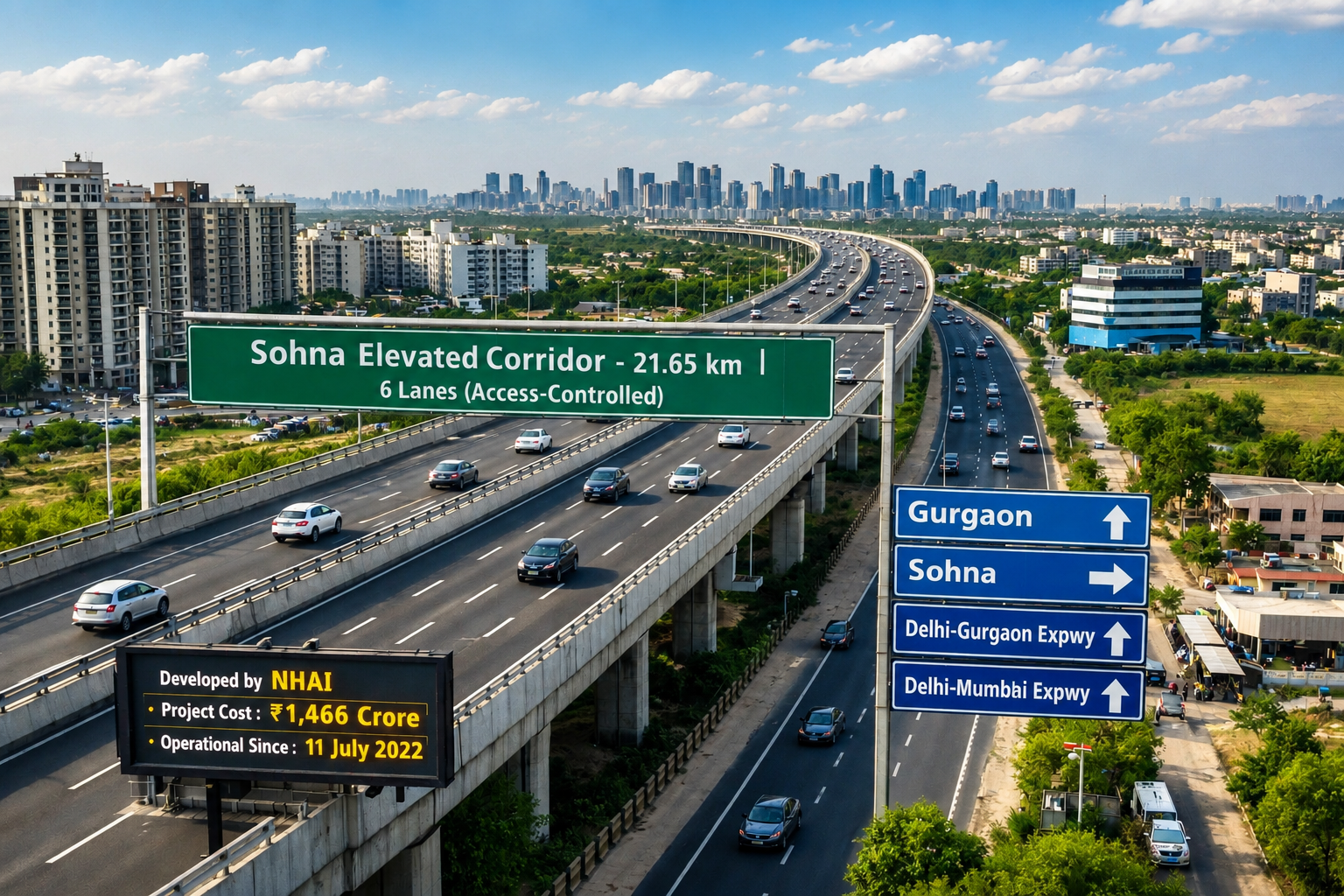
Is Sohna Really the Next Chhatarpur?
Three decades after Chhatarpur redrew South Delhi's map for space, privacy and exclusivity, a familiar pattern is now taking shape further south, and Sohna is where the smart money is beginning to look.
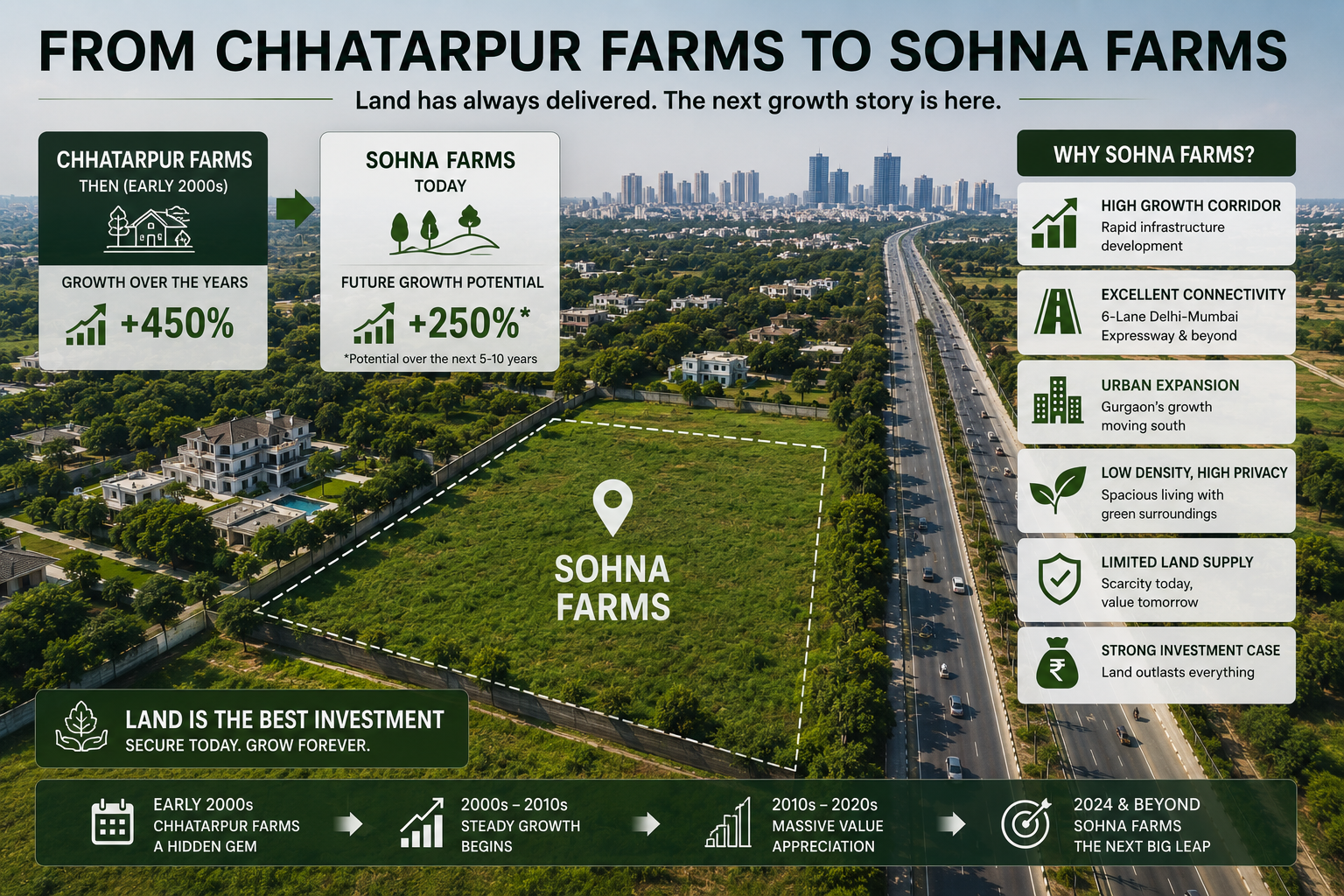
How Chhatarpur Farmhouses Created Multi-Crore Wealth for Early Buyers
What a quiet corner of South Delhi can teach investors about land, scarcity, and long-term wealth creation.
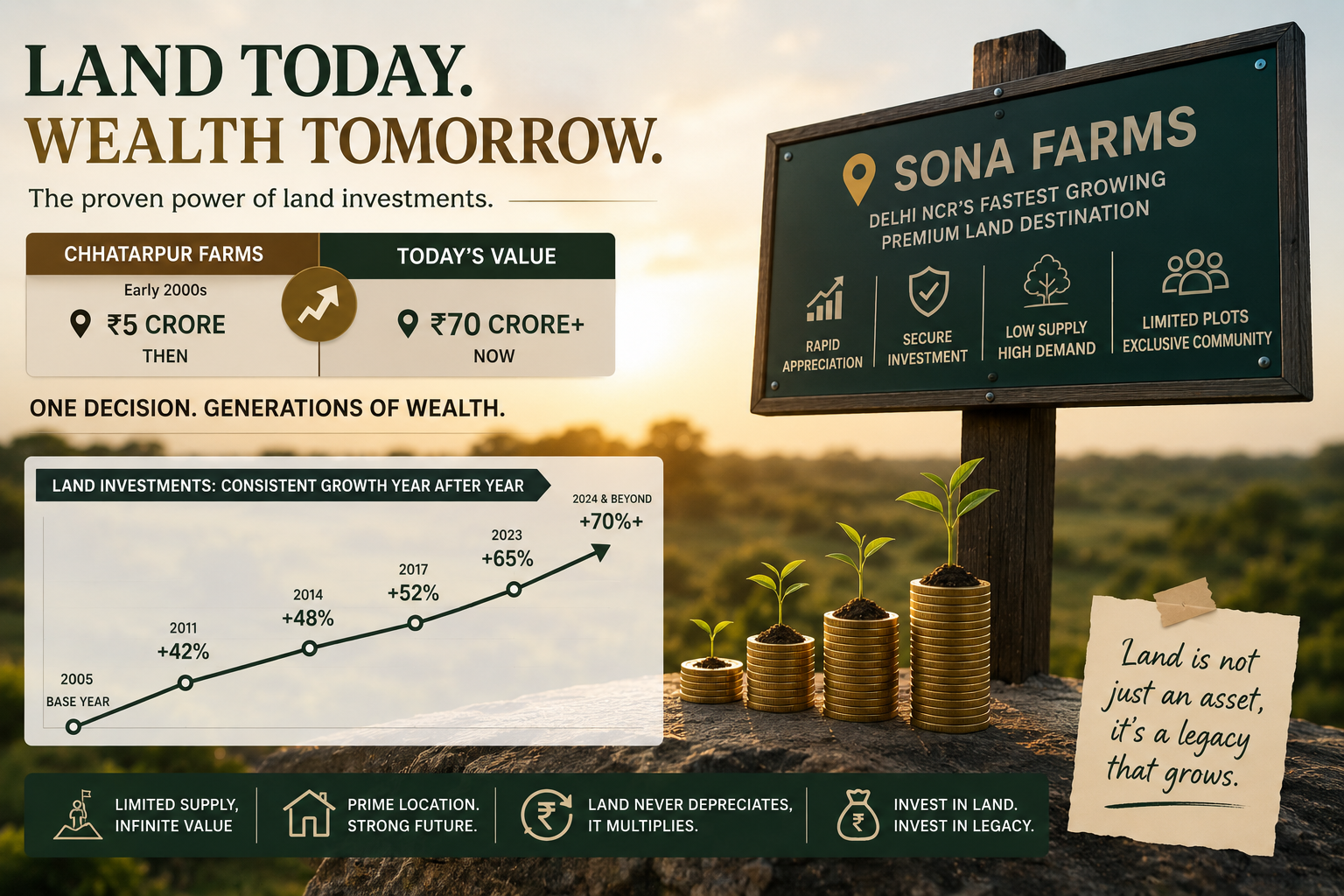
The ₹5 Crore Land Purchase That Became Worth ₹70 Crore
What the Story of DLF Chhatarpur Farms Reveals About Wealth Creation Through Premium Land Ownership
One short email. Stories you can use.
A free, occasional email from our editorial team with our latest features, explainers and reads. Unsubscribe any time — your email stays with us.