The Silent Revolution: How Grocers Are Reorienting for the Homebound Shopper
The pandemic-induced surge in online grocery purchasing has recalibrated the operational priorities of Britain's supermarket giants, prompting a strategic re-evaluation of store portfolios and last-mile logistics as digital penetration solidifies its gains.

A recent stroll through a Tesco Extra in Outer London reveals a subtle but profound shift. Aisles once bustling with shoppers now feature dedicated zones for 'click and collect' orders, while a fleet of vans, emblazoned with the familiar blue logo, continuously cycles through the car park. This transformation underscores a broader realignment across the UK's grocery sector, where the temporary measures adopted during lockdowns are evolving into permanent structural changes. The implications for real estate, labour, and profitability are substantial, challenging long-held assumptions about the role of the physical supermarket.
The acceleration of online grocery penetration, from approximately 7% pre-pandemic to a sustained 13-15% of the total market, represents a fundamental re-weighting of consumer behaviour. Companies like Ocado, once a niche player, have seen their operational models validated, while traditional retailers such as Sainsbury's and Morrisons have rapidly expanded their digital infrastructure. This shift is not merely an additive service; it often entails a cannibalisation of in-store sales, necessitating a recalibration of capital expenditure away from expansive retail footprints towards sophisticated fulfilment centres and enhanced delivery capabilities.
The Evolving Store Footprint
The traditional hypermarket model, predicated on high footfall and impulse purchases across a vast product range, is increasingly being questioned in an omnichannel environment. While they remain critical for immediate needs and certain categories, the economic rationale for their sheer scale diminishes when a significant portion of sales originates elsewhere. Retailers are now grappling with how to optimise these large assets. Some, like Marks & Spencer, are reducing their overall space while others, including Asda and Tesco, are exploring strategies to convert underutilised areas into dark stores or dedicated online picking hubs.
This strategic pivot has tangible consequences for urban planning and commercial property. Demand for last-mile logistics warehouses, particularly those close to population centres, has surged, leading to upward pressure on rents. Conversely, some prime retail high street locations may experience reduced footfall as more purchases migrate online, affecting ancillary businesses dependent on that traffic.
The shift also redefines the store colleague's role. Where once the focus was on customer service and shelf-stacking, a growing proportion of staff are now engaged in order picking, packing, and dispatch. This requires different skill sets and operational workflows, often managed by dedicated software systems that optimise routing and picking efficiency. Training and retention in these new roles become critical for maintaining service levels.
The operational complexities of fulfilling thousands of individual online grocery orders from a store designed for self-service present a continuous challenge, often leading to lower margins than traditional in-store sales.
The Delivery Ecosystem and Profitability
The proliferation of quick commerce platforms such as Deliveroo and Just Eat, alongside proprietary delivery services, has intensified competition in the immediacy space. While these platforms offer convenience, the economics for grocery retailers are often finely balanced. Commission fees, delivery costs, and the higher labour input for rapid picking can erode profitability, especially for smaller basket sizes. However, the competitive imperative to offer these services means abstaining is often not an option.
Navigating this landscape requires sophisticated data analytics to understand consumer preferences across different channels. Are shoppers using online for their weekly 'big shop', or is it primarily for top-up purchases and urgent needs? The answer dictates the optimal balance between large-scale automated warehouses, in-store picking, and partnerships with third-party delivery services. The ultimate goal is to achieve seamless integration, ensuring that the customer experience is consistent and efficient, regardless of the chosen purchasing path.
The strategic implications extend beyond immediate financial performance to long-term market positioning. Retailers that master the complexities of omnichannel fulfilment, balancing operational efficiency with consumer demand for convenience, will be best placed to secure market share in a retail environment permanently altered by recent events. The silent revolution within the grocery sector is, in essence, a race to redefine the very nature of food shopping in the digital age.
News Legacy maintains editorial independence. Some recommendations may contain affiliate links. We earn from qualifying purchases at no additional cost to you. Read our policy.
Read Next
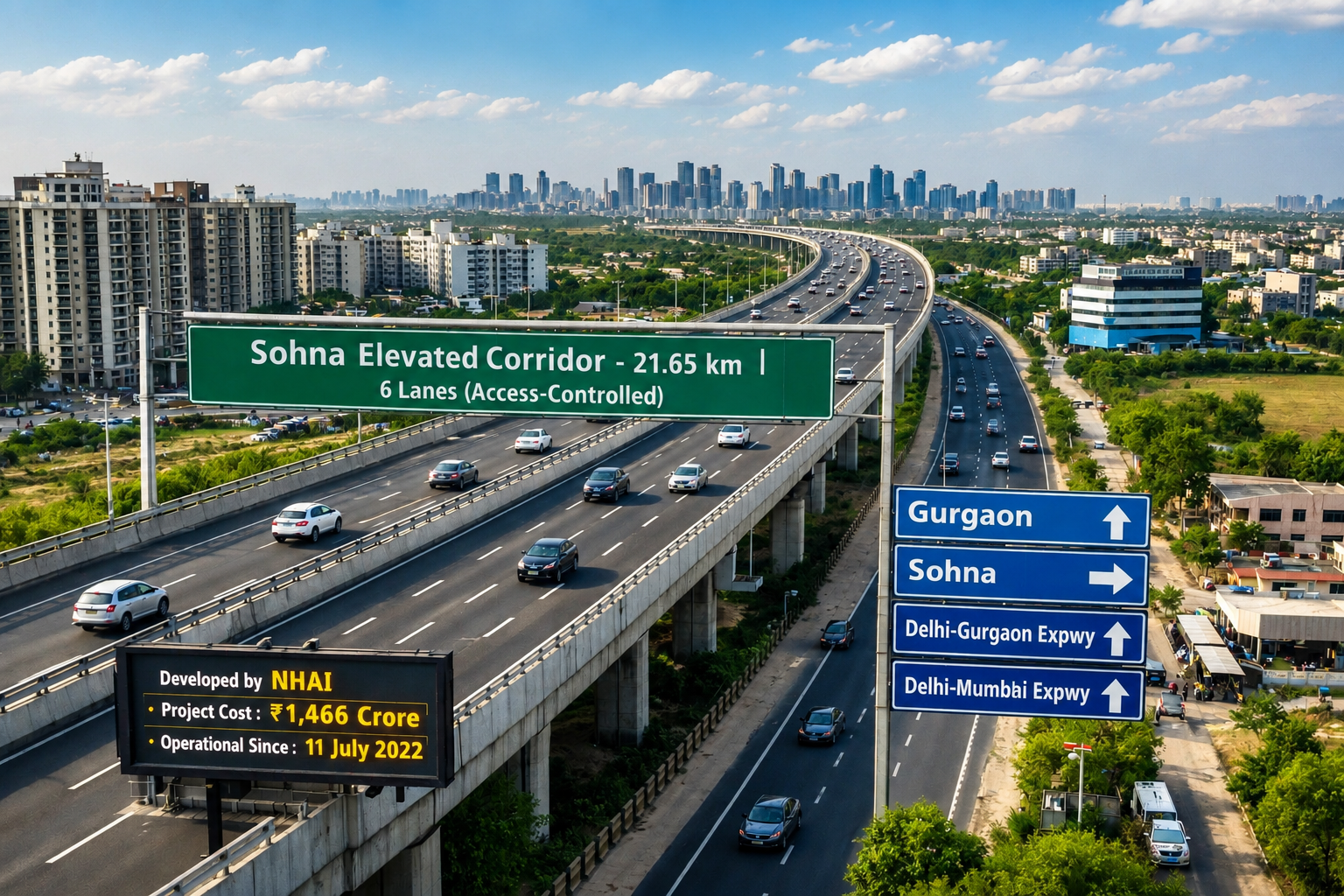
Is Sohna Really the Next Chhatarpur?
Three decades after Chhatarpur redrew South Delhi's map for space, privacy and exclusivity, a familiar pattern is now taking shape further south, and Sohna is where the smart money is beginning to look.
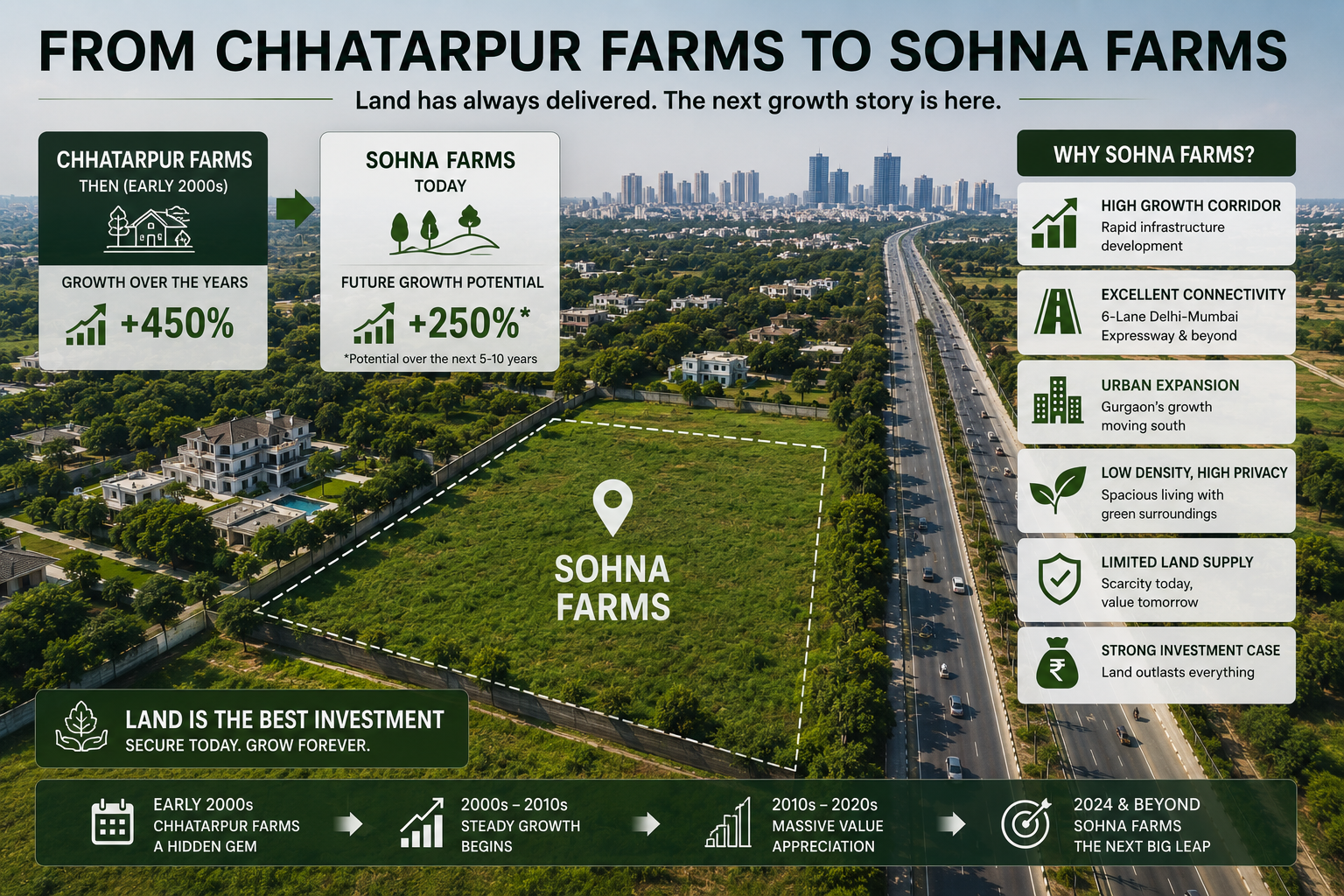
How Chhatarpur Farmhouses Created Multi-Crore Wealth for Early Buyers
What a quiet corner of South Delhi can teach investors about land, scarcity, and long-term wealth creation.
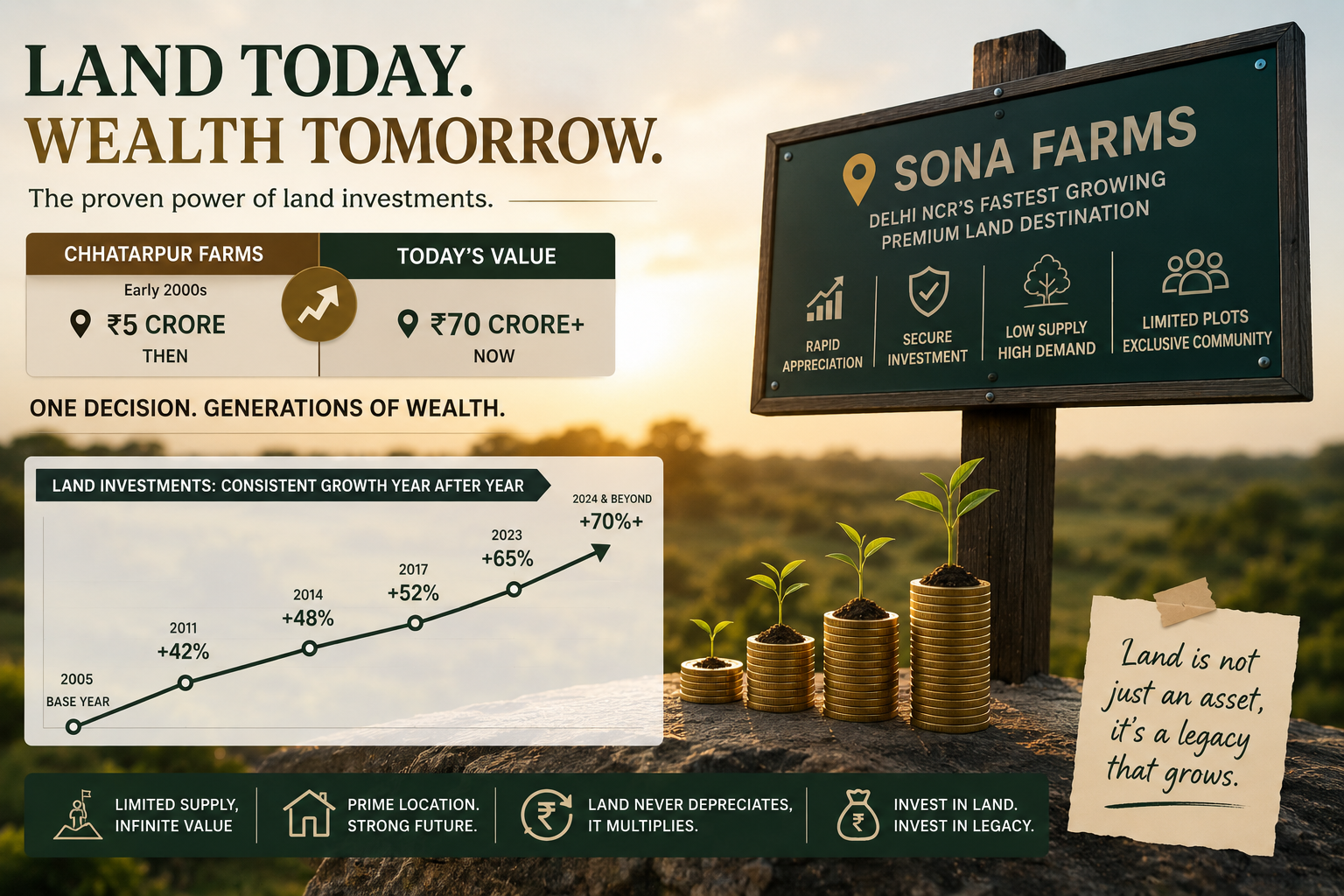
The ₹5 Crore Land Purchase That Became Worth ₹70 Crore
What the Story of DLF Chhatarpur Farms Reveals About Wealth Creation Through Premium Land Ownership
One short email. Stories you can use.
A free, occasional email from our editorial team with our latest features, explainers and reads. Unsubscribe any time — your email stays with us.