The Silent Revolution: How UK Grocery is Unbundling the Basket
Traditional UK supermarkets face an accelerating challenge as discounters capture value and specialist providers peel away profitable segments of the weekly shop, necessitating a strategic re-evaluation of the 'one-stop-shop' model.

A casual observer walking through a Tesco Extra on a Saturday morning might still perceive the enduring strength of the weekly family shop, trolleys laden with a diverse array of goods from fresh produce to electronics. Yet, beneath this familiar surface, the very architecture of consumer grocery habits in the United Kingdom is undergoing a quiet but profound transformation. Shoppers are increasingly disaggregating their purchasing, choosing different retail channels for different needs, a shift that carries significant implications for the legacy supermarket giants and the wider retail ecosystem.
This unbundling is not merely a cyclical trend but a structural change driven by a confluence of economic pressures and technological advancements. High inflation has compelled households to maximise value, often leading them to discounters like Aldi and Lidl for staple items. Concurrently, the proliferation of rapid delivery platforms and specialist online grocers has offered unparalleled convenience and choice for specific categories.
The Erosion of the 'Big Shop'
The traditional 'big shop' — a once-a-week excursion to a large hypermarket for virtually all household needs — is losing its dominance. Data indicates a persistent decline in the average basket size at the major grocers, even as overall transaction frequency remains stable or increases. Consumers might visit an Asda for bulk dry goods, then frequent a local greengrocer or M&S Food for premium fresh items, and later use a Deliveroo or Just Eat service for a spontaneous top-up of essentials or a meal solution. This multi-channel approach optimises for cost, quality, and convenience across different product types.
The financial impact of this fragmentation is tangible. Supermarkets derive significant margins from categories like premium ready meals, fresh produce, and impulse buys – precisely the areas most susceptible to displacement by specialists or rapid delivery services. As Ocado continues to expand its reach and platforms like Getir and Gorillas (though facing their own challenges) refine their offering, the ease of sourcing specific items without a full store visit becomes increasingly attractive.
Consider the shift in non-food items. Where a 'big four' supermarket once reliably sold clothing, basic electronics, and homewares alongside groceries, consumers now largely direct these purchases to dedicated online retailers like Next or ASOS, or specialist brick-and-mortar stores. This specialisation often translates to better selection, competitive pricing, and a more focused shopping experience, thereby eroding another segment of the traditional supermarket's domain.
Strategic Responses and Adaptations
Major players are not quiescent to these pressures. Sainsbury's, for instance, has invested heavily in its 'Neighbourhood Hub' and 'On the Go' formats, smaller stores designed for convenience and top-up shops, directly addressing the move away from large weekly expeditions. Tesco's accelerated expansion of its Express convenience format follows a similar logic. These smaller footprints aim to recapture some of the value bleeding to rapid delivery and local specialists.
Collaboration and diversification are also emerging strategies. The partnership between Morrisons and Amazon, or Waitrose's previous arrangement with Ocado, illustrate attempts to leverage existing digital infrastructure without the full capital outlay. Furthermore, supermarkets are experimenting with their own rapid delivery services, often leveraging existing store networks to fulfil orders within minutes or hours, rather than traditional next-day slots.
The ongoing re-segmentation of the grocery market demands agility, with success increasingly tied to understanding specific consumer missions rather than a blanket approach.
The long-term health of the UK's legacy grocers depends on their capacity to adapt to this disaggregated consumer behaviour. Merely competing on price against discounters or on speed against rapid delivery apps is an insufficient strategy. A more nuanced approach, one that refines the in-store experience for destination shopping, optimises convenience formats for immediate needs, and leverages digital channels for both choice and efficiency, will be paramount in navigating this evolving landscape of the British shopping basket.
News Legacy maintains editorial independence. Some recommendations may contain affiliate links. We earn from qualifying purchases at no additional cost to you. Read our policy.
Read Next

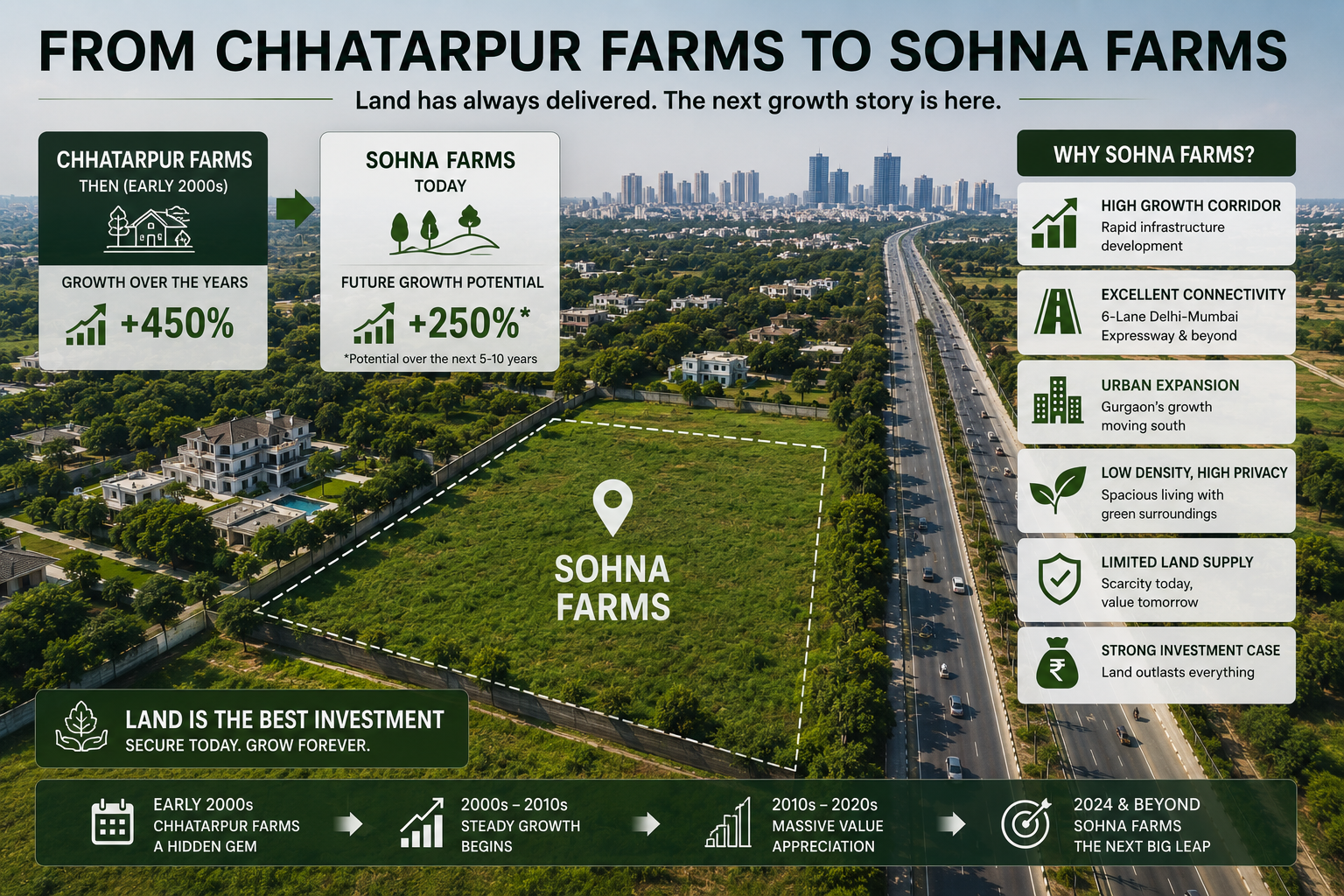
Is Sohna Really the Next Chhatarpur?
Three decades after Chhatarpur redrew South Delhi's map for space, privacy and exclusivity, a familiar pattern is now taking shape further south, and Sohna is where the smart money is beginning to look.
How Chhatarpur Farmhouses Created Multi-Crore Wealth for Early Buyers
What a quiet corner of South Delhi can teach investors about land, scarcity, and long-term wealth creation.

The ₹5 Crore Land Purchase That Became Worth ₹70 Crore
What the Story of DLF Chhatarpur Farms Reveals About Wealth Creation Through Premium Land Ownership
One short email. Stories you can use.
A free, occasional email from our editorial team with our latest features, explainers and reads. Unsubscribe any time — your email stays with us.