The Silent Revolution: How UK Households Are Redefining Value Beyond Price Tags
British consumers are navigating a complex economic landscape, compelling retailers to adapt beyond linear price competition. A discernible shift towards nuanced value propositions is reshaping purchasing decisions across diverse income brackets.

A recent stroll through a Tesco Extra in Outer London reveals as much about current consumer sentiment as any macroeconomic report. Shoppers meticulously compare own-brand offerings with established labels, but conversation among friends often drifts from unit price to shelf stability, or the perceived ethical sourcing of particular goods. This granular attention to value, extending beyond the immediate cost, signals a fundamental recalibration within the UK household economy. Businesses from high street stalwarts to e-commerce giants must now consider a multi-faceted definition of worth, or risk ceding ground.
For years, the narrative around UK retail has centred on a relentless pursuit of the lowest price, particularly in sectors like groceries. Aldi and Lidl's consistent market share gains attest to this enduring pressure. However, recent data suggests a more intricate pattern. While price remains a primary consideration, particularly for discretionary purchases in a period of sustained inflation, factors such as demonstrable product longevity, convenience of acquisition, and a brand's social or environmental credentials are gaining prominence. Loyalty, once easily swayed by pence-off promotions, now demands a broader contract.
The Endurance of Quality and Convenience
Marks & Spencer, for instance, has managed to retain a significant segment of its clothing and food customer base by emphasising quality and aspirational rather than purely budget-driven value. Its food halls, while often pricier, continue to draw shoppers for specific items, indicating that for certain categories, a willingness to pay a premium for perceived superior ingredients or ethical sourcing persists. Similarly, the continued growth of services like Deliveroo and Just Eat, despite their premium delivery charges, underscores a non-negotiable demand for convenience among urban consumers who value time above all else.
The trajectory of retailers like Next demonstrates a similar resilience. Their integrated online and in-store model, combined with a reputation for consistent quality and efficient logistics, allows them to compete effectively in a market where ASOS, once the disruptor, faces renewed scrutiny over returns policies and fast-fashion ethics. Consumers are increasingly scrutinising the 'total cost of ownership' of an item, including the likelihood of early replacement or the environmental burden of its production and disposal.
Retailers must recognise that the 'best value' for a British family today is a kaleidoscope of factors, not simply the cheapest item on the shelf. It encompasses trust, convenience, and a perceived alignment with personal values.
Even in the technology sphere, this shift is apparent. While budget smartphones find a ready market, there is a sustained demand for premium devices and eco-friendly gadgets, suggesting a long-term investment mindset. Ocado's business model, built on a highly efficient, technology-driven fulfilment system and a curated product range, caters to a segment that prioritises service and reliability, even if it comes at a slightly higher price point than conventional supermarkets. The underlying consumer psychology here is a form of risk reduction: paying more upfront to avoid future hassle or disappointment.
Implications for Brand Strategy
This evolving definition of value presents both challenges and opportunities. For brands accustomed to competing primarily on price, investment in supply chain transparency, product innovation, and improved customer experience becomes paramount. Shoppers are increasingly discerning and willing to research, armed with a plethora of information at their fingertips. A brand's narrative around sustainability or local sourcing, if authentically delivered, can now be a powerful differentiator, converting interest into sustained purchasing behaviour. The businesses that flourish in this environment will be those that articulate a clear, multi-faceted value proposition that resonates with the holistic concerns of the modern British consumer, moving beyond a singular focus on the pound sterling.
The ramifications extend beyond individual transactions. This trend influences investment in infrastructure, from automated warehouses allowing faster delivery to redesigned physical stores offering more experiential shopping. It also shapes marketing strategies, moving from blunt price comparisons to nuanced storytelling around product benefits and brand ethos. Businesses that fail to recognise this fundamental shift will find their market share eroding, not necessarily to cheaper alternatives, but to competitors offering superior, broader value.
News Legacy maintains editorial independence. Some recommendations may contain affiliate links. We earn from qualifying purchases at no additional cost to you. Read our policy.
Read Next

Is Sohna Really the Next Chhatarpur?
Three decades after Chhatarpur redrew South Delhi's map for space, privacy and exclusivity, a familiar pattern is now taking shape further south, and Sohna is where the smart money is beginning to look.
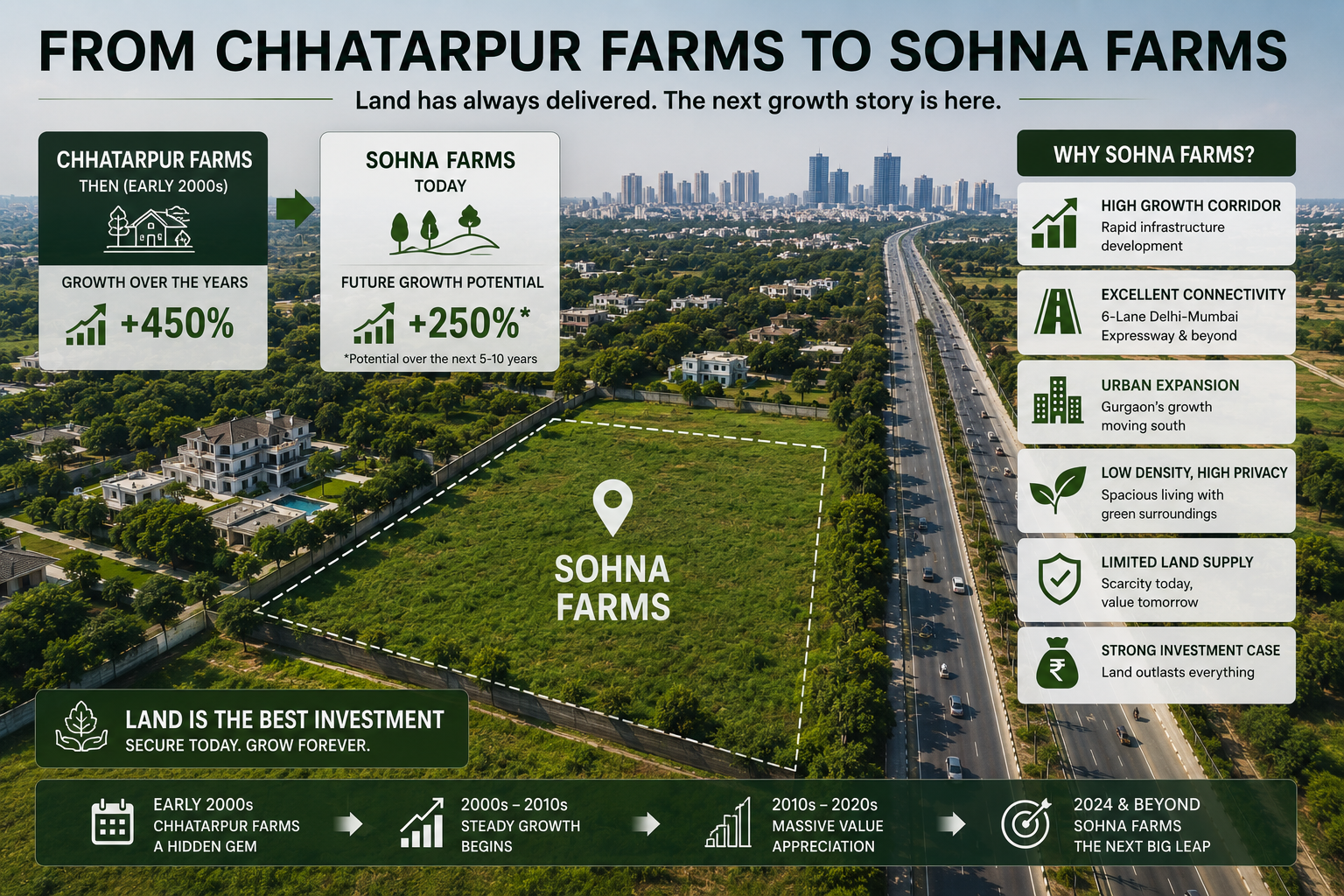
How Chhatarpur Farmhouses Created Multi-Crore Wealth for Early Buyers
What a quiet corner of South Delhi can teach investors about land, scarcity, and long-term wealth creation.
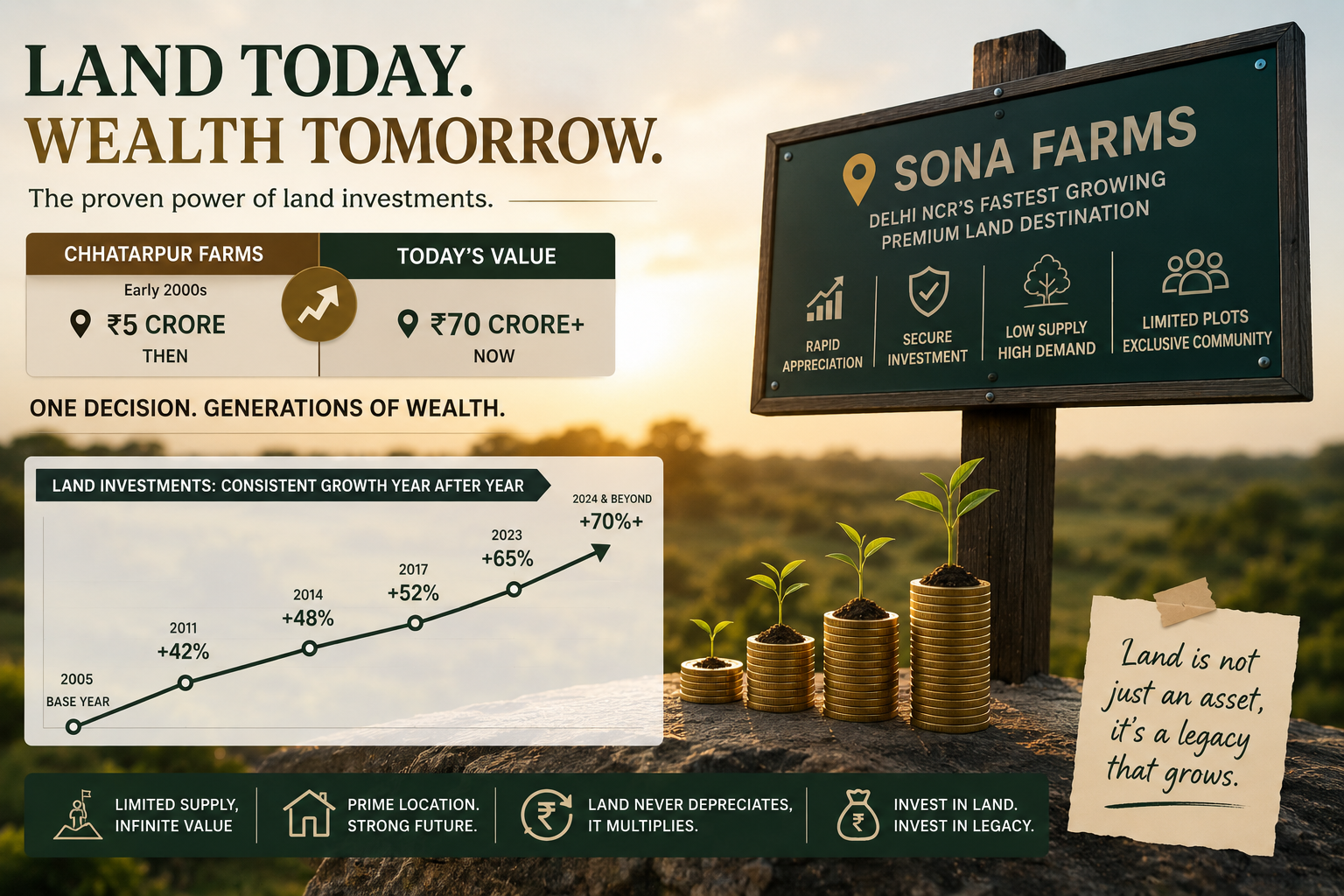
The ₹5 Crore Land Purchase That Became Worth ₹70 Crore
What the Story of DLF Chhatarpur Farms Reveals About Wealth Creation Through Premium Land Ownership
One short email. Stories you can use.
A free, occasional email from our editorial team with our latest features, explainers and reads. Unsubscribe any time — your email stays with us.