The Silent Revolution: How UK Supermarkets Are Reprogramming Their Supply Chains for Deflation
Mounting pressures on the consumer purse have forced British grocers to fundamentally rethink their operational backbone. Beyond mere price cuts, retailers are instigating profound technological shifts to underpin a future of constrained spending.

At Tesco's distribution centre in Fenny Lock, robots quietly orchestrate the movement of millions of cases, a scene replicated across the logistical networks of its rivals. This automation is no longer merely about efficiency; it has become a critical defence against sustained inflationary pressures giving way to a period of disinflation, and potentially, deflationary pressures, fundamentally altering the economics of retail in the UK.
The pandemic-era surge in online grocery, exemplified by Ocado's technology prowess and the rapid expansion of Deliveroo and Just Eat into quick commerce, initially drove investments focused on speed and capacity. Now, the emphasis has pivoted towards cost reduction and waste minimisation. With real wages continuing to lag inflation and consumer confidence fragile, British households are scrutinising every penny, demanding value that traditional supply chains struggle to deliver profitably.
Automation as a Deflationary Shield
Major players like Sainsbury's are aggressively deploying AI-powered forecasting tools to minimise overstocking, a direct response to reduced consumer elasticity. Waste from unsold fresh produce, once absorbed by higher margins, is now a critical leak. These systems analyse vast datasets, encompassing everything from localised weather patterns to school holiday schedules, far beyond the capabilities of human planners, to predict demand with unprecedented accuracy.
The grocery sector, operating on famously thin margins, understands that even fractional improvements in supply chain efficiency can translate into significant competitive advantages. One industry analyst observes that "the incremental gains from optimising a supply chain worth billions of pounds can often outweigh the impact of a point or two movement in supermarket shelf prices."
Beyond the giants, online fashion retailers such as ASOS and Next are grappling with similar challenges. While their product cycles differ, the need to reduce returns, optimise warehousing, and streamline last-mile delivery remains paramount. Investment in sophisticated returns processing technology, for instance, allows for faster re-integration of goods into stock, reducing markdown risk and improving cash flow – vital considerations in a challenging retail environment.
Localised Logistics and Dark Stores
The proliferation of 'dark stores' – retail outlets repurposed solely for online order fulfilment – represents another strategic adaptation. These micro-fulfilment centres, often situated closer to urban populations, reduce delivery times and, crucially, fuel costs, a significant expenditure for the likes of Deliveroo and Just Eat, who are constantly battling the economics of their gig economy models. Marks & Spencer, while perhaps not chasing the same rapid delivery times, is also re-evaluating its property portfolio to better serve omni-channel demand, blending physical retail with efficient online dispatch.
The shift is systemic. Rather than simply negotiating harder with suppliers, retailers are re-engineering their entire operational backbones. This involves substantial upfront capital expenditure in robotics, data analytics, and advanced logistics software, but the long-term view anticipates a retail landscape where operational agility and cost control will be the primary determinants of market leadership. The silent revolution in British retail supply chains is not merely reacting to current economic headwinds; it is proactively building resilience for a fundamentally reshaped future of consumer spending.
The implications extend beyond the immediate bottom line. A more efficient supply chain is inherently more sustainable, reducing food waste and optimising transport routes. While the primary driver is commercial, the environmental co-benefits are a welcome, if secondary, outcome for an industry under increasing scrutiny.
News Legacy maintains editorial independence. Some recommendations may contain affiliate links. We earn from qualifying purchases at no additional cost to you. Read our policy.
Read Next
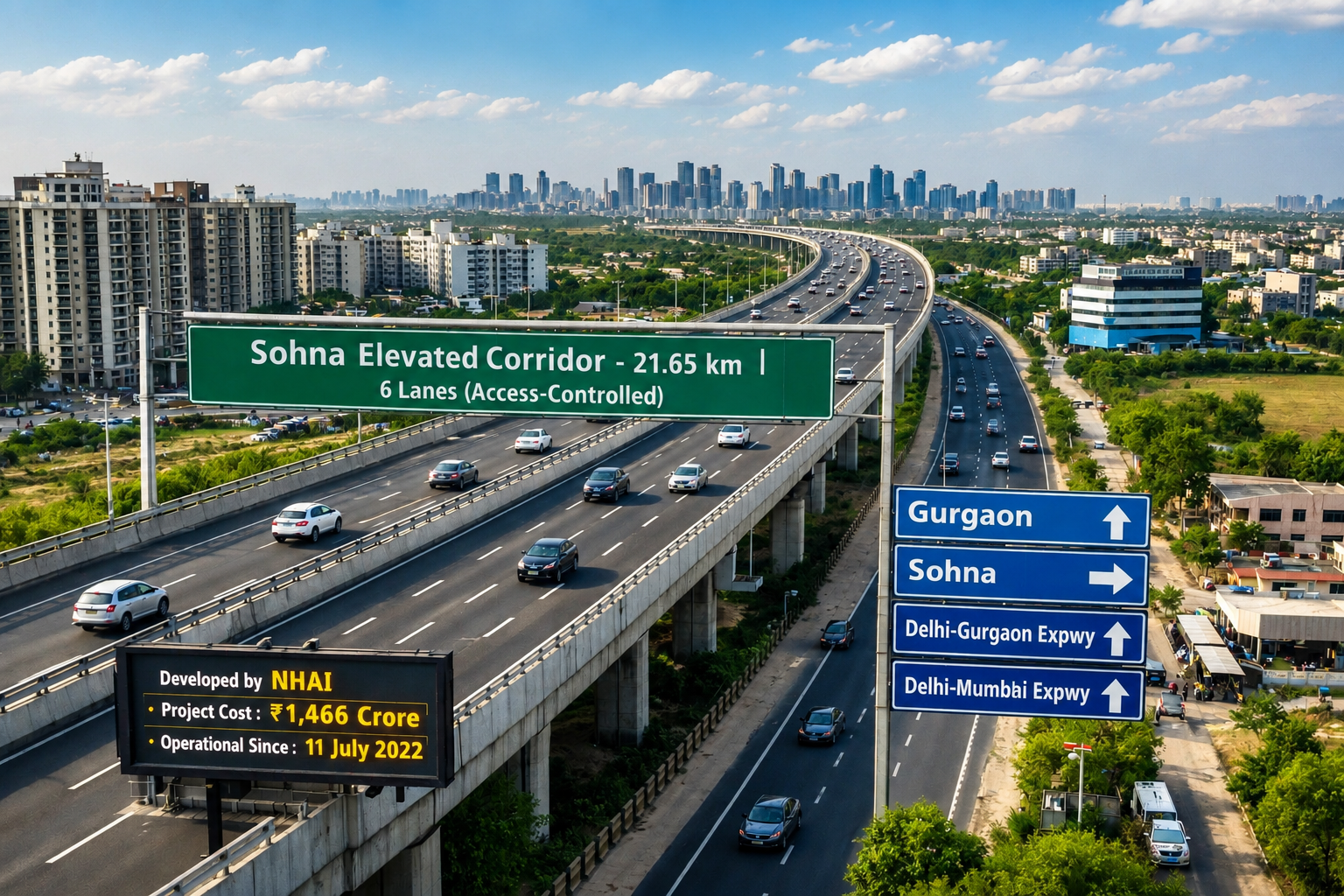
Is Sohna Really the Next Chhatarpur?
Three decades after Chhatarpur redrew South Delhi's map for space, privacy and exclusivity, a familiar pattern is now taking shape further south, and Sohna is where the smart money is beginning to look.
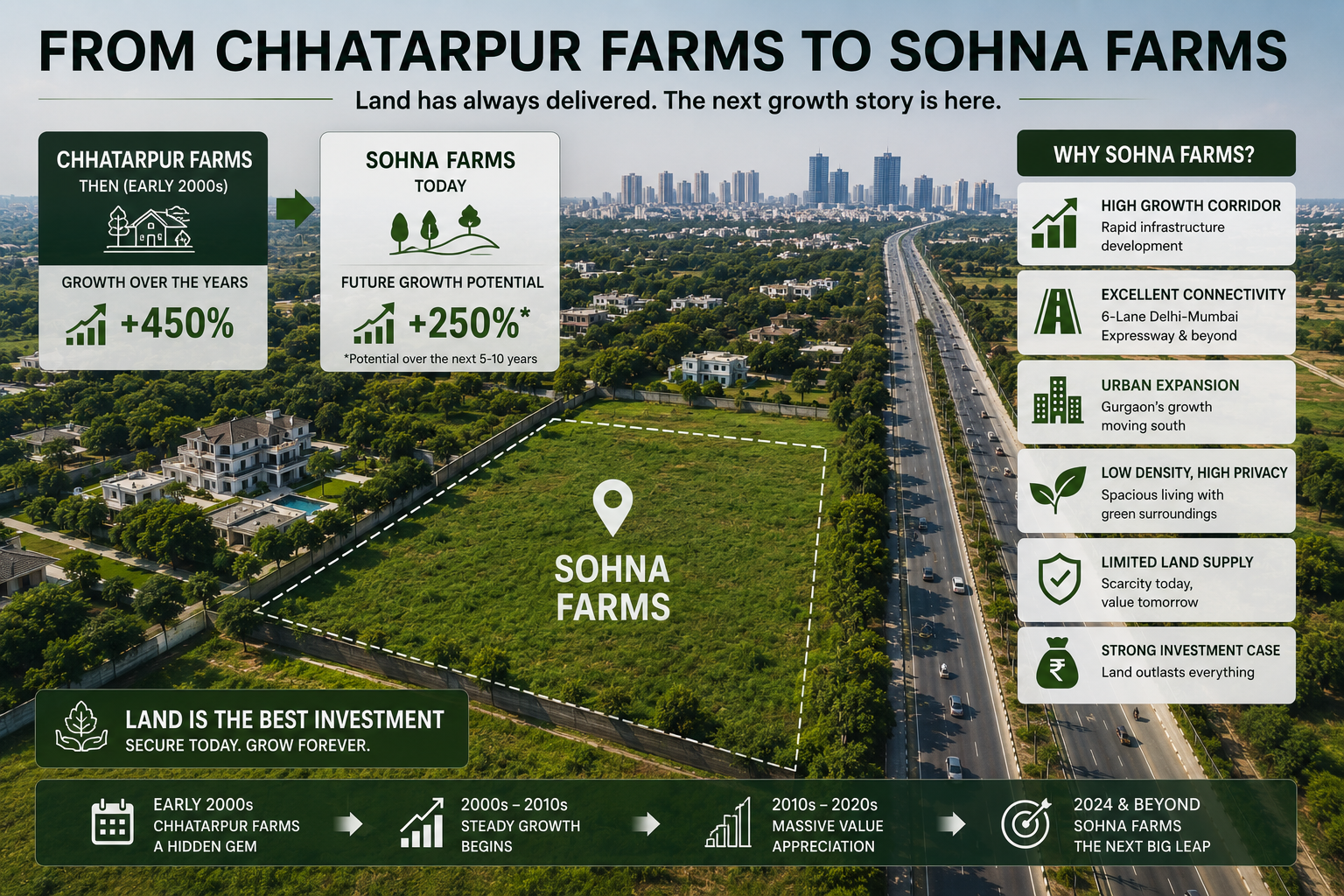
How Chhatarpur Farmhouses Created Multi-Crore Wealth for Early Buyers
What a quiet corner of South Delhi can teach investors about land, scarcity, and long-term wealth creation.
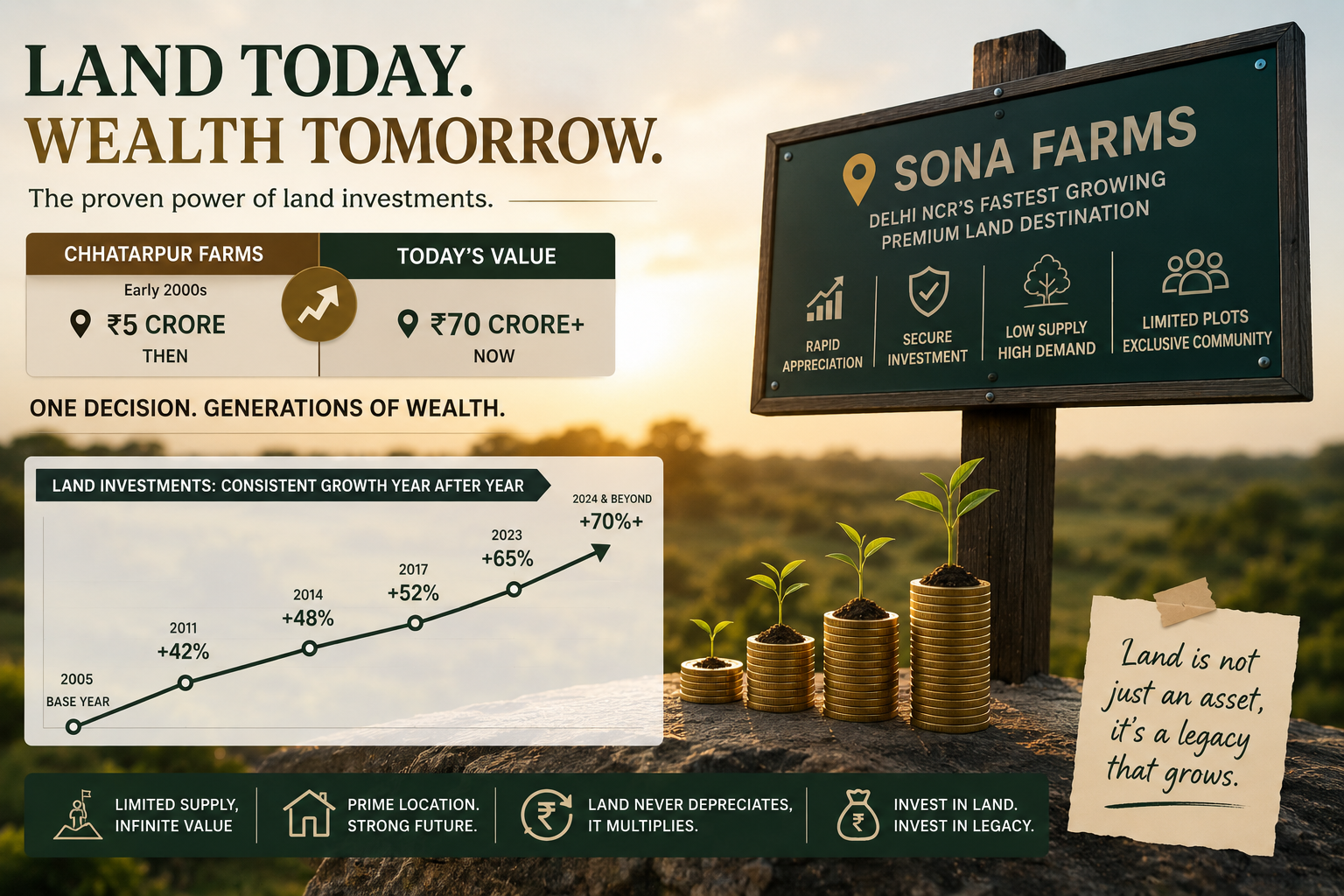
The ₹5 Crore Land Purchase That Became Worth ₹70 Crore
What the Story of DLF Chhatarpur Farms Reveals About Wealth Creation Through Premium Land Ownership
One short email. Stories you can use.
A free, occasional email from our editorial team with our latest features, explainers and reads. Unsubscribe any time — your email stays with us.