The Silent Revolution in British Retail Back-Ends: Orchestrating the New High Street
As high-street giants and e-commerce specialists navigate a complex consumer landscape, the invisible infrastructure of Software-as-a-Service platforms is dictating efficiency and competitive advantage across the UK market.

From the bustling aisles of a Tesco Extra to the precision-packed warehouses supplying ASOS orders, a quiet transformation is underway. British retailers, confronting persistent inflationary pressures and a discerning consumer base, are increasingly turning to sophisticated Software-as-a-Service (SaaS) solutions not just to streamline operations, but to fundamentally redefine their market position. This strategic pivot towards integrated digital tools is no longer a luxury for innovation departments; it is becoming a core determinant of profitability and survival in a sector marked by rapid change.
The sheer scale of investment reflects this shift. While precise, publicly declared figures for SaaS adoption across the entire UK retail sector are difficult to aggregate, industry analysts consistently point to double-digit growth in spending on cloud-based enterprise solutions. Retailers are dedicating substantial portions of their technology budgets to platforms that manage everything from inventory and supply chain logistics to customer relationship management and personalised marketing campaigns. This sustained expenditure underscores a recognition that off-the-shelf software, flexible and scalable, offers a competitive edge over bespoke, legacy systems.
Inventory Intelligence and Supply Chain Synchronisation
Consider the intricate ballet of a major supermarket like Sainsbury's or an online grocer such as Ocado. The ability to predict demand, manage expiry dates, and optimise delivery routes relies heavily on advanced analytics and interconnected SaaS platforms. Companies like Blue Yonder (formerly JDA Software) and Kinaxis provide crucial visibility across complex supply chains, allowing retailers to minimise waste, reduce stockouts, and respond swiftly to disruptions – whether geopolitical or weather-related. For a nation heavily reliant on imports, particularly in fresh produce, this granular control is paramount.
Beyond perishables, the fashion sector exemplifies the need for agile inventory. Retailers such as Next and Marks & Spencer are balancing physical store networks with robust online presences. Their ability to transfer stock seamlessly between channels, fulfil click-and-collect orders efficiently, and process returns without significant logistical headaches is largely powered by systems from providers like Shopify Plus, Salesforce Commerce Cloud, or custom-integrated ERP solutions that leverage SaaS components. These platforms provide a unified view of stock, irrespective of its physical location.
The Evolving Customer Experience
Customer engagement, once primarily a front-of-house concern, is now deeply embedded in back-end SaaS. Personalisation engines from companies like Braze or Dynamic Yield analyse browsing habits and purchase histories to present tailored product recommendations, significantly boosting conversion rates. For Deliveroo and Just Eat, sophisticated algorithms dictate delivery logistics, restaurant partner management, and customer service workflows, creating the seamless experience consumers now expect as standard. This level of individualised interaction is simply not feasible without scalable cloud-based tools.
One industry analyst observes that the success of modern retail hinges on the invisible architecture supporting every customer touchpoint, from initial website interaction to post-purchase support.
The shift is also evident in workforce management. Platforms like Workday or UK-based Fourth provide human resources, payroll, and scheduling functionalities that adapt to the fluctuating demands of retail employment, from peak season staffing to managing part-time employee availability across multiple locations. This operational efficiency translates directly to labour cost savings and improved employee satisfaction, both critical factors in a high-turnover industry.
Ultimately, the silent revolution in British retail back-ends is about more than just technology adoption; it represents a fundamental re-engineering of how businesses operate in a digital-first economy. Those who invest strategically in agile, scalable SaaS ecosystems will be better positioned to navigate future economic headwinds, innovate at pace, and maintain relevance with an increasingly sophisticated and demanding consumer base. The competitive battleground has moved from the shop floor to the cloud, and the victors will be those who master its intricacies.
News Legacy maintains editorial independence. Some recommendations may contain affiliate links. We earn from qualifying purchases at no additional cost to you. Read our policy.
Read Next

Is Sohna Really the Next Chhatarpur?
Three decades after Chhatarpur redrew South Delhi's map for space, privacy and exclusivity, a familiar pattern is now taking shape further south, and Sohna is where the smart money is beginning to look.
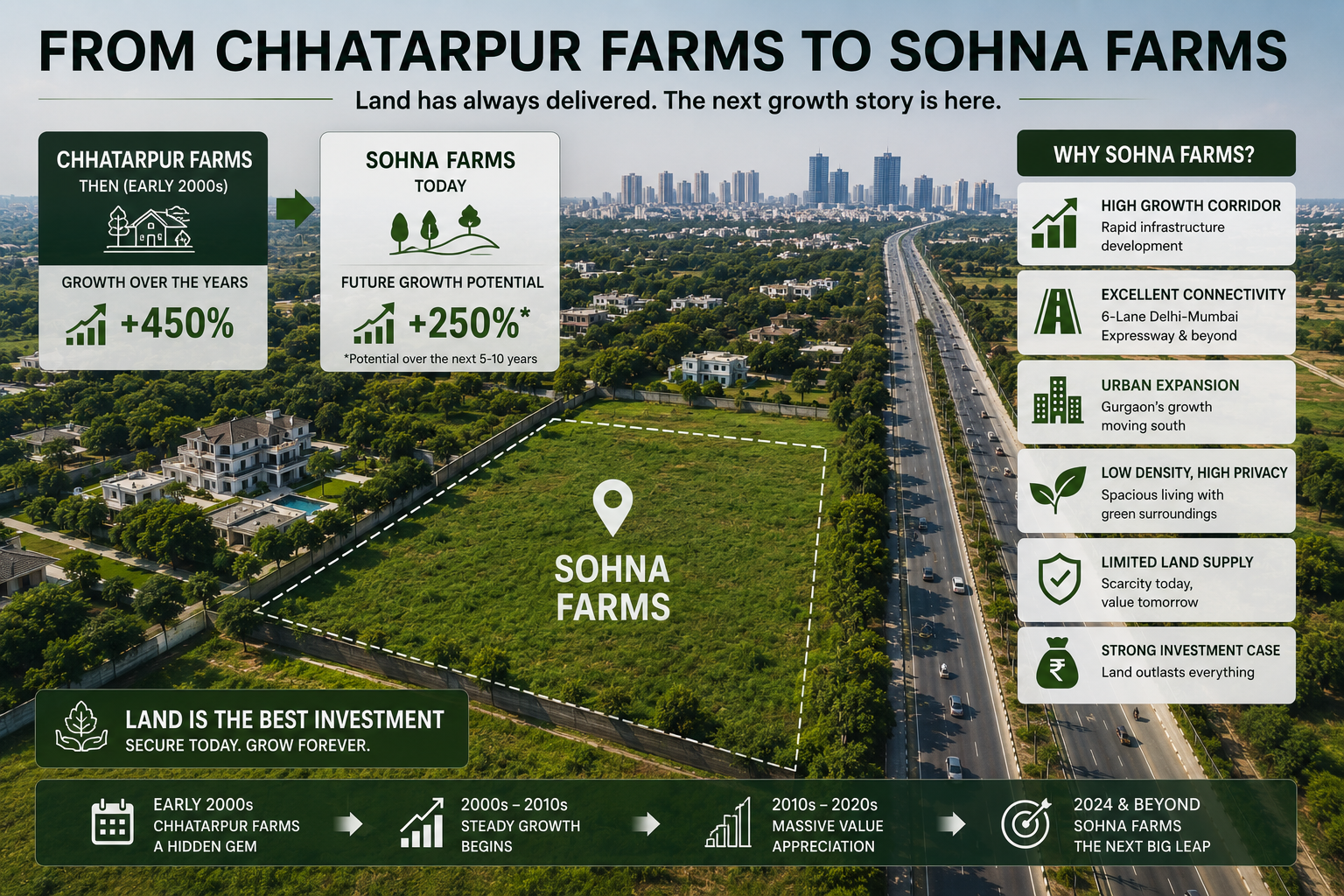
How Chhatarpur Farmhouses Created Multi-Crore Wealth for Early Buyers
What a quiet corner of South Delhi can teach investors about land, scarcity, and long-term wealth creation.

The ₹5 Crore Land Purchase That Became Worth ₹70 Crore
What the Story of DLF Chhatarpur Farms Reveals About Wealth Creation Through Premium Land Ownership
One short email. Stories you can use.
A free, occasional email from our editorial team with our latest features, explainers and reads. Unsubscribe any time — your email stays with us.