The Silent Shift: UK Supermarkets Adapt to the Stealth Shopper
A subtle but significant change in how British consumers approach their weekly food shop is compelling even the largest grocers to recalibrate long-held strategies, moving beyond traditional basket metrics to a more nuanced view of purchasing behaviour.

At a Tesco Extra in outer London, the once-unquestioned pattern of a single, substantial weekly shop has visibly fractured. Aisles that previously saw peak traffic on Friday evenings now show a more consistent, if less dramatic, flow throughout the week. This dispersion of purchasing, driven by an amalgamation of economic pressures and evolving lifestyle choices, represents a critical challenge to the operational models of established UK supermarkets.
For decades, the bedrock of grocery retail strategy in the United Kingdom was the 'big shop' – a single, planned excursion designed to stock the larder for the coming seven days. This model underpinned everything from store layouts to supply chain logistics, and even the promotional cycles. Its gradual erosion, however, forces retailers like Sainsbury's and Asda to re-evaluate their entire customer engagement paradigm.
The Fragmented Basket
The cost of living crisis, a sustained period of high inflation, and the lingering effects of the pandemic have collectively reshaped household budgeting. Consumers are increasingly making smaller, more frequent purchases, often driven by immediate needs rather than long-term meal planning. This 'stealth shopping' pattern is less about loyalty to a single store and more about convenience and the acute management of disposable income.
Evidence for this shift appears in various market data. While overall basket sizes might fluctuate, the frequency of transactions has shown an upward trend for many UK grocers. This suggests that shoppers are visiting more often, but spending less on each visit. They might pick up fresh produce at a main supermarket, then a specific branded item from a discounter, and a quick meal solution from a convenience store later in the week.
The modern British shopper, often under financial strain, approaches grocery purchasing with a more tactical mindset, making decisions that prioritise immediate utility and cost-efficiency over brand allegiance or consolidated convenience.
This tactical approach extends beyond food. Retailers like Next and Marks & Spencer have also observed a similar pattern in non-food categories, where consumers might browse online more extensively but then execute smaller, more targeted purchases, often influenced by specific promotional windows rather than general seasonal spending.
Operational Recalibration
Adapting to this fragmentation requires significant operational agility. Supermarkets are exploring how to optimise their smaller format stores – the Tesco Express and Sainsbury's Local branches – not just as top-up shops but as primary points of contact for daily necessities. This means adjusting stock profiles, delivery schedules, and even pricing strategies to reflect their elevated importance in the new shopping landscape.
The challenge also extends to the online delivery sector, dominated by players like Ocado, Deliveroo, and Just Eat. While these services initially capitalised on the convenience of home delivery for larger orders, they are now seeing an uptick in smaller, immediate 'on-demand' grocery hauls. This necessitates a re-evaluation of delivery economics, particularly the costs associated with fulfilling smaller basket values, which has historically been a profitability hurdle for many operators.
Ultimately, the silent shift in consumer behaviour demands a more granular understanding of purchasing intent. Retailers can no longer solely rely on aggregated sales data or broad loyalty programme insights. Instead, they must invest in sophisticated analytics that can discern the individual micro-journeys of shoppers, adapting their offerings and operational models to cater to a customer base that is increasingly fluid, budget-conscious, and less predictable than ever before.
News Legacy maintains editorial independence. Some recommendations may contain affiliate links. We earn from qualifying purchases at no additional cost to you. Read our policy.
Read Next
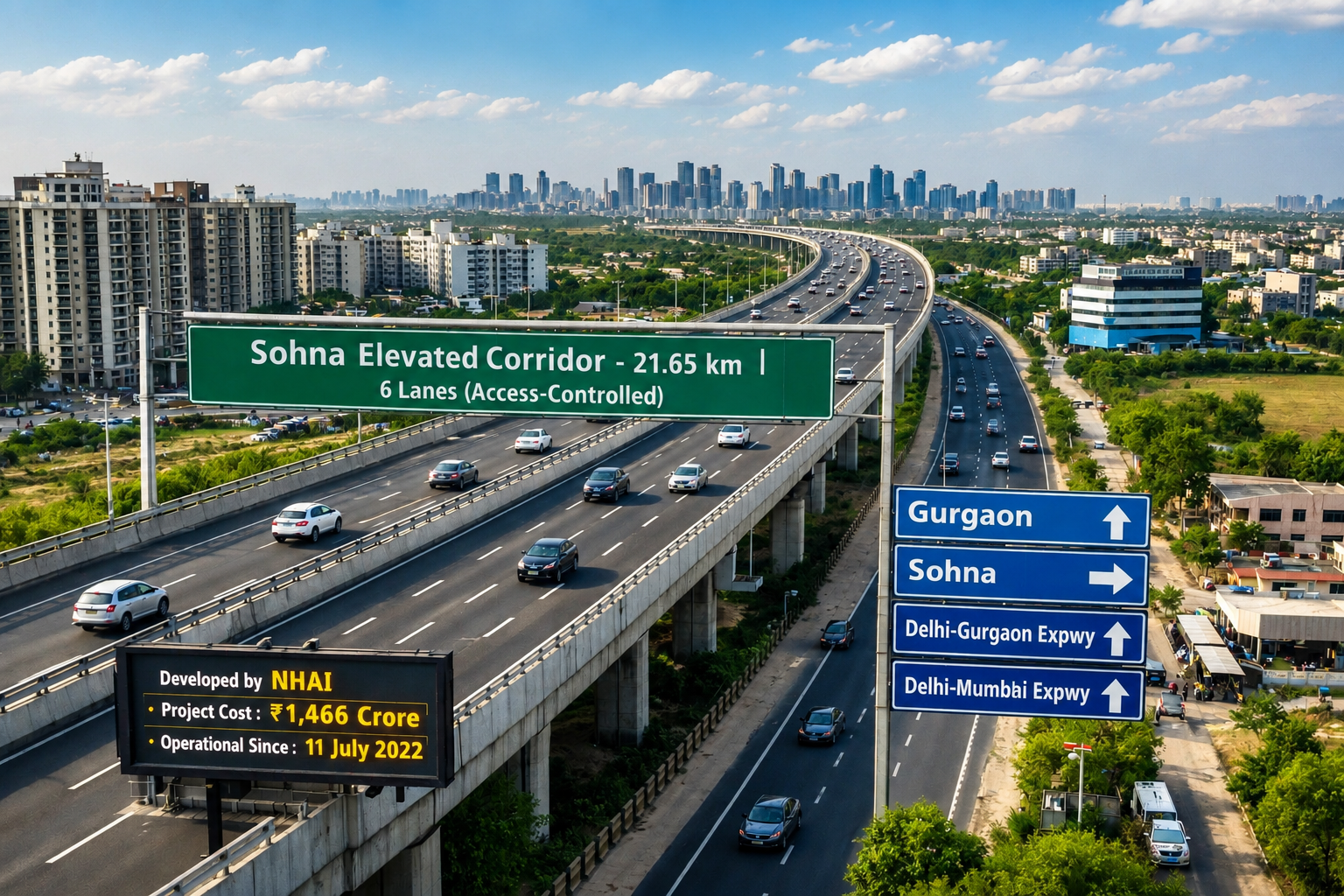
Is Sohna Really the Next Chhatarpur?
Three decades after Chhatarpur redrew South Delhi's map for space, privacy and exclusivity, a familiar pattern is now taking shape further south, and Sohna is where the smart money is beginning to look.
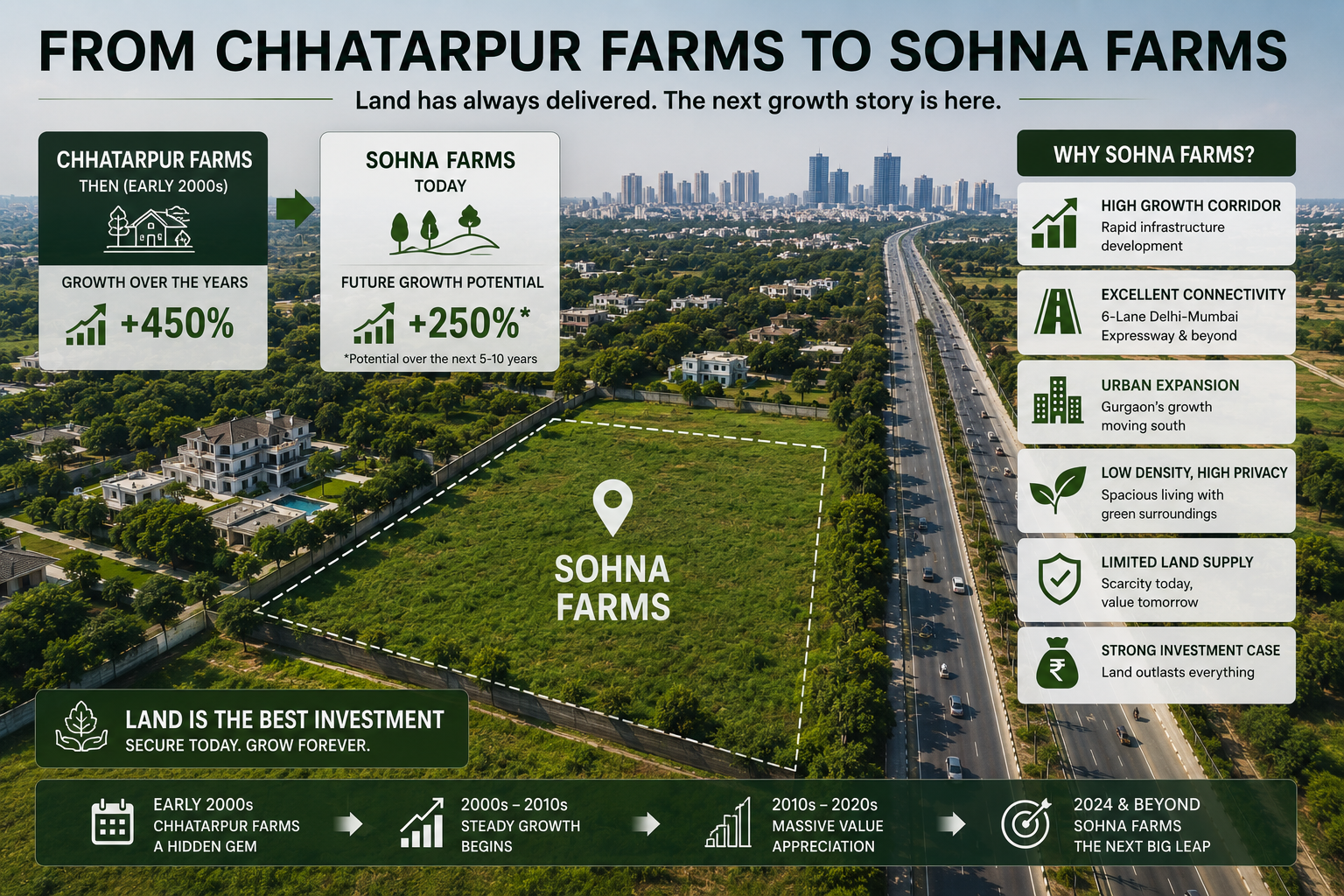
How Chhatarpur Farmhouses Created Multi-Crore Wealth for Early Buyers
What a quiet corner of South Delhi can teach investors about land, scarcity, and long-term wealth creation.
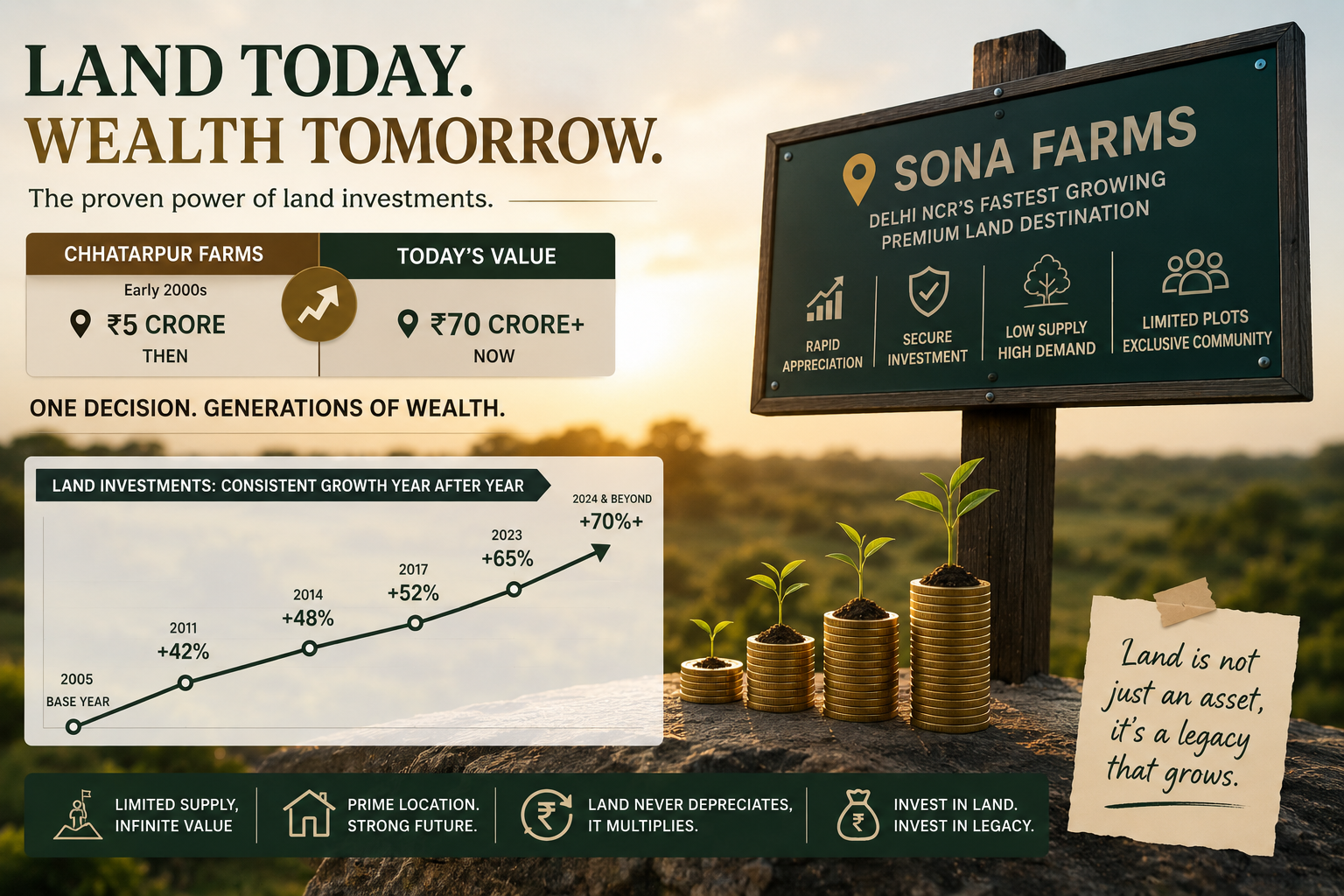
The ₹5 Crore Land Purchase That Became Worth ₹70 Crore
What the Story of DLF Chhatarpur Farms Reveals About Wealth Creation Through Premium Land Ownership
One short email. Stories you can use.
A free, occasional email from our editorial team with our latest features, explainers and reads. Unsubscribe any time — your email stays with us.