The Silent Software Wars: How European Retailers Navigate the Enterprise Tech Maze
Across Europe's fragmented digital commerce landscape, retailers from Warsaw to Madrid are grappling with the complex and often opaque world of enterprise software, a battleground where efficiency gains translate directly into market share.

The recent integration of an advanced inventory management system across Carrefour's expansive Spanish hypermarket network, streamlining perishable goods logistics, exemplifies a quiet but profound transformation occurring throughout European retail. This move, while largely invisible to the end consumer, reflects a broader strategic imperative: the judicious deployment of sophisticated software to secure competitive advantage in an increasingly omnichannel environment.
Europe's diverse regulatory frameworks, language barriers, and distinct consumer behaviours — from the hyper-efficiency demanded by German discounters like Lidl and REWE to the fashion-forward agility of Zalando in Germany and Vinted's C2C dominance across France and Poland — necessitate highly adaptable technology solutions. Generic, one-size-fits-all platforms often falter, prompting bespoke integrations or the arduous task of piecing together a mosaic of specialised tools.
The Legacy Burden and the Cloud Promise
Many established European retailers carry the weight of legacy IT infrastructure, often comprising decades-old systems not designed for the rapid iterative changes demanded by modern e-commerce. Upgrading or replacing these systems represents not only a significant capital expenditure, frequently stretching into tens of millions of euros for major players, but also a considerable operational risk. The allure of cloud-native Software-as-a-Service (SaaS) offerings, promising scalability, reduced maintenance overhead, and continuous updates, is compelling, yet migration remains a formidable undertaking.
The competition among SaaS providers in Europe is fierce, with global giants vying for contracts alongside agile local specialists. Companies like Allegro in Poland, Bol.com in the Netherlands, and Cdiscount in France, each with their own marketplace ecosystems, often develop proprietary solutions for core functions, but still rely on third-party software for areas like payment processing, advanced analytics, and customer relationship management.
One industry analyst observes that the true differentiator for enterprise SaaS in Europe lies not just in technical capability, but in a provider's capacity for deep localisation and adherence to fragmented data protection regimes like GDPR.
The Supply Chain Imperative
The intense pressure on supply chains, exacerbated by recent global events and the rapid expansion of quick commerce players (though Gorillas' independent operations have ceased, and Flink continues to navigate a challenging market), has amplified the demand for robust supply chain management (SCM) and warehouse management systems (WMS). Retailers are seeking predictive analytics to mitigate disruptions, optimise stock levels across distributed European warehouses, and reduce the environmental footprint of their logistics.
Investment in AI-driven forecasting tools, for instance, has seen double-digit growth among major retailers in the Nordics, where efficient cold chain logistics are paramount. Similarly, Spanish and Italian grocery chains are exploring automation in distribution centres to handle increased online order volumes while maintaining freshness.
The strategic choices made today in enterprise software will determine the agility and profitability of European retailers for the next decade. Success hinges on a clear understanding of proprietary needs, a willingness to invest substantially, and the foresight to select partners capable of navigating the continent's intricate commercial and regulatory tapestry.
News Legacy maintains editorial independence. Some recommendations may contain affiliate links. We earn from qualifying purchases at no additional cost to you. Read our policy.
Read Next
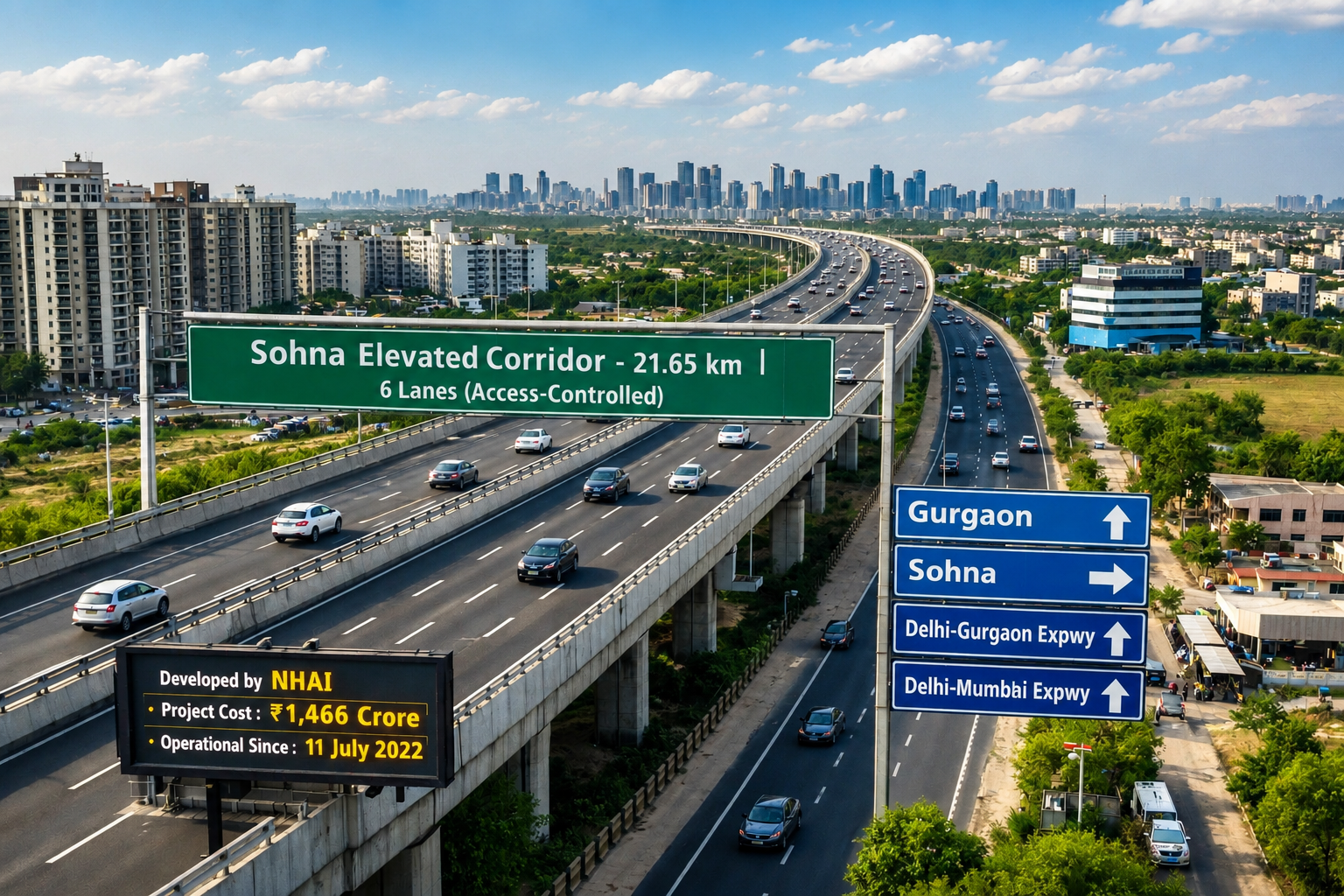
Is Sohna Really the Next Chhatarpur?
Three decades after Chhatarpur redrew South Delhi's map for space, privacy and exclusivity, a familiar pattern is now taking shape further south, and Sohna is where the smart money is beginning to look.
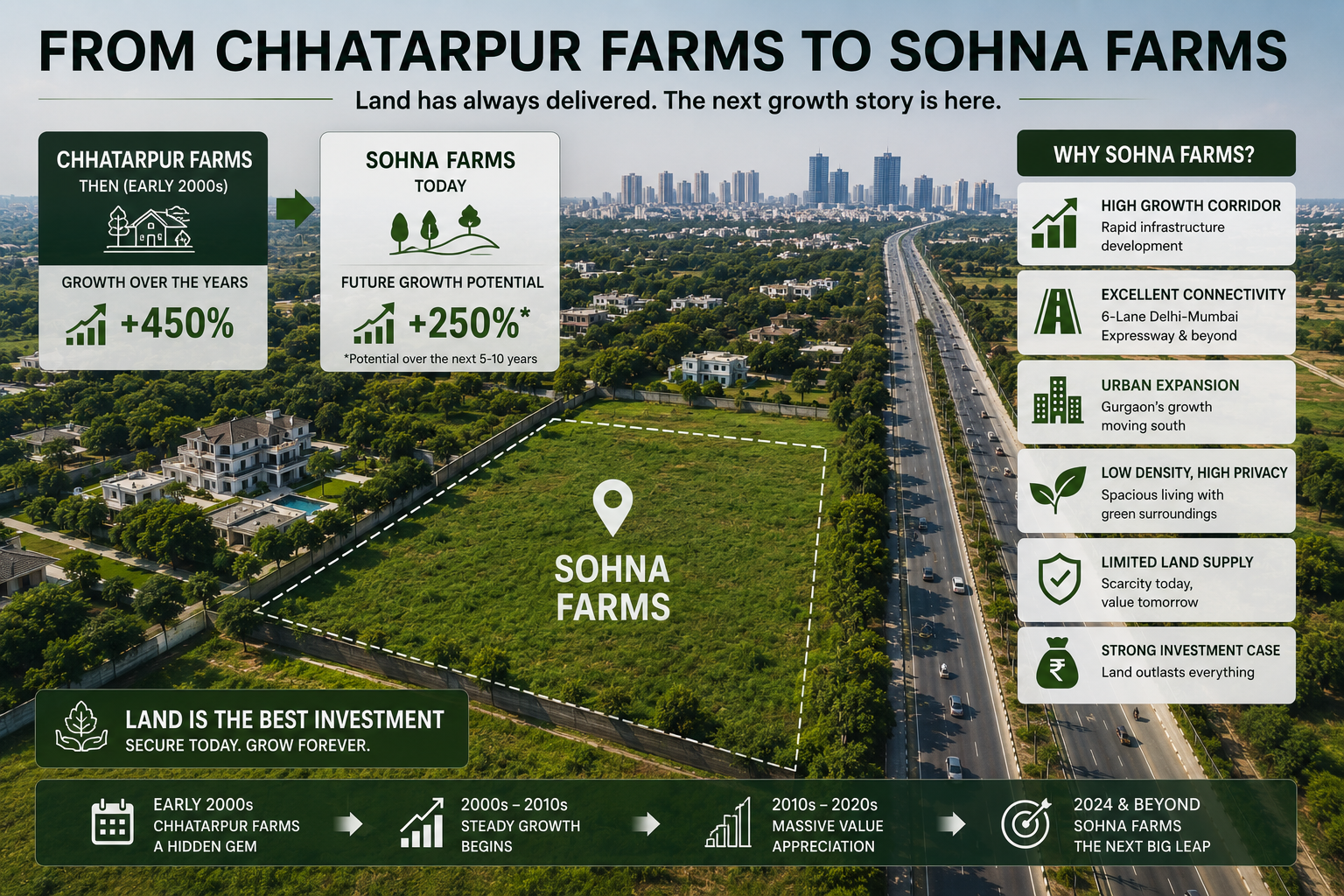
How Chhatarpur Farmhouses Created Multi-Crore Wealth for Early Buyers
What a quiet corner of South Delhi can teach investors about land, scarcity, and long-term wealth creation.
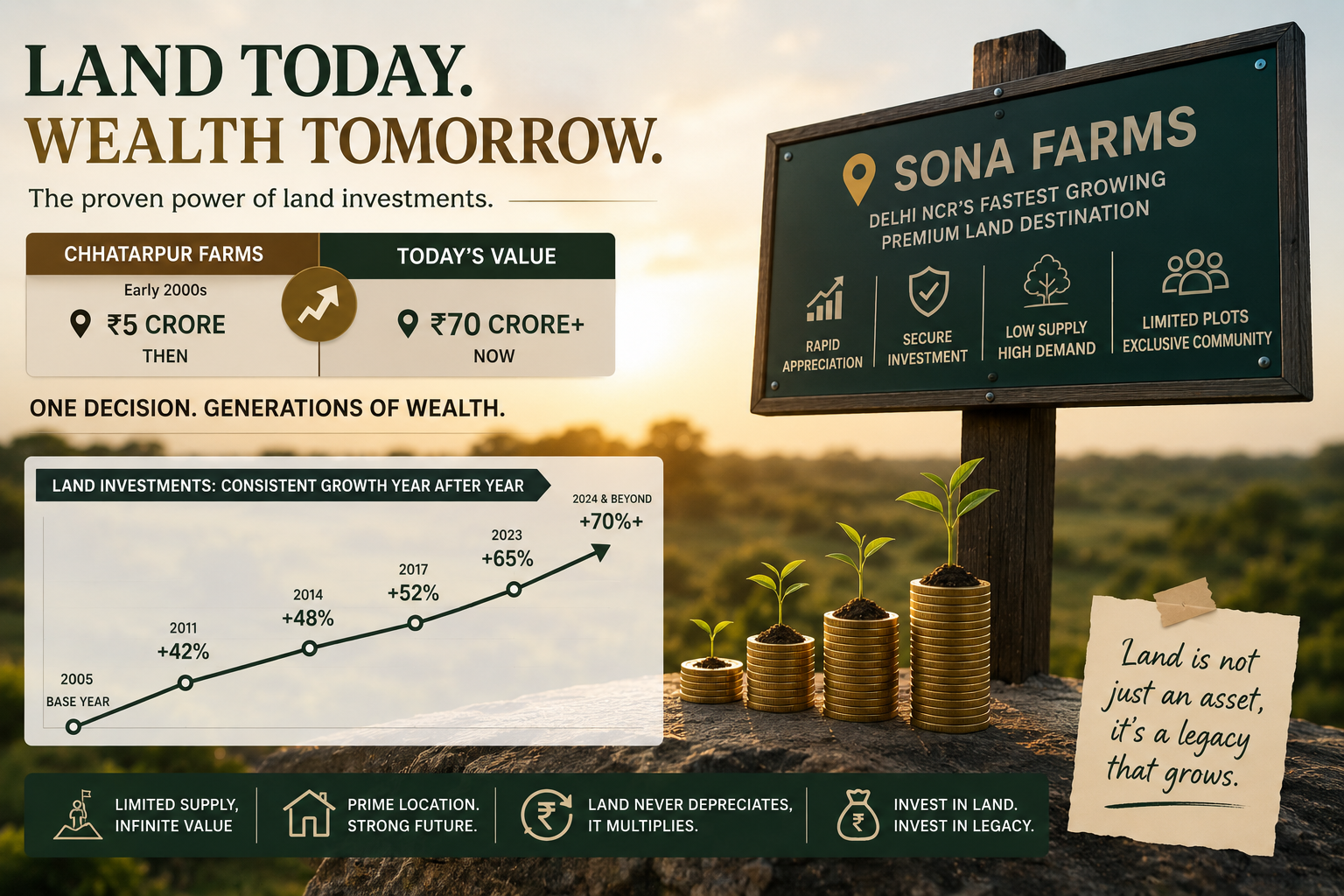
The ₹5 Crore Land Purchase That Became Worth ₹70 Crore
What the Story of DLF Chhatarpur Farms Reveals About Wealth Creation Through Premium Land Ownership
One short email. Stories you can use.
A free, occasional email from our editorial team with our latest features, explainers and reads. Unsubscribe any time — your email stays with us.