The Silent Sprawl: How Hyper-Local Warehousing is Reshaping Urban Commerce
The relentless pursuit of same-day and sub-hour delivery is driving a profound shift in logistics infrastructure, transforming American urban cores into a dense network of micro-fulfillment centers and dark stores.

From the bustling streets of Manhattan to the sprawling suburbs of Los Angeles, the ubiquitous dark storefronts of old retail spaces are increasingly being repurposed, not for new consumer-facing brands, but as critical nodes in an ever-accelerating delivery ecosystem. This silent transformation, driven by giants like Amazon and Walmart, alongside specialized players like Instacart, signifies a fundamental re-engineering of the supply chain, prioritizing proximity to the end-consumer above traditional economies of scale in warehousing.
The pandemic-induced surge in e-commerce cemented consumer expectations for rapid gratification, a trend that shows no signs of abating. Retailers, facing competitive pressures amplified by platforms like TikTok Shop actively pushing short delivery windows, are compelled to dramatically reduce the 'last mile.' This necessitates a geographical redistribution of inventory, pushing goods closer to residential populations and commercial districts.
This new paradigm contrasts sharply with the traditional model of vast, exurban distribution centers. While those facilities remain crucial for bulk storage and regional distribution, the micro-fulfillment center (MFC) model focuses on speed and precision for individual orders. These smaller, often automated hubs, can process thousands of orders daily, enabling delivery within an hour for a growing array of products.
The Real Estate Imperative
The demand for urban and near-urban logistics space has driven up industrial real estate values significantly. In many metropolitan areas, vacancy rates for industrial properties are at historic lows, often below 4%. Commercial real estate firms report double-digit year-over-year rent increases for these highly sought-after locations. This real estate squeeze impacts not only large corporations but also smaller businesses attempting to compete on delivery speed.
The operational metrics for modern fulfillment demand a physical footprint that often clashes with the historical zoning and land use planning of dense urban areas.
The growth of MFCs also presents challenges beyond real estate. Increased local traffic from delivery vehicles, amplified energy consumption for refrigerated storage, and noise pollution are emerging as civic concerns. Municipalities are beginning to grapple with the implications of this logistical densification, exploring new zoning regulations and infrastructure investments to manage the impact.
Companies like Shopify, while not operating their own vast logistics networks, enable smaller merchants to offer competitive delivery times by integrating with third-party logistics (3PL) providers who are themselves investing heavily in these localized fulfillment models. This democratization of rapid delivery capabilities is creating a more level playing field for independent businesses, but also intensifies the logistical density.
Walmart and Target are actively converting portions of their existing big-box retail footprint into hybrid store-fulfillment centers, effectively leveraging their established brick-and-mortar presence as strategic logistics assets. Costco, with its membership model and focus on bulk, faces a different challenge but is also exploring methods to expedite online order fulfillment without compromising its core in-store experience. The future of retail success increasingly hinges on mastering this intricate ballet of inventory, proximity, and instantaneous delivery.
News Legacy maintains editorial independence. Some recommendations may contain affiliate links. We earn from qualifying purchases at no additional cost to you. Read our policy.
Read Next
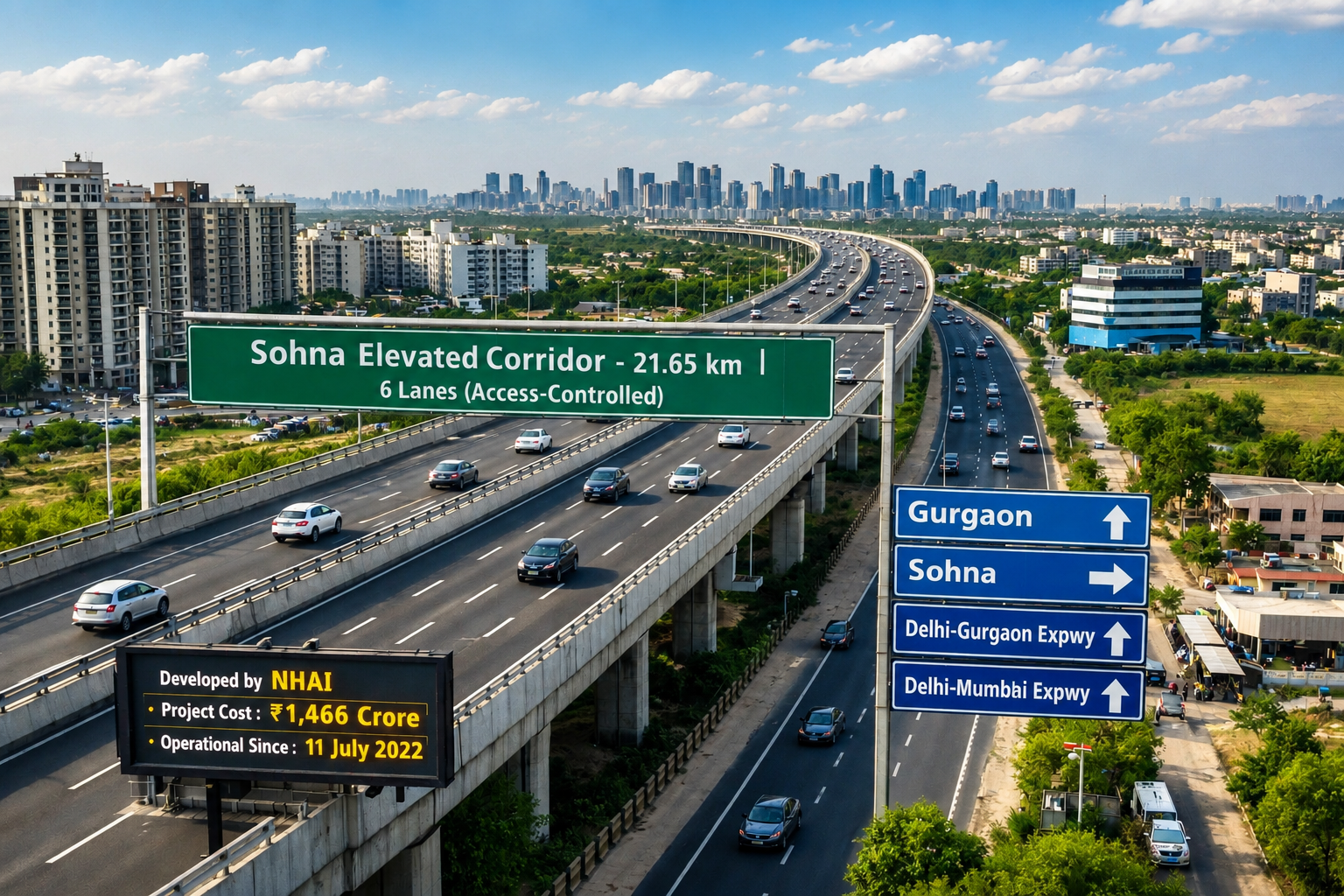
Is Sohna Really the Next Chhatarpur?
Three decades after Chhatarpur redrew South Delhi's map for space, privacy and exclusivity, a familiar pattern is now taking shape further south, and Sohna is where the smart money is beginning to look.
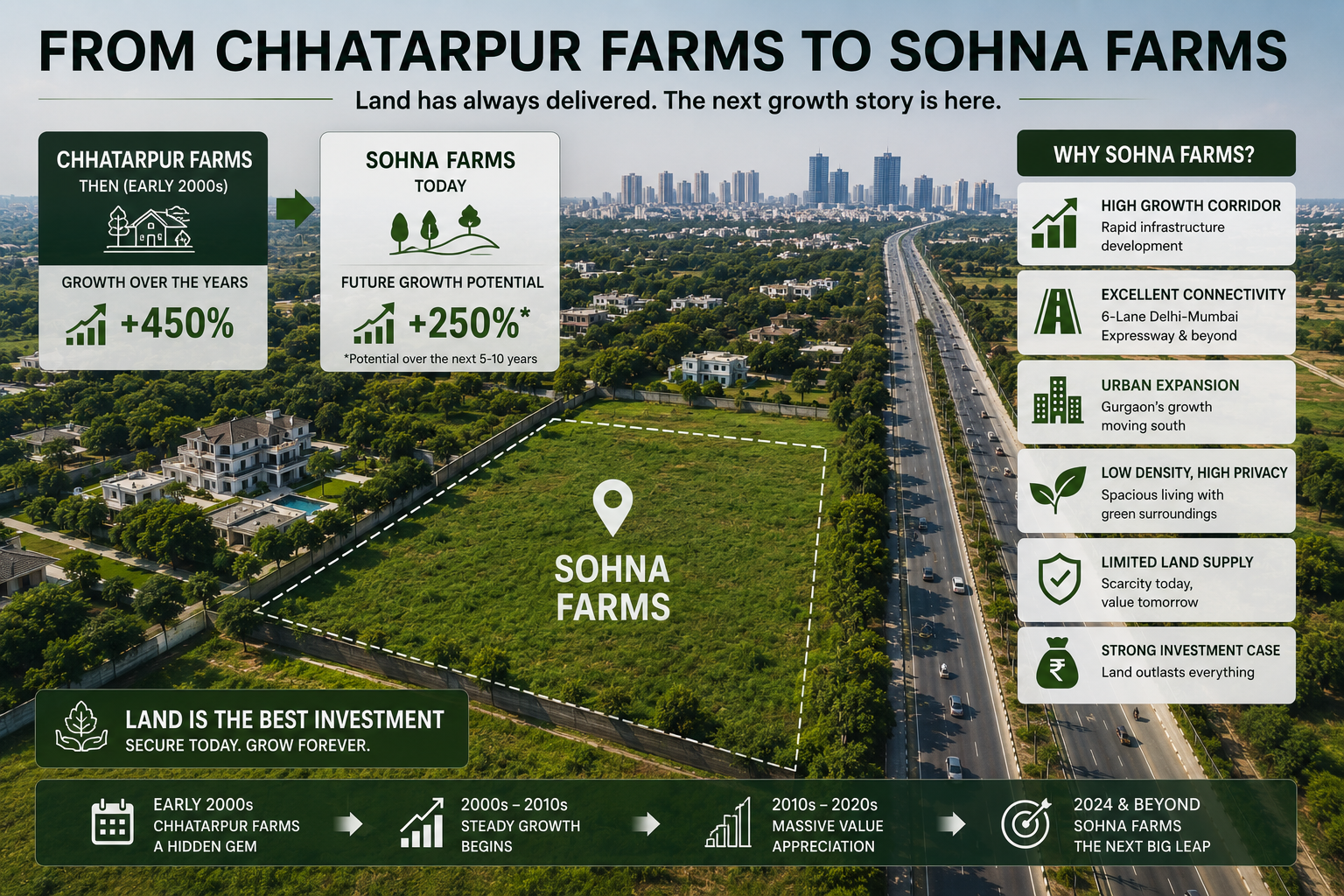
How Chhatarpur Farmhouses Created Multi-Crore Wealth for Early Buyers
What a quiet corner of South Delhi can teach investors about land, scarcity, and long-term wealth creation.
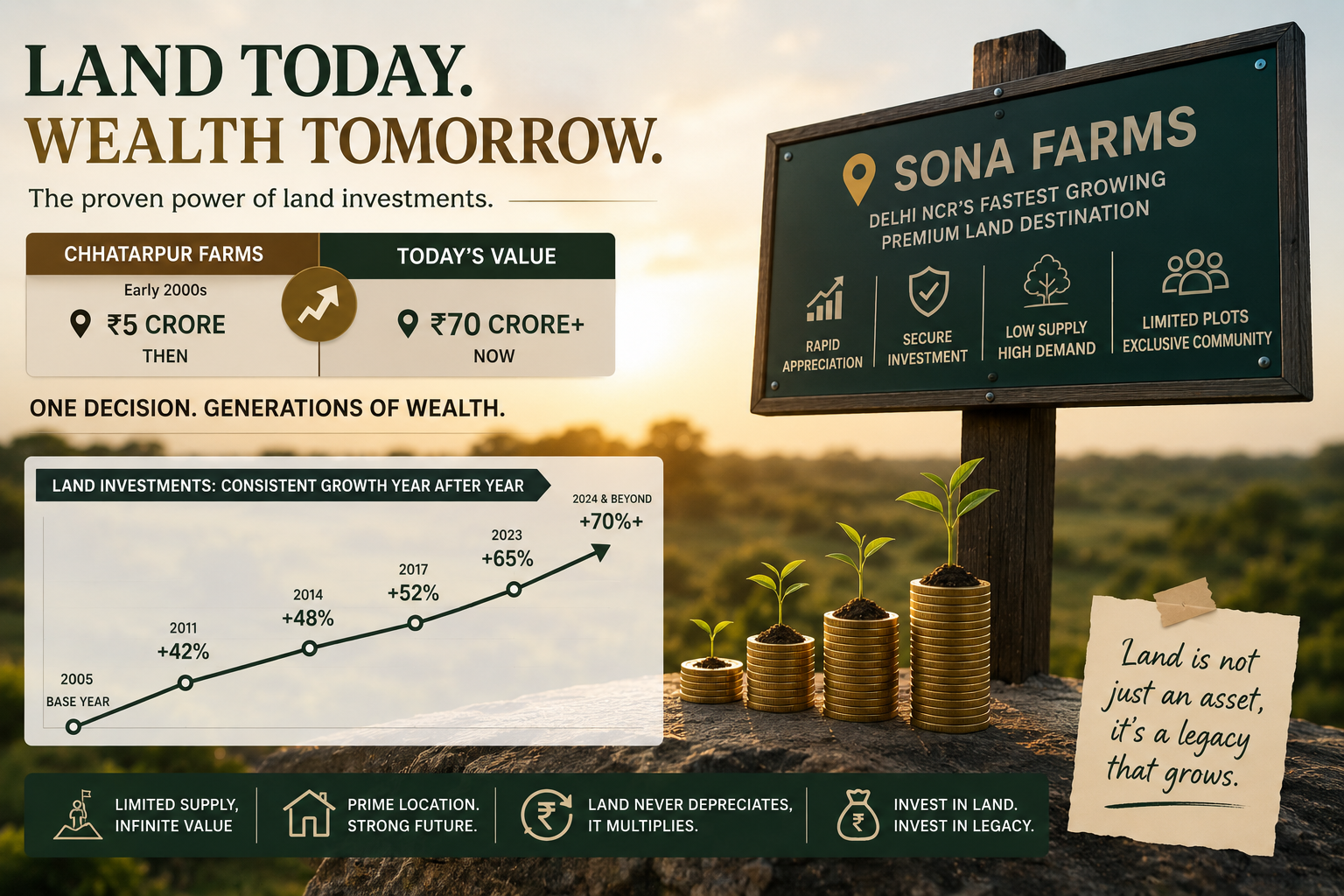
The ₹5 Crore Land Purchase That Became Worth ₹70 Crore
What the Story of DLF Chhatarpur Farms Reveals About Wealth Creation Through Premium Land Ownership
One short email. Stories you can use.
A free, occasional email from our editorial team with our latest features, explainers and reads. Unsubscribe any time — your email stays with us.