The Six-Figure Bargain Hunter Reshapes American Big-Box Economics
As higher-income households retain purchasing habits forged during recent price volatility, legacy discount giants are securing volume that discretionary merchants cannot replicate.

When Walmart delivered its recent operational disclosures, the most revealing metric was not total top-line revenue, but demographic migration: over three-quarters of its market share expansion stemmed from households earning upwards of $100,000 annually. A parallel pattern emerged at Costco, where renewal rates among affluent suburban cardholders remained near historical ceilings above 90 percent. What began two years ago as an instinctive defensive posture against cumulative grocery inflation has evolved into entrenched procurement behavior. American consumers who once viewed wholesale clubs and supercenters primarily as utilitarian discounters have permanently altered their weekly shopping loops.
This persistent realignment has established a pronounced gulf across the American retail sector. While Walmart and Costco convert heightened foot traffic into stable multi-category volume, Target has spent successive quarters navigating sluggish non-essential sales and inventory adjustments. The pressure reflects a fundamental shift in how discretionary dollars are parceled out. American shoppers are not necessarily destitute, but they have grown methodically defensive, ring-fencing essential grocery outlays at large-format discounters while pruning intermediate apparel and home décor expenditures.
The Grocery Anchor and the Discretionary Squeeze
The architectural advantage belongs decisively to merchants with dominant food businesses. Food and consumables represent well over half of Walmart’s domestic sales mix, functioning as an unyielding frequency engine that drives shoppers through physical aisles and mobile applications alike. Target, by contrast, derives the majority of its top line from discretionary merchandise—categories deeply vulnerable to consumer hesitation. When a household reduces purchases of decorative kitchenware or casual sportswear to absorb higher utility bills, the merchant lacking a formidable fresh-produce perimeter suffers immediate comparable-store erosion.
The domestic consumer balance sheet is not contracting uniformly; it is undergoing an aggressive structural reallocation toward essential bulk volume and algorithmic micro-spending.
Meanwhile, the perimeter of impulse spending has migrated away from physical store endcaps toward social-commerce discovery engines. Platforms such as TikTok Shop have effectively monetized small-ticket novelty items, capturing fractional discretionary dollars that once funded spontaneous department-store purchases. Conversely, logistical intermediaries such as Instacart face an increasingly price-conscious subscriber base that scrutinizes platform markups, delivery surcharges, and service fees against the raw savings of an in-person club run.
Courting the Converted Class
Recognizing that their newest demographic cohort may remain indefinitely, discounters are aggressively re-engineering their product assortments to lock in customer lifetime value. Walmart’s introduction of elevated private-label lines, featuring gourmet pantry items and clean-label packaging at accessible price points, represents an overt bid to prevent higher-income defectors from returning to specialty grocers. Simultaneously, Amazon has expanded automated fulfillment protocols to accelerate same-day perishable delivery, attempting to match the per-unit savings of suburban club stores without the friction of a weekend warehouse excursion.
The broader implication for the American consumer landscape is the erosion of retail’s middle ground. The inflationary shock did not merely depress purchasing power; it re-educated the most lucrative spending tiers of American households on the mathematical logic of the discount format. As economic growth moderates, merchants without a mandatory grocery franchise or an overwhelming logistics moat will find their traditional customer base permanently committed to the discount aisle.
News Legacy maintains editorial independence. Some recommendations may contain affiliate links. We earn from qualifying purchases at no additional cost to you. Read our policy.
Read Next

Is Sohna Really the Next Chhatarpur?
Three decades after Chhatarpur redrew South Delhi's map for space, privacy and exclusivity, a familiar pattern is now taking shape further south, and Sohna is where the smart money is beginning to look.
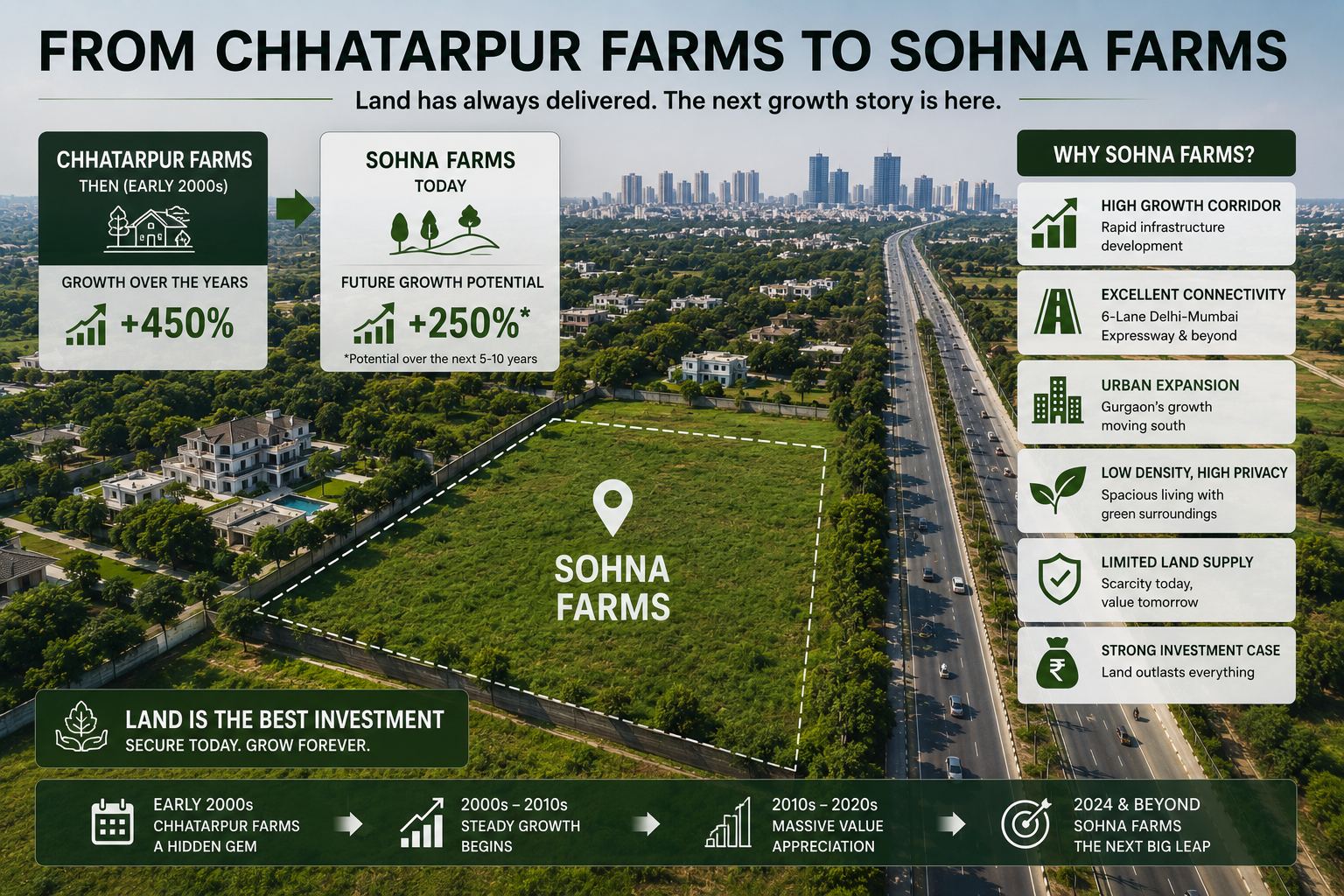
How Chhatarpur Farmhouses Created Multi-Crore Wealth for Early Buyers
What a quiet corner of South Delhi can teach investors about land, scarcity, and long-term wealth creation.
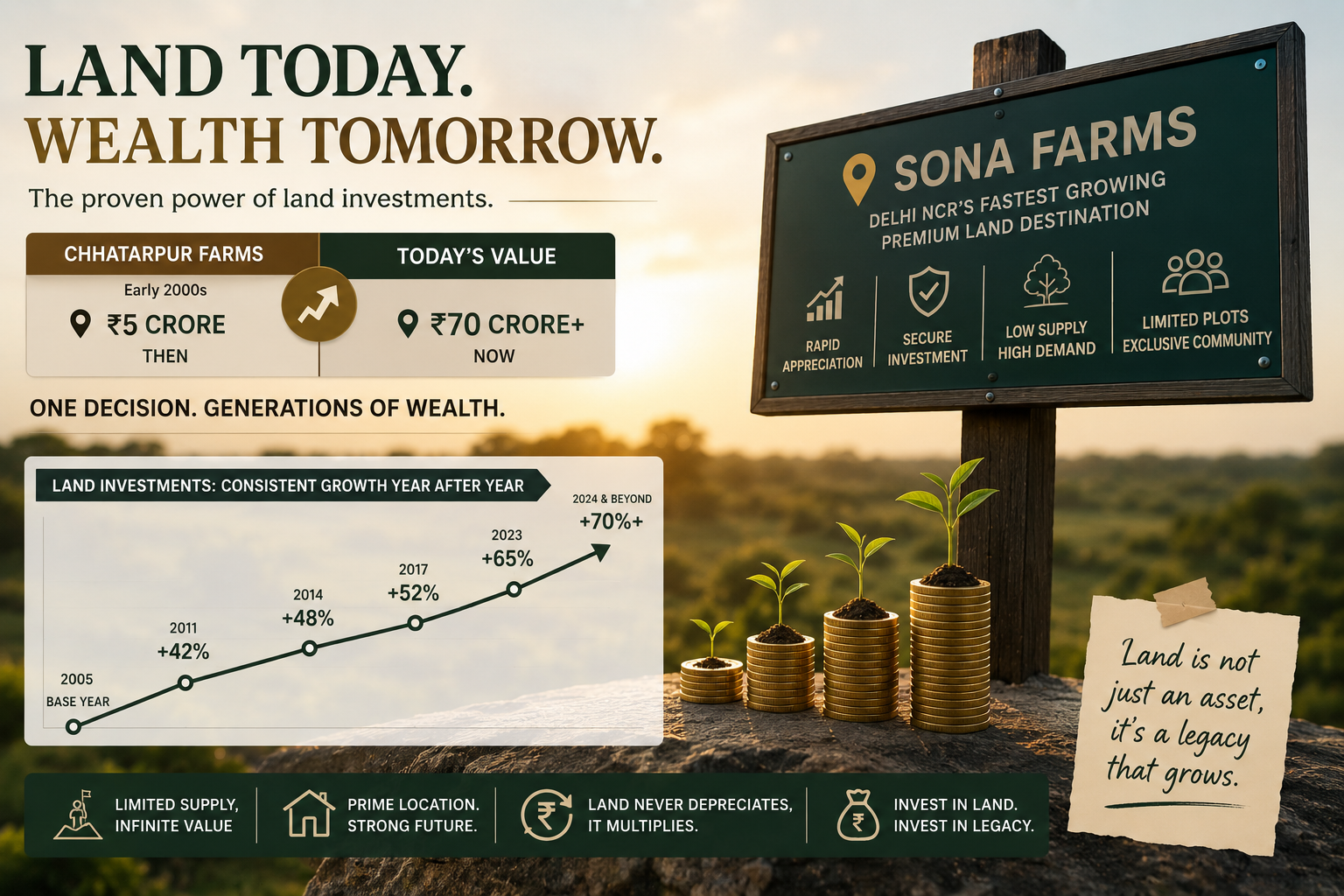
The ₹5 Crore Land Purchase That Became Worth ₹70 Crore
What the Story of DLF Chhatarpur Farms Reveals About Wealth Creation Through Premium Land Ownership
One short email. Stories you can use.
A free, occasional email from our editorial team with our latest features, explainers and reads. Unsubscribe any time — your email stays with us.