The Supper Club at Home: How British Grocers Are Cannibalising Casual Dining
As takeaway surcharges mount and hospitality bills bite, middle-income households are replacing restaurant bookings with upmarket supermarket bundles, tilting the high-street balance of power.

On a Friday evening in a south London branch of Marks & Spencer, the swiftest-moving inventory sits inside the refrigerated cabinets housing £12 restaurant-style meal bundles. Comparable patterns are visible across Sainsbury’s and Tesco, where proprietary premium labels—Taste the Difference and Tesco Finest—are generating volume resilience that outpaces baseline grocery lines. With a modest three-course dinner for two in provincial towns now routinely clearing £60, and pushing £90 across urban centres, Britain's squeezed households have engineered a decisive retreat: abandoning mid-market casual dining and couriered takeaways in favour of structured domestic indulgence.
The Delivery Surcharge Reckoning
On-demand platforms such as Deliveroo and Just Eat are bearing the brunt of this behavioural realignment. What gained widespread adoption during pandemic restrictions as an effortless treat has increasingly fallen out of favour under the weight of compounding transaction charges, rider fees, and platform menu markups that often stand 15 to 25 per cent higher than counter prices. A delivered supper for a family of four seldom settles below £45. For consumers managing recurring mortgage refinancing shocks and elevated council levies, this tariff on convenience has breached a distinct psychological tolerance ceiling.
Rather than capitulating to pure austerity, however, consumers are exercising a selective frugality. Shoppers frequently purchase staple goods—tinned pulses, baseline dairy, cleaning agents—at deep discounters or within grocers' value tiers, freeing capital to acquire top-tier ready meals and premium chilled sides. Ocado has registered similar dynamics, noting that customer retention often hinges on bundled domestic dining offers, while takeaway couriers attempt to stem order drop-offs through expanded convenience-store partnerships and discounted subscription tiers.
Engineering the Premium Basket
The contemporary supermarket meal bundle is no longer an exercise in penny-pinching; it has become an engineered prestige product designed to supplant the local bistro.
This shift delivers outsized benefits to grocers' operating margins. While branded consumer packaged goods endure fierce margin compression, proprietary premium ready meals yield dependable returns. Supermarket product teams have demonstrated notable dexterity in replicating high-street trends, introducing dry-aged steaks, restaurant-grade flatbreads, and slow-cooked confit dishes that undercut restaurant bills by nearly two-thirds while demanding minimal domestic preparation.
The reverberations extend well beyond food retailing. Multi-category heavyweights like Next have weathered shifting expenditure patterns by capitalising on homeware and tableware demand as social life migrates indoors. Conversely, digital apparel specialists like ASOS face indirect headwinds: wardrobe refreshes linked to weekend pub outings and dinner reservations lose urgency when consumer leisure time centres on the living room.
For the wider British hospitality sector, the implications are severe. Independent establishments, already contending with rising national living wage commitments, elevated energy tariffs, and impending business rate adjustments, are competing against distribution networks of unmatched scale. Supermarkets have successfully monetised the domestic hearth, turning what was once a routine evening at home into the high street's most formidable commercial rival.
News Legacy maintains editorial independence. Some recommendations may contain affiliate links. We earn from qualifying purchases at no additional cost to you. Read our policy.
Read Next

Is Sohna Really the Next Chhatarpur?
Three decades after Chhatarpur redrew South Delhi's map for space, privacy and exclusivity, a familiar pattern is now taking shape further south, and Sohna is where the smart money is beginning to look.
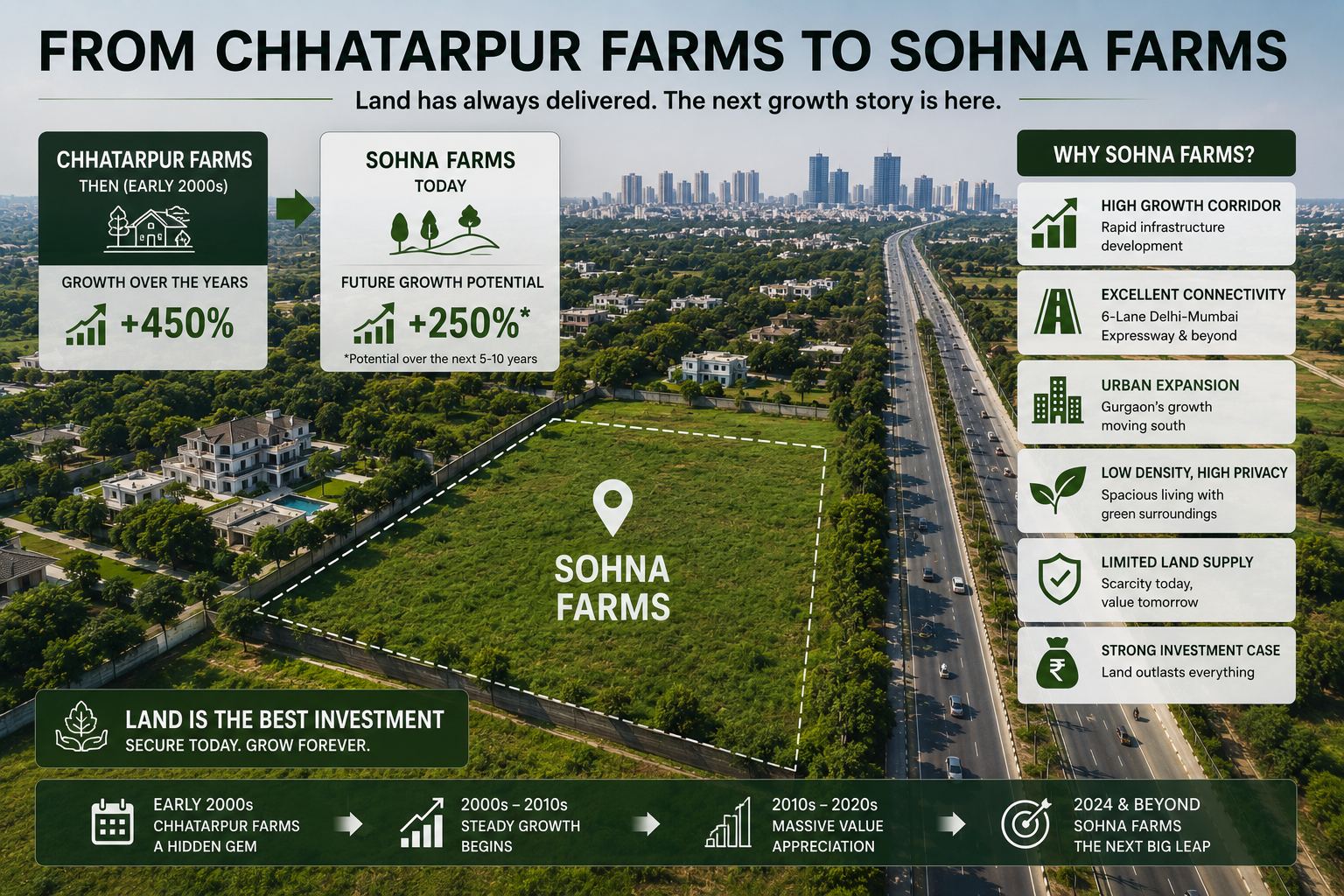
How Chhatarpur Farmhouses Created Multi-Crore Wealth for Early Buyers
What a quiet corner of South Delhi can teach investors about land, scarcity, and long-term wealth creation.
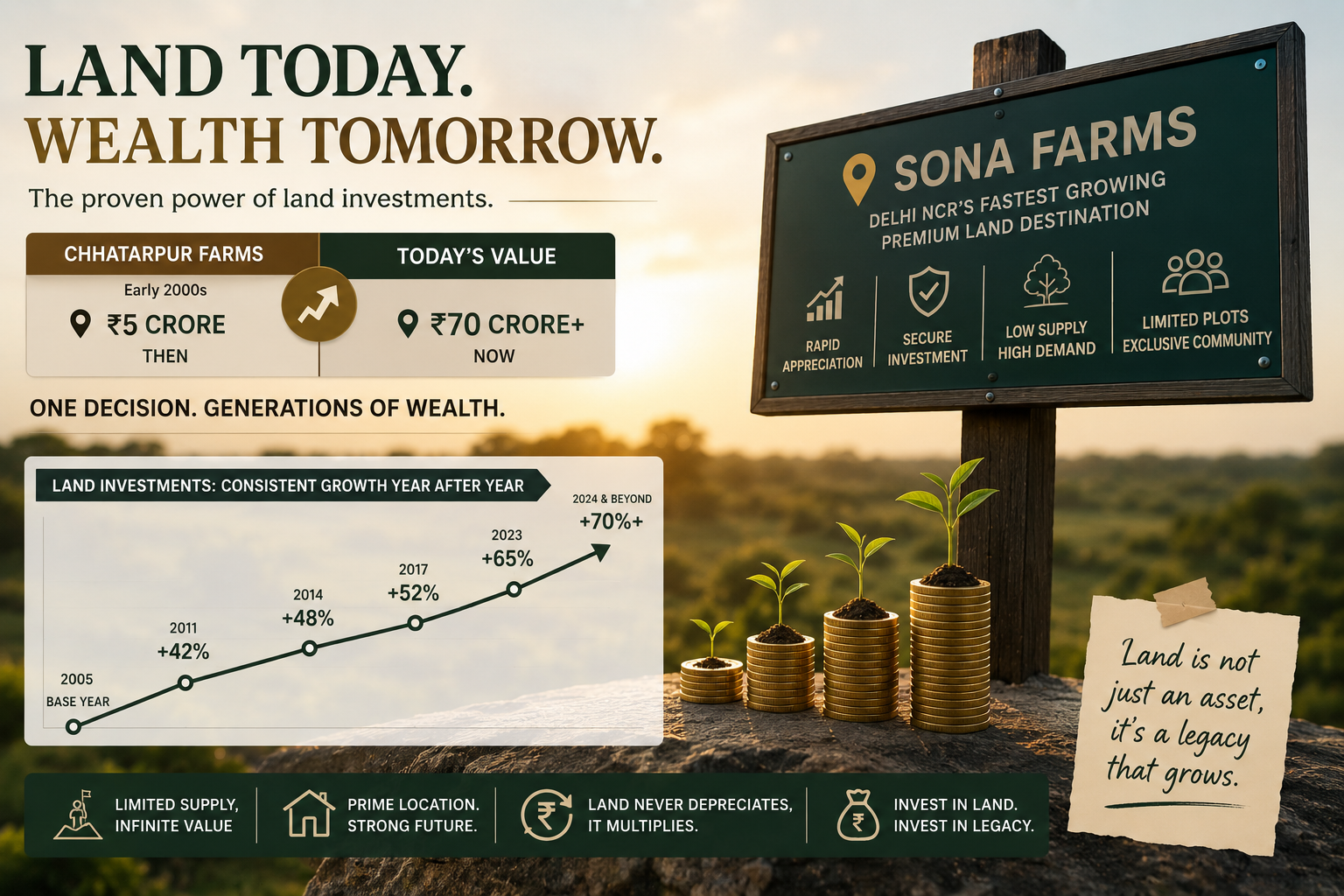
The ₹5 Crore Land Purchase That Became Worth ₹70 Crore
What the Story of DLF Chhatarpur Farms Reveals About Wealth Creation Through Premium Land Ownership
One short email. Stories you can use.
A free, occasional email from our editorial team with our latest features, explainers and reads. Unsubscribe any time — your email stays with us.