The Sustained Squeeze: UK Consumers Reshape Retail Landscape
Persistent inflationary pressures and elevated interest rates are driving fundamental shifts in how British households allocate their spending, compelling retailers to adapt strategies for a value-conscious market.

A recent stroll through the aisles of a Tesco Extra store in outer London reveals more than just seasonal promotions; it underscores a profound recalibration of consumer priorities. Shoppers are meticulously comparing unit prices, gravitating towards own-brand labels, and demonstrably reducing discretionary purchases. This granular shift in buying habits, replicated across the country, is not a transient response to a fleeting economic downturn but rather a solidified behaviour reshaping the UK retail sector.
The data supports this observational evidence. While the rate of inflation has moderated from its peak, the cumulative effect on household budgets remains substantial. Average weekly earnings have not kept pace with the sustained increase in the cost of living, prompting a fundamental re-evaluation of spending patterns for millions of households. This environment has amplified the appeal of discounters and value-oriented propositions.
The Ascendance of Value Offerings
Retailers like Aldi and Lidl continue to capture market share from the traditional 'big four' grocers. Sainsbury's and Tesco have responded by expanding their 'Aldi Price Match' campaigns and investing heavily in their own-brand ranges, often to the detriment of national brands. This strategic pivot acknowledges that price, more than ever, is the primary driver for a significant segment of the consumer base. Even within non-food retail, the narrative is similar; consumers are deferring larger purchases and seeking longer-lasting, more economical options.
Online fashion retailers also face this pressure. While ASOS and Next maintain strong presences, the market is becoming increasingly competitive, with consumers scrutinising value and durability. The era of impulse buying, particularly for non-essentials, has been significantly curtailed as household budgets remain under duress.
The enduring economic uncertainty means that 'value' is no longer a niche proposition but a central pillar of retail strategy across almost all sectors.
The Delivery Paradox: Convenience Meets Cost
The pandemic-era surge in rapid grocery and takeaway delivery services, exemplified by Deliveroo and Just Eat, established a new benchmark for convenience. However, as consumers tighten their belts, the discretionary spend on delivery fees and marked-up product prices is increasingly being questioned. While the convenience remains attractive, the cost is proving prohibitive for many, leading to a moderation in the growth rates of these platforms.
Ocado, for instance, has demonstrated resilience by focusing on its service quality and broader range, yet the overall market for premium online grocery delivery faces a more discerning customer base. Consumers are increasingly opting for click-and-collect services or consolidating larger, less frequent online grocery orders to minimise delivery charges, thereby balancing convenience with fiscal prudence. This suggests a continued evolution in how digital channels are utilised by a value-conscious public.
Marks & Spencer, navigating its own unique position, has been strategically balancing its premium offering with increasing its value perception, particularly in its food halls. The company's focus on quality own-brand items and occasional price-match initiatives reflects an understanding that even its affluent customer base is not entirely immune to the prevailing economic sentiment. This nuanced approach underscores the broad impact of current economic conditions across the entire retail spectrum in the United Kingdom.
News Legacy maintains editorial independence. Some recommendations may contain affiliate links. We earn from qualifying purchases at no additional cost to you. Read our policy.
Read Next
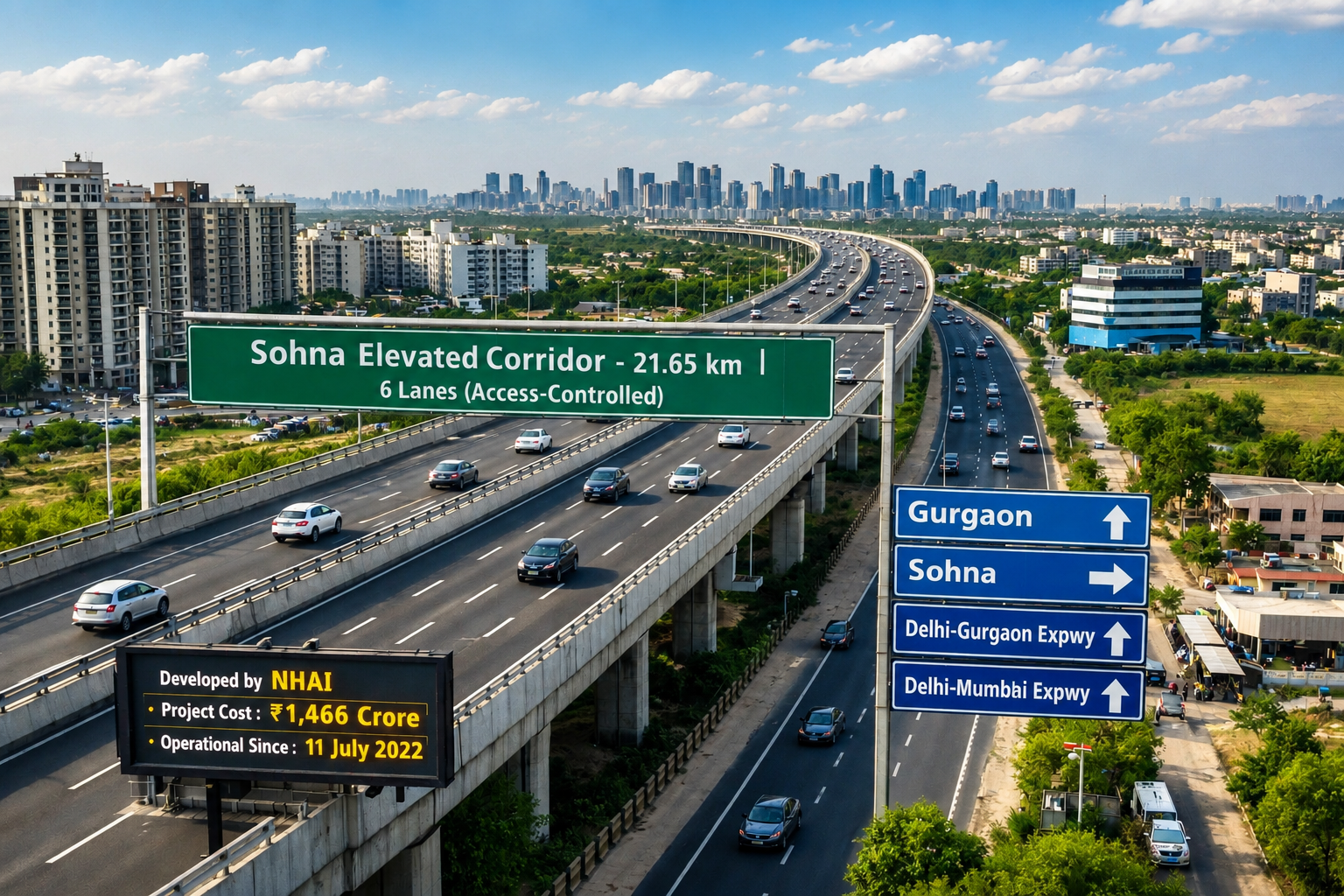
Is Sohna Really the Next Chhatarpur?
Three decades after Chhatarpur redrew South Delhi's map for space, privacy and exclusivity, a familiar pattern is now taking shape further south, and Sohna is where the smart money is beginning to look.
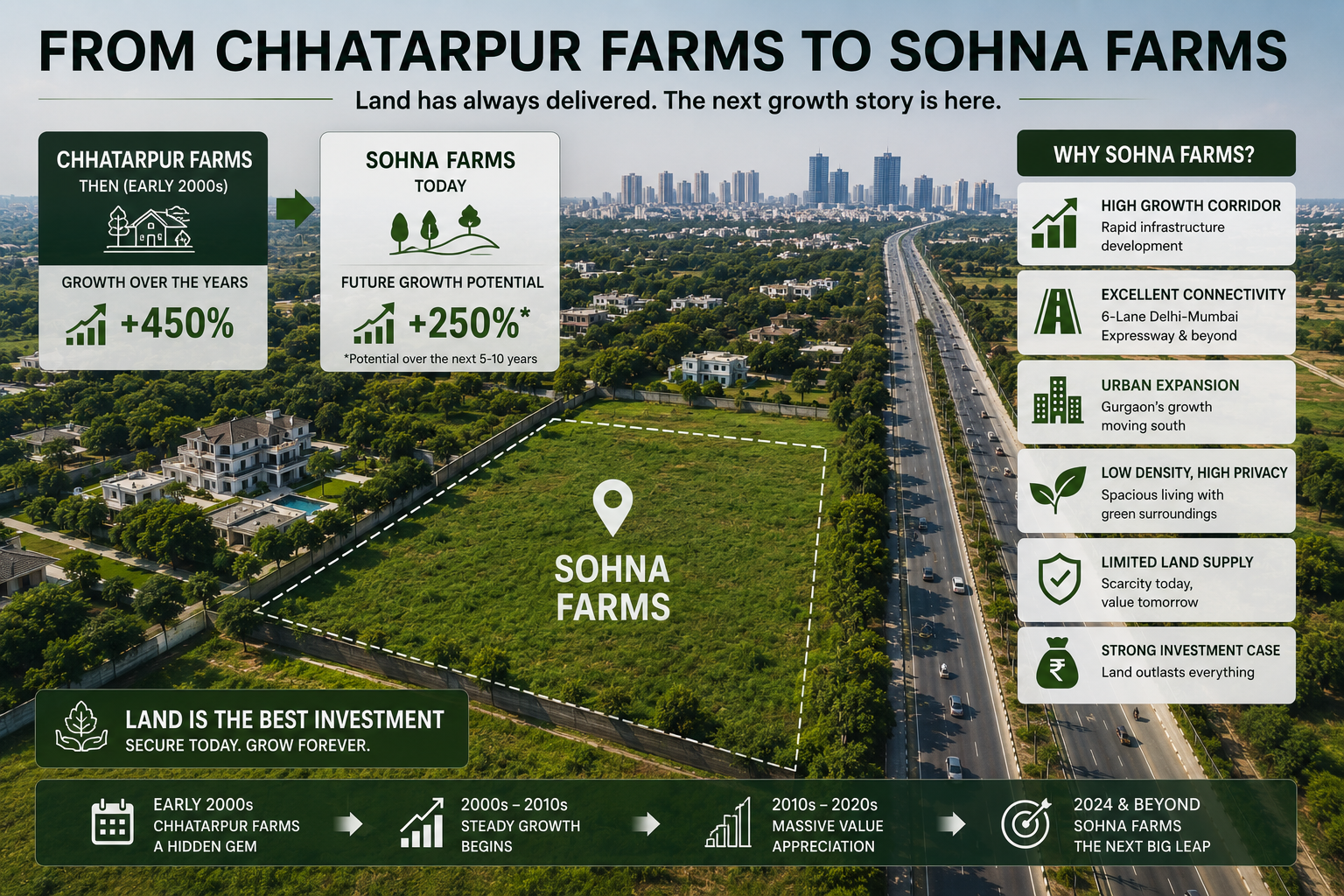
How Chhatarpur Farmhouses Created Multi-Crore Wealth for Early Buyers
What a quiet corner of South Delhi can teach investors about land, scarcity, and long-term wealth creation.
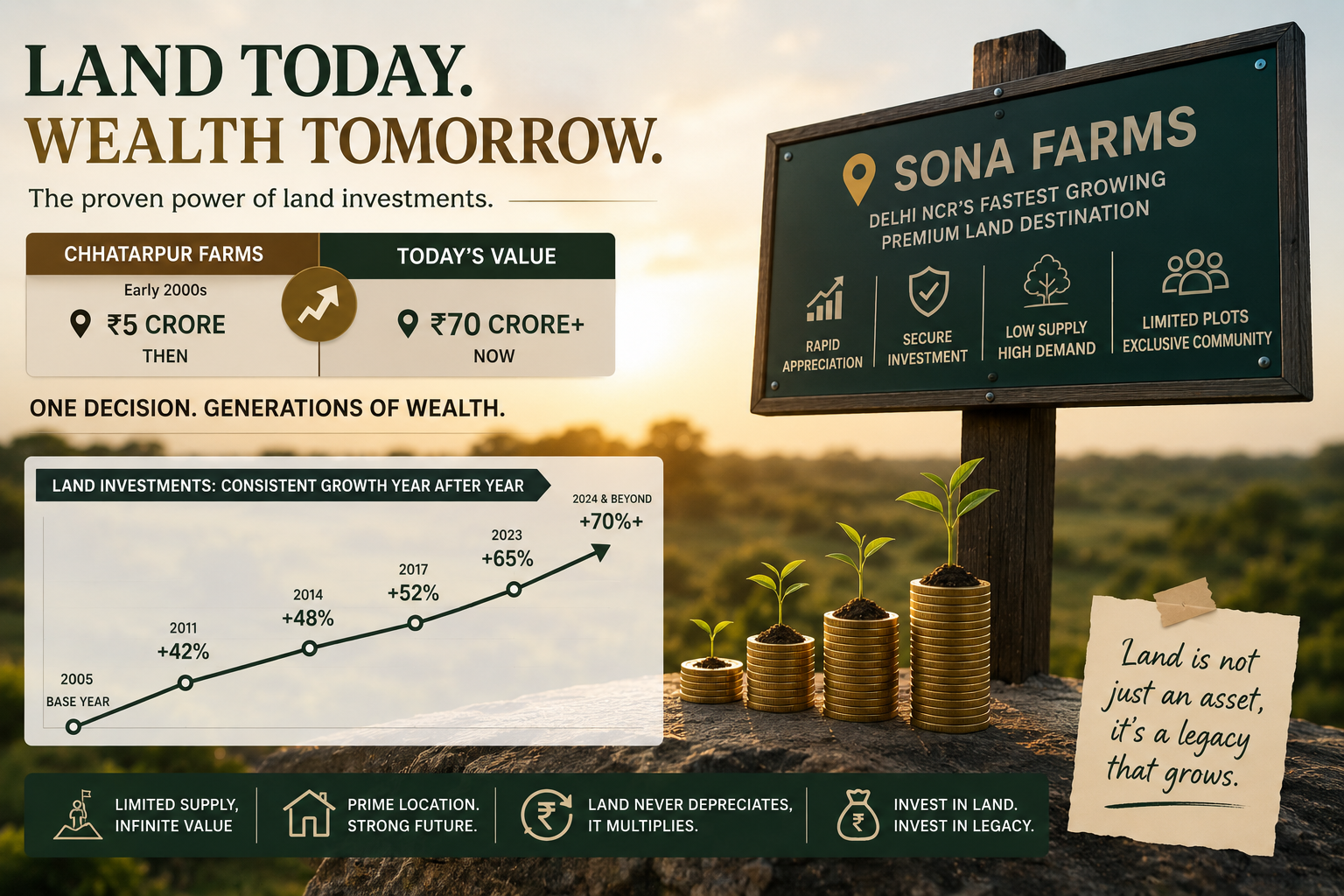
The ₹5 Crore Land Purchase That Became Worth ₹70 Crore
What the Story of DLF Chhatarpur Farms Reveals About Wealth Creation Through Premium Land Ownership
One short email. Stories you can use.
A free, occasional email from our editorial team with our latest features, explainers and reads. Unsubscribe any time — your email stays with us.