The Takeaway Retreat: How Britain's Grocers Captured Friday Night
Saddled with app surcharges and restaurant inflation, British households are abandoning couriered meals in favour of premium supermarket dine-in deals, altering the geography of evening spending.

On a rain-slicked Friday evening along an outer London high street, the queue of mopeds outside an independent burger kitchen has thinned to two idling couriers, while twenty yards away the Marks & Spencer food hall is doing brisk trade at the chilled meal fixture. The contrast illustrates a quiet yet consequential reallocation of British disposable income: after nearly a decade of ceding the domestic dinner hour to platform delivery services, traditional food retailers have decisively reclaimed the Friday night budget.
The arithmetic behind this shift is unsparing. A standard two-person curry or burger order placed through Deliveroo or Just Eat routinely reaches £35 to £42 once delivery surcharges, platform service fees, packaging levies, and the inflated base menu prices typical of delivery apps are accounted for. By contrast, premium supermarket bundles—anchored by Marks & Spencer's Gastropub range, Tesco Finest, and Sainsbury's Taste the Difference—provide two main courses, sides, and frequently a bottle of wine or dessert for between £12 and £15. For households navigating elevated mortgage renewals and council tax increases, the convenience premium demanded by digital aggregators has crossed from negligible friction into unsustainable luxury.
The Economics of Surcharge Fatigue
Delivery platforms have spent two years attempting to insulate themselves against this fatigue, expanding into rapid grocery distribution with partner supermarkets and introducing subscription loyalty tiers to waive drop-off fees. Yet underlying order frequency in takeaway food has softened across Britain. When discretionary cash contracts, consumers rarely eliminate leisure entirely; instead, they alter the venue of compromise. The weekly takeaway has been supplanted by an elevated home-cooked alternative that preserves the psychological reward of a treat without the accompanying bill shock.
The high street takeaway was built on convenience at a modest premium; once the platform fee structure turned a casual dinner into a considered luxury, the supermarket aisle reasserted its advantage.
Supermarket operators recognized this opening early and adjusted their supply chains accordingly. Rather than competing solely on cut-price volume against German discounters Aldi and Lidl, established grocers invested heavily in product development. Ocado has expanded dedicated chill space for prepared dining kits, while Sainsbury's has repeatedly retooled its evening meal promotions to simulate restaurant menus, swapping out standard ready meals for slow-braised meats, restaurant-calibre sides, and distinct regional flavour profiles.
Cross-Sector Discretionary Squeeze
This defensive posture among consumers mirrors wider retail patterns across the United Kingdom. Apparel merchants such as Next and ASOS have recorded more selective basket construction, with shoppers deferring speculative fashion purchases while protecting core lifestyle expenditure. The difference is that within food retail, the incumbent grocers have captured spending directly shed by another industry—namely, middle-tier casual dining and the platform intermediaries that service it.
The consequence for delivery operators is a forced evolution. Platforms that once pitched themselves as the indispensable operating system for neighbourhood restaurants are now competing aggressively for grocers' own shelf stock, functioning as last-mile logistics providers for the very retailers undercutting their core restaurant partners. So long as the gap between a couriered paper bag and a high-end chilled tray remains north of twenty pounds, the supermarket food hall will continue to govern Britain's weekend supper.
News Legacy maintains editorial independence. Some recommendations may contain affiliate links. We earn from qualifying purchases at no additional cost to you. Read our policy.
Read Next
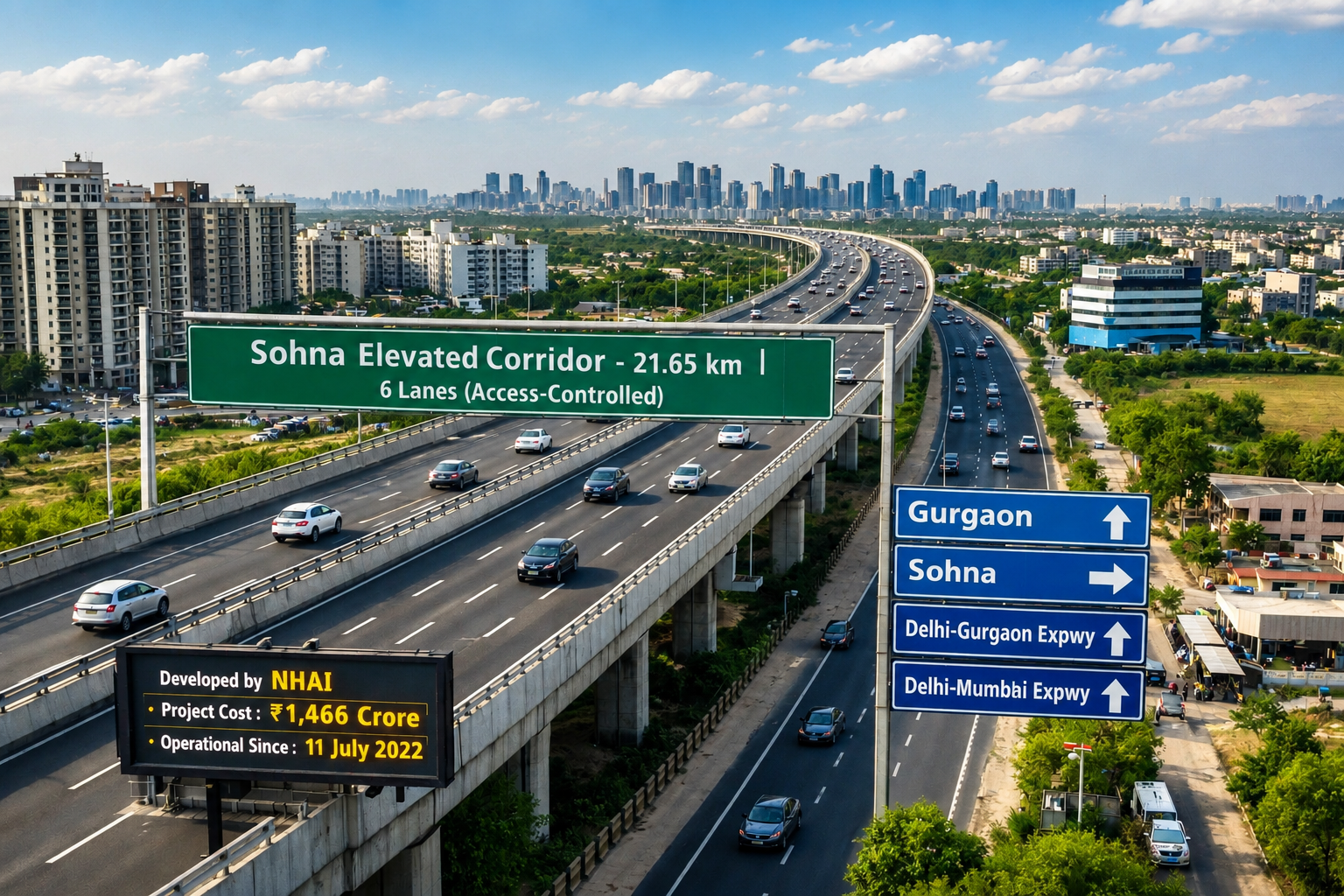
Is Sohna Really the Next Chhatarpur?
Three decades after Chhatarpur redrew South Delhi's map for space, privacy and exclusivity, a familiar pattern is now taking shape further south, and Sohna is where the smart money is beginning to look.
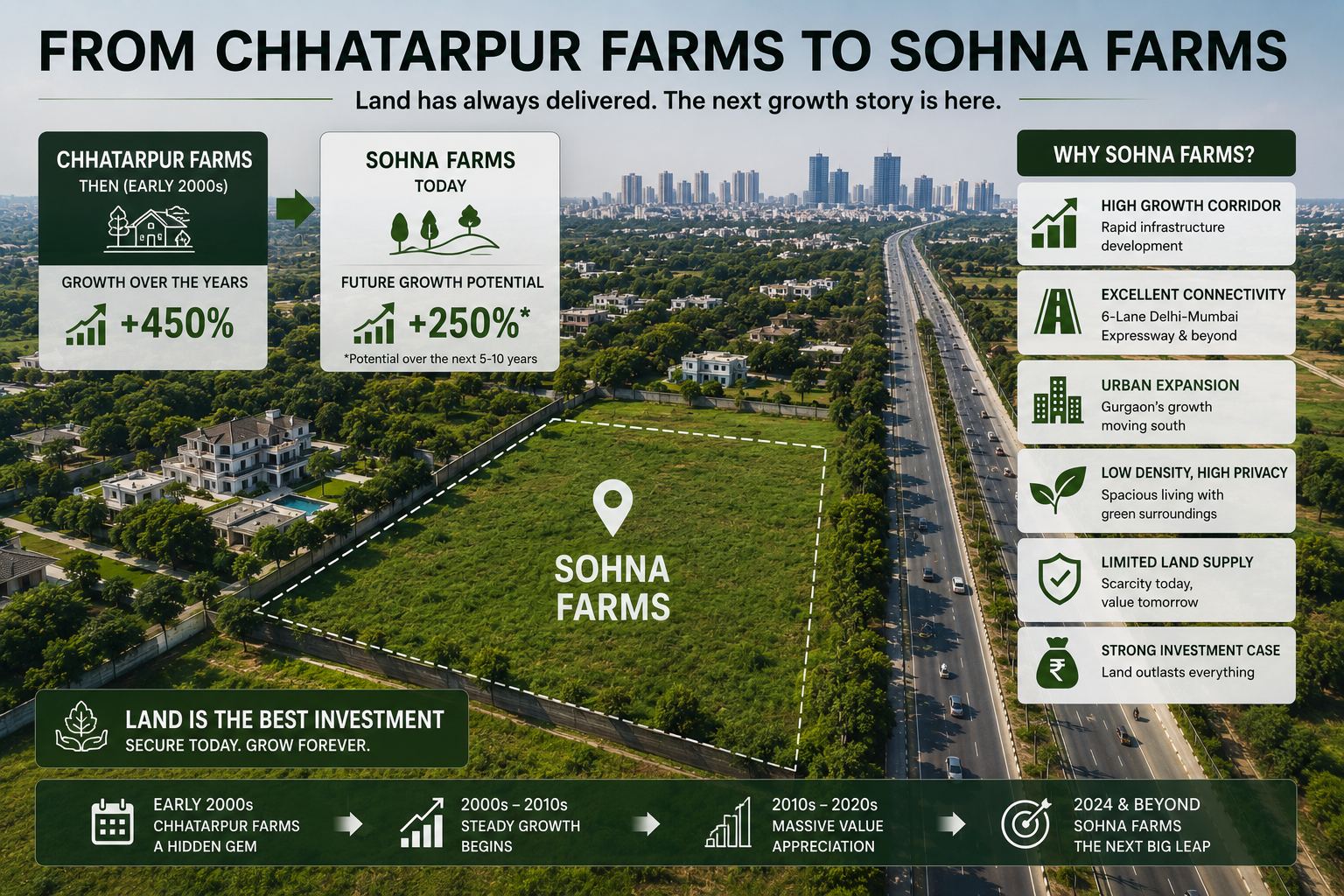
How Chhatarpur Farmhouses Created Multi-Crore Wealth for Early Buyers
What a quiet corner of South Delhi can teach investors about land, scarcity, and long-term wealth creation.
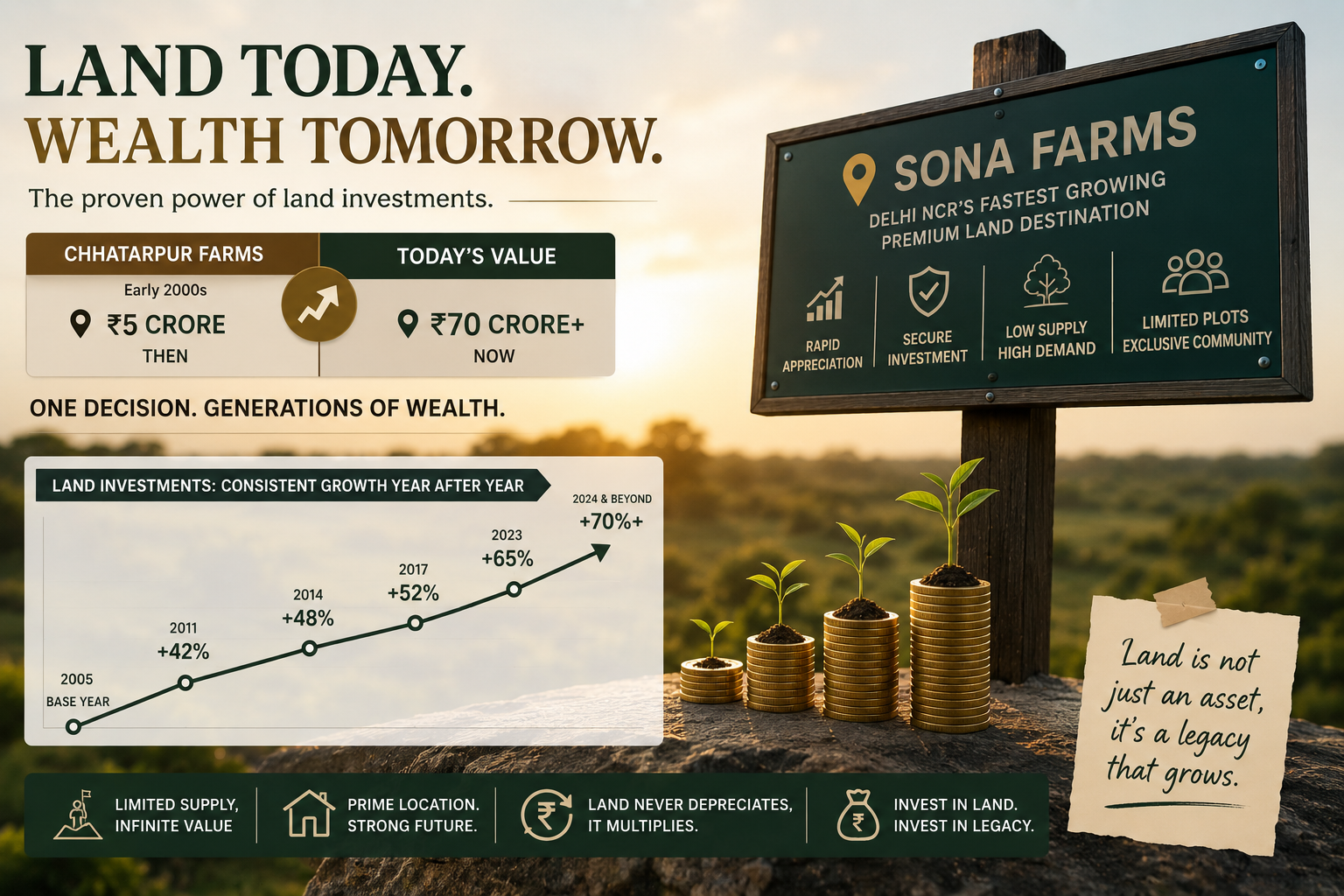
The ₹5 Crore Land Purchase That Became Worth ₹70 Crore
What the Story of DLF Chhatarpur Farms Reveals About Wealth Creation Through Premium Land Ownership
One short email. Stories you can use.
A free, occasional email from our editorial team with our latest features, explainers and reads. Unsubscribe any time — your email stays with us.