The Two-Tier Shelf: How Gated Grocery Pricing Dismantled Britain's Democratic Basket
By tying basic discounts to smartphone apps and loyalty tokens, British supermarkets have turned the routine food shop into a condition of data compliance.

Walk into any urban Sainsbury’s Local or suburban Tesco Extra, and the primary visual feature of the aisle is no longer the price of bread or milk, but a bright secondary placard demanding a barcode scan. What began as a defensive retention tactic during the inflationary surges of recent years has hardened into the permanent architecture of British food commerce. For decades, the supermarket shelf maintained an implicit civic neutrality: goods carried a single price in pound sterling, payable by anyone with cash or card. Today, a shopper declining to surrender their purchasing history pays an arbitrary surcharge of twenty to thirty per cent on everyday staples.
The financial imperative behind this transformation is unmistakable. By locking competitive pricing behind Tesco Clubcard and Sainsbury’s Nectar schemes, Britain’s two largest grocers have successfully stemmed customer defection to Aldi and Lidl. More significantly, the mechanism feeds high-margin retail media networks. These divisions package granular till receipts into data assets, selling shelf telemetry back to packaged-goods conglomerates. In an industry where operating margins notoriously hover between two and four per cent, turning the weekly grocery run into an ad-targeting engine provides indispensable balance-sheet resilience.
The weaponisation of the loyalty barcode
Yet this shift has profoundly altered consumer psychology on the British high street. Promotional offers were historically straightforward volume discounts funded jointly by brand and grocer; now, they function as gated tolls. Consumer advocates have repeatedly noted that the standard non-member prices across dozens of categories appear quietly elevated, exaggerating the apparent discount for compliant members. The friction spills over into rapid delivery: platforms like Deliveroo and Just Eat host branded supermarket storefronts, but the pricing discrepancy between rapid fulfilment, standard shelf prices, and loyalty tariffs creates an increasingly fragmented tariff landscape for households under pressure.
Even Ocado, whose affluent customer base once insulated it from aggressive promotional mechanics, has been compelled to deploy direct price-matching against Tesco to deflect accusations of uncompetitive inflation. Meanwhile, inside physical stores, operational friction accumulates at the self-checkout banks. Queues stall as shoppers navigate dead mobile signals beneath steel warehouse roofs, attempting to load digital cards merely to avoid paying an exorbitant baseline rate on tea bags or cooking oil.
The weekly food shop was historically the most egalitarian ritual left in British public life; member pricing has reduced it to an algorithmic tax on privacy.
The high-street resistance
The ubiquitous barcode scan has, however, opened a distinct competitive flank for those willing to resist it. Marks & Spencer, enjoying a sustained renaissance across its food halls, has deliberately steered clear of hard two-tier pricing. While its Sparks programme tracks preferences and dispenses periodic personalised tokens, the shelf-edge price remains identical for every customer. By preserving a uniform tariff, M&S has reinforced its brand equity around reliability and straightforward value, capturing disillusioned middle-class custom from rivals whose stores feel increasingly coercive.
A parallel discipline is visible in non-food retail. Next has maintained its standing as the most dependable operator on the high street precisely by resisting the promotional gimmickry that derailed pureplay e-commerce rivals. While ASOS and similar apparel platforms scrambled to shore up balance sheets through paid delivery memberships and punitive returns fees, Next protected core profitability by keeping the transactional contract predictable and transparent across both physical and digital channels.
British retail is navigating a profound divergence in merchant philosophy. As the Competition and Markets Authority continues to scrutinise the transparency of loyalty pricing, grocers face a subtle reckoning. The harvest of rich consumer telemetry has delivered immediate commercial dividends, but it has done so by eroding the baseline goodwill of the checkout queue. In commercial culture, trust is notoriously difficult to rebuild once consumers begin to feel that their local grocer treats them not as customers, but as captive data assets.
News Legacy maintains editorial independence. Some recommendations may contain affiliate links. We earn from qualifying purchases at no additional cost to you. Read our policy.
Read Next
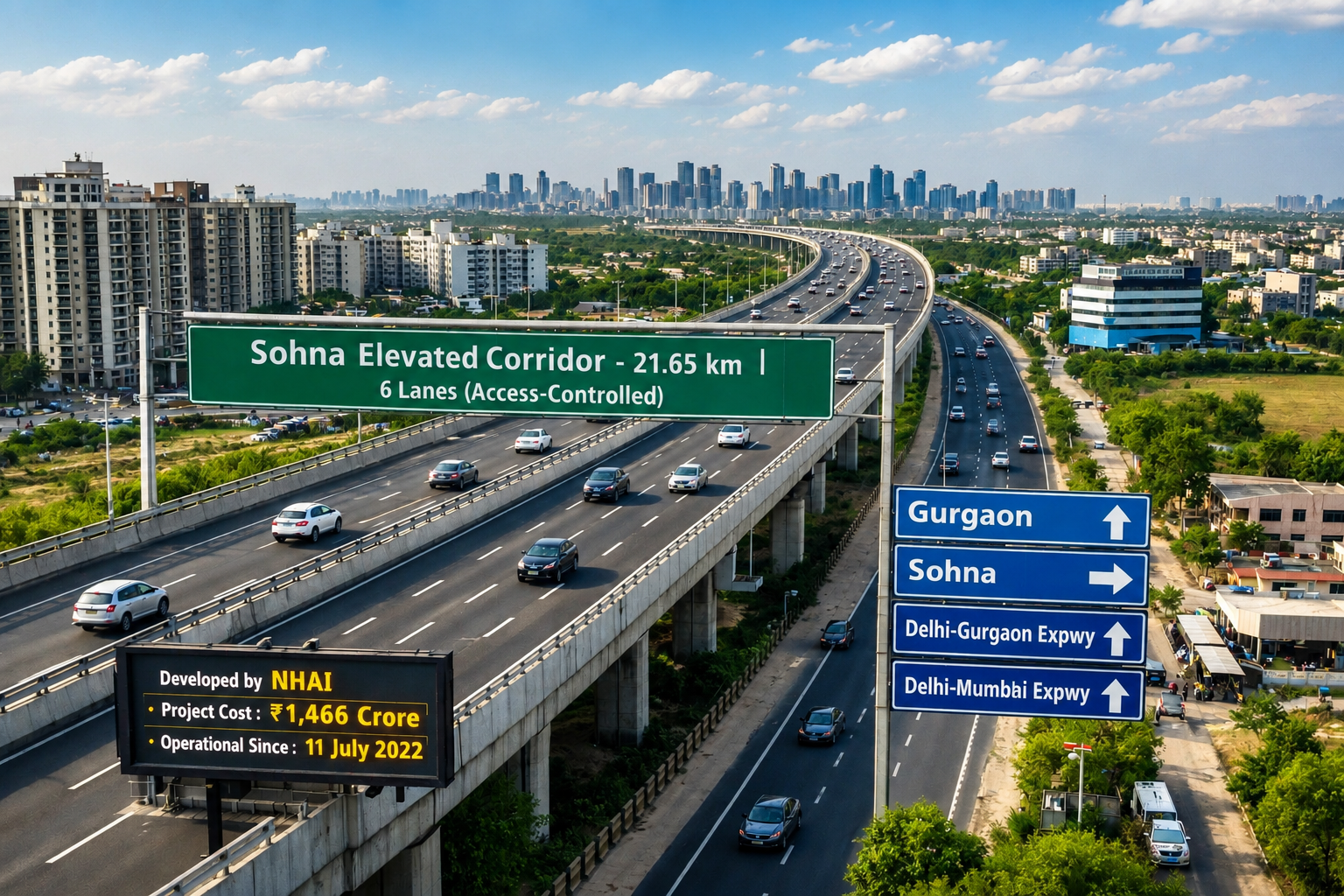
Is Sohna Really the Next Chhatarpur?
Three decades after Chhatarpur redrew South Delhi's map for space, privacy and exclusivity, a familiar pattern is now taking shape further south, and Sohna is where the smart money is beginning to look.
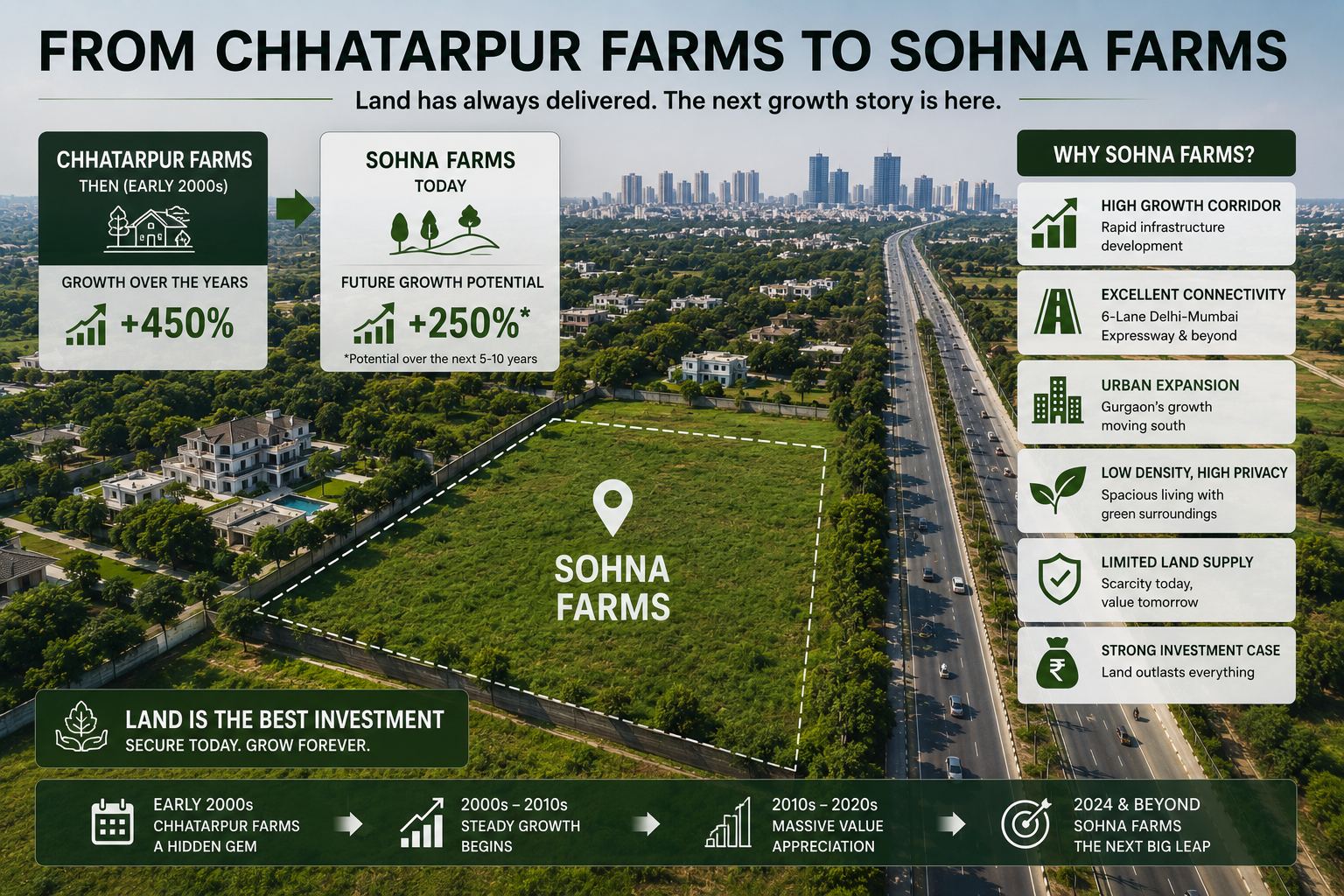
How Chhatarpur Farmhouses Created Multi-Crore Wealth for Early Buyers
What a quiet corner of South Delhi can teach investors about land, scarcity, and long-term wealth creation.

The ₹5 Crore Land Purchase That Became Worth ₹70 Crore
What the Story of DLF Chhatarpur Farms Reveals About Wealth Creation Through Premium Land Ownership
One short email. Stories you can use.
A free, occasional email from our editorial team with our latest features, explainers and reads. Unsubscribe any time — your email stays with us.