The UK Retail Paradox: Inflationary Pressures Meet Selective Consumer Resilience
Despite persistent cost-of-living challenges, British consumers are exhibiting nuanced spending patterns, compelling retailers to recalibrate strategies amid a landscape defined by value and experience.

A recent stroll through a central London Sainsbury's reveals shelves stocked, but also a subtle shift in shopper behaviour: fewer impulse buys, more emphasis on own-brand labels, and a discernible focus on essential categories. This micro-observation reflects a broader macroeconomic narrative unfolding across the United Kingdom, where inflationary pressures continue to reshape how and where households allocate their disposable income. Understanding these evolving dynamics is critical for any enterprise navigating the contemporary retail environment.
For months, the headline figures have painted a picture of economic constraint. The Bank of England's efforts to curb inflation, while showing signs of efficacy, have concurrently tightened lending and increased mortgage burdens for millions. This financial squeeze has had a direct, albeit uneven, impact on consumer confidence. Discretionary spending, particularly in sectors perceived as non-essential, has faced considerable headwinds, yet certain segments of the market continue to demonstrate unexpected buoyancy.
The Diverging Fortunes of the High Street
Traditional brick-and-mortar retailers present a mixed bag of results. Operators like Next have demonstrated a remarkable ability to navigate these crosscurrents, leveraging robust online platforms and disciplined inventory management to maintain profitability. Their recent half-year results, showing marginal but consistent growth, contrast sharply with the struggles of other high-street staples. Marks & Spencer, for instance, has embarked on an ambitious transformation, streamlining its food and clothing offerings to appeal to a value-conscious yet quality-seeking demographic.
Conversely, online pure-plays have encountered their own set of challenges. ASOS, once a darling of fast fashion, has grappled with mounting returns, supply chain inefficiencies, and a shift in consumer appetite towards more durable or experiential purchases. This illustrates that digital presence alone is no longer a guarantee of success; fundamental operational efficiency and a clear value proposition remain paramount.
The grocery sector offers a compelling microcosm of these trends. Tesco and Sainsbury's, the dominant players, have keenly felt the competitive heat from discounters like Aldi and Lidl. Both major supermarkets have invested heavily in price matching schemes and expanding their own-brand ranges, effectively acknowledging the pervasive consumer demand for affordability. Data from Kantar suggests that while overall grocery spend has increased in monetary terms, much of this is inflation-driven, with volume growth remaining subdued.
The British consumer has not simply stopped spending; rather, they have become acutely discerning, prioritising value and utility with unprecedented rigour.
Technology and Delivery: A Double-Edged Sword
The pandemic-induced acceleration of online delivery services has become a permanent fixture in the UK retail landscape. Companies like Ocado, Deliveroo, and Just Eat have seen sustained demand, yet profitability remains a significant hurdle for many. The intense competition, coupled with rising operational costs including fuel and labour, means that the economic model for rapid delivery is constantly under review. Consumers, having grown accustomed to convenience, are increasingly sensitive to delivery fees and minimum order values, forcing platforms to innovate their pricing structures and service offerings.
Looking forward, the outlook remains cautiously optimistic, albeit with significant regional and demographic variations. Retailers that can effectively balance price competitiveness with a compelling customer experience, whether online or in person, are best positioned to thrive. The British market is not shrinking, but it is certainly evolving, demanding agility and a precise understanding of a consumer base that is more empowered and selective than ever before.
News Legacy maintains editorial independence. Some recommendations may contain affiliate links. We earn from qualifying purchases at no additional cost to you. Read our policy.
Read Next
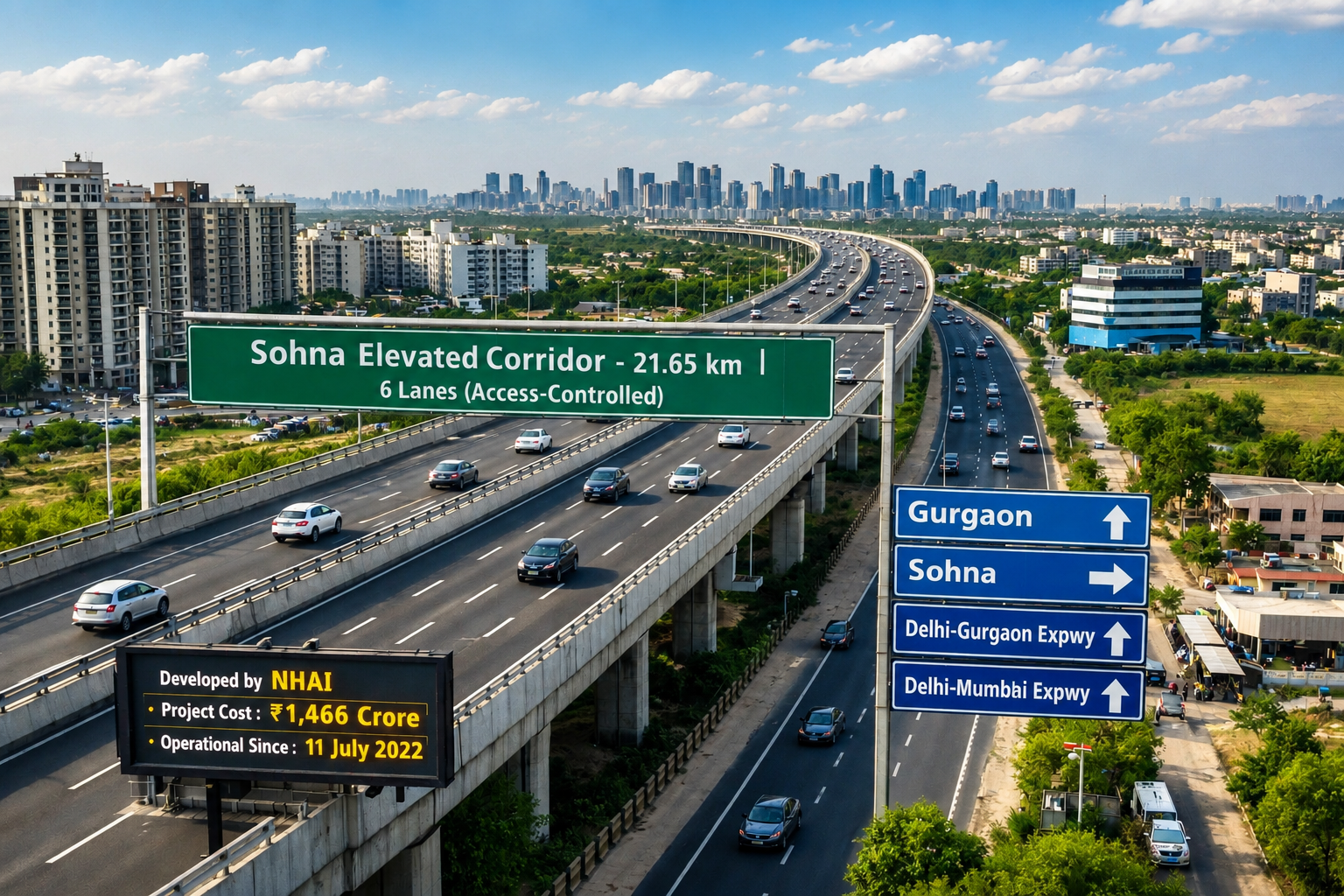
Is Sohna Really the Next Chhatarpur?
Three decades after Chhatarpur redrew South Delhi's map for space, privacy and exclusivity, a familiar pattern is now taking shape further south, and Sohna is where the smart money is beginning to look.
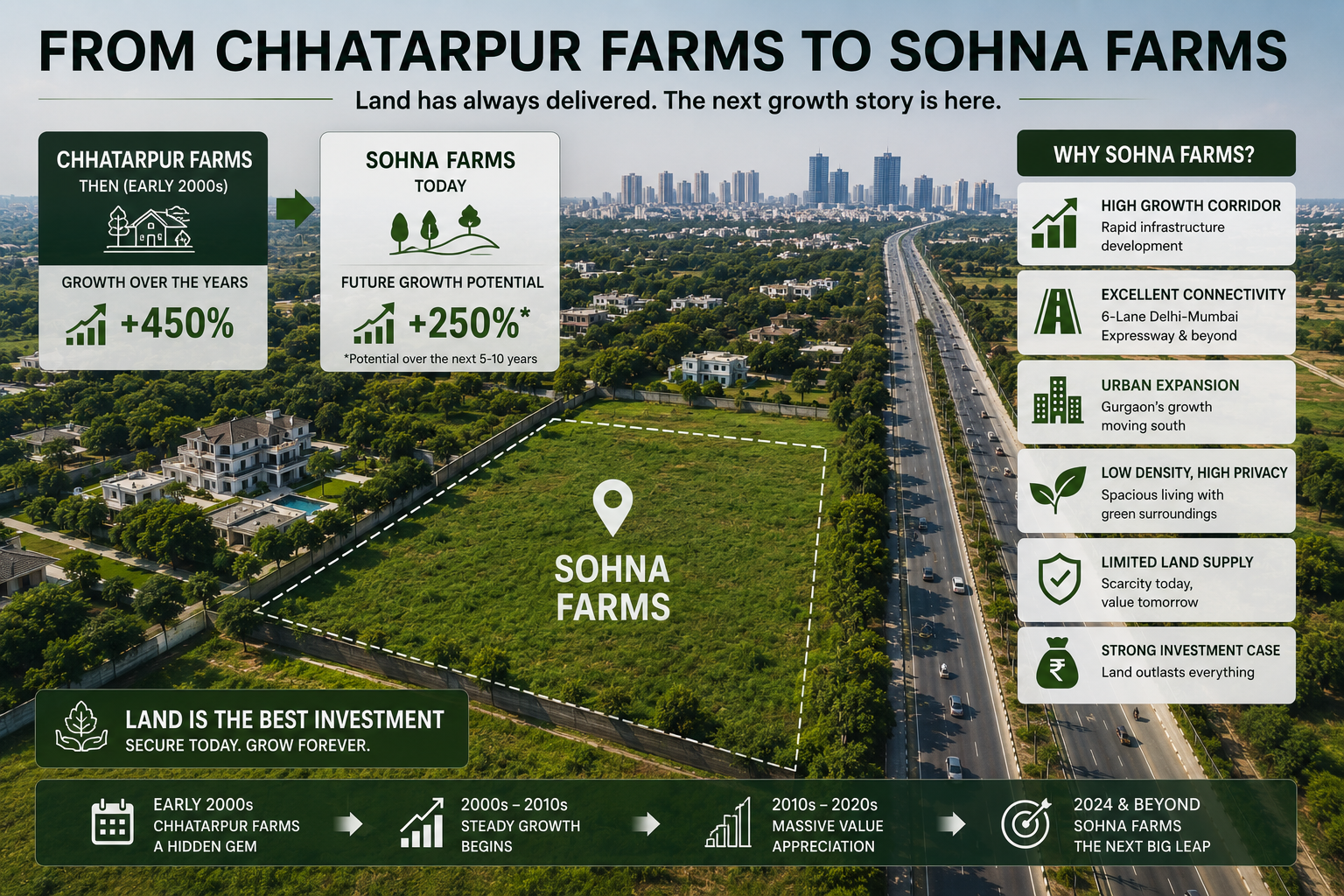
How Chhatarpur Farmhouses Created Multi-Crore Wealth for Early Buyers
What a quiet corner of South Delhi can teach investors about land, scarcity, and long-term wealth creation.
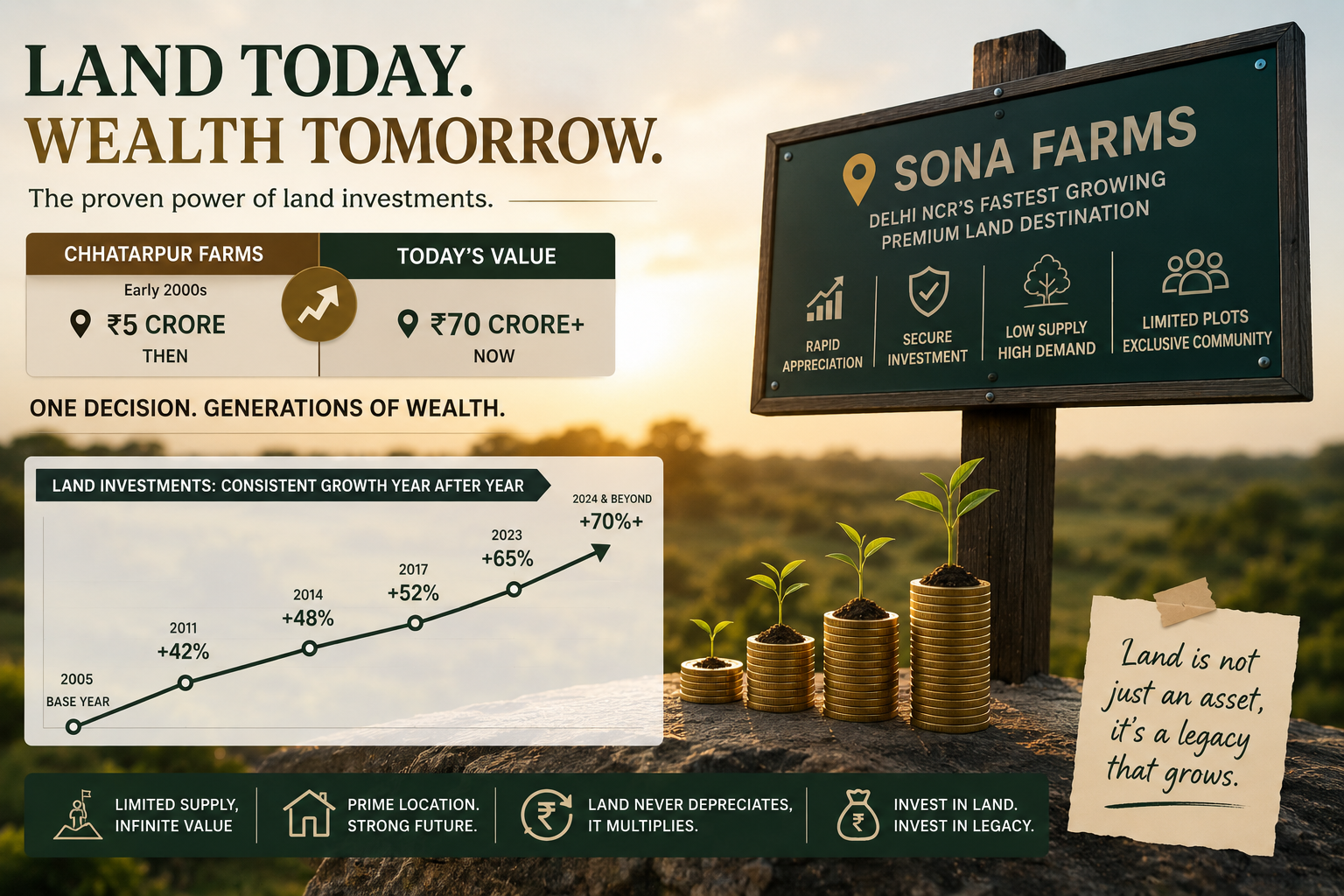
The ₹5 Crore Land Purchase That Became Worth ₹70 Crore
What the Story of DLF Chhatarpur Farms Reveals About Wealth Creation Through Premium Land Ownership
One short email. Stories you can use.
A free, occasional email from our editorial team with our latest features, explainers and reads. Unsubscribe any time — your email stays with us.