The UK's Basket Case: When Convenience Costs More Than It Saves
British consumers are increasingly balancing the allure of immediate gratification against persistent inflationary pressures, reshaping how and where they purchase everyday necessities.

At a busy Tesco Extra in South London, shoppers navigate aisles filled with seasonal promotions, their trolleys often containing a mix of weekly staples and impulse buys. This traditional scene, however, now coexists with the sight of moped riders from Deliveroo or Just Eat converging on a nearby Sainsbury's Local, fulfilling orders for single items or forgotten ingredients. The dichotomy underscores a fundamental shift in UK consumer behaviour: while the big weekly shop endures, a growing segment of spending is migrating towards smaller, more frequent, and often more expensive, convenience-driven purchases.
This bifurcation is not merely a matter of occasional indulgence; it represents a deepening structural change in how households manage their consumption. Post-pandemic habits, coupled with the rising cost of living, have intensified the demand for both value and immediacy, often at odds with each other. Retailers are grappling with how to cater to these divergent needs without cannibalising their core businesses or eroding already thin margins.
Traditional grocers like Tesco and Sainsbury's continue to dominate the bulk of food retail, but their market share is incrementally eroded by discounters such as Aldi and Lidl on one flank, and by rapid delivery services on the other. Ocado, once seen as the vanguard of online grocery, now competes not just with traditional supermarket delivery slots but also with the instantaneous fulfillment offered by players like Getir and Gopuff, which, despite recent consolidation and market exits, still hold a niche.
The Premium of Proximity
The economic equation for these rapid delivery platforms is inherently challenging. Operating a network of dark stores or leveraging existing supermarket infrastructure for speedy dispatch involves significant logistical overheads. These costs are often passed on to the consumer through higher prices, delivery fees, and service charges. A recent analysis indicated that a basket of common items purchased through a rapid delivery app could be as much as 20% to 30% more expensive than the same items bought in a larger supermarket, even before factoring in delivery surcharges.
The allure of instantaneity often obscures the true cost of convenience, creating a subtle but persistent drain on household budgets over time.
For consumers, the choice often boils down to a trade-off between time and money. A working professional needing a forgotten dinner ingredient might readily absorb a £3 delivery fee and a small price premium to avoid a trip to the shop. However, when these micro-transactions accumulate, they represent a considerable shift in spending patterns, particularly for younger demographics or those with less flexible schedules.
Beyond Groceries: The Wider Retail Impact
This trend extends beyond immediate food needs. In non-food retail, the same tension between speed and value plays out. Fashion retailers like ASOS and Next have long offered next-day delivery, setting customer expectations for rapid fulfilment. Marks & Spencer, too, has invested heavily in its online infrastructure to compete. Yet, the cost of managing returns, often higher for online purchases, and the environmental footprint of frequent, small-batch deliveries, pose ongoing challenges for profitability and sustainability.
The future of UK retail will likely see further segmentation. Supermarkets will continue to refine their value propositions, perhaps integrating more click-and-collect options or expanding their own rapid delivery partnerships. Meanwhile, specialist rapid delivery firms may need to pivot towards more niche offerings or higher-margin goods to secure long-term viability. For the British consumer, the convenience economy offers undeniable benefits, but understanding its true financial and environmental cost remains an evolving consideration.
News Legacy maintains editorial independence. Some recommendations may contain affiliate links. We earn from qualifying purchases at no additional cost to you. Read our policy.
Read Next
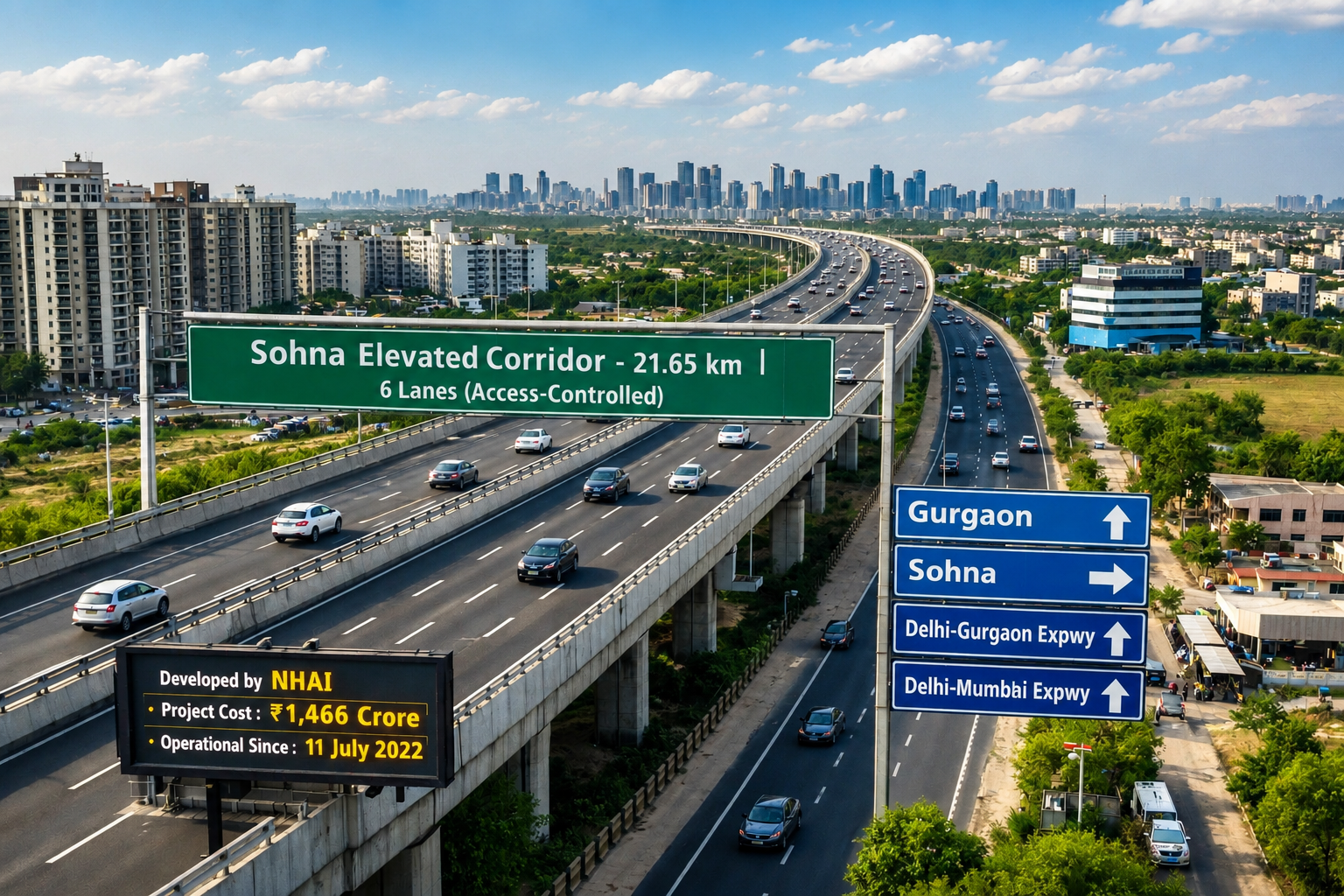
Is Sohna Really the Next Chhatarpur?
Three decades after Chhatarpur redrew South Delhi's map for space, privacy and exclusivity, a familiar pattern is now taking shape further south, and Sohna is where the smart money is beginning to look.
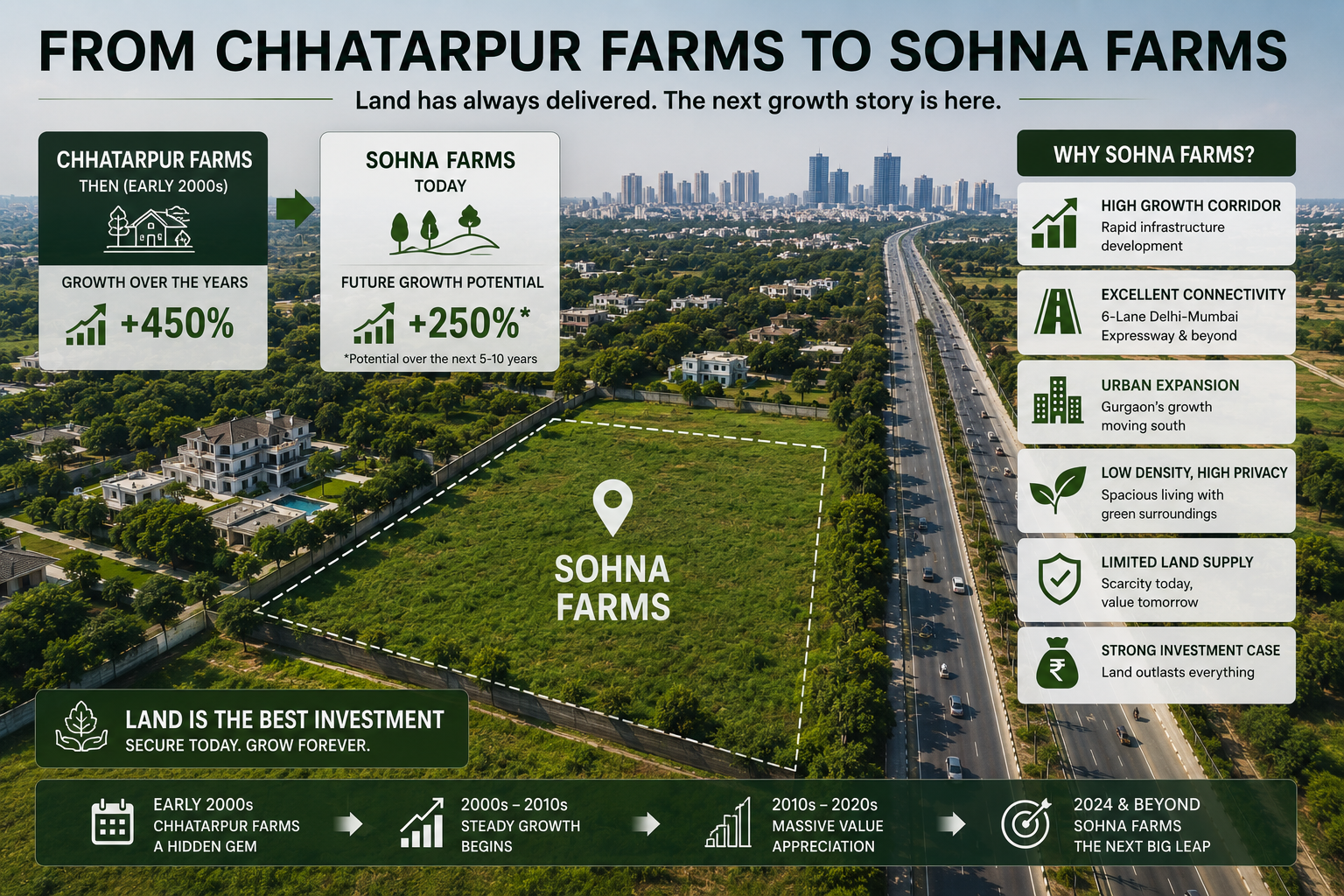
How Chhatarpur Farmhouses Created Multi-Crore Wealth for Early Buyers
What a quiet corner of South Delhi can teach investors about land, scarcity, and long-term wealth creation.
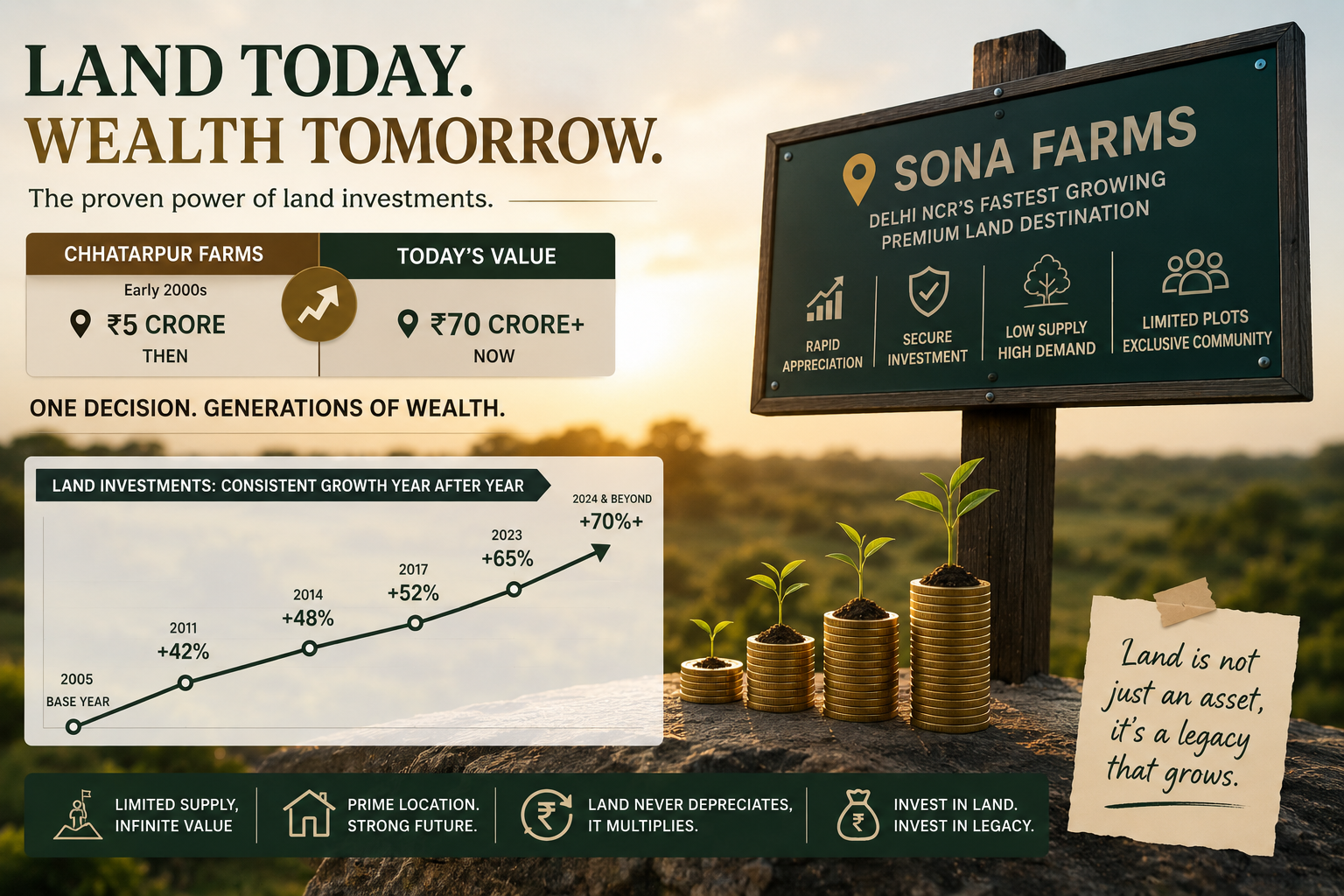
The ₹5 Crore Land Purchase That Became Worth ₹70 Crore
What the Story of DLF Chhatarpur Farms Reveals About Wealth Creation Through Premium Land Ownership
One short email. Stories you can use.
A free, occasional email from our editorial team with our latest features, explainers and reads. Unsubscribe any time — your email stays with us.