The UK's Digital High Street: Beyond the Pandemic Boom
After years of accelerated adoption, British consumers are recalibrating their online shopping habits, presenting both challenges and refined opportunities for retailers navigating a persistent economic squeeze.

At a Tesco Extra in Outer London, self-service checkouts hum while a solitary assistant guides an elderly shopper through a new contactless payment system. Outside, a fleet of brightly branded vans — Sainsbury's, Ocado, Deliveroo — queues for the loading bay, a ubiquitous scene reflecting the profound shift in how Britons acquire their groceries and goods. The digital transformation spurred by the pandemic has matured, moving beyond a simple volume surge to a more nuanced integration into daily life, even as economic headwinds temper enthusiasm.
For years, analysts championed e-commerce as an unstoppable force, a trajectory amplified by lockdowns. Indeed, the UK market saw unprecedented expansion; the Office for National Statistics reported that e-commerce penetration, which hovered around 19% of all retail spending pre-pandemic, surged past 30% at its peak. This forced adaptation for many businesses, from established high street names like Marks & Spencer expanding their digital footprint to fashion pure-plays such as ASOS and Next investing heavily in logistics and last-mile delivery infrastructure. Now, however, the growth narrative has complicated.
Recent data indicates a stabilisation, if not a slight retraction, in the proportion of retail sales made online. The latest figures show online retail sales representing approximately 26-27% of total retail trade, a significant advance on pre-pandemic levels but below the peaks of 2020 and 2021. This normalisation suggests a portion of pandemic-driven online shopping has reverted to physical stores, indicating that the 'death of the high street' was perhaps overstated, or at least premature.
The Cost-of-Living Crunch and Channel Choice
The primary factor influencing contemporary consumer behaviour in the UK is the persistent cost-of-living crisis. Inflation, while cooling, has eroded disposable incomes, compelling households to scrutinise every purchase. This environment affects channel choice. While online shopping often offers convenience and a wider assortment, physical stores can provide immediate gratification, the ability to inspect goods, and for some, a social experience. The perceived value proposition of each channel is under renewed assessment.
Grocers exemplify this dynamic. While Ocado continues to expand its reach and technological prowess, major players like Tesco and Sainsbury's report continued, albeit slower, growth in online orders, often driven by existing loyalty programmes. The challenge lies in maintaining the efficiency of these operations amidst rising labour and fuel costs, ultimately passed on, in part, to the consumer through delivery charges or higher minimum order values.
The sustained economic pressures are compelling both consumers and retailers to refine their approach to digital commerce, fostering a more deliberate, value-conscious engagement.
Fashion retailers, such as ASOS and Boohoo, which saw meteoric rises during the early 2020s, are now grappling with returns rates and shifting consumer preferences. The novelty of rapid fashion cycles delivered to the doorstep has somewhat dulled, replaced by a greater emphasis on quality and sustainability from a segment of the buying public, alongside intense price competition. Next, with its hybrid model encompassing online, catalogue, and physical stores, appears to have navigated these shifts with greater resilience, leveraging its robust logistics and diverse offering.
Operational Efficiency and Technological Imperatives
For retailers, the imperative is no longer merely to *be* online, but to be *efficiently* online. Investment in supply chain optimisation, automated warehousing, and predictive analytics has become critical. The margin pressures are intense, and every percentage point saved in logistics or customer acquisition directly impacts profitability. Deliveroo and Just Eat, for instance, are increasingly exploring automation in certain aspects of their delivery operations to contain costs and enhance speed.
The future of e-commerce in the UK will likely involve a more integrated, rather than purely digital, experience. Retailers are exploring click-and-collect models that leverage physical store networks, creating a 'phygital' shopping journey. Personalisation, driven by advanced data analytics and artificial intelligence, will become more sophisticated, aiming to replicate the attentive service of a good shop assistant within a digital environment. The era of undifferentiated, pure-play online dominance is evolving into one where seamless integration and judicious investment define success.
News Legacy maintains editorial independence. Some recommendations may contain affiliate links. We earn from qualifying purchases at no additional cost to you. Read our policy.
Read Next
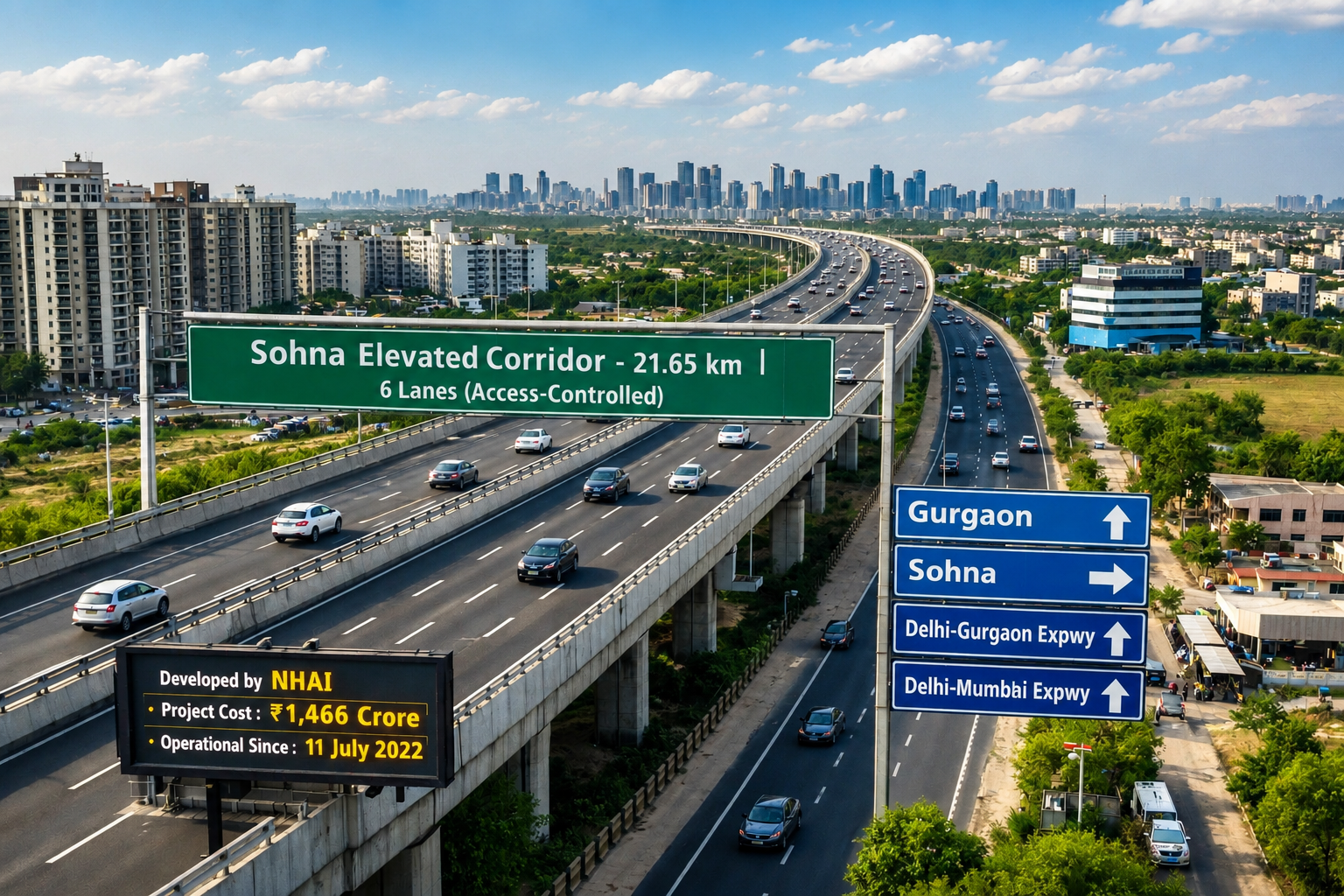
Is Sohna Really the Next Chhatarpur?
Three decades after Chhatarpur redrew South Delhi's map for space, privacy and exclusivity, a familiar pattern is now taking shape further south, and Sohna is where the smart money is beginning to look.
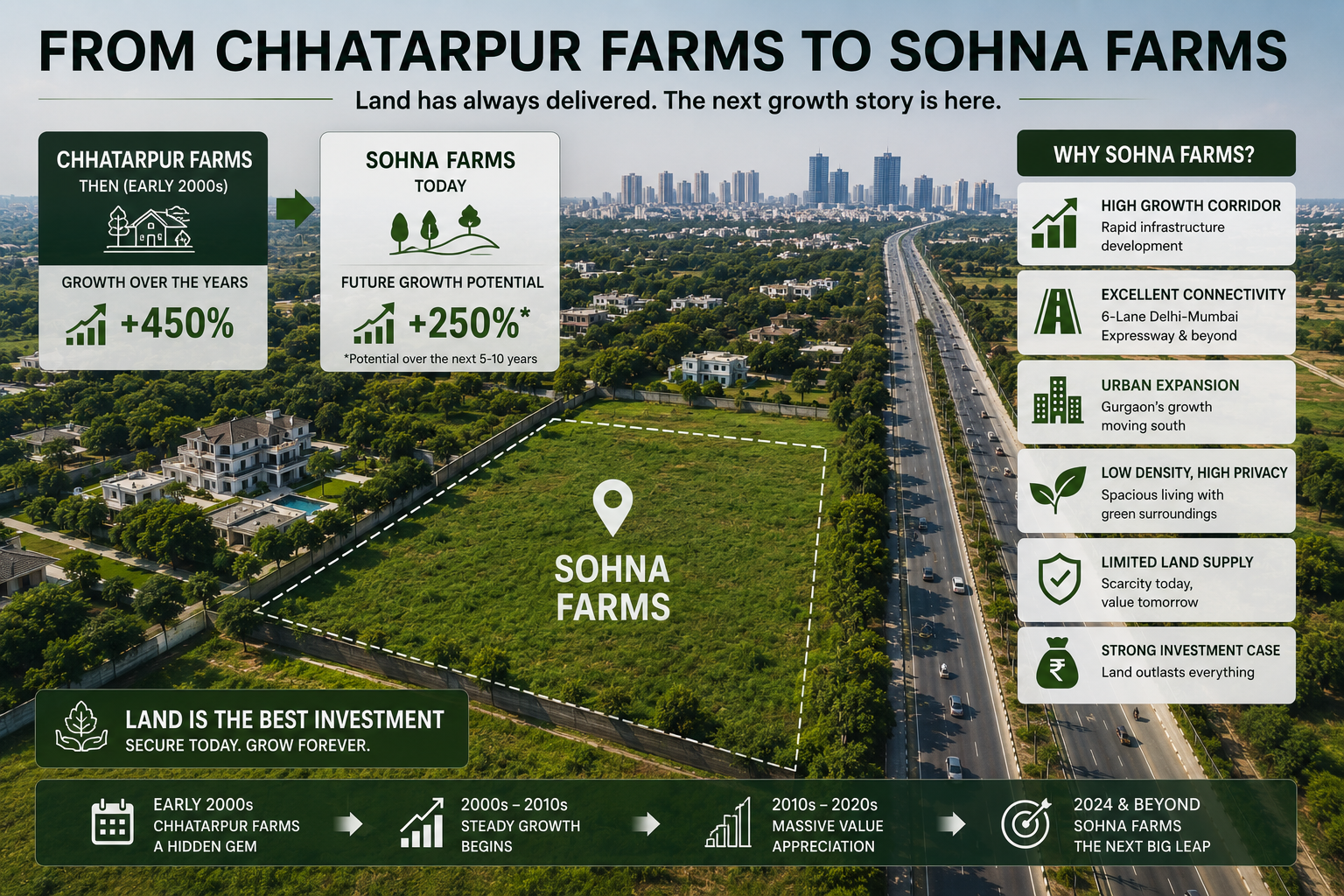
How Chhatarpur Farmhouses Created Multi-Crore Wealth for Early Buyers
What a quiet corner of South Delhi can teach investors about land, scarcity, and long-term wealth creation.
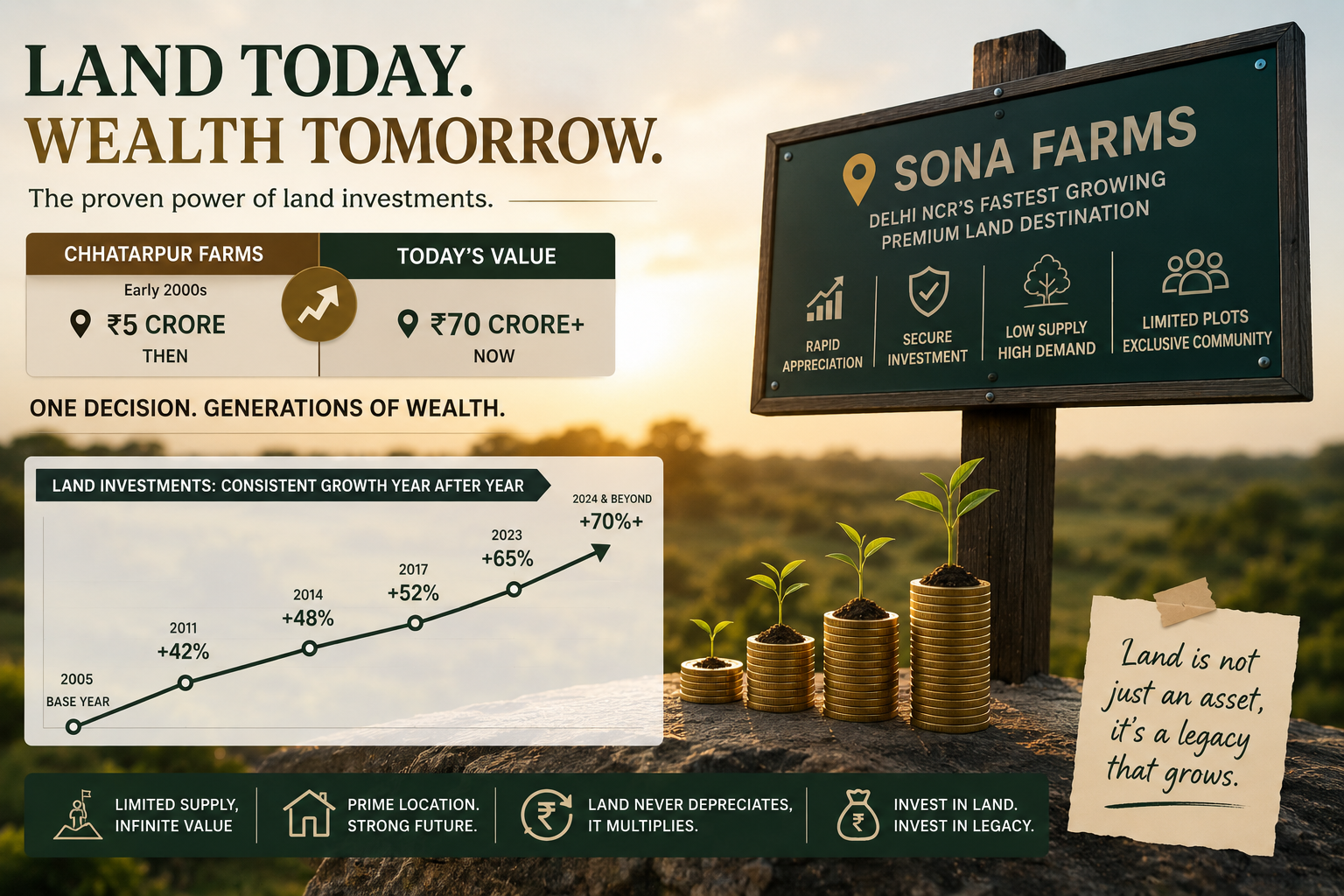
The ₹5 Crore Land Purchase That Became Worth ₹70 Crore
What the Story of DLF Chhatarpur Farms Reveals About Wealth Creation Through Premium Land Ownership
One short email. Stories you can use.
A free, occasional email from our editorial team with our latest features, explainers and reads. Unsubscribe any time — your email stays with us.