The UK's Digital High Street: Beyond the Pandemic Boom
The surge in online retail penetration witnessed during lockdowns has largely stabilised, prompting British retailers to recalibrate their digital strategies amid evolving consumer expectations and persistent economic headwinds.

A recent stroll past a Tesco Extra on a Saturday morning reveals a car park nearing capacity, a scene increasingly common as physical retail reasserts its appeal. Yet, inside, a network of personal shoppers, identifiable by their handheld scanners, navigate aisles to fulfil online grocery orders, demonstrating the lasting imprint of digital commerce on even the most traditional retail formats. This hybrid reality underscores a pivotal moment for the UK retail sector: how to integrate a matured e-commerce channel with a resurgent physical footprint, all while facing constrained consumer spending.
The trajectory of online sales in the UK provides a telling narrative. Following unprecedented expansion during the pandemic, when digital penetration soared, growth has moderated significantly. Data from the Office for National Statistics indicates that the proportion of retail sales made online has settled at a higher plateau than pre-2020 levels, but the double-digit percentage increases of lockdown years are now a relic of the past. Retailers are no longer simply adding capacity; they are optimising for efficiency and profitability within this new equilibrium.
Fashion giants such as ASOS and Next exemplify this strategic shift. ASOS, having benefited immensely from its pure-play online model, now contends with heightened competition and logistical complexities. Its share price fluctuations reflect investor scrutiny over its path to sustainable profitability. Conversely, Next has demonstrated a more resilient hybrid approach, leveraging its extensive store network for online order fulfilment and returns, thereby integrating its physical and digital channels into a cohesive customer journey.
The Evolving Landscape of Delivery and Fulfilment
The operational backbone of e-commerce, last-mile delivery, continues to undergo substantial transformation. Companies like Deliveroo and Just Eat, initially focused on food, have expanded into 'quick commerce', delivering groceries and other convenience items from local stores. This segment, while offering unparalleled speed, operates on razor-thin margins and necessitates significant technological investment to achieve scale and efficiency. The challenge lies in balancing consumer demand for instant gratification with the financial realities of rapid delivery.
The grocery sector offers a particularly complex case study. Ocado, with its automated warehouses and proprietary technology, represents the high-capital, high-efficiency end of the spectrum. Traditional supermarkets like Sainsbury's and Tesco, however, predominantly rely on store-picking models, albeit increasingly augmented by dark stores or dedicated fulfilment centres. The debate between these models centres on cost-effectiveness, scalability, and proximity to the customer, with no single solution proving universally superior.
The persistent challenge for online retail now revolves less around acquiring new digital customers and more around enhancing the lifetime value of existing ones through seamless experiences and operational excellence.
Consumer behaviour in the UK has also seen subtle but significant shifts. While convenience remains paramount, factors such as sustainability, ethical sourcing, and value for money are influencing purchasing decisions with greater weight. Retailers that can articulate a clear proposition on these fronts, alongside a robust e-commerce offering, are better positioned to capture market share. Marks & Spencer, for instance, has strategically focused on product quality and its 'food to order' service, leveraging its brand heritage in new digital contexts.
The Imperative of Data-Driven Personalisation
In a crowded digital marketplace, personalisation has transitioned from a desirable feature to a fundamental expectation. The effective utilisation of customer data allows retailers to tailor product recommendations, promotional offers, and even the browsing experience. This extends beyond simple algorithms to more sophisticated predictive analytics, anticipating consumer needs before they are explicitly expressed. The competitive edge increasingly belongs to those who can master this data-driven approach, fostering loyalty in a saturated environment.
Looking forward, the UK's online retail sector is entering a phase of consolidation and refinement rather than explosive growth. Success will hinge on operational dexterity, technological integration, and a deep understanding of the evolving British consumer. The initial digital gold rush has subsided; what remains is a maturing industry focused on sustainable, profitable growth within a complex, multi-channel ecosystem.
The trajectory for 2024 and beyond suggests a period where innovative inventory management, supply chain resilience, and a nuanced approach to last-mile logistics will define market leaders. The digital high street, while having found its footing, is far from static.
News Legacy maintains editorial independence. Some recommendations may contain affiliate links. We earn from qualifying purchases at no additional cost to you. Read our policy.
Read Next

Is Sohna Really the Next Chhatarpur?
Three decades after Chhatarpur redrew South Delhi's map for space, privacy and exclusivity, a familiar pattern is now taking shape further south, and Sohna is where the smart money is beginning to look.
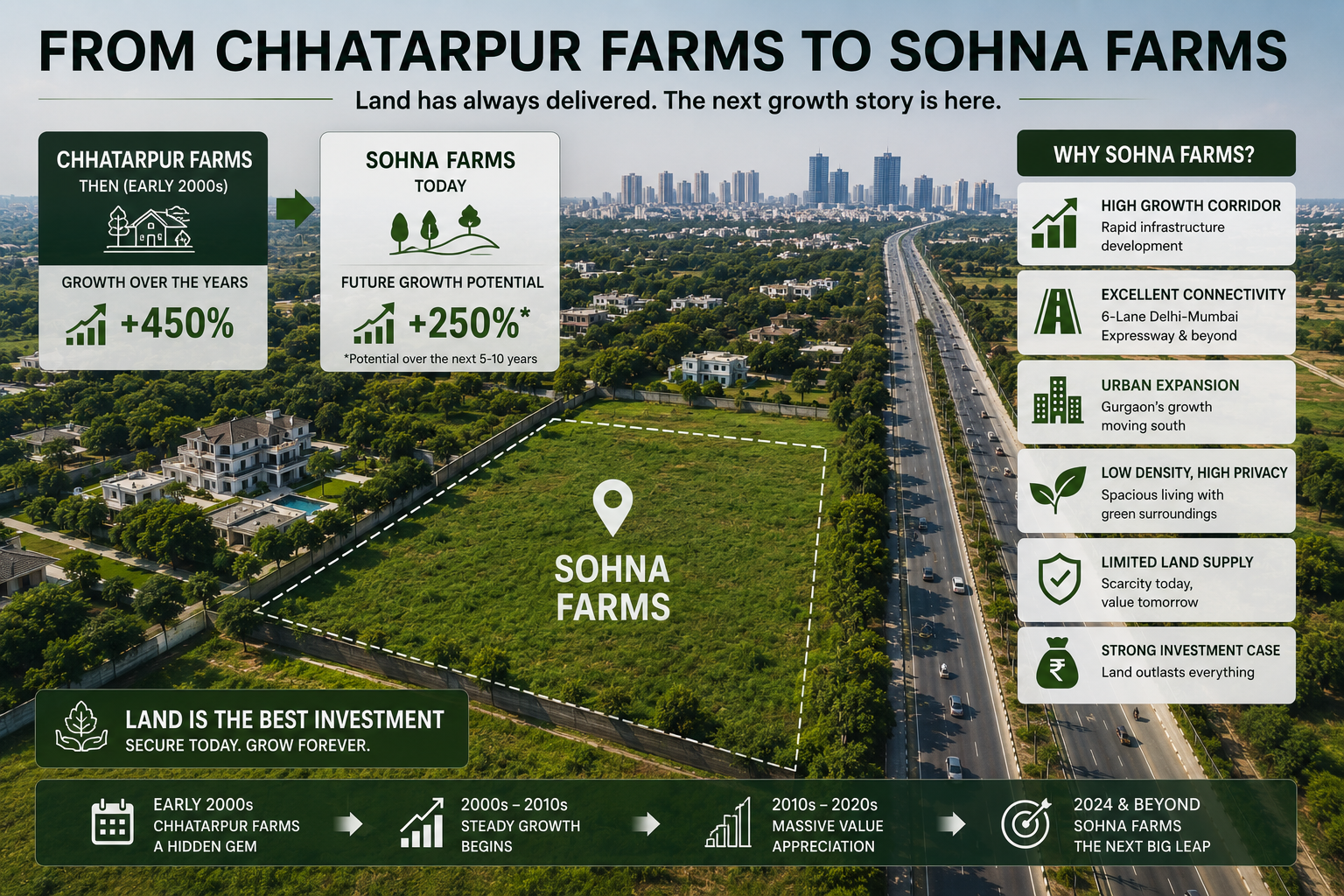
How Chhatarpur Farmhouses Created Multi-Crore Wealth for Early Buyers
What a quiet corner of South Delhi can teach investors about land, scarcity, and long-term wealth creation.
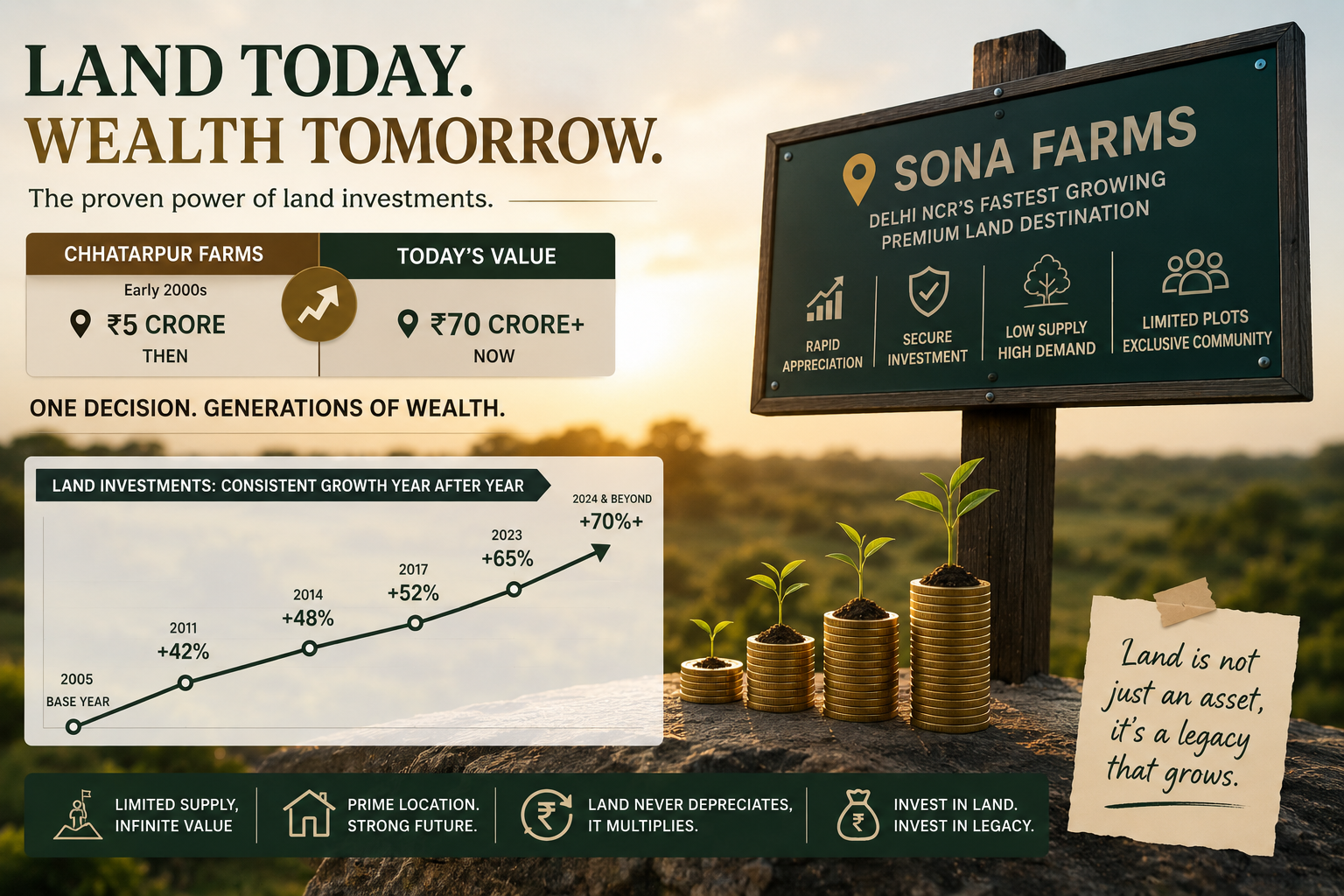
The ₹5 Crore Land Purchase That Became Worth ₹70 Crore
What the Story of DLF Chhatarpur Farms Reveals About Wealth Creation Through Premium Land Ownership
One short email. Stories you can use.
A free, occasional email from our editorial team with our latest features, explainers and reads. Unsubscribe any time — your email stays with us.