The UK's Digital High Street: From Pandemic Surge to Post-Correction Equilibrium
After two years of unprecedented expansion, the UK's online retail sector is undergoing a necessary recalibration. Operators are now confronting the challenges of optimising a digital infrastructure built for perpetual growth in a landscape defined by consumer caution and operational efficiency.

Online grocery giant Ocado recently reported a marginal decline in its retail revenues for the first quarter, a stark contrast to the double-digit expansion that became commonplace during the pandemic. This figure, though small, illustrates a broader trend impacting the UK's digital commerce landscape: the era of explosive, pandemic-driven e-commerce growth has concluded, giving way to a period of consolidation and strategic refinement.
For years, British consumers enthusiastically embraced online shopping, a trend massively accelerated by successive lockdowns. Retailers like ASOS and Next saw their digital channels become primary drivers of sales, while supermarkets such as Tesco and Sainsbury's rapidly scaled up their delivery capacities. This surge was often interpreted as a permanent behavioural shift, leading to significant investments in logistics, technology, and delivery infrastructure.
However, the reopening of physical retail, coupled with persistent inflationary pressures, has prompted a re-evaluation. Data from the Office for National Statistics indicates that while online retail sales remain substantially above pre-pandemic levels, their share of total retail spend has plateaued, and in some categories, modestly receded from its peak. This signifies not a rejection of e-commerce, but rather a normalisation of its role within a hybrid shopping ecosystem.
The Cost of Convenience
The operational expenditures associated with online fulfilment have become a central concern. Offering next-day delivery, managing returns, and running extensive last-mile networks are inherently more costly than traditional brick-and-mortar operations. Companies like Deliveroo and Just Eat continue to navigate a complex path to profitability, highlighting the fine margins in high-frequency, low-value digital transactions. The consumer appetite for free or low-cost delivery, nurtured during the boom, now collides with the rising expenses of fuel, labour, and packaging.
This financial reality is compelling retailers to explore new models. Marks & Spencer, for instance, has focused on optimising its click-and-collect network, leveraging its extensive store footprint to reduce last-mile costs. Other firms are experimenting with subscription models to secure customer loyalty and predictable revenue streams, or implementing minimum order values to ensure delivery efficiency.
The market is evolving from a race for scale to a contest for profitable growth.
Adapting to a Cautious Consumer
Inflationary pressures, particularly impacting household energy and food bills, have shifted consumer priorities. Discretionary spending is under scrutiny, and shoppers are increasingly value-conscious. This affects everything from the frequency of online purchases to the willingness to pay for premium delivery services. Retailers are responding by refining their promotional strategies, focusing on loyalty programs, and emphasising transparent pricing.
The digital high street is not shrinking, but rather maturing. The foundational investments in technology and logistics remain valuable, offering resilience and reach that were previously unattainable. The current environment demands greater analytical sophistication, a precise understanding of customer Lifetime Value, and an agile approach to supply chain management. For UK retailers, navigating this equilibrium will be crucial for sustained success in the years ahead, moving beyond the reactive expansion of the pandemic into a more deliberate, profitable digital future.
The journey from a forced migration to a strategic integration of online channels underscores a significant evolution in British commerce. Companies that can efficiently bridge the physical and digital, offering seamless experiences while managing costs, are best positioned to thrive in this recalibrated market.
News Legacy maintains editorial independence. Some recommendations may contain affiliate links. We earn from qualifying purchases at no additional cost to you. Read our policy.
Read Next
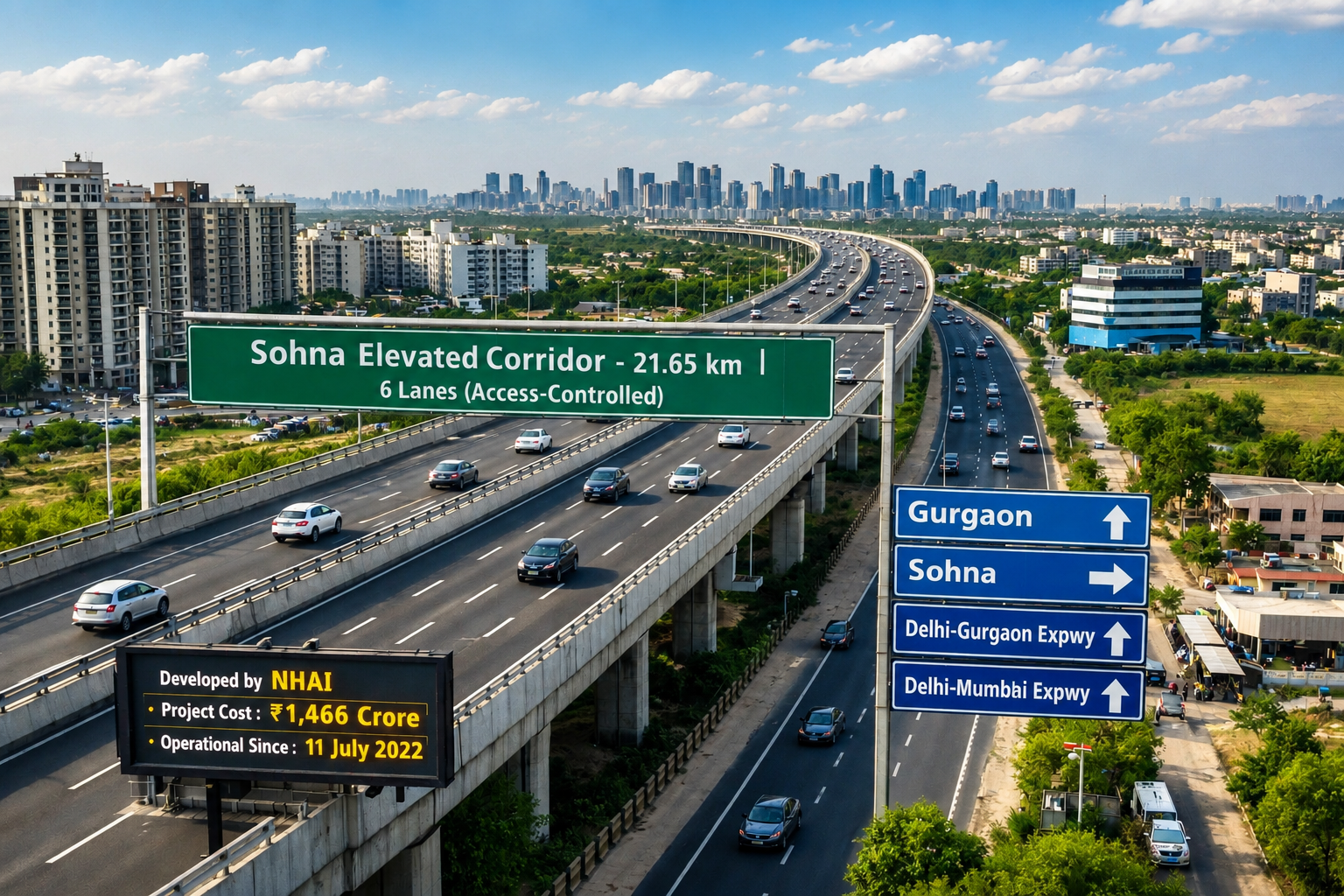
Is Sohna Really the Next Chhatarpur?
Three decades after Chhatarpur redrew South Delhi's map for space, privacy and exclusivity, a familiar pattern is now taking shape further south, and Sohna is where the smart money is beginning to look.
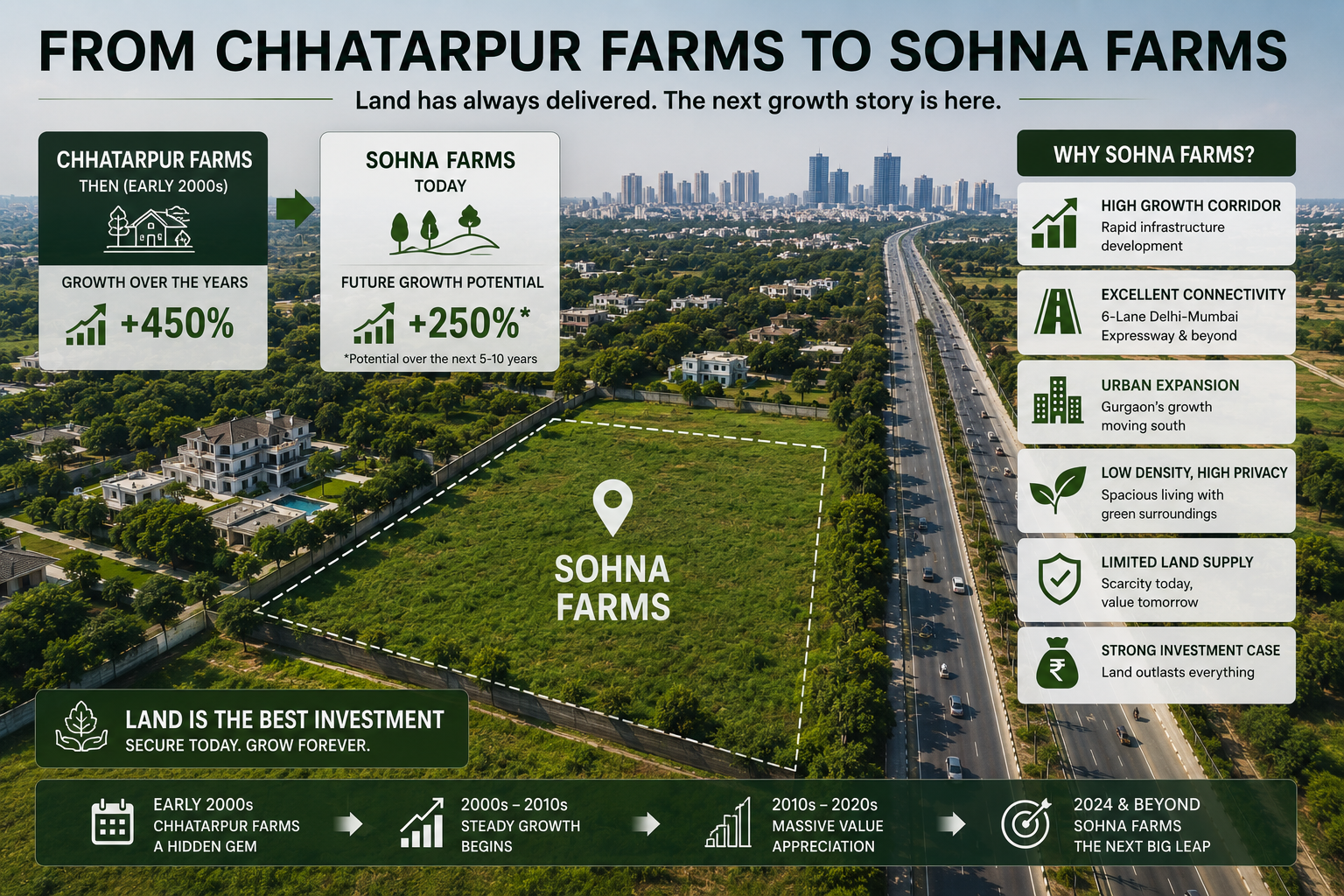
How Chhatarpur Farmhouses Created Multi-Crore Wealth for Early Buyers
What a quiet corner of South Delhi can teach investors about land, scarcity, and long-term wealth creation.
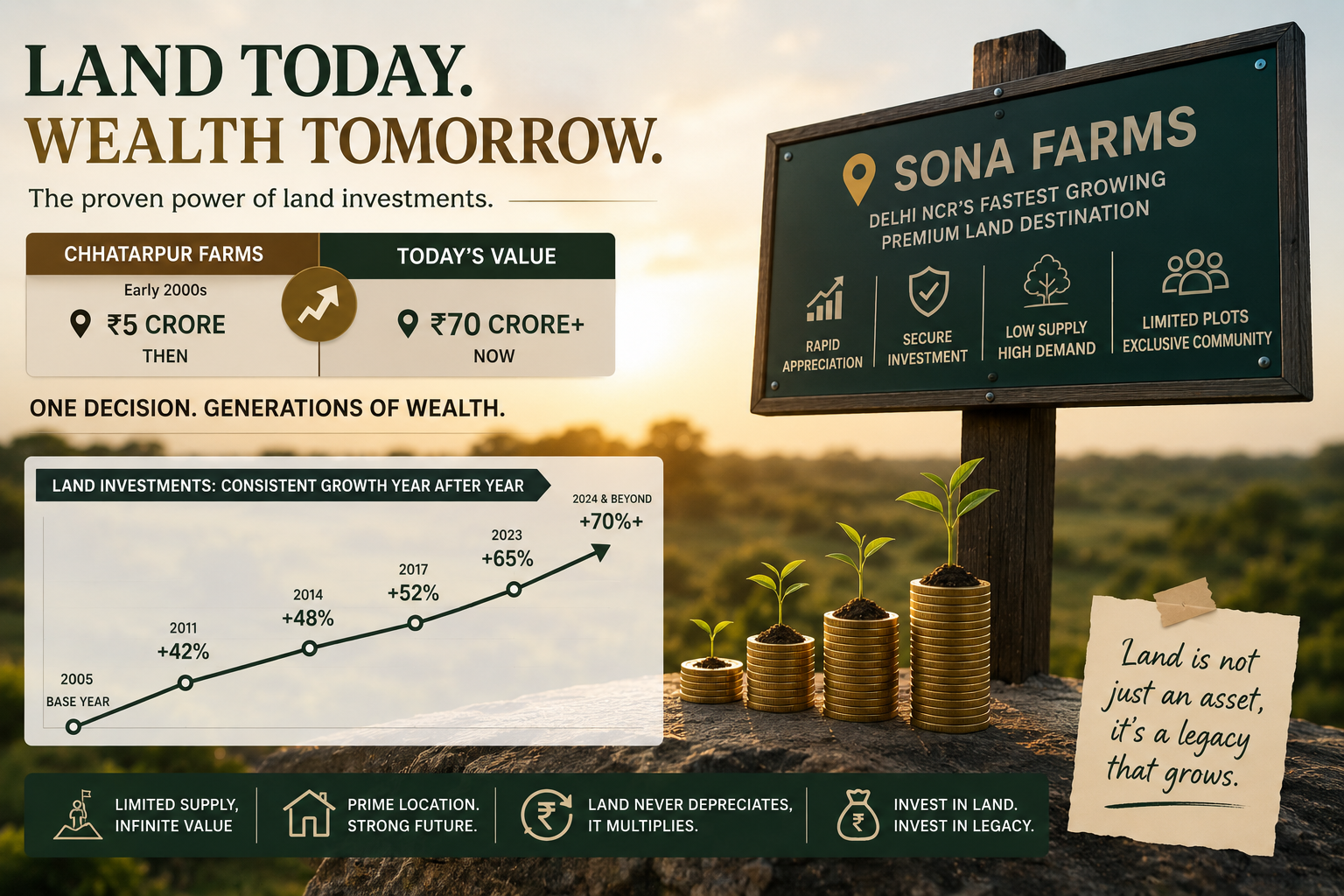
The ₹5 Crore Land Purchase That Became Worth ₹70 Crore
What the Story of DLF Chhatarpur Farms Reveals About Wealth Creation Through Premium Land Ownership
One short email. Stories you can use.
A free, occasional email from our editorial team with our latest features, explainers and reads. Unsubscribe any time — your email stays with us.