The UK's Digital High Street: From Pandemic Surge to Profit Pressures
E-commerce in the United Kingdom, once buoyed by unprecedented consumer shifts, now faces a complex landscape where sustained growth contends with increased operational costs and evolving shopper expectations.

In the fiscal year concluding February 2024, Marks & Spencer reported a 6.7% increase in online sales for its clothing and home division, contributing to a 38% digital penetration rate. This figure illustrates a broader narrative: while the pandemic-driven surge in e-commerce has normalised, online channels remain a fundamental component of retail strategy for even the most established British brands, challenging long-held assumptions about physical retail dominance.
The initial acceleration of online shopping during national lockdowns, which saw businesses like Ocado and Deliveroo experience unprecedented demand, presented a critical inflection point. Many retailers invested heavily in logistics, technology platforms, and last-mile delivery capabilities to capture this new consumer behaviour. However, the subsequent unwinding of these conditions revealed that not all digital gains are equal, particularly as discretionary spending tightens.
Post-pandemic, the UK e-commerce sector has settled into a pattern of more moderate expansion. Data from the Office for National Statistics indicates that the proportion of retail sales made online has stabilised at approximately 26-27% for much of 2023, a decrease from its peak of over 37% in early 2021, but still significantly above the pre-pandemic average of around 19%. This recalibration necessitates a strategic reassessment beyond simply acquiring market share.
Operational Realities and Profitability Hurdles
Maintaining profitability in the digital realm presents distinct challenges. The cost of customer acquisition has escalated, influenced by rising digital advertising rates and a more fragmented media landscape. Moreover, the inherent expenses associated with warehousing, packaging, and the often-complex logistics of returns continue to erode margins. For fashion retailers such as ASOS and Next, managing reverse logistics efficiently has become as critical as outbound fulfilment.
The intense competition in grocery delivery, exemplified by the rivalry between established players like Tesco and Sainsbury's with their respective online platforms, and newer entrants such as Just Eat, highlights the financial strain. Delivering fresh produce to individual households demands precise temperature control and swift transit, driving up operational overheads compared to a traditional store-based model where customers self-serve and transport their own purchases.
One industry analyst observes that “the pursuit of scale in online retail often overlooks the nuanced economics of fulfilment, where the last mile can consume a disproportionate share of the revenue generated.” This perspective underscores the difficulty in translating top-line digital growth into commensurate bottom-line improvements.
The Blurring Lines: Integrating Physical and Digital
Many British retailers are now shifting focus towards an omnichannel approach, where the distinction between online and offline shopping deliberately blurs. Click-and-collect services, for instance, offered by companies ranging from John Lewis to Curry's, provide a cost-effective alternative to home delivery while driving footfall to physical stores. This hybrid model leverages existing infrastructure and offers consumers flexibility.
Technological advancements are also playing a crucial role. Artificial intelligence is being deployed to optimise inventory management, predict consumer demand with greater accuracy, and personalise online shopping experiences. Retailers are investing in data analytics platforms to understand individual customer journeys, aiming to increase conversion rates and foster loyalty in a highly competitive digital environment.
The journey for UK e-commerce continues to evolve from a rapid expansion phase into one prioritising sustainable growth and operational efficiency. The sector faces an imperative to balance consumer convenience with the economic realities of digital fulfilment, shaping a future where technological integration and strategic insight determine long-term viability.
News Legacy maintains editorial independence. Some recommendations may contain affiliate links. We earn from qualifying purchases at no additional cost to you. Read our policy.
Read Next
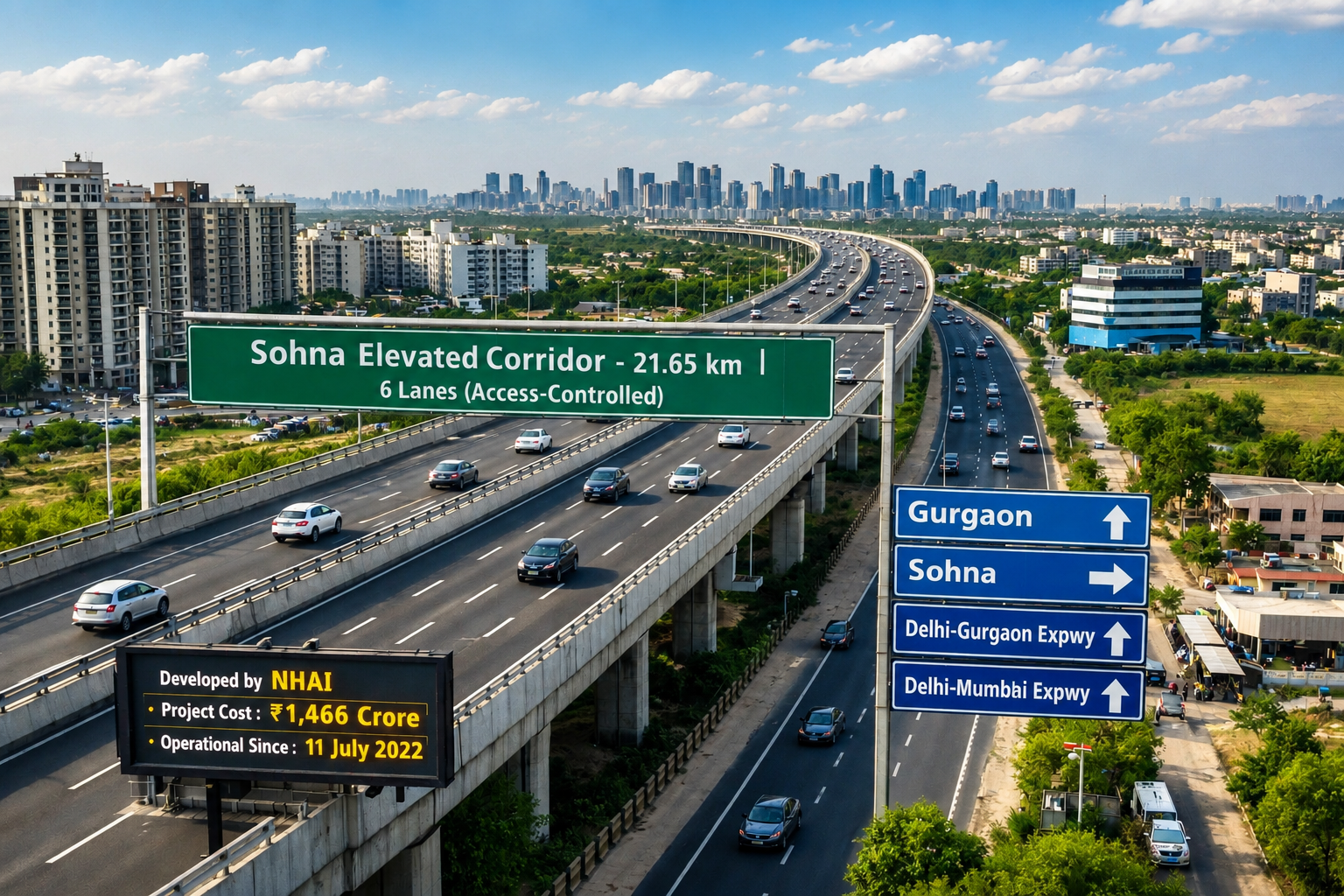
Is Sohna Really the Next Chhatarpur?
Three decades after Chhatarpur redrew South Delhi's map for space, privacy and exclusivity, a familiar pattern is now taking shape further south, and Sohna is where the smart money is beginning to look.
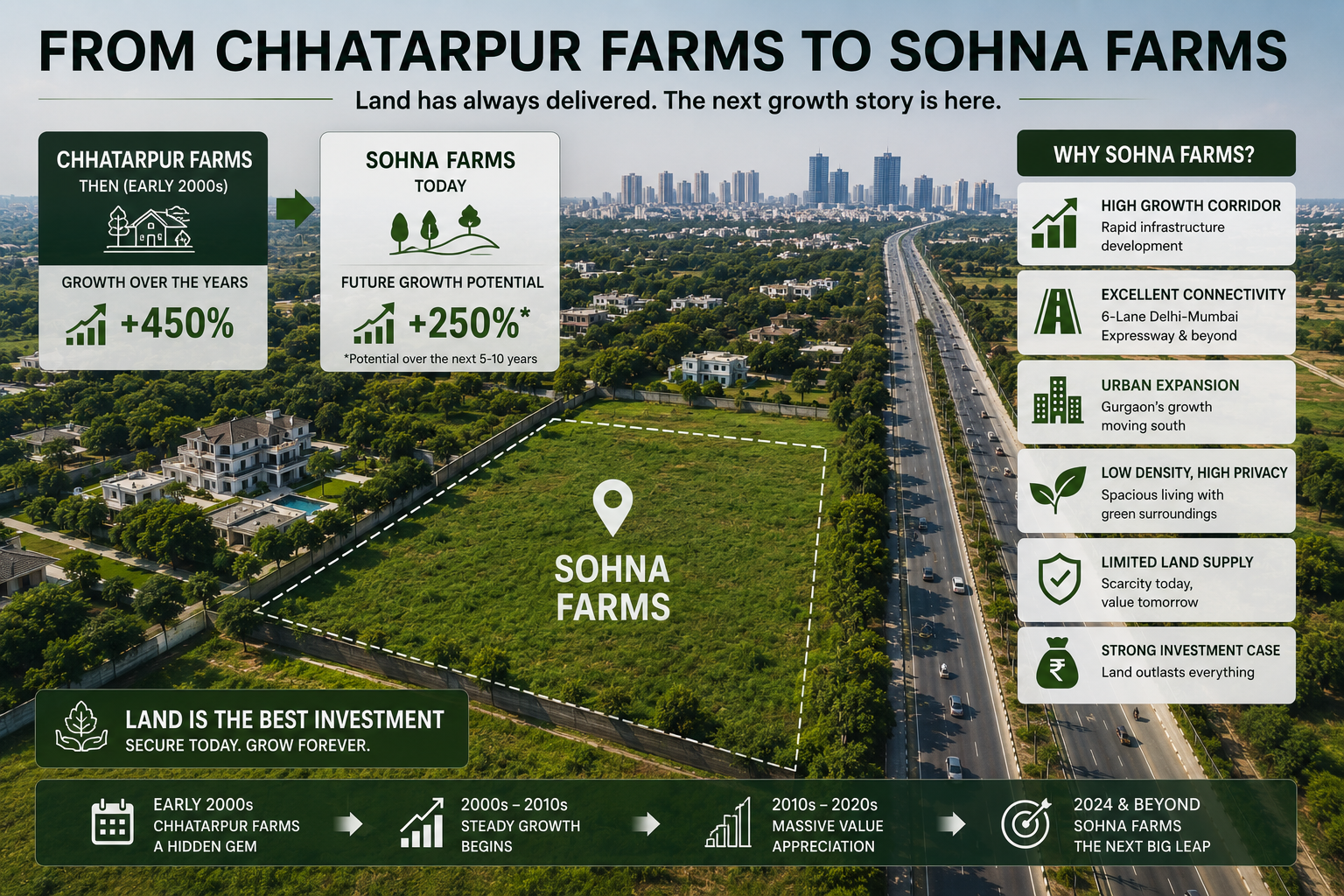
How Chhatarpur Farmhouses Created Multi-Crore Wealth for Early Buyers
What a quiet corner of South Delhi can teach investors about land, scarcity, and long-term wealth creation.
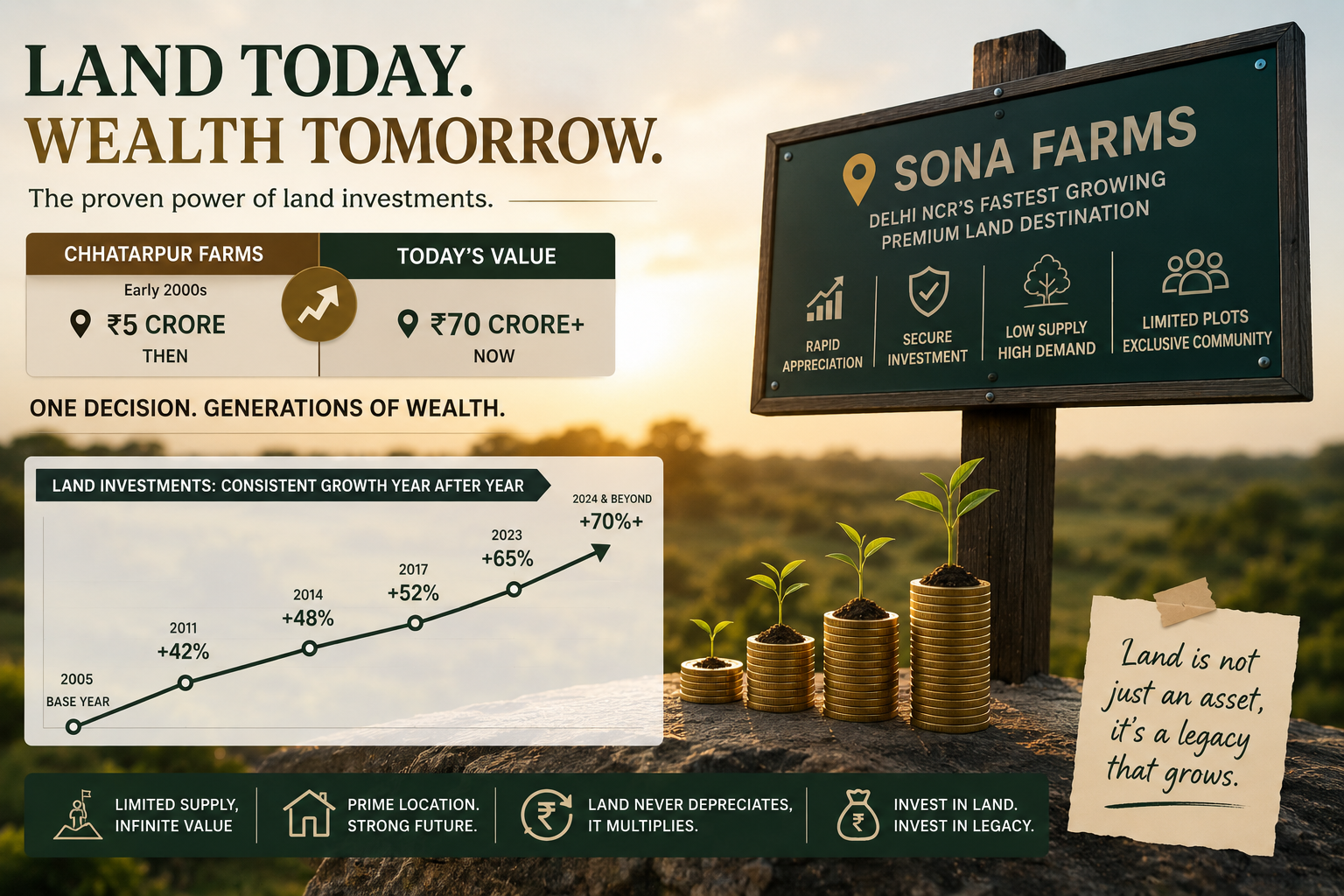
The ₹5 Crore Land Purchase That Became Worth ₹70 Crore
What the Story of DLF Chhatarpur Farms Reveals About Wealth Creation Through Premium Land Ownership
One short email. Stories you can use.
A free, occasional email from our editorial team with our latest features, explainers and reads. Unsubscribe any time — your email stays with us.