The UK's DTC Reckoning: How Legacy Retailers Are Reshaping the Direct-to-Consumer Landscape
Once heralded as the disruptors of traditional retail, direct-to-consumer brands in the UK are increasingly confronting a market dominated by established players and shifting consumer priorities.

At a recent Tesco plc investor briefing, CEO Ken Murphy outlined a strategy emphasising 'value, quality, and convenience' across its extensive network of stores and burgeoning online operations. This seemingly conventional statement underscores a profound shift affecting direct-to-consumer (DTC) brands in the United Kingdom. What began as a movement to bypass intermediaries and forge direct connections with shoppers has evolved into a complex ecosystem where scale, logistics, and trust often trump niche appeal, leaving many pure-play DTCs in an increasingly precarious position.
For years, companies like Glossier, Casper, and Warby Parker – though primarily US-based, their strategies influenced UK startups – demonstrated the power of digital-first branding and lean operations. UK equivalents, from beauty and apparel to homewares and food, replicated this model, promising transparency and a personalised experience. Investors poured capital into these ventures, anticipating a sustained erosion of market share from traditional retailers. However, the UK's high street and its digital extensions have proven remarkably resilient, adapting to the very strategies DTC brands pioneered.
Major British retailers, including Sainsbury's, Marks & Spencer, and even the online fashion giant ASOS, have aggressively expanded their digital capabilities and supply chain efficiencies. ASOS, for instance, has long offered a curated selection of brands, effectively acting as a multi-brand platform, while Marks & Spencer has revitalised its food and clothing lines, pairing them with robust online ordering and click-and-collect options. This reorientation has diminished the unique selling proposition of many standalone DTCs.
The Logistics Advantage
One of the most formidable barriers for smaller DTC brands is the escalating cost and complexity of logistics. Established UK players benefit from decades of investment in warehousing, distribution networks, and last-mile delivery infrastructure. Ocado Group, for example, represents the pinnacle of automated grocery fulfilment, a scale of operation that few individual DTC food brands could ever hope to replicate independently. Similarly, general merchandisers like Next plc have refined their delivery promises to next-day or even same-day services, often at little to no extra cost to the consumer.
The sheer volume handled by these retail titans allows for significant economies of scale in shipping and warehousing. For a nascent DTC brand, negotiating favourable rates with couriers or investing in proprietary fulfilment can consume a disproportionate share of revenue, directly impacting profitability. This pressure intensified as consumer expectations, largely shaped by the performance of Amazon and these larger UK retailers, soared. Customers now expect rapid, low-cost delivery as standard, not as a premium service.
Navigating Consumer Trust and Acquisition Costs
Another critical element often overlooked in the early DTC boom was the inherent trust consumers place in established brands. Tesco and Sainsbury's, for instance, have spent generations building reputations for reliability and quality, particularly in food. For new entrants, overcoming this ingrained loyalty requires substantial marketing investment.
The cost of acquiring customers online has risen precipitously. As digital advertising platforms become more saturated and privacy regulations tighten, the once-efficient routes to new customers have become prohibitively expensive for many smaller brands. Where early DTCs found low-cost customer acquisition through social media, the current landscape demands deeper pockets, pushing many towards wholesale partnerships or listing on established online marketplaces.
The challenge for many direct-to-consumer entities is transitioning from a compelling idea to a sustainable enterprise in a market that prioritises operational robustness and ingrained consumer trust.
Consequently, many DTC brands in the UK are pivoting. Some are seeking partnerships with larger retailers, finding space on the digital shelves of John Lewis or within the physical footprint of Boots. Others are being acquired outright, assimilated into the portfolios of companies seeking to inject innovation into their offerings. The pure-play, standalone DTC model is not entirely obsolete, but its path to scale and profitability in the UK market has become significantly more arduous, signalling a maturation of the digital retail landscape where integration, rather than pure disruption, increasingly defines success.
News Legacy maintains editorial independence. Some recommendations may contain affiliate links. We earn from qualifying purchases at no additional cost to you. Read our policy.
Read Next
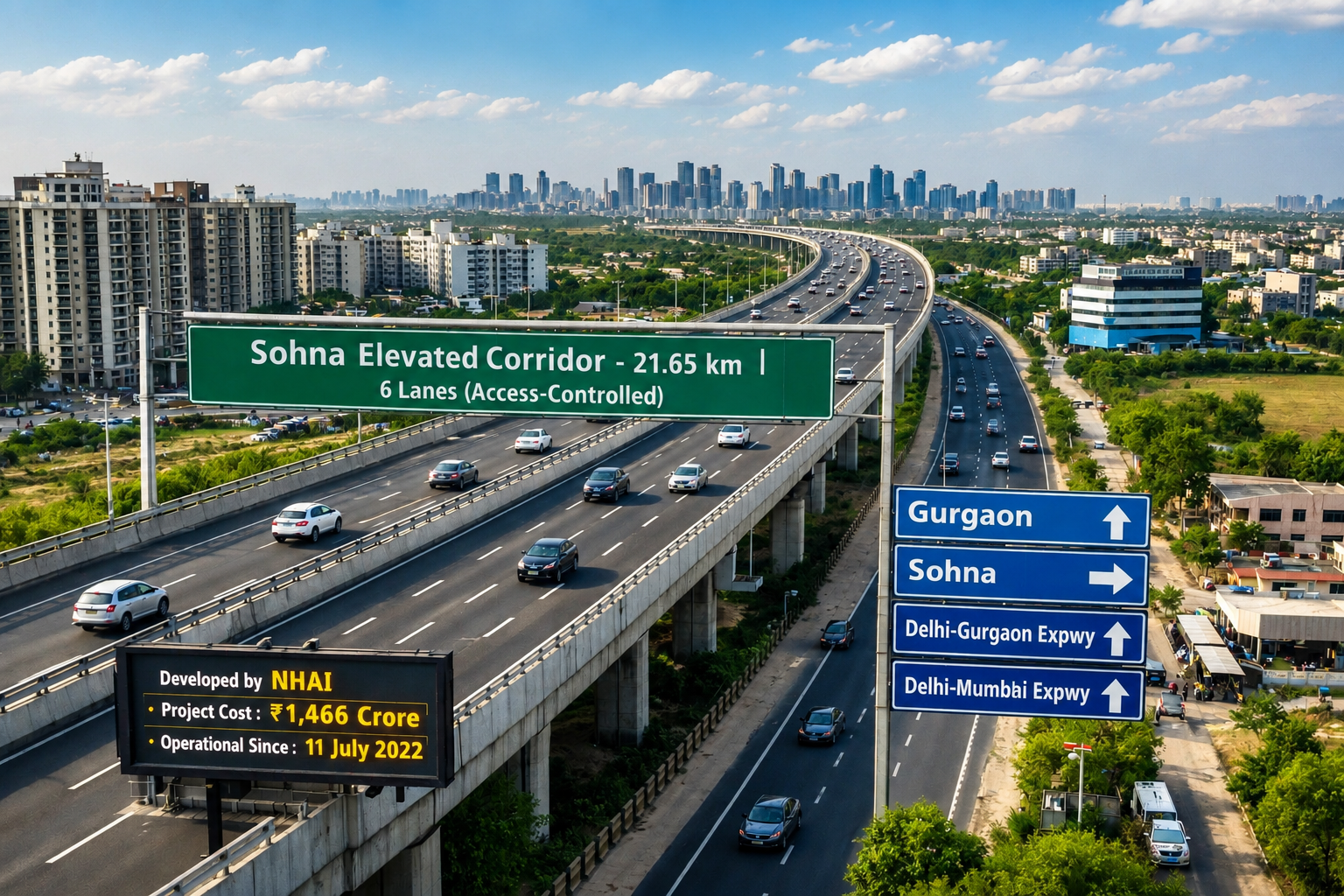
Is Sohna Really the Next Chhatarpur?
Three decades after Chhatarpur redrew South Delhi's map for space, privacy and exclusivity, a familiar pattern is now taking shape further south, and Sohna is where the smart money is beginning to look.
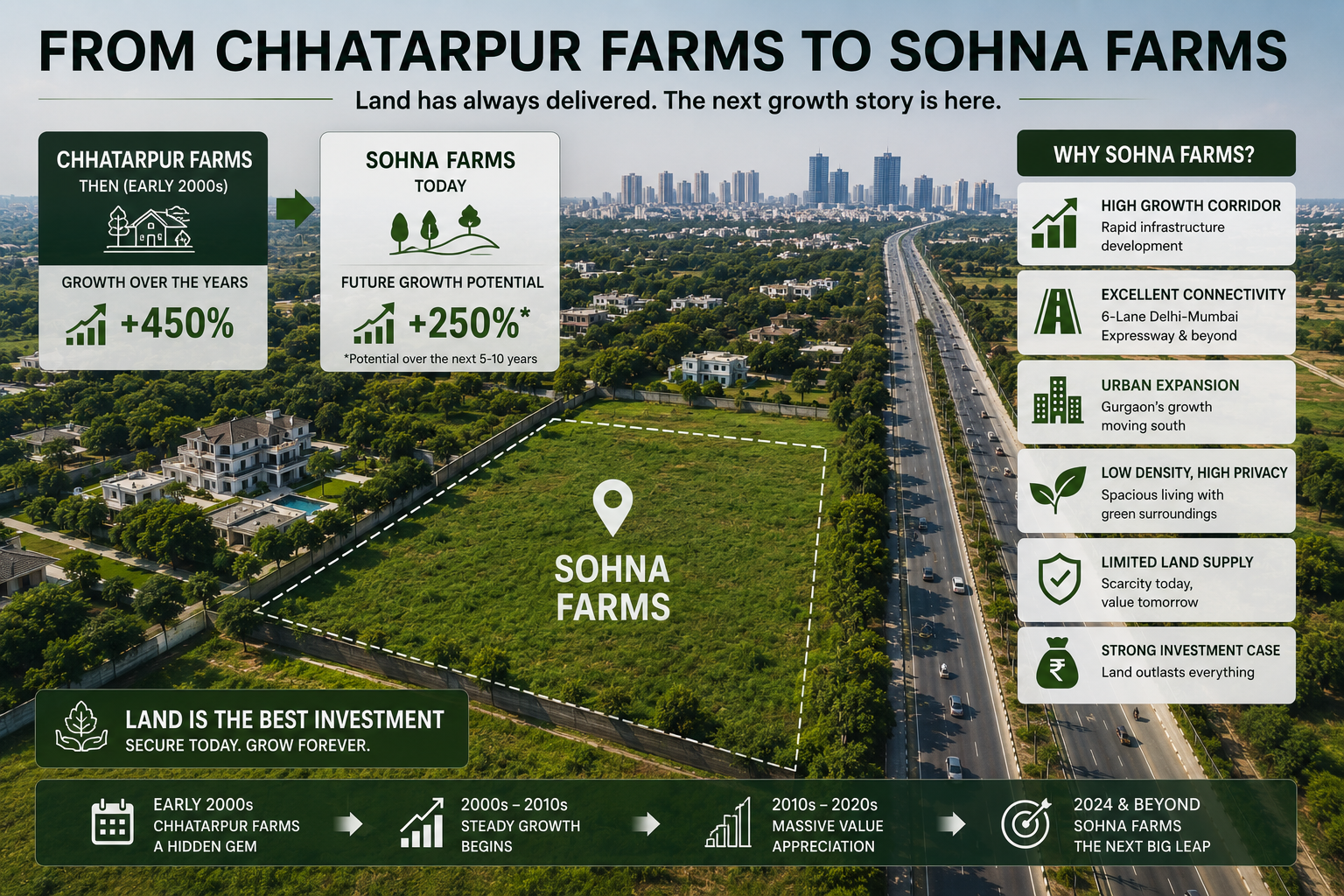
How Chhatarpur Farmhouses Created Multi-Crore Wealth for Early Buyers
What a quiet corner of South Delhi can teach investors about land, scarcity, and long-term wealth creation.

The ₹5 Crore Land Purchase That Became Worth ₹70 Crore
What the Story of DLF Chhatarpur Farms Reveals About Wealth Creation Through Premium Land Ownership
One short email. Stories you can use.
A free, occasional email from our editorial team with our latest features, explainers and reads. Unsubscribe any time — your email stays with us.