The UK's Final-Mile Challenge: Retailers Navigate a Costly Consumer Expectation
Across Britain, the once-novel promise of rapid delivery has calcified into a baseline consumer demand, placing significant strain on retailer margins and operational ingenuity in a market defined by inflation and shifting spending habits.

From Tesco's extensive network of urban dark stores supporting its Whoosh rapid delivery service to Ocado's highly automated warehouses fulfilling online grocery orders, the operational complexity of getting goods to British doorsteps has never been greater. This intricate dance between consumer desire for speed and affordability, coupled with the economic realities of fuel prices, labour shortages, and warehouse automation, defines a pivotal challenge for the UK's retail sector.
The pandemic irrevocably altered purchasing patterns, cementing online shopping as a dominant force. Retailers like ASOS and Next, long adept at e-commerce, have seen their logistics operations scale to unprecedented levels, managing returns alongside outward bound shipments. However, the cost implications of this scale, particularly for the 'final mile' of delivery, are proving substantial. A significant proportion of a parcel's journey cost is incurred once it reaches the local depot, often representing upwards of 40% of total shipping expenditure.
Consumer surveys consistently indicate a strong preference for free or low-cost delivery, even when speed is a secondary consideration. This expectation places retailers in a difficult position: absorb the rising delivery costs, jeopardise sales by increasing charges, or innovate radically. Many have opted for a blend, such as offering free delivery thresholds or subscription models like Amazon Prime, though even these face inflationary pressures.
The Pressure on Profitability
Rising fuel costs directly impact fleets operated by companies like Deliveroo and Just Eat, who pass these expenses onto restaurants and, subsequently, consumers or absorb them at the expense of their own unit economics. For traditional retailers, the cost of staffing delivery vans and managing urban distribution hubs has escalated. Wages for drivers and warehouse operatives have seen double-digit growth in some areas, driven by competition and general inflation.
Marks & Spencer, for example, faces the dual challenge of maintaining its quality perception while managing the logistics of delivering everything from clothing to fresh food. Their strategic partnerships and investments in supply chain technology reflect a recognition that operational efficiency is paramount to protecting profitability in a market where consumers are increasingly price-sensitive.
The persistent consumer expectation for convenience at minimal cost remains the primary pressure point for UK logistics infrastructure, demanding continuous adaptation from even the most established players.
The sheer volume of parcels circulating through the UK's postal and courier networks underscores the challenge. Estimates suggest that over 5 billion parcels are now handled annually across the country, a figure that continues to climb. This necessitates constant investment in sorting technology, fleet optimisation, and last-mile route planning software to minimise wasted mileage and maximise delivery density.
Diversifying Delivery Models
To mitigate these pressures, some retailers are exploring diverse delivery models. Click & collect services, where customers retrieve orders from a physical store, offer a cost-effective alternative by shifting a portion of the final-mile burden. This also benefits brick-and-mortar locations, driving footfall and potential impulse purchases. Sainsbury's, for instance, has expanded its 'Chop Chop' rapid delivery service while also enhancing its in-store collection points.
Further innovation includes the deployment of micro-fulfilment centres within urban areas, enabling faster, more efficient local deliveries, and exploring electric vehicle fleets to reduce fuel expenses and meet environmental targets. While initial investment is substantial, the long-term operational savings and improved public perception provide a compelling business case. The next decade will likely see continued evolution in how goods move from warehouse to front door, driven by an unwavering consumer demand for convenience and the imperative for retailers to maintain healthy margins.
News Legacy maintains editorial independence. Some recommendations may contain affiliate links. We earn from qualifying purchases at no additional cost to you. Read our policy.
Read Next
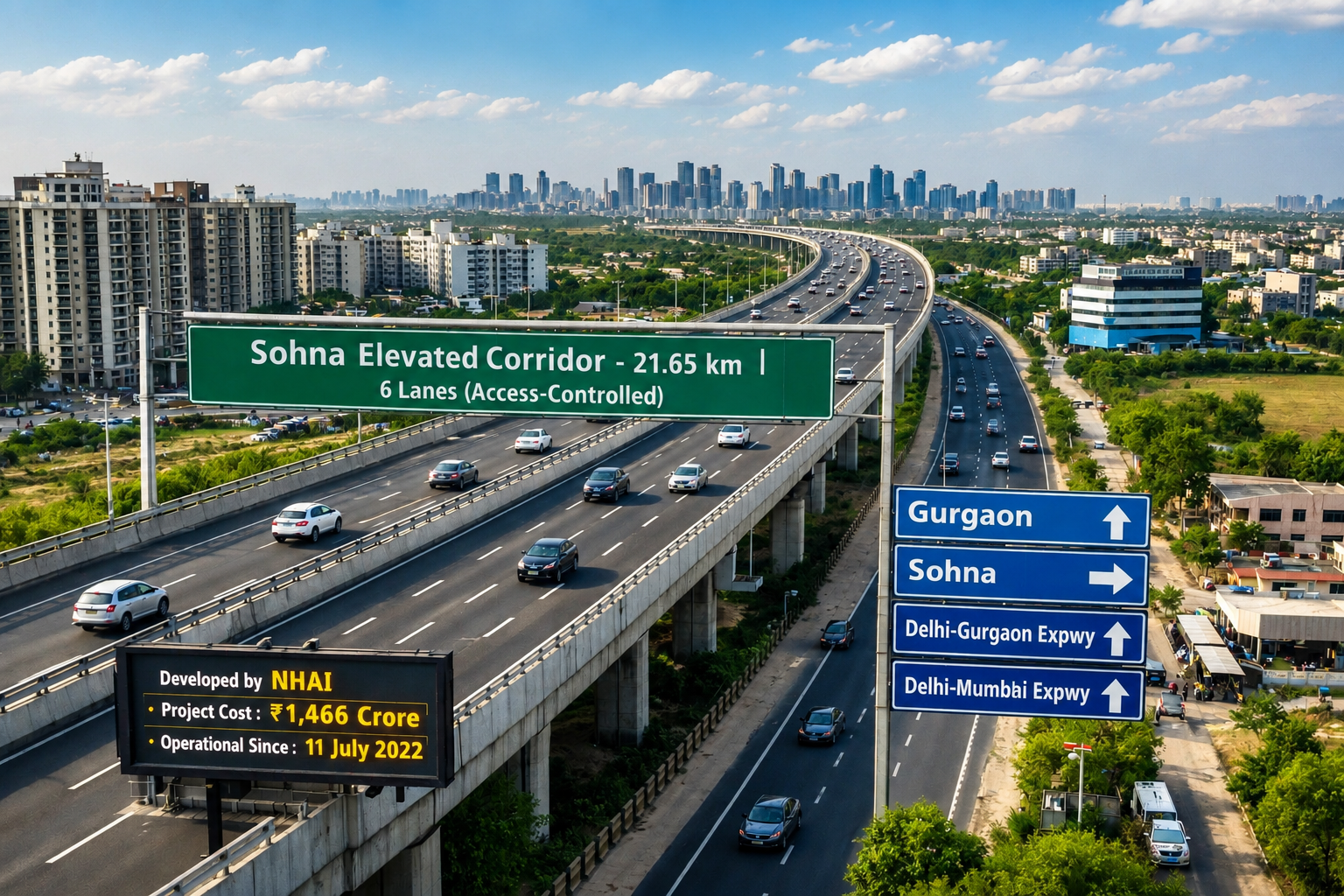
Is Sohna Really the Next Chhatarpur?
Three decades after Chhatarpur redrew South Delhi's map for space, privacy and exclusivity, a familiar pattern is now taking shape further south, and Sohna is where the smart money is beginning to look.
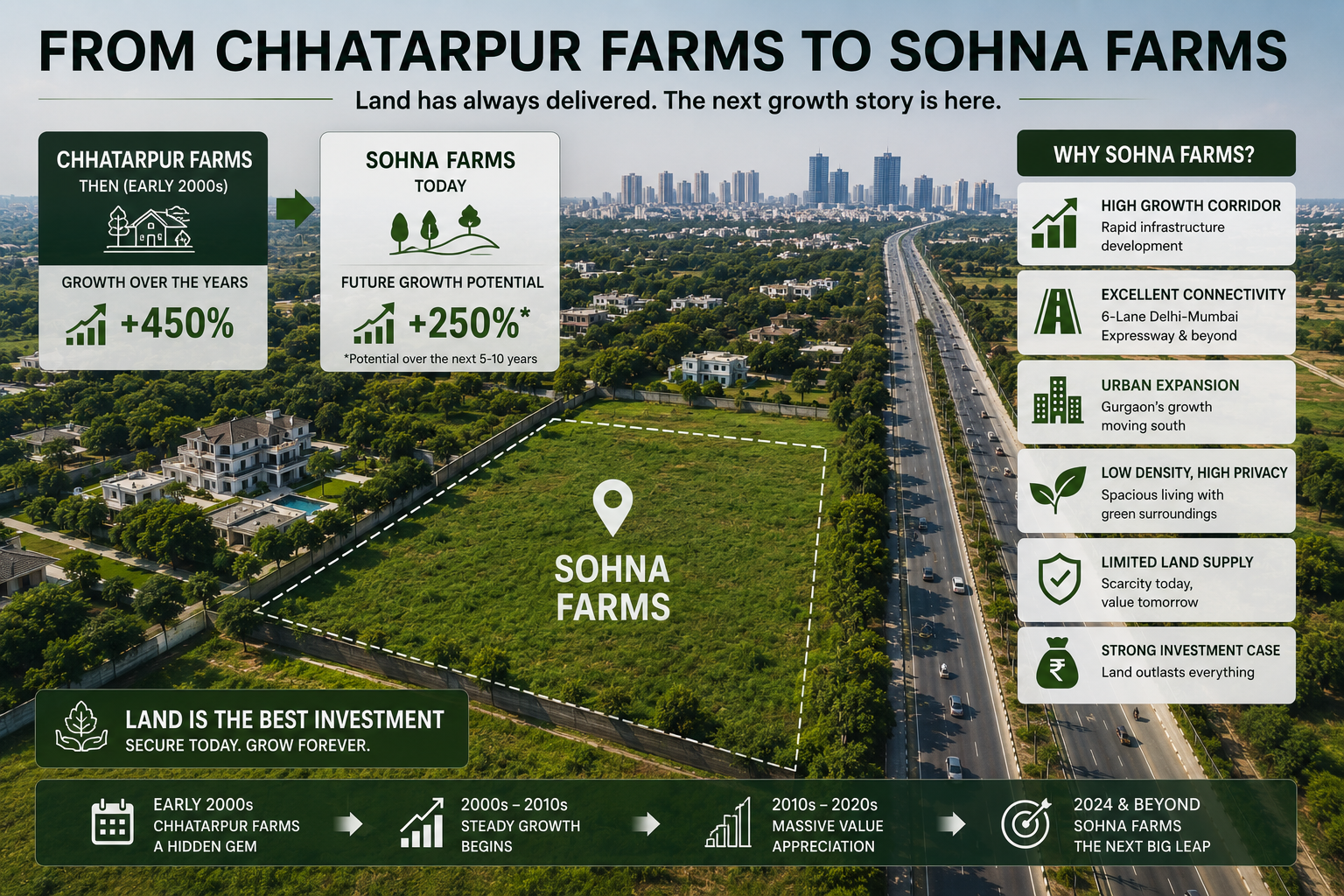
How Chhatarpur Farmhouses Created Multi-Crore Wealth for Early Buyers
What a quiet corner of South Delhi can teach investors about land, scarcity, and long-term wealth creation.
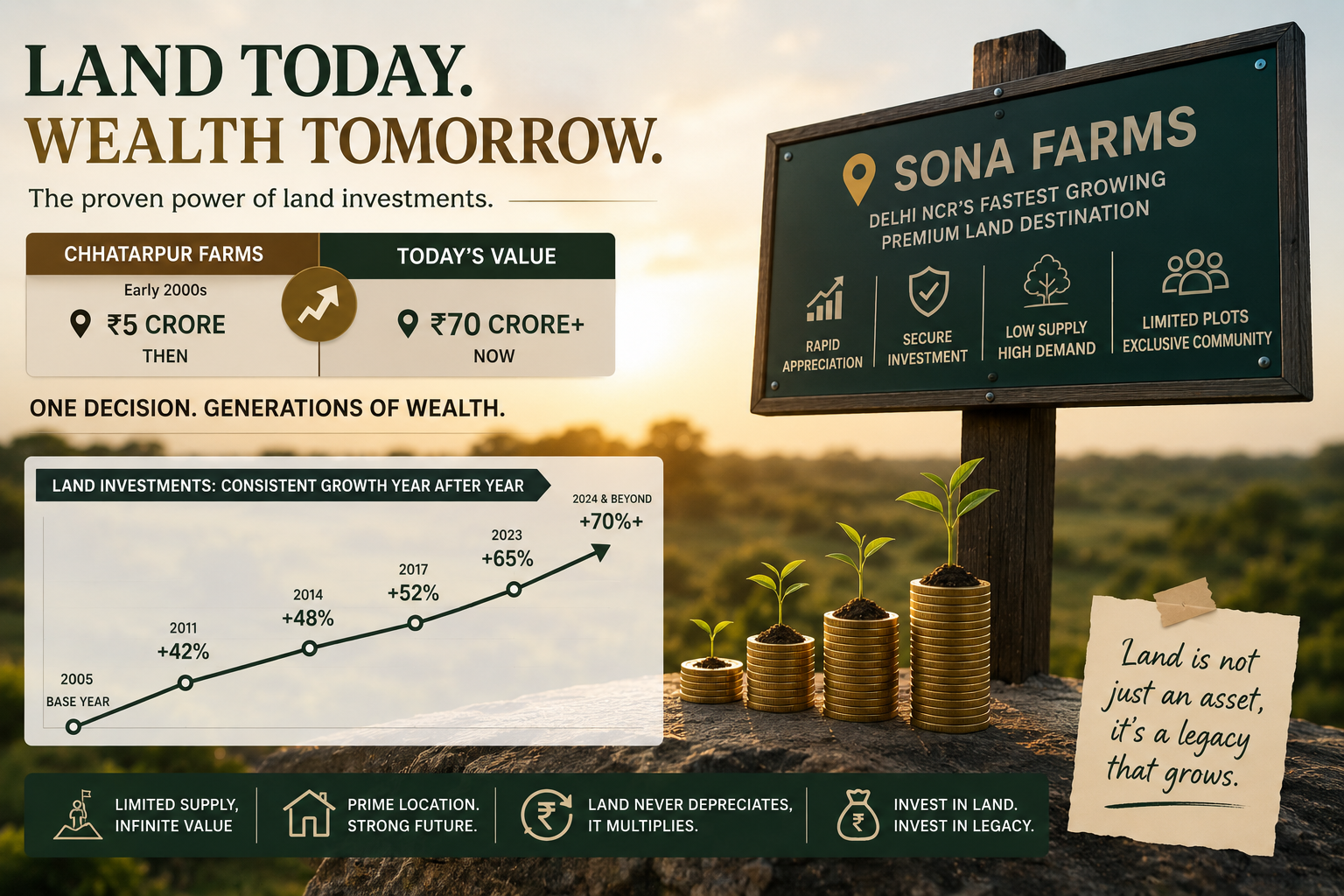
The ₹5 Crore Land Purchase That Became Worth ₹70 Crore
What the Story of DLF Chhatarpur Farms Reveals About Wealth Creation Through Premium Land Ownership
One short email. Stories you can use.
A free, occasional email from our editorial team with our latest features, explainers and reads. Unsubscribe any time — your email stays with us.