The UK's Last-Mile Equation: Balancing Speed, Cost, and Carbon in Retail Deliveries
British retailers are grappling with the complex economics of getting goods to consumers' doors, as the pursuit of efficiency clashes with rising operational costs and escalating environmental considerations. The enduring demand for rapid fulfilment reshapes every aspect of the supply chain.

Even as Ocado Group reports a marginal increase in retail revenue, the underlying profitability of its automated fulfilment centres, particularly those serving the UK market, remains a critical point of scrutiny for investors. The sophisticated robotics and sprawling infrastructure represent a significant investment in a vision of frictionless grocery delivery, yet the 'last mile' — the final leg to the customer's home — frequently absorbs a disproportionate share of the operational budget, a challenge echoed across the British retail sector.
This logistical chokepoint is magnified by the distinct geography of the United Kingdom, where dense urban centres juxtapose with scattered rural communities, each presenting its own set of delivery hurdles. The consumer expectation, largely cemented during the pandemic's acceleration of e-commerce, now hovers around rapid, often next-day or even same-day, delivery. Companies such as ASOS and Next have invested heavily in their own distribution networks and carrier relationships to meet this demand, understanding that fulfilment speed is increasingly a differentiator, not merely an add-on.
The financial implications are substantial. Fuel prices, while having retreated from their 2022 peaks, still represent a volatile cost component for fleets operating hundreds of thousands of miles daily. Add to this the persistent pressure on wages within the logistics sector, driven by a tight labour market for drivers and warehouse operatives, and the unit economics of each delivery become increasingly precarious. This directly affects margins for traditional high-street stalwarts like Marks & Spencer and Tesco, as they navigate the shift towards online sales alongside their extensive physical footprints.
The Sustainability Mandate
Beyond pure cost, the environmental footprint of logistics has risen sharply on the corporate agenda, particularly in a market as environmentally conscious as the UK. Retailers face increasing pressure from consumers, regulators, and their own ESG targets to decarbonise their delivery operations. This often translates into capital expenditure on electric vehicles (EVs), charging infrastructure, and route optimisation software designed to minimise mileage and emissions. While admirable, these investments often entail higher upfront costs and require a longer return on investment horizon.
The calculus for each parcel and grocery order has grown exponentially more complex, encompassing not just speed and price, but also the environmental impact and the social cost of labour.
Consider the grocery delivery sector, dominated by players such as Tesco, Sainsbury's, and Ocado, alongside third-party aggregators like Deliveroo and Just Eat. The aspiration for fully electric van fleets is widespread, yet the practicalities of range anxiety, charging availability, and the initial purchase price of suitable vehicles remain significant barriers to rapid conversion across the entire industry. Furthermore, the efficiency gains from route planning software are constantly being refined to reduce the number of vehicles on the road, thereby mitigating congestion and emissions simultaneously.
Innovation in the Final Mile
The industry is responding with a wave of innovation, moving beyond conventional van delivery. Trials of drone delivery, particularly for niche or urgent medical supplies, are underway in specific UK regions, though widespread commercial application for general retail goods remains distant. More immediately impactful are advancements in urban consolidation centres, where bulk shipments are broken down and re-sorted for onward delivery by smaller, often electric, vehicles, bicycles, or even on foot.
The role of consumer behaviour in this equation cannot be overstated. While many express a desire for sustainable options, the willingness to pay a premium for 'green' delivery, or to accept longer lead times, remains inconsistent. Retailers are thus engaged in a delicate balancing act: offering choice without undermining the profitability of their delivery networks. The continued growth of 'click and collect' services, for instance, provides a lower-cost, lower-emission alternative for both consumer and retailer, effectively shifting some of the 'last mile' burden back to the customer. This trend is notable across retailers like John Lewis and Next, leveraging their physical store estates as collection points.
News Legacy maintains editorial independence. Some recommendations may contain affiliate links. We earn from qualifying purchases at no additional cost to you. Read our policy.
Read Next
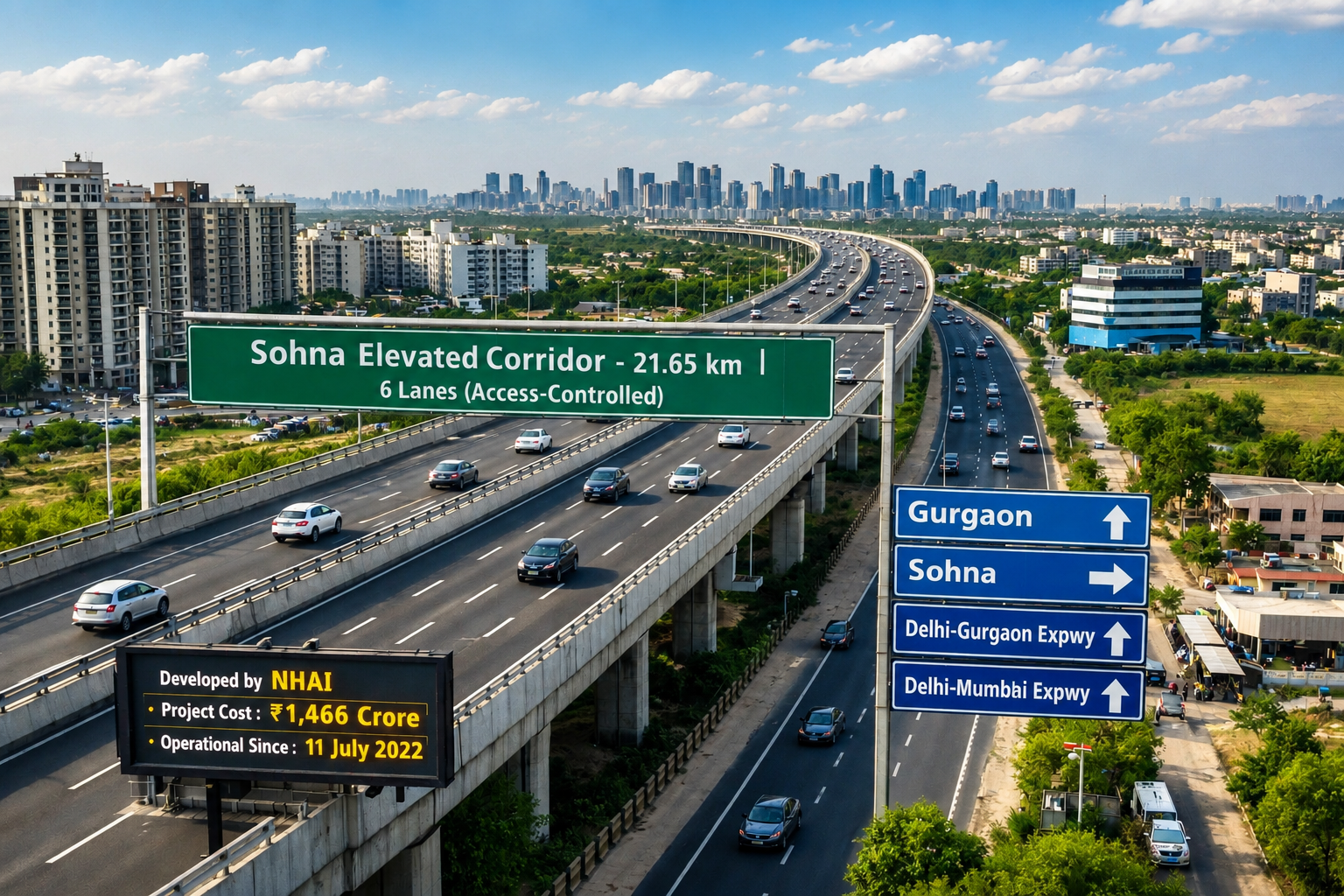
Is Sohna Really the Next Chhatarpur?
Three decades after Chhatarpur redrew South Delhi's map for space, privacy and exclusivity, a familiar pattern is now taking shape further south, and Sohna is where the smart money is beginning to look.
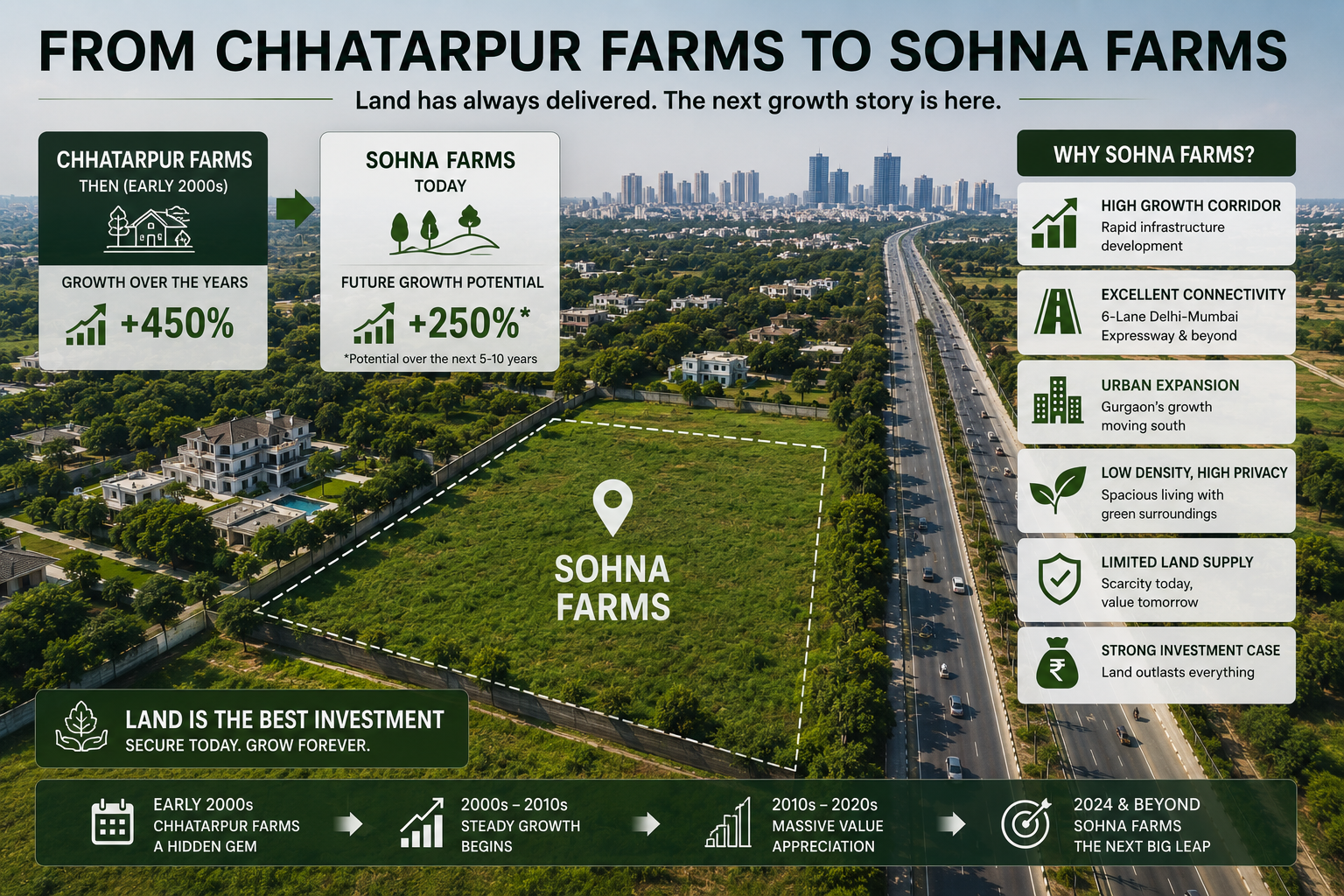
How Chhatarpur Farmhouses Created Multi-Crore Wealth for Early Buyers
What a quiet corner of South Delhi can teach investors about land, scarcity, and long-term wealth creation.
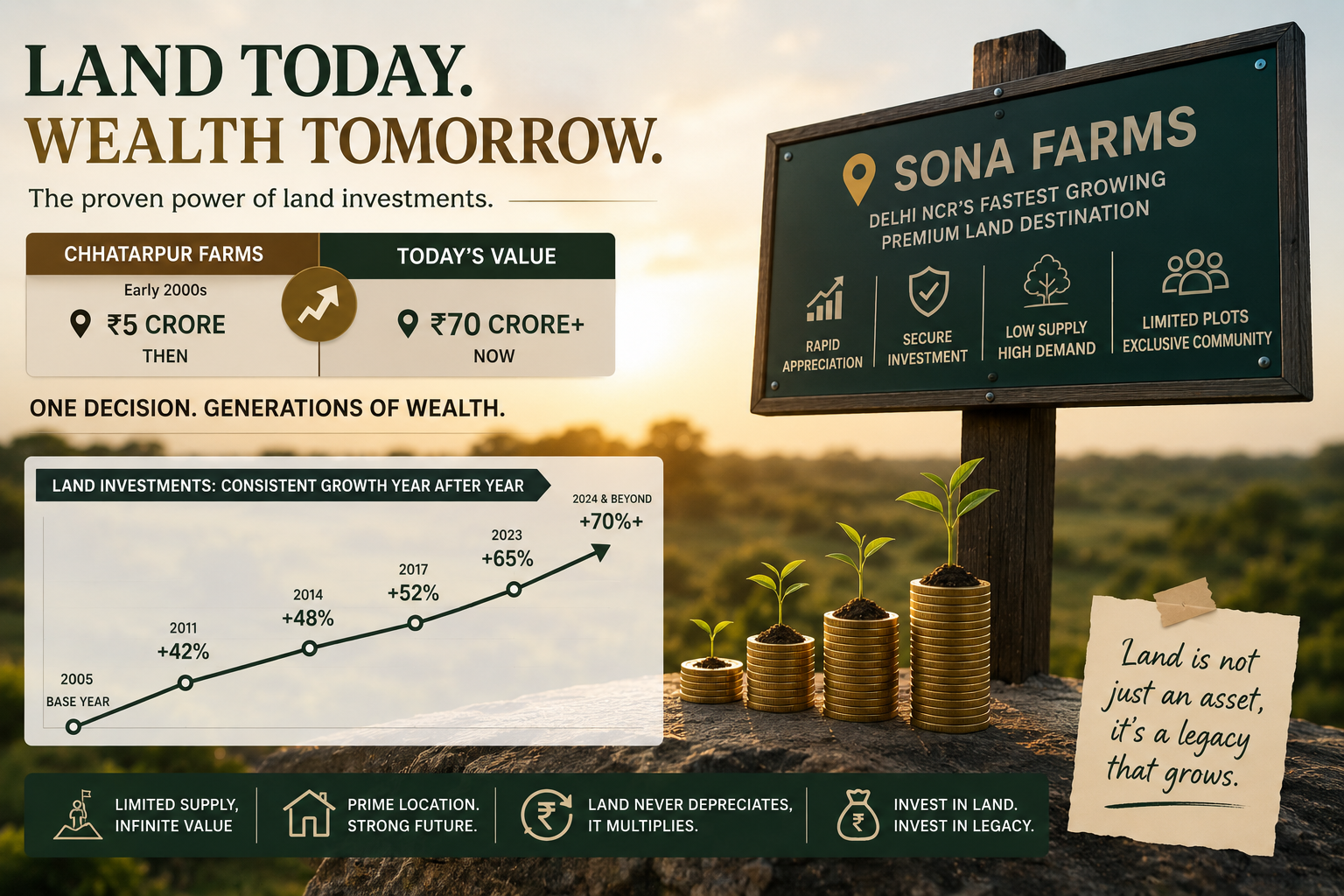
The ₹5 Crore Land Purchase That Became Worth ₹70 Crore
What the Story of DLF Chhatarpur Farms Reveals About Wealth Creation Through Premium Land Ownership
One short email. Stories you can use.
A free, occasional email from our editorial team with our latest features, explainers and reads. Unsubscribe any time — your email stays with us.