The UK's Last-Mile Predicament: Costly Convenience in a Tight Economy
British retailers are grappling with the escalating expenses of rapid delivery, a consumer expectation forged during times of easier spending. As economic headwinds persist, the viability of frictionless logistics models faces renewed scrutiny.

A recent financial update from Deliveroo highlighted the enduring challenge of turning a profit in the competitive and low-margin world of instant gratification. Despite a narrowed adjusted loss, the company's path to sustained profitability underscores a broader trend: the significant operational costs associated with fulfilling consumer demands for speed and convenience across the UK retail sector. This dynamic is forcing a re-evaluation of delivery strategies, particularly as household budgets tighten and the perceived value of premium services shifts.
For years, British consumers grew accustomed to next-day and even same-day delivery as a standard, not a luxury. Companies such as ASOS and Next built empires on efficient, large-scale fulfilment networks, offering vast selections with minimal waiting times. The pandemic further accelerated this expectation, pushing grocery giants like Tesco and Sainsbury's, alongside specialist Ocado, to scale their online delivery infrastructure dramatically. The infrastructure investment required for this shift was substantial, involving new automated warehouses, expanded fleet sizes, and sophisticated routing algorithms.
This convenience comes with a tangible price tag. Fuel costs, driver wages, and the sheer complexity of managing urban logistics routes all contribute to a considerable overhead. Unlike a physical store, where consumers bear the cost of transport to and from the premises, e-commerce often places the burden of 'last-mile' delivery directly or indirectly on the retailer. Margins, particularly in grocery, are already thin; adding significant delivery costs can erode profitability rapidly.
The Consumer's Shifting Calculus
Current economic conditions, characterised by persistent inflation and stagnant wage growth for many, are beginning to alter consumer behaviour. While the allure of instant delivery remains, the willingness to pay a premium for it is diminishing. Industry data suggests a growing number of shoppers are opting for slower, more economical delivery options or, where available, click-and-collect services to circumvent delivery charges. This shift presents a conundrum for retailers who invested heavily in building fast delivery capabilities.
The era of subsidised, ultra-fast delivery, offered as a customer acquisition tool, is giving way to a more pragmatic approach where operational realities dictate pricing and service levels.
Companies like Just Eat Takeaway are navigating a more discerning market, where growth must be balanced with fiscal prudence. The question for many UK businesses is not whether to offer delivery, but at what cost, and to what segment of the market. The volume of returns in fashion retail, a significant logistical and environmental burden, further complicates the economics, adding another layer of cost to the process of getting goods to and from customers' doors.
Operational Realities and Strategic Pivots
Retailers are exploring various avenues to mitigate these expenses. Consolidating deliveries, optimising route planning with artificial intelligence, and investing in electric vehicle fleets are common strategies. Some, like Marks & Spencer, have formed strategic partnerships to leverage existing networks, while others are re-evaluating their free delivery thresholds or introducing tiered service options. The objective is to retain customer loyalty without succumbing to unsustainable operational models.
The trajectory for UK logistics suggests a recalibration rather than a retreat. While the immediate future may see less aggressive expansion of ultra-fast delivery options, the underlying demand for convenience is unlikely to disappear entirely. The challenge for retailers and logistics providers will be to innovate in efficiency, finding ways to deliver value without disproportionate cost, ensuring that the last mile does not become the most expensive one in perpetuity.
News Legacy maintains editorial independence. Some recommendations may contain affiliate links. We earn from qualifying purchases at no additional cost to you. Read our policy.
Read Next
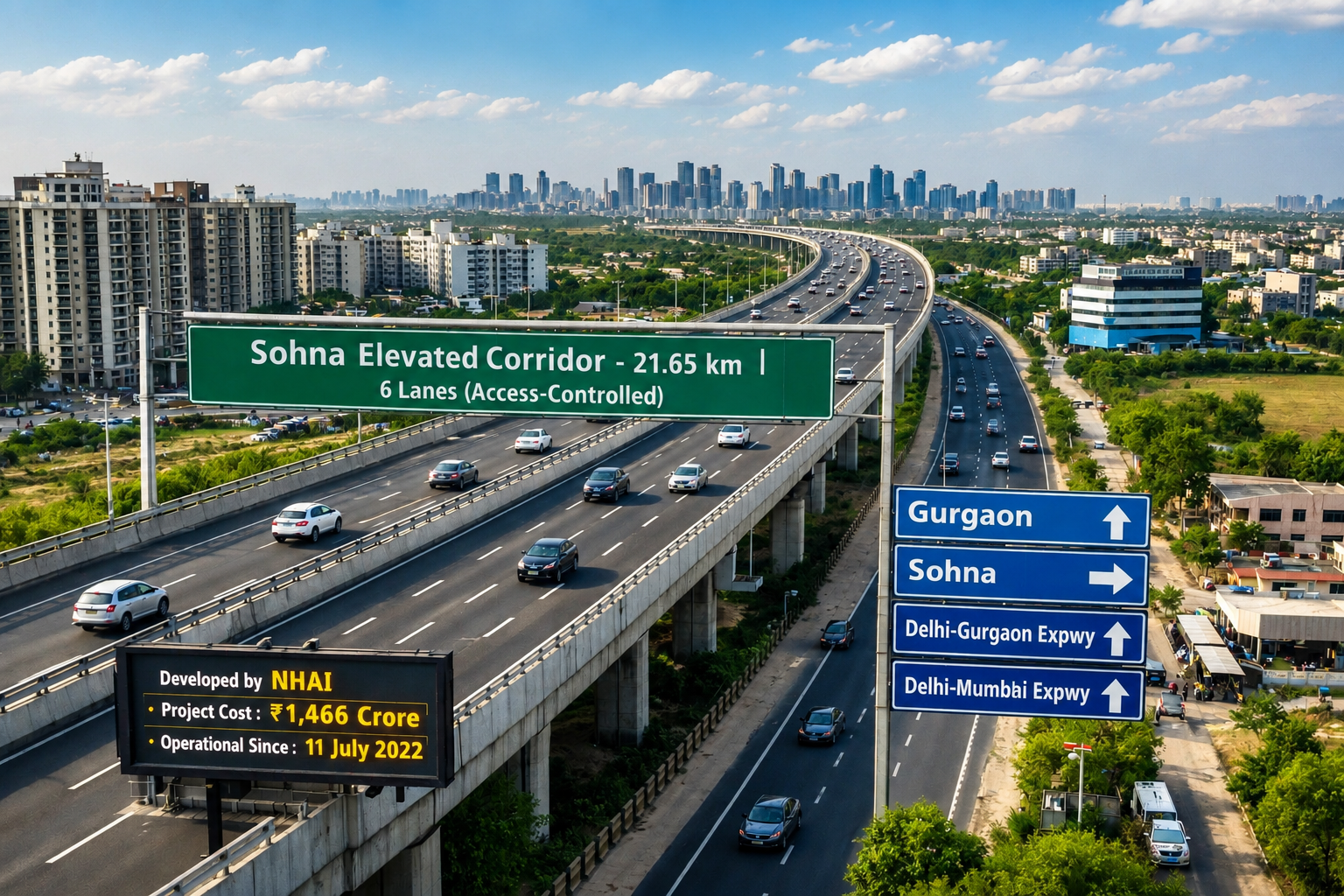
Is Sohna Really the Next Chhatarpur?
Three decades after Chhatarpur redrew South Delhi's map for space, privacy and exclusivity, a familiar pattern is now taking shape further south, and Sohna is where the smart money is beginning to look.
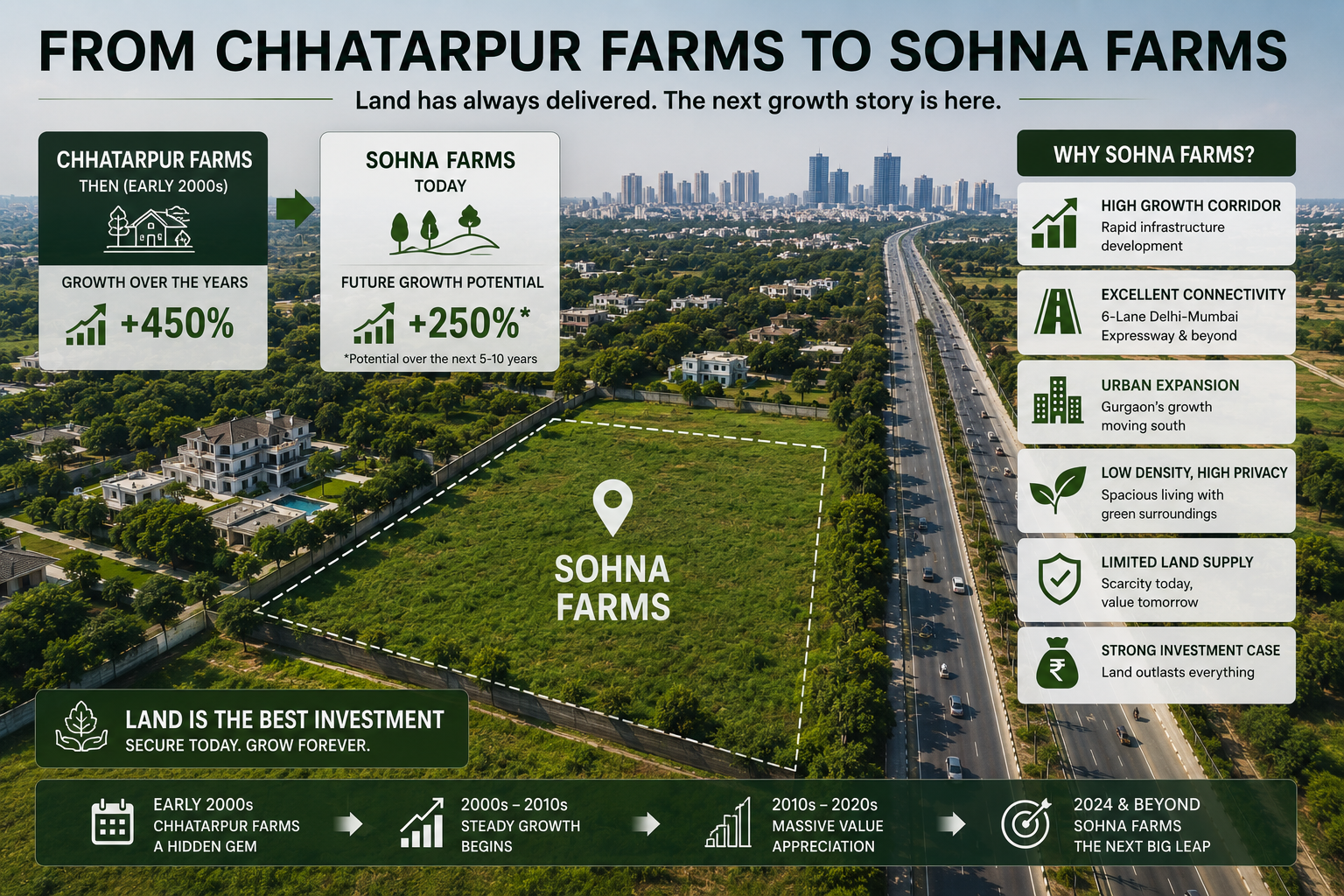
How Chhatarpur Farmhouses Created Multi-Crore Wealth for Early Buyers
What a quiet corner of South Delhi can teach investors about land, scarcity, and long-term wealth creation.
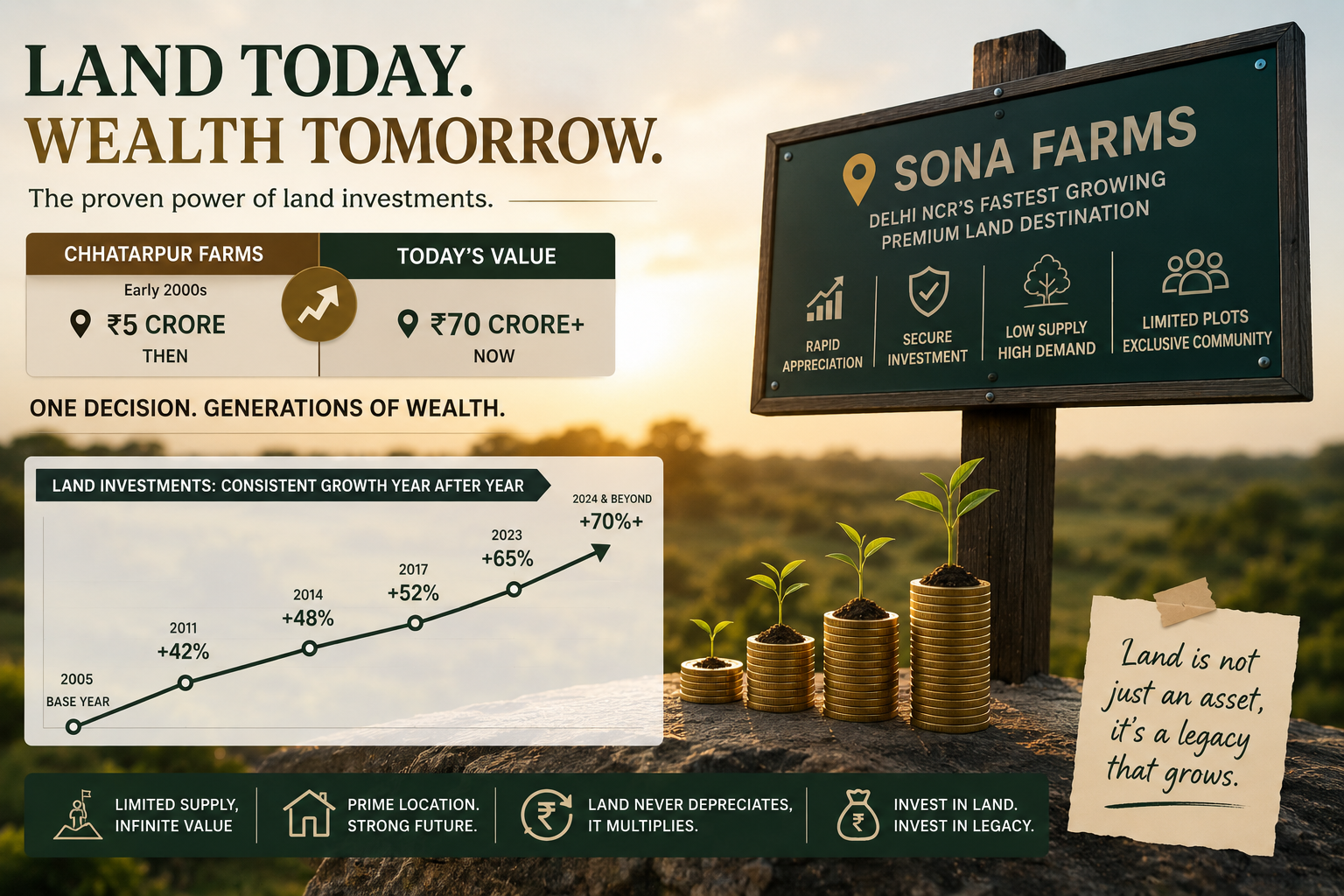
The ₹5 Crore Land Purchase That Became Worth ₹70 Crore
What the Story of DLF Chhatarpur Farms Reveals About Wealth Creation Through Premium Land Ownership
One short email. Stories you can use.
A free, occasional email from our editorial team with our latest features, explainers and reads. Unsubscribe any time — your email stays with us.