The UK's Last-Mile Predicament: Retailers Face Rising Delivery Costs Amid Scrutiny
British retailers are grappling with escalating delivery expenses, a challenge intensified by evolving consumer expectations and persistent economic headwinds. The delicate balance between speed, cost, and environmental impact now defines competitive advantage.

A Tesco delivery van, navigating the narrow streets of a London borough, embodies the daily logistical puzzle facing UK retailers. Each successful drop-off represents a triumph over traffic, fuel prices, and labour shortages, yet these same operations are increasingly straining profit margins across the sector. What was once a premium service has become a fundamental consumer expectation, transforming last-mile delivery into a critical, yet costly, battleground for market share.
The sheer volume of online orders continues its upward trajectory, albeit at a slower pace than the pandemic-induced surge. Data from the Office for National Statistics indicates that online retail sales in the UK consistently account for over a quarter of all retail spending, a structural shift that shows little sign of reversing. This sustained demand places immense pressure on existing distribution networks, designed in an era when bricks-and-mortar still held undisputed primacy.
Maintaining competitive delivery speeds, often next-day or even same-day, requires significant investment. For grocery giants like Sainsbury's and Ocado, this translates into sophisticated automated warehouses and extensive refrigerated fleets. Fashion retailers such as ASOS and Next, meanwhile, must manage vast inventories and rapid dispatch from centralised hubs to meet the fickle demands of their customer base, often absorbing delivery costs themselves to avoid friction at checkout.
The Scrutiny of Free Delivery
Consumers have grown accustomed to 'free' delivery, a perception that belies the considerable expense borne by retailers. This expectation was largely set by early e-commerce pioneers leveraging scale, but it has become unsustainable for many as input costs rise. Fuel prices, vehicle maintenance, and driver wages have all seen substantial increases. The Road Haulage Association has consistently highlighted driver shortages, pushing up remuneration packages in an already tight labour market.
Marks & Spencer, for instance, has been recalibrating its online proposition, seeking to optimise delivery efficiency while avoiding alienating its customer base. The strategic shift involves consolidating delivery partners and refining geographical reach, efforts replicated across much of the retail landscape. The implicit cost of 'free' returns, particularly prevalent in apparel, further exacerbates the financial strain on logistics operations.
The true cost of convenience is rarely factored into the consumer's perception, yet retailers can no longer afford to ignore the financial implications of every parcel moved.
The competitive pressures exerted by rapid delivery platforms like Deliveroo and Just Eat in the takeaway sector have also subtly recalibrated consumer expectations for speed across other retail categories. While a pair of shoes is different from a hot meal, the psychological impact of near-instant gratification permeates wider purchasing habits. This pushes traditional retailers to invest in faster, albeit more expensive, fulfilment options or risk losing customers to rivals with superior logistical agility.
Technological Solutions and Environmental Imperatives
Investment in automation and artificial intelligence is seen as a key lever to mitigate escalating costs. Robotics in fulfilment centres, such as those deployed by Ocado, promise increased efficiency and accuracy, reducing reliance on manual labour. Predictive analytics can optimise delivery routes, cutting fuel consumption and vehicle wear, thereby addressing both economic and environmental concerns. Urban micro-fulfilment centres are also gaining traction, positioning stock closer to consumers to reduce final-mile transit times and distances.
The drive towards sustainability adds another layer of complexity. Retailers face increasing pressure to electrify their delivery fleets and reduce packaging waste, investments that carry significant upfront capital expenditure. Balancing the immediate financial imperative with long-term environmental responsibility is a critical challenge. The interplay between consumer demand for speed, economic realities, and ecological stewardship will continue to shape the UK's logistics sector for the foreseeable future.
Ultimately, the sector faces a reckoning. Retailers must either find innovative ways to absorb or pass on these rising delivery costs, or fundamentally re-educate consumers about the value and true price of convenience. The current trajectory suggests a future where logistical excellence, rather than merely product, will increasingly define commercial success.
News Legacy maintains editorial independence. Some recommendations may contain affiliate links. We earn from qualifying purchases at no additional cost to you. Read our policy.
Read Next
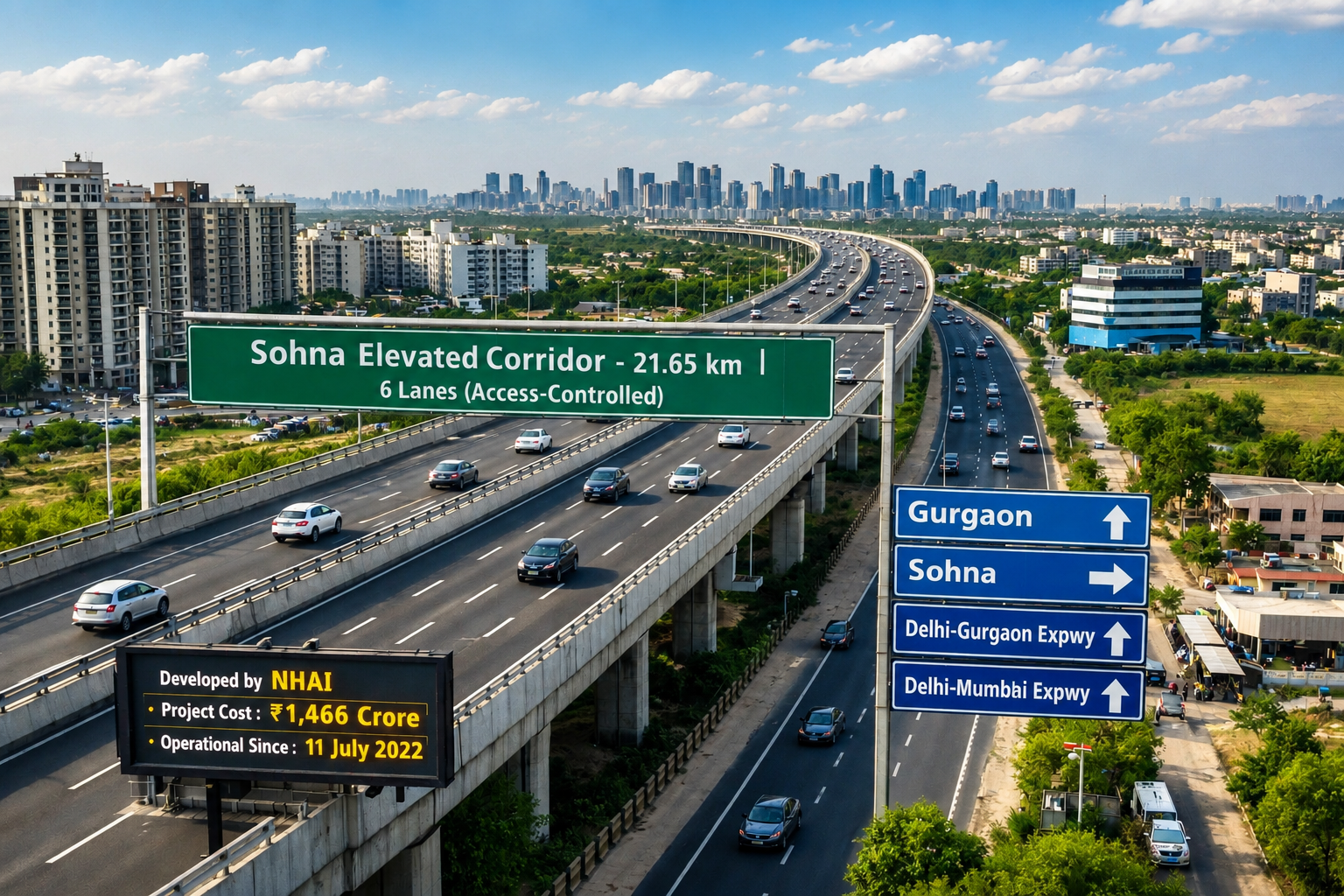
Is Sohna Really the Next Chhatarpur?
Three decades after Chhatarpur redrew South Delhi's map for space, privacy and exclusivity, a familiar pattern is now taking shape further south, and Sohna is where the smart money is beginning to look.
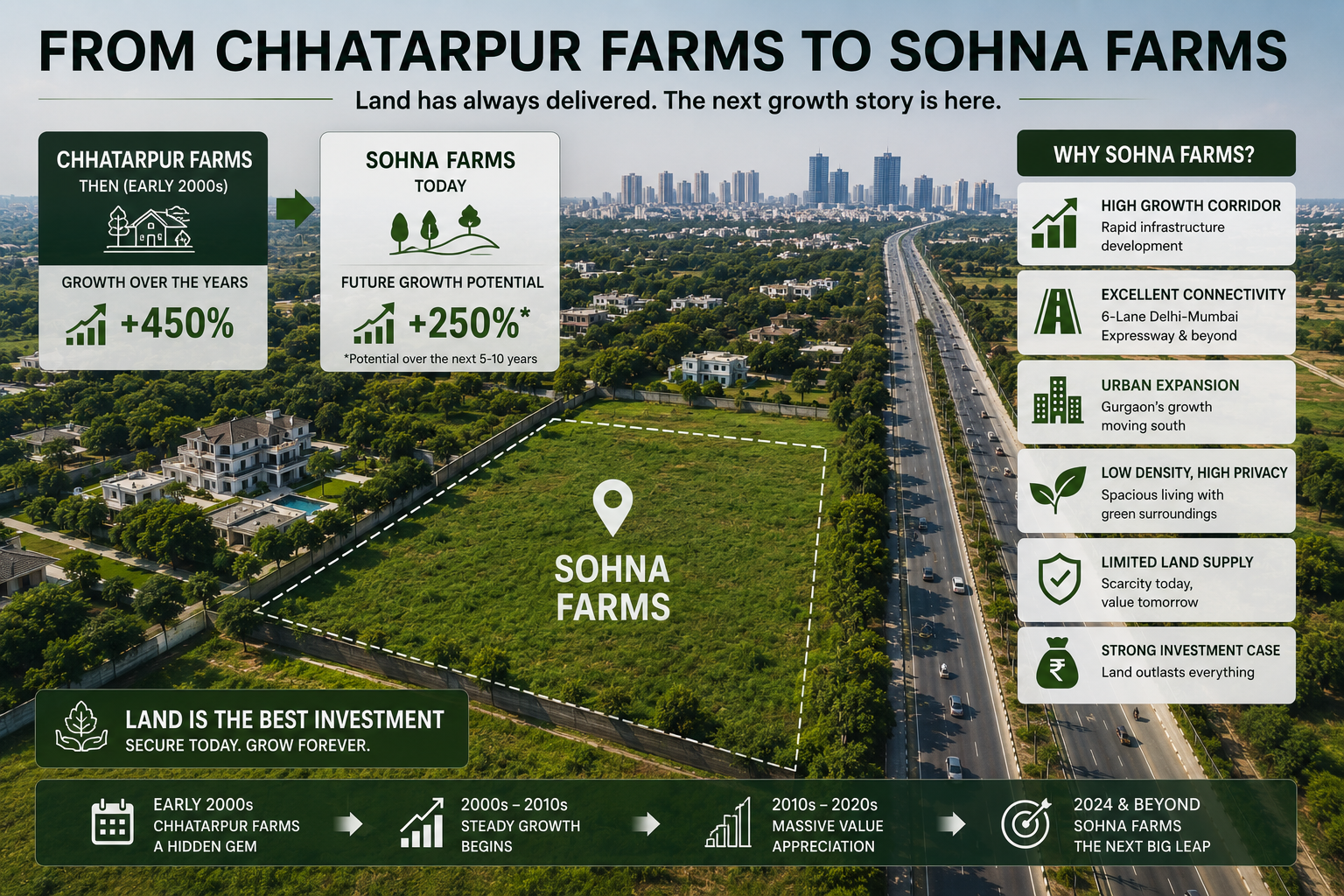
How Chhatarpur Farmhouses Created Multi-Crore Wealth for Early Buyers
What a quiet corner of South Delhi can teach investors about land, scarcity, and long-term wealth creation.
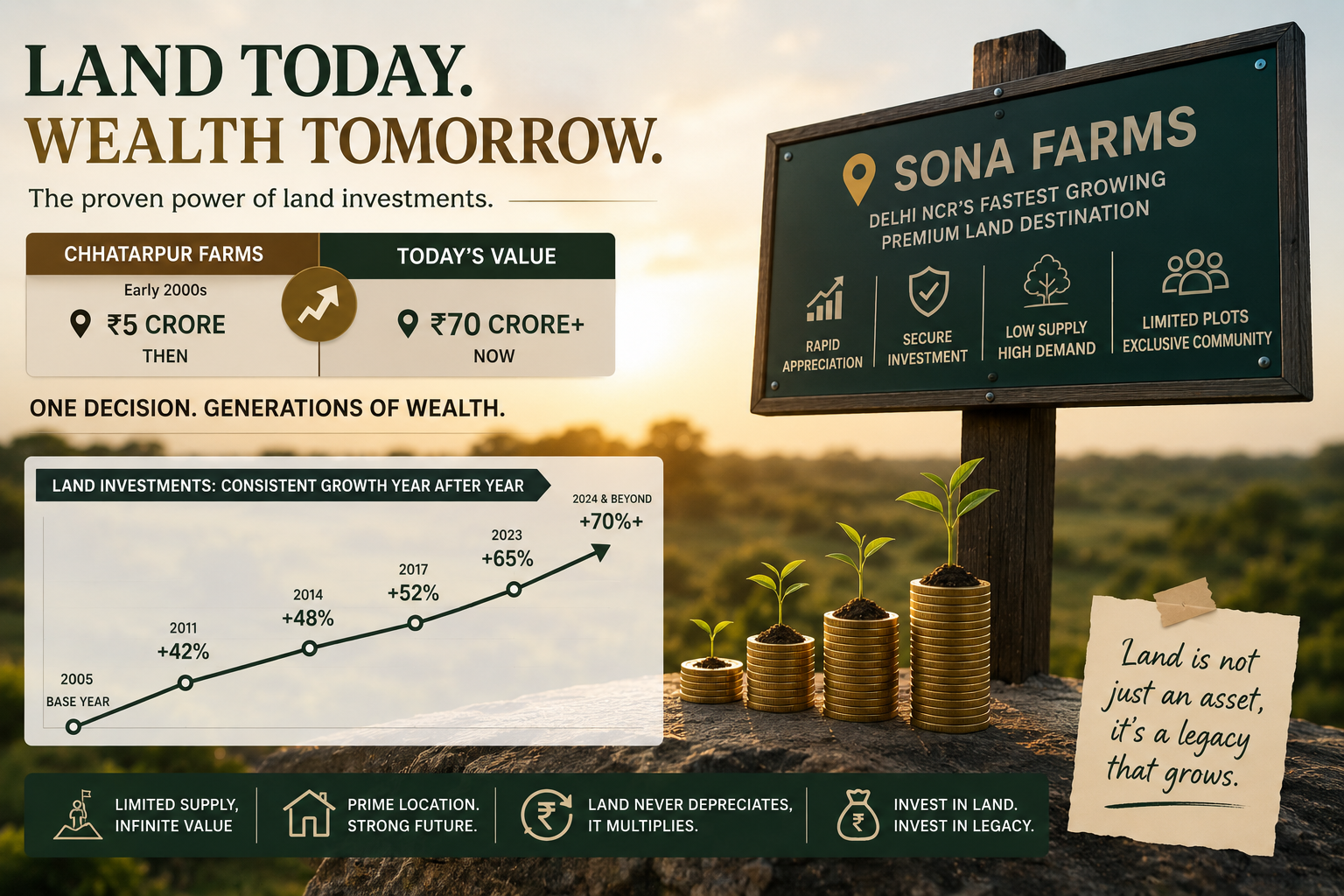
The ₹5 Crore Land Purchase That Became Worth ₹70 Crore
What the Story of DLF Chhatarpur Farms Reveals About Wealth Creation Through Premium Land Ownership
One short email. Stories you can use.
A free, occasional email from our editorial team with our latest features, explainers and reads. Unsubscribe any time — your email stays with us.