The UK's Last Mile: Retailers Confronting the Rising Cost of Delivery Expectation
British consumers, accustomed to rapid and inexpensive fulfilment, are inadvertently driving a structural shift in retail logistics. As operating costs escalate, the industry faces a critical juncture between maintaining service levels and ensuring commercial viability.

At a Tesco Extra in Outer London, a fleet of delivery vans, emblazoned with the familiar blue and red livery, idles at a dedicated collection bay. This scene, replicated across thousands of grocery and general merchandise stores nationwide, underscores a fundamental evolution in British retail: the last mile, once an ancillary service, has become a core competency and an increasing financial burden. The expectation of next-day or even same-day delivery, often at minimal or no cost, has been cemented by years of intense competition and consumer demand, transforming the operational landscape for companies from ASOS to Sainsbury's.
The pandemic significantly accelerated this trend, pushing a greater proportion of spending online and normalising instantaneous gratification. While this surge provided temporary revenue boosts, it also exposed vulnerabilities in existing logistical frameworks. Infrastructure designed for bulk shipments to stores struggled to adapt efficiently to individual parcel deliveries directly to residences. This shift necessitates higher labour inputs, more granular routing, and an expanded vehicle fleet, all contributing to a rising cost base that retailers are now grappling to contain.
For pure-play online fashion retailers like ASOS and Next, who built their models on direct-to-consumer shipping, the challenge manifests differently. While they possess established fulfilment centres, the sheer volume and velocity of returns, particularly in apparel, add another layer of complexity and expense. Managing reverse logistics efficiently, from collection to processing and re-stocking, represents a significant drain on profitability, especially when considering the environmental implications and customer experience expectations around easy returns.
The Ocado Paradox and Infrastructure Investments
Ocado, often cited for its advanced robotic warehouses, exemplifies the capital-intensive nature of sophisticated logistics. Its Andover and Erith Customer Fulfilment Centres (CFCs) represent substantial investments, designed to handle millions of items weekly with high precision. While these automated systems promise long-term efficiency gains, the upfront cost and operational complexity are significant barriers for many traditional retailers. The race to automate and optimise is pushing firms to either make substantial internal investments or forge strategic partnerships, as seen with Ocado's technology licensing agreements.
Major brick-and-mortar players are not immune. Marks & Spencer, for instance, continues to refine its store-to-door delivery models, leveraging its extensive physical footprint as local hubs for online orders. This hybrid approach seeks to capitalise on existing assets while meeting evolving customer needs. However, integrating disparate inventory systems and training staff for new fulfilment roles presents its own set of operational hurdles.
The financial implications are substantial. Fuel price volatility, labour shortages in the warehousing and driving sectors, and investments in zero-emission vehicle fleets are all contributing factors. Delivering a single parcel across London can incur costs upwards of £5 to £10 for a retailer, a figure often subsidised or absorbed entirely to remain competitive. For consumers paying a nominal delivery fee, or none at all, this cost differential is frequently unapparent, yet it profoundly impacts a retailer's margin.
The persistent consumer expectation for fast, cheap delivery is fundamentally reshaping retailer balance sheets, requiring a strategic re-evaluation of every step from the distribution centre to the doorstep.
Technology Adoption and the Future Outlook
The competitive pressure from food delivery aggregators like Deliveroo and Just Eat, which have set a precedent for near-instantaneous delivery for meals, is subtly influencing broader retail expectations. While the scale and nature of goods differ, the psychological conditioning for speed has seeped into other sectors. Retailers are increasingly exploring technologies such as AI-powered route optimisation, predictive analytics for inventory placement, and micro-fulfilment centres located closer to urban populations to mitigate these pressures.
However, a wholesale shift towards completely free, ultra-fast delivery across all retail categories appears unsustainable without significant price adjustments elsewhere. The next phase of retail logistics in the UK will likely involve a more nuanced approach, where premium services command premium prices, and standard delivery options reflect a more accurate cost burden. Retailers face the delicate task of recalibrating consumer expectations while simultaneously innovating their supply chains to remain both competitive and profitable in a market valuing speed above almost all else.
News Legacy maintains editorial independence. Some recommendations may contain affiliate links. We earn from qualifying purchases at no additional cost to you. Read our policy.
Read Next
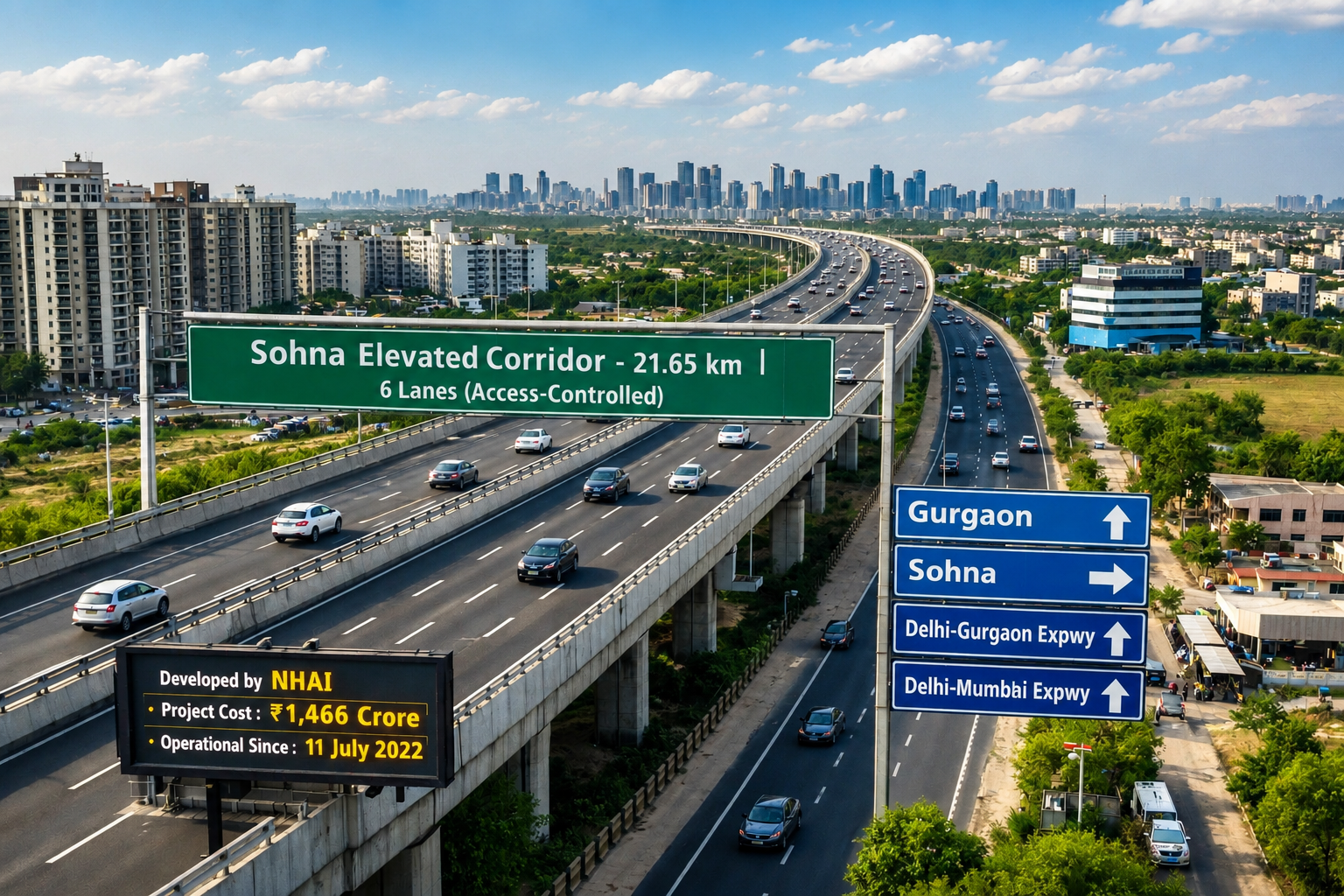
Is Sohna Really the Next Chhatarpur?
Three decades after Chhatarpur redrew South Delhi's map for space, privacy and exclusivity, a familiar pattern is now taking shape further south, and Sohna is where the smart money is beginning to look.
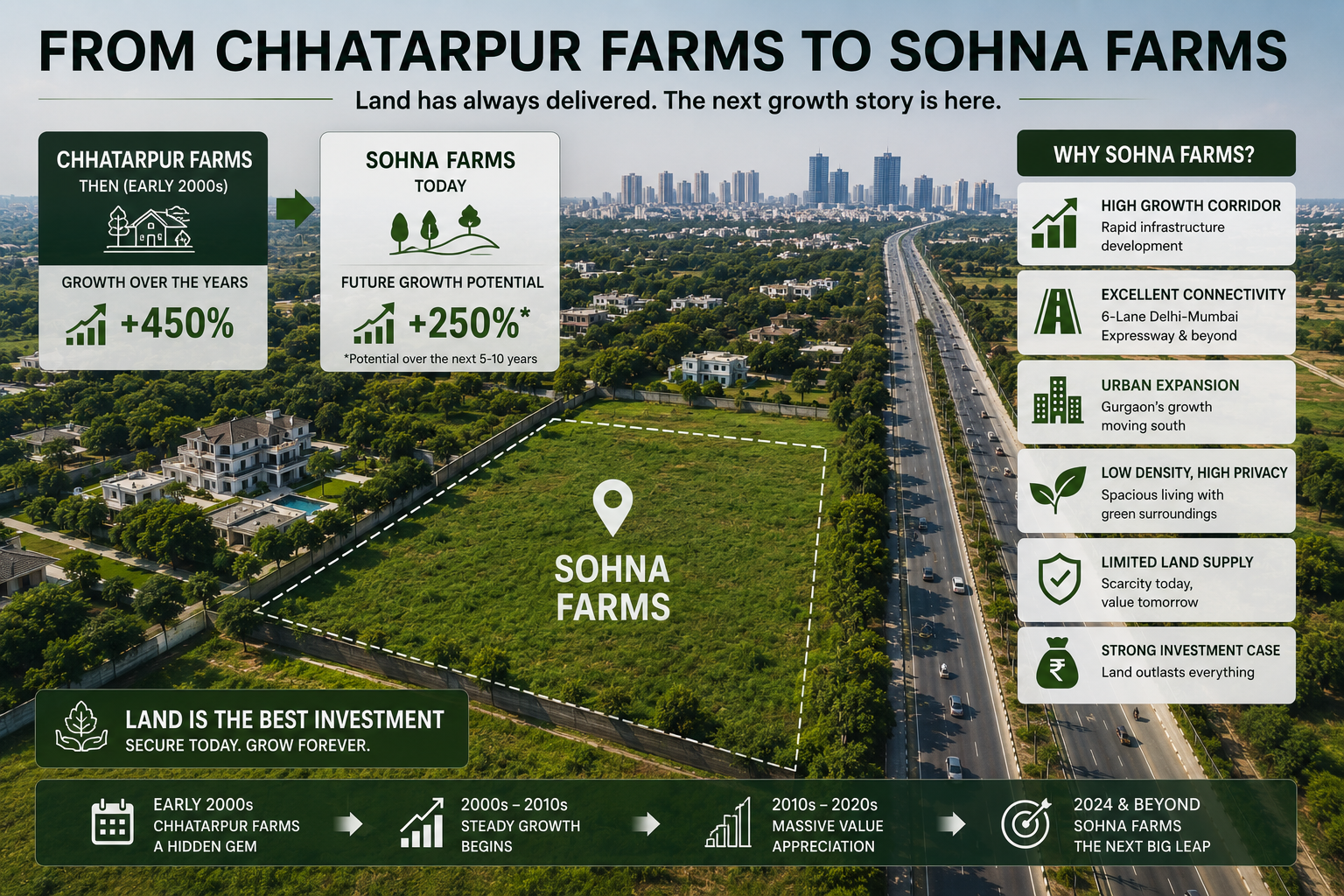
How Chhatarpur Farmhouses Created Multi-Crore Wealth for Early Buyers
What a quiet corner of South Delhi can teach investors about land, scarcity, and long-term wealth creation.

The ₹5 Crore Land Purchase That Became Worth ₹70 Crore
What the Story of DLF Chhatarpur Farms Reveals About Wealth Creation Through Premium Land Ownership
One short email. Stories you can use.
A free, occasional email from our editorial team with our latest features, explainers and reads. Unsubscribe any time — your email stays with us.