The UK's Marketplace Paradox: Retailers Embrace Digital Platforms Amidst Margin Pressures
British retailers are navigating a complex landscape, increasingly leveraging third-party marketplaces and their own digital ecosystems to reach consumers, even as this strategy introduces new layers of competition and cost structures.

Across the United Kingdom, from the bustling aisles of a Tesco Extra to the digital storefronts of ASOS, a fundamental shift in retail distribution is underway. Traditional high street stalwarts and online-first enterprises are recalibrating their engagement with digital marketplaces, both as sellers and as operators. This evolution is driven by the imperative to capture elusive consumer spending and optimise operational reach, yet it frequently necessitates a trade-off with direct control and profit margins.
The pandemic accelerated a pre-existing trend towards online commerce, establishing digital platforms as non-negotiable channels for customer engagement. Companies such as Marks & Spencer have expanded their online offerings to include third-party brands, recognising that a broader catalogue can increase digital footfall and basket size. Similarly, Next has strategically built out its 'Next Label' platform, hosting numerous external brands alongside its own extensive fashion and homeware collections, effectively becoming a marketplace operator itself.
This dual role — being a vendor on platforms like Amazon while simultaneously hosting other brands on one's own site — exemplifies the strategic ambiguity permeating the sector. For many, the substantial reach of established marketplaces is simply too compelling to ignore, despite the commission fees that can range from 10% to 25% depending on the category and platform. The alternative often means significant investment in marketing and logistics to achieve comparable visibility.
The Cost of Convenience and Reach
For businesses like Ocado, the marketplace model extends beyond general merchandise into grocery delivery. While Ocado operates a sophisticated logistics network for its own brand and for partners like Marks & Spencer, the broader grocery sector faces pressure from immediate delivery services such as Deliveroo and Just Eat, which act as marketplaces for prepared meals and, increasingly, convenience items. These platforms charge restaurants and shops a substantial percentage of each transaction, a cost often passed on to the consumer or absorbed from already thin margins.
The economic climate further complicates this dynamic. With inflation impacting household budgets, consumers are increasingly price-sensitive, prompting retailers to seek efficiencies wherever possible. However, the costs associated with marketplace participation – listing fees, advertising spend, and fulfilment charges – can erode profitability, particularly for lower-value items. This necessitates a careful calibration of product mix and pricing strategies to maintain viability.
The allure of vast customer bases often overshadows the inherent compromises on direct customer relationships and margin control, necessitating a sophisticated analytical approach to platform engagement.
Navigating the Platform Economy
Companies like ASOS, traditionally an online-only retailer, illustrate another facet of this evolution. While not a marketplace in the sense of hosting third-party sellers on its primary domain in the way Next does, ASOS curates a vast selection of brands, effectively acting as an aggregator. Its recent operational challenges, including inventory misjudgements and supply chain issues, underscore that even digital-native models are not immune to the complexities of large-scale retail, particularly when scaling through a diverse brand portfolio.
The sheer volume of online transactions in the UK reached an estimated £230 billion in 2023, with a significant portion facilitated through or influenced by marketplace platforms. This scale dictates that retailers cannot afford to be absent from these digital arenas. However, the strategic imperative is shifting from simply being present to meticulously optimising presence, leveraging data insights to understand customer pathways, and negotiating terms that protect brand equity and financial performance. The outcome will shape the future retail landscape, determining which entities can effectively balance reach with profitability in an increasingly platform-centric economy.
News Legacy maintains editorial independence. Some recommendations may contain affiliate links. We earn from qualifying purchases at no additional cost to you. Read our policy.
Read Next

Is Sohna Really the Next Chhatarpur?
Three decades after Chhatarpur redrew South Delhi's map for space, privacy and exclusivity, a familiar pattern is now taking shape further south, and Sohna is where the smart money is beginning to look.
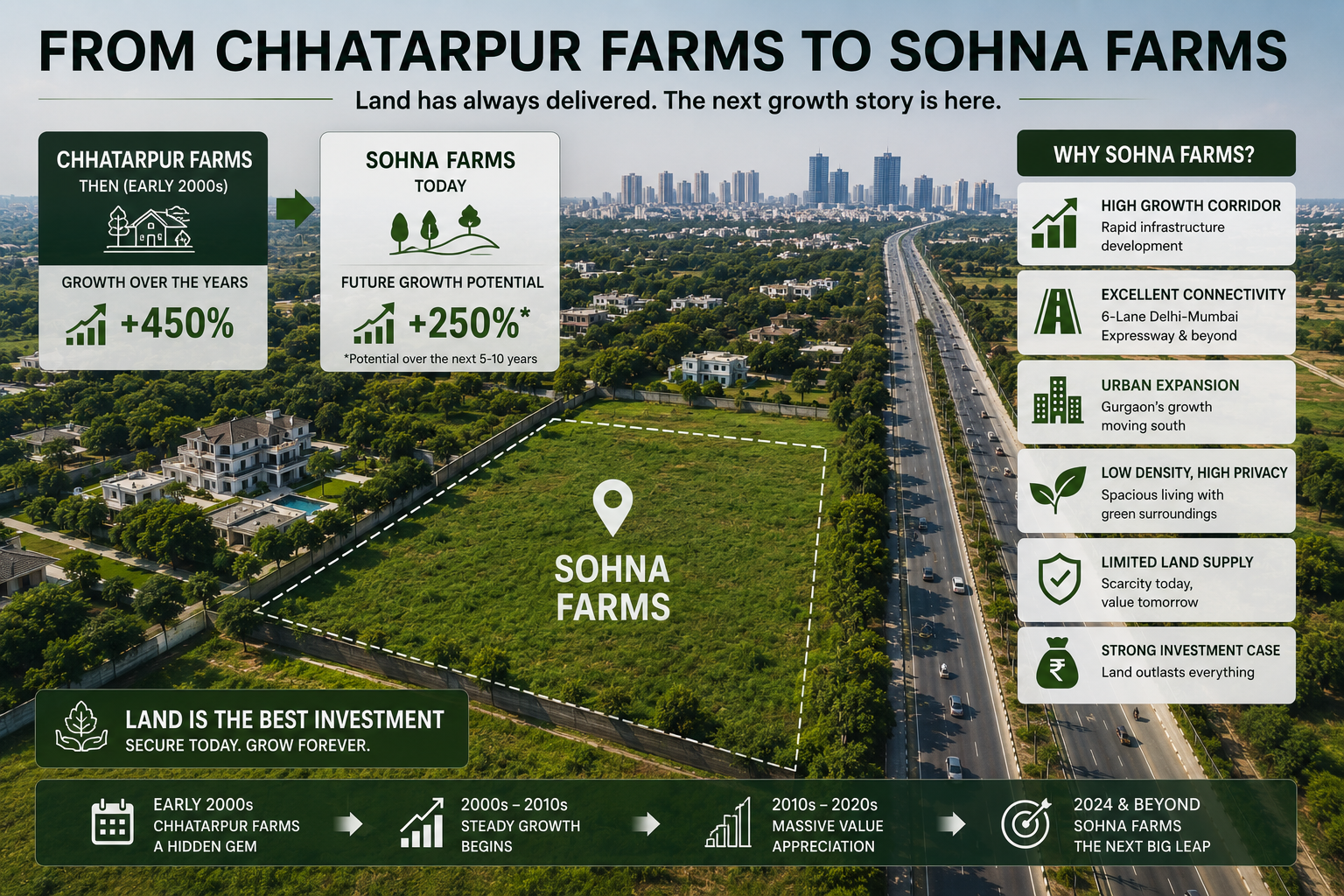
How Chhatarpur Farmhouses Created Multi-Crore Wealth for Early Buyers
What a quiet corner of South Delhi can teach investors about land, scarcity, and long-term wealth creation.
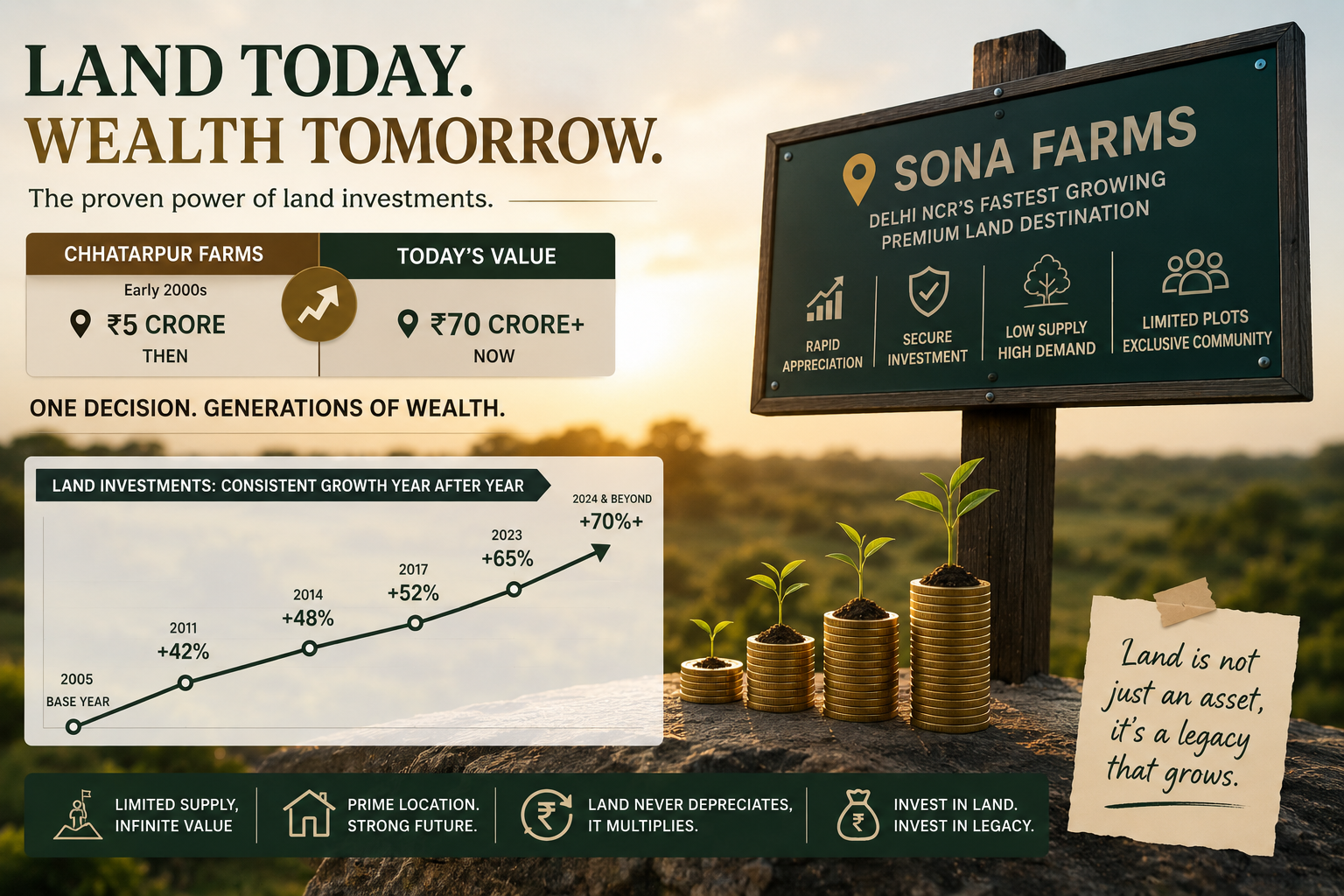
The ₹5 Crore Land Purchase That Became Worth ₹70 Crore
What the Story of DLF Chhatarpur Farms Reveals About Wealth Creation Through Premium Land Ownership
One short email. Stories you can use.
A free, occasional email from our editorial team with our latest features, explainers and reads. Unsubscribe any time — your email stays with us.