The UK's Marketplace Paradox: Retailers Grapple with Growth and Control
British retailers are navigating a complex landscape where third-party marketplaces offer expanded reach but demand strategic compromises, impacting profitability and brand autonomy.

From the bustling aisles of Tesco Extra to the digital storefronts of ASOS, British retail entities are increasingly confronting a strategic dilemma: how to effectively integrate or compete with the burgeoning marketplace model. The decision to participate in, or even create, a third-party selling platform involves a careful calibration of potential revenue gains against the dilution of brand control and the operational complexities inherent in such ecosystems. This evolving dynamic is reshaping established commercial hierarchies and consumer expectations across the United Kingdom.
The ascendancy of digital marketplaces, epitomised globally by Amazon and domestically by specialised platforms, has prompted a re-evaluation of traditional retail strategies. For some, like Marks & Spencer, launching a curated external brands platform on their own website has been a calculated move to broaden appeal and capture new demographics, complementing their established in-house lines. This approach seeks to leverage existing brand trust while expanding product categories without the full capital outlay of direct procurement.
Conversely, many UK brands and retailers are finding themselves compelled to list products on external marketplaces to maintain visibility in an increasingly fragmented digital commerce sphere. This often means ceding a portion of sales revenue to platform fees, which can range from 5% to upwards of 20% depending on the category and service level. While this provides access to a wider customer base, it also places brands in direct competition with myriad other sellers, including private labels, diminishing differentiation.
The Deliveroo-Effect on Groceries
The rapid penetration of rapid grocery delivery services, exemplified by Deliveroo and Just Eat, illustrates another facet of the marketplace influence. Supermarket giants like Sainsbury's and Morrisons have partnered with these platforms, extending their reach into the instantaneous convenience sector. This collaboration, while meeting a growing consumer demand for speed, also introduces an intermediary layer between the grocer and the customer, potentially obscuring direct consumer data and loyalty initiatives.
One industry analyst observes that the immediate revenue benefits often outweigh the longer-term strategic concerns regarding customer ownership, at least in the initial phases of marketplace adoption.
The operational challenges for retailers engaging with these platforms are considerable. Integrating inventory management systems, ensuring seamless order fulfilment, and maintaining brand standards across diverse digital environments require significant technological investment and logistical acumen. For companies like Next, whose extensive online presence and efficient supply chain already cater to a broad customer base, the calculus for adopting external marketplaces is different from a smaller, niche fashion retailer.
Data Ownership and Brand Integrity
A crucial battleground in the marketplace economy is data ownership. When a transaction occurs on a third-party platform, the primary customer data often resides with the marketplace operator, not the brand selling the product. This creates a dependency, limiting the brand's ability to develop direct customer relationships, conduct targeted marketing, or derive granular insights into purchasing behaviours unique to their offerings. For companies like Ocado, which operates its own sophisticated logistics and data-driven platform, maintaining this direct relationship is a core competitive advantage.
The narrative surrounding marketplaces in the UK is therefore one of nuanced compromise. While they undeniably offer avenues for expanded market penetration and reduced upfront investment, particularly for emerging brands, they also necessitate a pragmatic assessment of long-term brand equity and direct customer engagement. The strategic imperative for British retailers is to discern when market reach trumps absolute control, and how to effectively navigate this dynamic balance to ensure sustainable growth in a crowded digital landscape.
News Legacy maintains editorial independence. Some recommendations may contain affiliate links. We earn from qualifying purchases at no additional cost to you. Read our policy.
Read Next

Is Sohna Really the Next Chhatarpur?
Three decades after Chhatarpur redrew South Delhi's map for space, privacy and exclusivity, a familiar pattern is now taking shape further south, and Sohna is where the smart money is beginning to look.
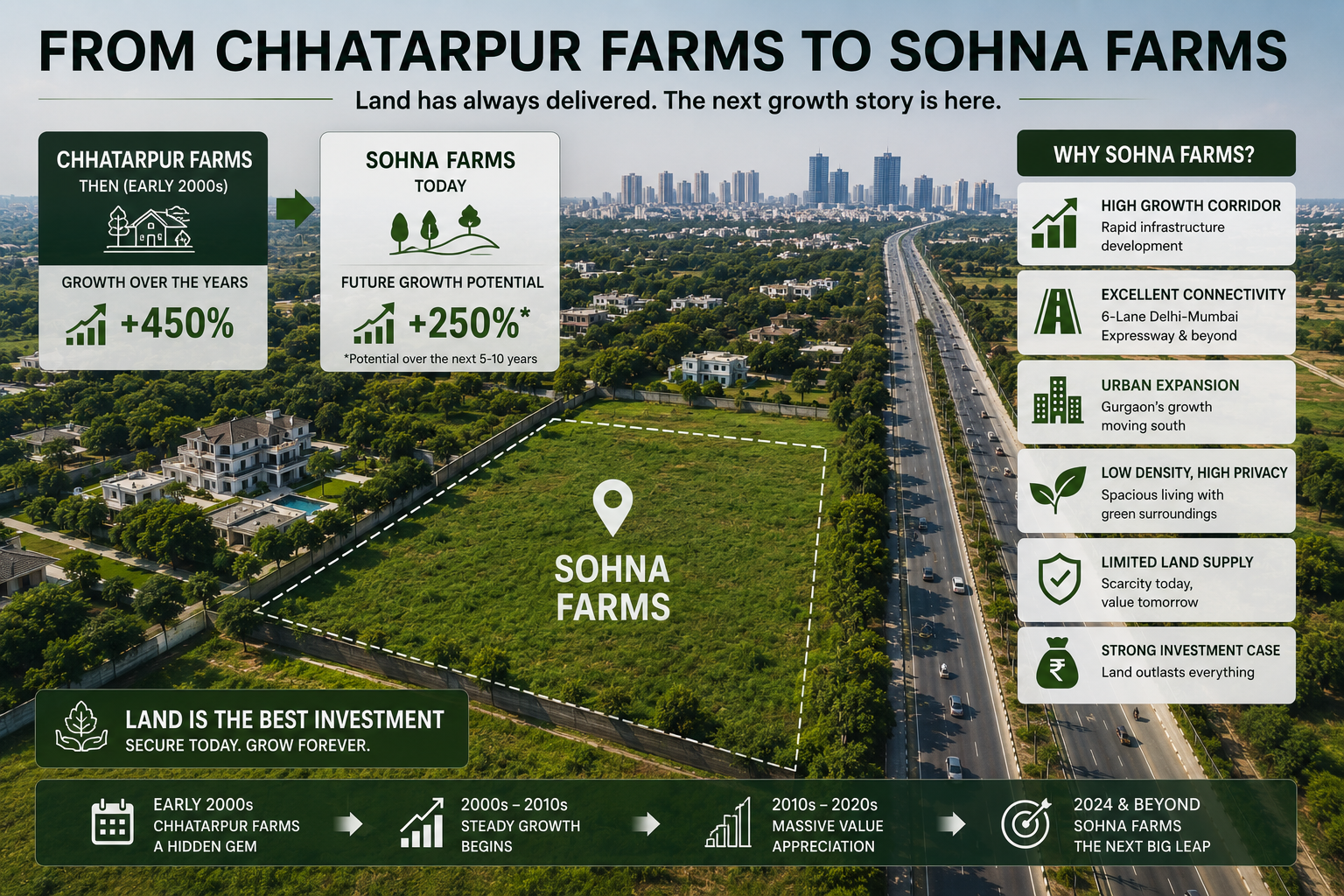
How Chhatarpur Farmhouses Created Multi-Crore Wealth for Early Buyers
What a quiet corner of South Delhi can teach investors about land, scarcity, and long-term wealth creation.

The ₹5 Crore Land Purchase That Became Worth ₹70 Crore
What the Story of DLF Chhatarpur Farms Reveals About Wealth Creation Through Premium Land Ownership
One short email. Stories you can use.
A free, occasional email from our editorial team with our latest features, explainers and reads. Unsubscribe any time — your email stays with us.