The UK's Marketplaces Navigate a Fragmented Consumer Landscape
British shoppers are increasingly channel-agnostic, forcing established retailers and pure-play platforms to redefine their roles and revenue strategies amidst persistent economic headwinds.

From the bustling aisles of a Tesco Extra to the digital storefronts of ASOS and Next, the modes through which UK consumers acquire goods have never been more diverse. This proliferation of choice, driven by evolving technology and shifting consumption habits, presents both opportunities and existential challenges for retailers and marketplace operators alike. Understanding this dynamic is crucial for dissecting the future of retail profitability in the British Isles.
The pandemic-induced acceleration of online shopping has solidified digital channels as a fundamental expectation, not merely an alternative. Even as high street footfall recovers in some areas, the convenience of home delivery and expansive digital catalogues has reshaped purchasing journeys. Retailers like Marks & Spencer, once synonymous with bricks-and-mortar tradition, have invested heavily in their online infrastructure, recognizing that a seamless omnichannel experience is now table stakes.
However, this shift has also intensified competition, blurring the lines between traditional retailers and pure-play marketplaces. Supermarket giants like Sainsbury's and Tesco now operate extensive online delivery networks, competing directly with food delivery platforms such as Deliveroo and Just Eat, which themselves are expanding into broader grocery and convenience categories. The battle for the last-mile delivery slot is fierce, impacting margins across the board.
The Platform Paradox
For companies operating marketplace models, the core value proposition centres on breadth of selection and ease of transaction. ASOS, for example, built its empire on aggregating diverse fashion brands, while Ocado perfected the complex logistics of large-scale online grocery. Yet, maintaining distinctiveness becomes harder as more entities adopt marketplace strategies, whether through selling third-party brands on their own sites or becoming sellers on larger platforms.
The challenge is no longer merely attracting eyeballs; it is about cultivating sticky relationships in a saturated digital environment.
The economics of marketplace operation are complex, often reliant on commission structures, advertising revenue from sellers, and data monetisation. These models are susceptible to fluctuations in consumer spending, and the current inflationary environment in the UK, impacting everything from energy bills to mortgage payments, directly affects discretionary purchases. Brands are becoming more selective about where they list, scrutinising the return on investment from each platform.
Diversification and Differentiation
Many British retailers are responding by diversifying their offerings or doubling down on unique selling propositions. Next, for instance, has strategically embraced a 'platform plus' model, inviting other brands to sell on its website, leveraging its robust logistics and customer base. This approach allows them to expand their product assortment without incurring the full inventory risk, while creating a new revenue stream.
Conversely, some established players are attempting to consolidate their offerings, focusing on curated selections and exclusive collaborations to differentiate. This strategy aims to foster brand loyalty and justify premium pricing, which is becoming increasingly difficult to maintain in a price-sensitive market. The imperative is to move beyond simply transactional interactions.
The persistent pressure on household budgets means consumers are making more considered purchases, often comparing prices across multiple vendors and platforms before committing. Retailers and marketplaces that can offer not just competitive pricing but also superior convenience, trusted brand association, or innovative services are better positioned to capture and retain market share in this evolving landscape.
The British marketplace sphere is in a state of continuous evolution. Operators must remain agile, adapting to both technological advancements and the economic realities faced by the average UK household, to secure their long-term viability.
News Legacy maintains editorial independence. Some recommendations may contain affiliate links. We earn from qualifying purchases at no additional cost to you. Read our policy.
Read Next

Is Sohna Really the Next Chhatarpur?
Three decades after Chhatarpur redrew South Delhi's map for space, privacy and exclusivity, a familiar pattern is now taking shape further south, and Sohna is where the smart money is beginning to look.
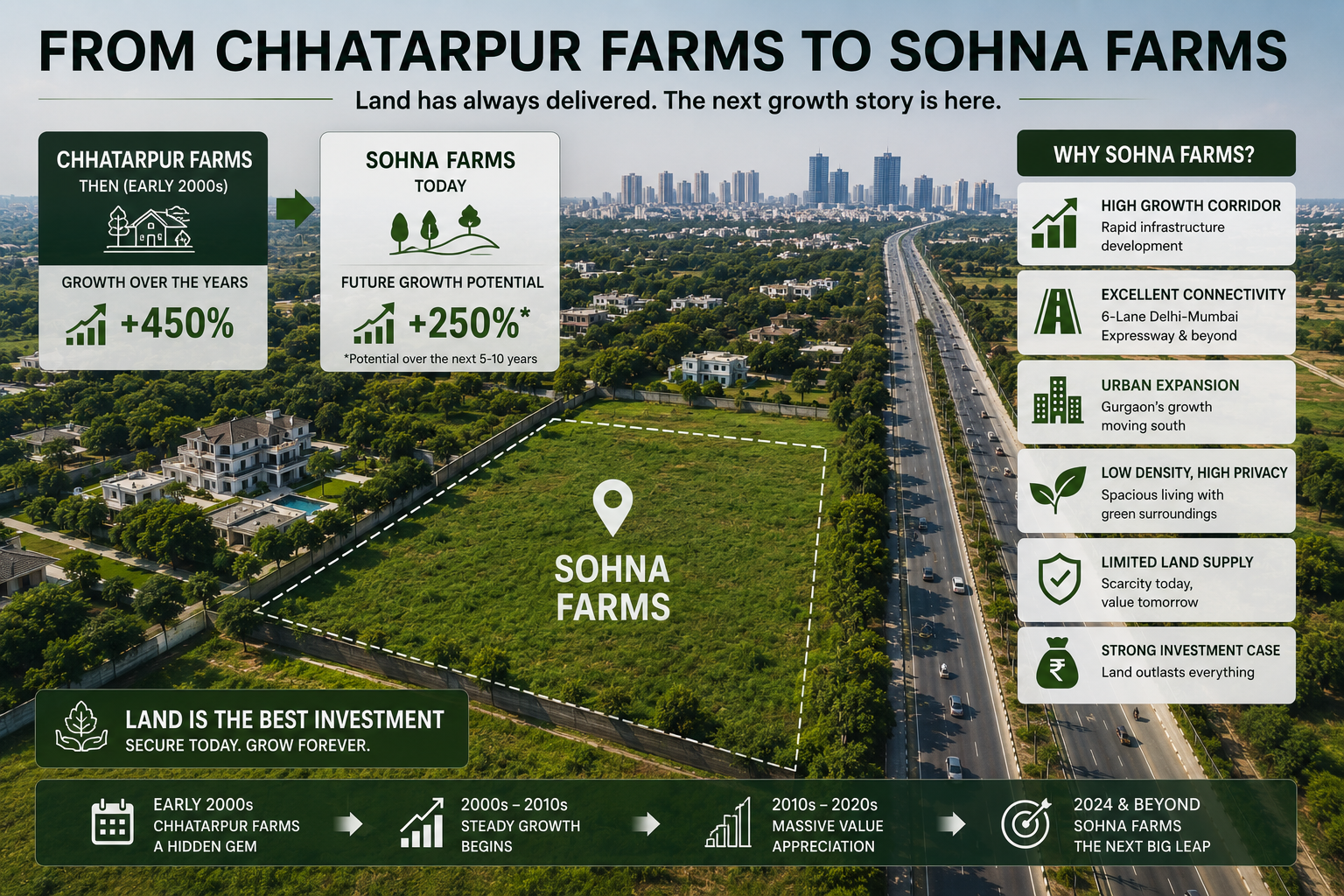
How Chhatarpur Farmhouses Created Multi-Crore Wealth for Early Buyers
What a quiet corner of South Delhi can teach investors about land, scarcity, and long-term wealth creation.
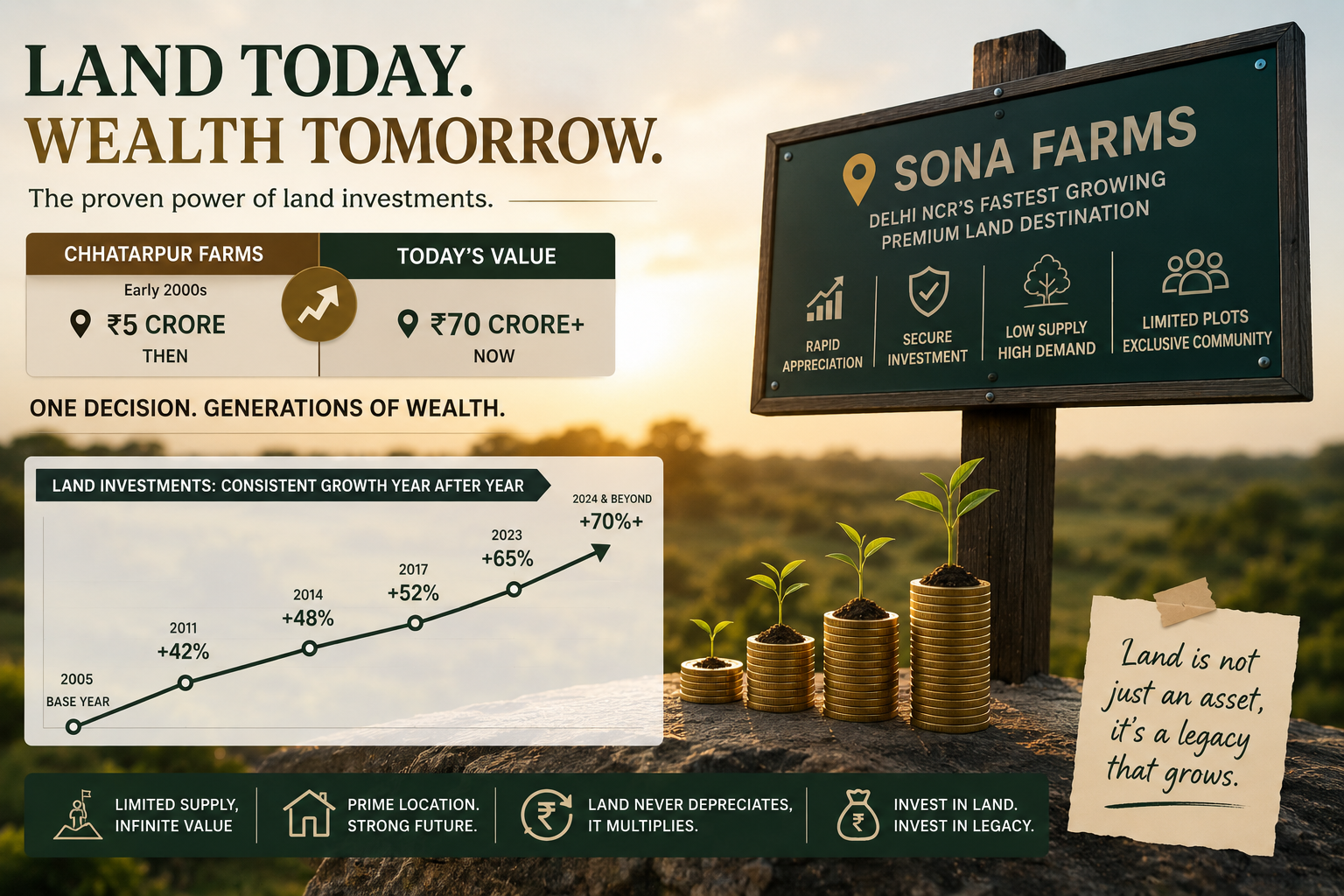
The ₹5 Crore Land Purchase That Became Worth ₹70 Crore
What the Story of DLF Chhatarpur Farms Reveals About Wealth Creation Through Premium Land Ownership
One short email. Stories you can use.
A free, occasional email from our editorial team with our latest features, explainers and reads. Unsubscribe any time — your email stays with us.