The UK's Retail Bifurcation: Value and Experience Define a Fractured Market
British shoppers are increasingly dividing their spending, gravitating either towards absolute cost efficiency or distinctive, often premium, retail propositions, leaving the middle ground precarious.

At a Tesco Extra in Outer London, shoppers navigate aisles filled with promotions, seeking value amidst persistent inflation. Simultaneously, in the affluent boroughs, a different scene unfolds: discerning consumers frequent Marks & Spencer for its curated food halls and durable apparel, or opt for swift, often premium, grocery deliveries from Ocado. This divergence illustrates a fundamental shift in UK retail, where the middle-market brands face an intensifying squeeze from both ends of the economic spectrum.
The sustained pressure on household budgets, despite some easing of headline inflation, has compelled a significant portion of the population to prioritise price above nearly all other considerations. Supermarket giants like Tesco and Sainsbury's have responded with expansive loyalty schemes and targeted discounts, competing fiercely for the weekly spend. This environment rewards operational efficiency and scale, challenging smaller, less agile competitors.
Conversely, a segment of consumers, perhaps less affected by economic headwinds or simply more focused on convenience and quality, is demonstrating a willingness to pay a premium. This is evident in the continued growth of services like Deliveroo and Just Eat, which offer immediate gratification at an elevated cost per item. Brands that successfully articulate a unique value proposition beyond mere price are capturing this expenditure, whether through superior service, distinctive products, or an elevated shopping experience.
The Fissure in Fashion and General Merchandise
This dichotomy extends beyond groceries into broader retail sectors. Online fast-fashion purveyor ASOS has navigated a turbulent period, reflecting the volatile nature of chasing trend-driven, price-sensitive consumers. Its fortunes are closely tied to the fickle preferences of a demographic that can pivot quickly to alternative, cheaper options or emerging social media brands. The constant need for newness at low price points creates immense logistical and financial strain.
In contrast, Next, with its blended physical and online presence and a more considered approach to fashion and homeware, has demonstrated resilience. Its strategy often involves catering to a slightly older, more established customer base who may value brand consistency, quality, and a reliable delivery network. This demographic frequently exhibits less price elasticity than younger, digitally native shoppers.
The market's centre is eroding, forcing retailers to commit definitively to either cost leadership or experiential superiority.
Marks & Spencer, having undergone a significant transformation, now exemplifies a retailer successfully pivoting towards quality and experience. Its food division continues to outperform, driven by product innovation and a perceived premium offering, while its clothing and home segments have shown renewed vigour by focusing on desirable, durable items rather than competing purely on price. Their high street presence offers a tangible experience that online-only pure-plays cannot replicate.
Navigating the Polarised Landscape
For retailers to thrive in this increasingly polarised UK market, a clear strategic position is paramount. Attempting to appeal to both the extreme value seeker and the discerning premium buyer simultaneously often results in a muddled brand identity and operational inefficiencies. The imperative is to understand and cater deeply to a specific segment, optimising supply chains, marketing, and product development accordingly.
The coming years will likely see further consolidation and specialisation. Those who excel at delivering maximum goods for minimum outlay will continue to command market share, as will those who create compelling, often indulgent, experiences. Retailers stuck in the nebulous middle, offering neither exceptional value nor distinct advantage, will face continued pressure on their margins and relevance. The British consumer, buffeted by economic shifts, is making increasingly clear choices about where and how their pounds are spent.
News Legacy maintains editorial independence. Some recommendations may contain affiliate links. We earn from qualifying purchases at no additional cost to you. Read our policy.
Read Next
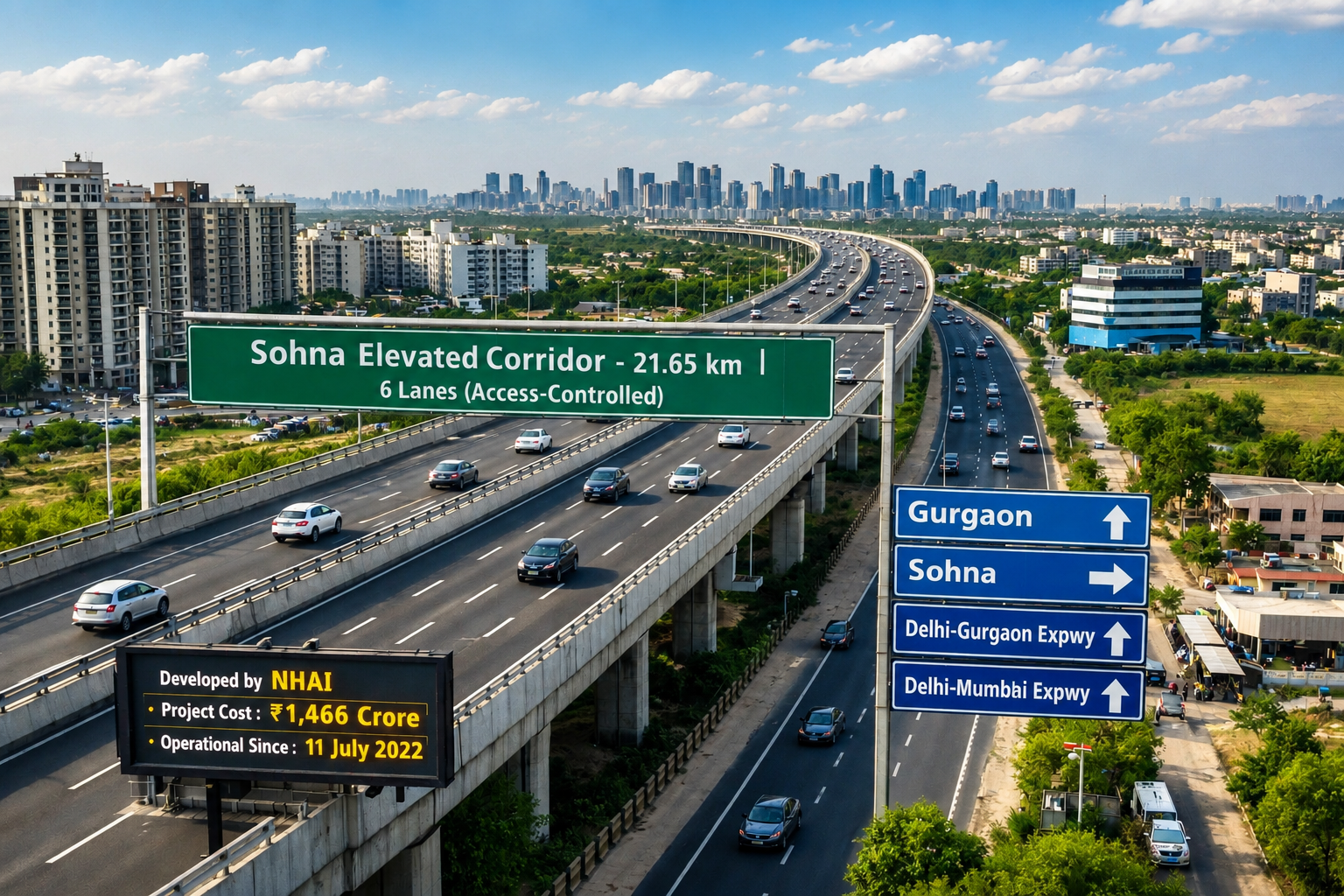
Is Sohna Really the Next Chhatarpur?
Three decades after Chhatarpur redrew South Delhi's map for space, privacy and exclusivity, a familiar pattern is now taking shape further south, and Sohna is where the smart money is beginning to look.
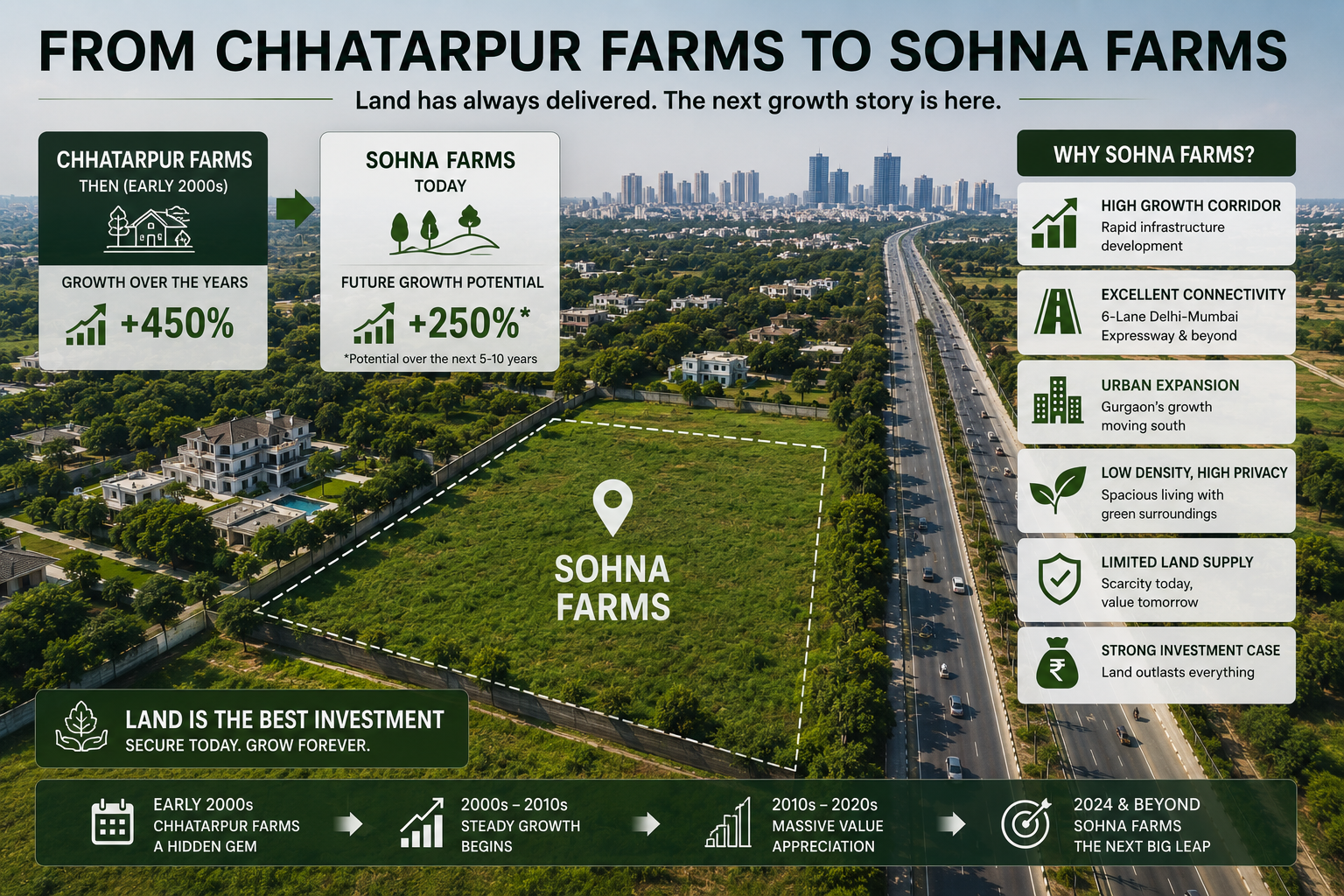
How Chhatarpur Farmhouses Created Multi-Crore Wealth for Early Buyers
What a quiet corner of South Delhi can teach investors about land, scarcity, and long-term wealth creation.
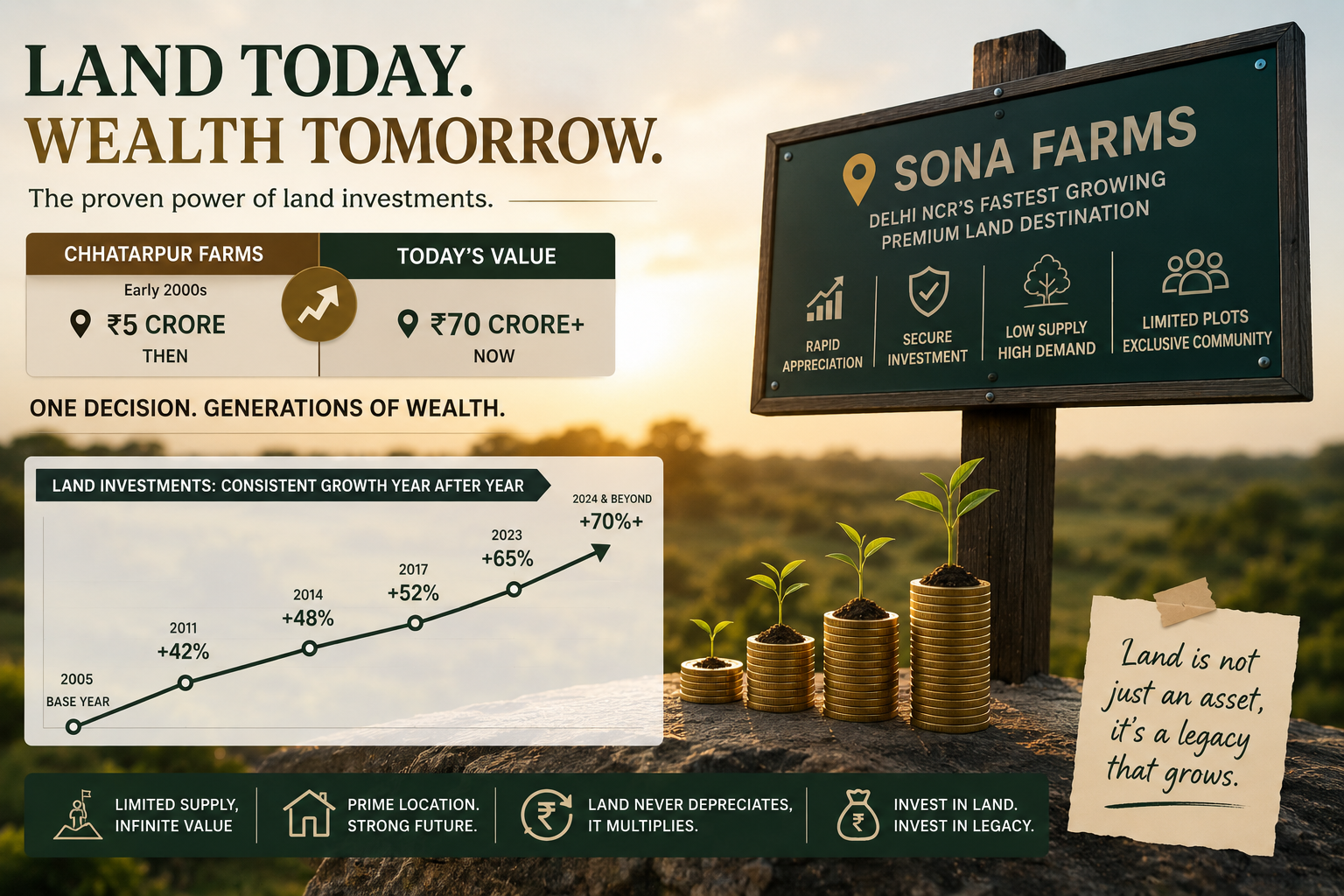
The ₹5 Crore Land Purchase That Became Worth ₹70 Crore
What the Story of DLF Chhatarpur Farms Reveals About Wealth Creation Through Premium Land Ownership
One short email. Stories you can use.
A free, occasional email from our editorial team with our latest features, explainers and reads. Unsubscribe any time — your email stays with us.