The UK's Retail Pivot: Beyond the High Street, Towards Digital Efficiency
British retailers are navigating a complex landscape of shifting consumer priorities and operational pressures, compelling a strategic re-evaluation of their physical and digital footprints.

A recent stroll through London's Oxford Street reveals a landscape of both enduring presence and strategic contraction. While Marks & Spencer continues its high-profile transformation of its flagship Marble Arch store, the ongoing decline in footfall across many retail precincts underscores a deeper structural shift in how consumers interact with their favoured brands. The narrative extends beyond mere store closures; it reflects a broader imperative for businesses to harmonise their online and offline propositions amidst persistent economic headwinds.
The pandemic irrevocably accelerated digital adoption, a trend that has matured into an entrenched expectation rather than a temporary workaround. For grocers like Tesco and Sainsbury's, this has meant significant investment in online delivery infrastructure, from automated warehouses to expanded last-mile logistics. While convenience and choice remain paramount, the profitability of these channels, particularly in the face of rising operational costs, presents an ongoing strategic challenge. The margin erosion associated with extensive delivery networks often contrasts sharply with the higher profitability of in-store transactions.
The E-commerce Balancing Act
Pure-play online retailers such as ASOS and Ocado have experienced the volatility of this environment acutely. ASOS, after a period of rapid expansion, has had to recalibrate its growth strategy, focusing on inventory management and operational efficiency to stem losses. Ocado, while a technological pioneer in automated fulfilment, has faced scrutiny over the pace of its international expansion and the capital intensity of its model. The market's valuation of e-commerce specialists is increasingly scrutinising pathways to sustainable profitability, not merely top-line growth.
Traditional players, meanwhile, are adapting with varying degrees of success. Next, for instance, has demonstrated a remarkable ability to integrate its physical stores with a robust online platform, leveraging its logistics prowess to offer broad product ranges and efficient delivery. This hybrid model, often dubbed 'omnichannel', seeks to capture sales wherever the customer chooses to engage, blurring the lines between channels and focusing on a unified brand experience.
The broader economic context exerts considerable pressure. Inflationary forces, while moderating, have squeezed household budgets, leading to more discerning spending habits among UK consumers. Retailers are confronting an environment where price sensitivity is heightened, even as their own input costs, from energy to labour, continue to rise. This creates a difficult equation for maintaining margins without alienating a cost-conscious customer base.
The agility of a retailer's supply chain and its capacity for data-driven personalisation are now as critical as the attractiveness of its merchandise.
For the food delivery sector, exemplified by Deliveroo and Just Eat, the pandemic's boon has somewhat normalised, leading to a focus on user retention and market consolidation. While initial growth was explosive, the landscape has matured, and companies are now vying for market share through subscription models and expanded service offerings beyond just restaurant meals, such as grocery delivery partnerships with players like Co-op and Waitrose.
Investment in automation and artificial intelligence is becoming non-negotiable across the retail spectrum. From warehouse robotics that expedite order fulfilment to AI-driven algorithms that personalise recommendations and optimise pricing, technology is being deployed to enhance efficiency, reduce labour costs, and improve customer experience. This capital expenditure, however, demands clear returns, especially in a climate of higher interest rates.
Reimagining the Physical Store
The role of the physical store is being re-evaluated, shifting from a pure transaction point to a multi-functional touchpoint. This might involve experiential retail, click-and-collect hubs, or even micro-fulfilment centres that support local online deliveries. Companies like John Lewis are experimenting with services and community engagement within their stores, recognising that footfall alone is insufficient; engagement and conversion are the new metrics. The challenge for many is to make these investments pay off in an era where consumers are increasingly selective about their in-person shopping excursions.
News Legacy maintains editorial independence. Some recommendations may contain affiliate links. We earn from qualifying purchases at no additional cost to you. Read our policy.
Read Next
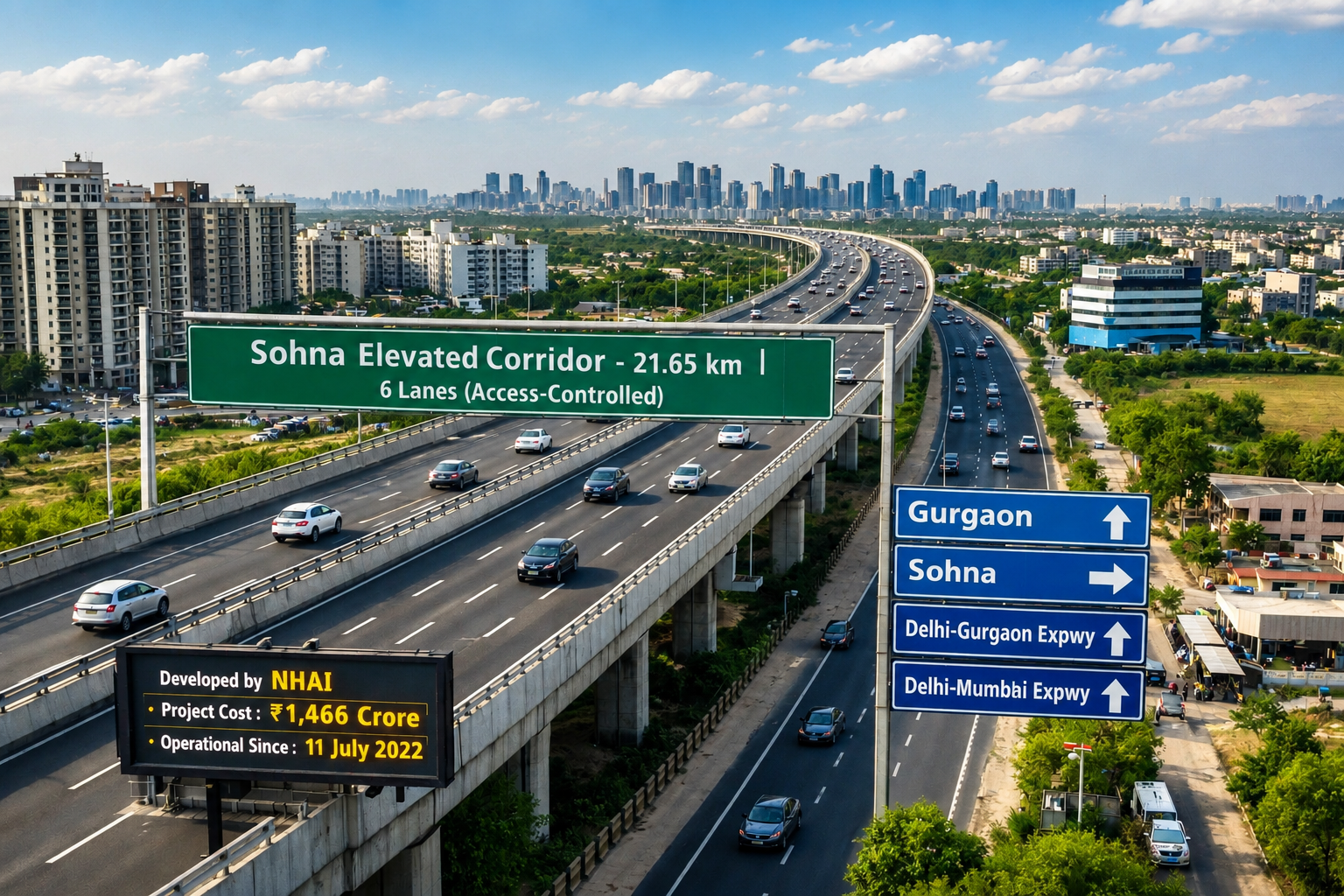
Is Sohna Really the Next Chhatarpur?
Three decades after Chhatarpur redrew South Delhi's map for space, privacy and exclusivity, a familiar pattern is now taking shape further south, and Sohna is where the smart money is beginning to look.
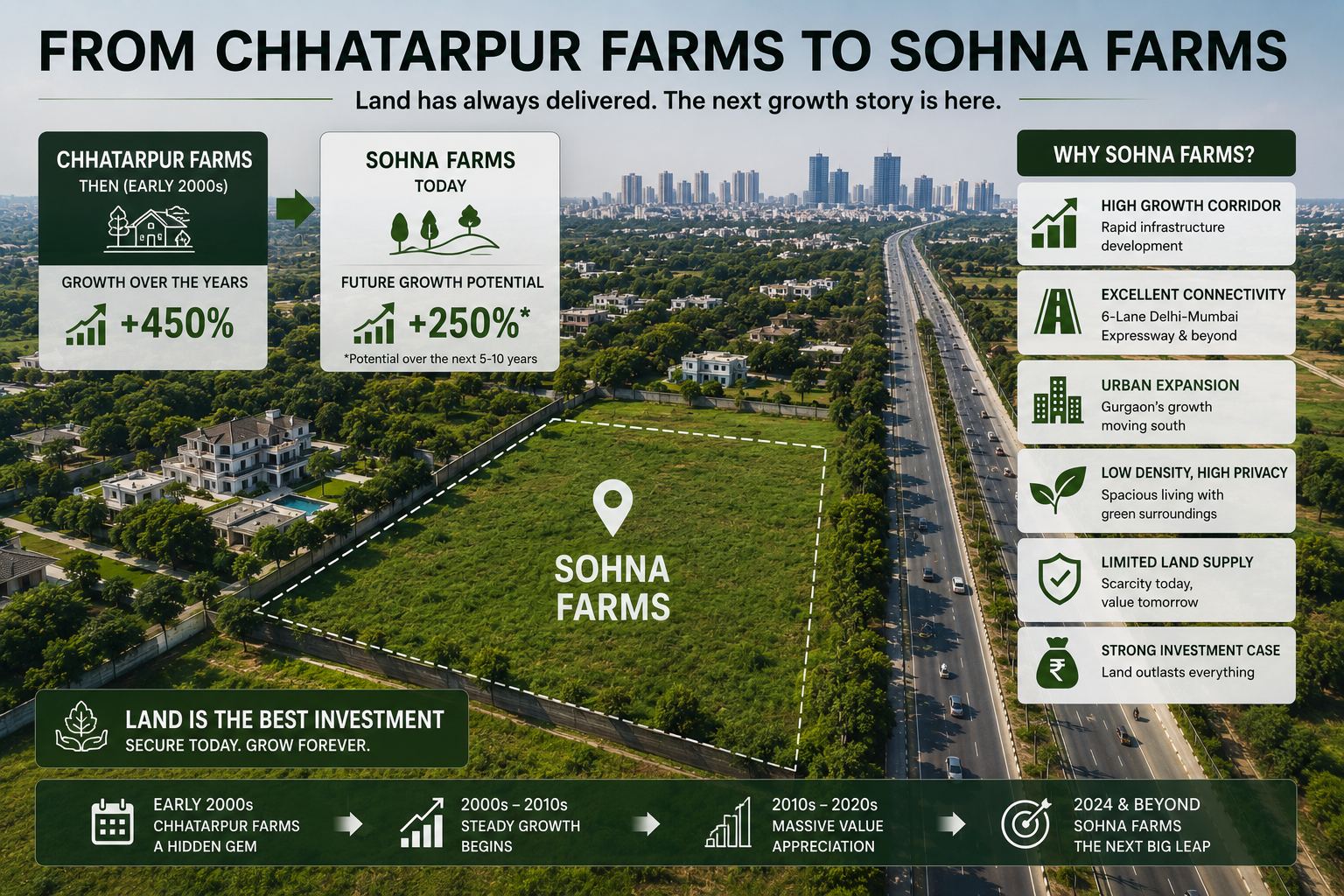
How Chhatarpur Farmhouses Created Multi-Crore Wealth for Early Buyers
What a quiet corner of South Delhi can teach investors about land, scarcity, and long-term wealth creation.
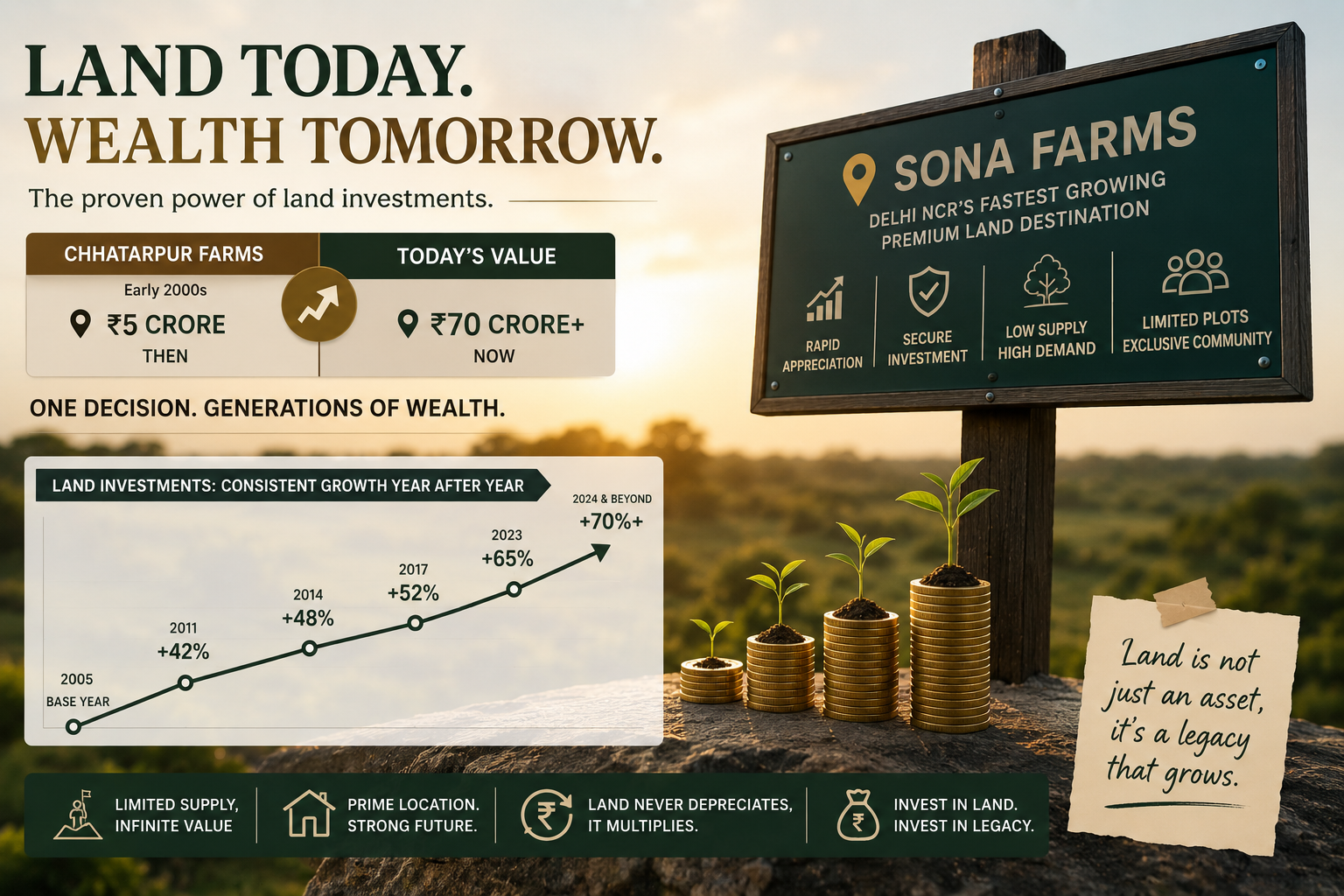
The ₹5 Crore Land Purchase That Became Worth ₹70 Crore
What the Story of DLF Chhatarpur Farms Reveals About Wealth Creation Through Premium Land Ownership
One short email. Stories you can use.
A free, occasional email from our editorial team with our latest features, explainers and reads. Unsubscribe any time — your email stays with us.