The UK's Retail Reckoning: Navigating Stagnant Growth and Shifting Consumer Allegiances
British retailers are grappling with a market defined by cautious consumer spending and persistent inflationary pressures, forcing a strategic re-evaluation of established business models and value propositions.

The brightly lit aisles of a Tesco Extra store on a Saturday afternoon might appear bustling, yet the underlying sentiment across the UK retail sector remains one of profound caution. Despite a slight uptick in some discretionary categories during recent months, the broader picture for British retailers reveals a sustained period of subdued growth, particularly when accounting for inflation. This environment demands more than incremental adjustments; it necessitates fundamental strategic shifts to secure future profitability.
A significant factor is the enduring impact of inflation on household budgets. Although the headline Consumer Prices Index has cooled from its peak, the cumulative effect of rising costs for essentials like food and energy continues to constrain disposable income. Data from the Office for National Statistics indicates that real wages, while recovering, have only recently begun to outpace inflation, leaving many consumers feeling less affluent than before the recent economic shocks. This translates directly into more discerning purchasing habits across all retail segments.
Grocery giants like Sainsbury's and Ocado, for instance, are caught in a tight squeeze. While overall sales figures may show nominal increases, these are often driven by price rises rather than volume growth. Supermarkets are actively competing on value, with own-brand lines and loyalty schemes becoming increasingly critical battlegrounds. Aldi and Lidl continue to exert pressure at the lower end, forcing established players to defend market share with often razor-thin margins.
The Pressure on Discretionary Spending
The squeeze on discretionary spending is particularly evident in fashion and homewares. ASOS, once a bellwether for online fast fashion, has faced significant challenges, including inventory issues and intense competition from newer, agile online players and established high-street brands. The company's recent efforts to streamline operations and re-focus on profitability highlight the imperative for distinctiveness beyond just convenience or price.
Conversely, retailers like Next have demonstrated resilience through a diversified strategy, blending physical stores with a robust online platform and a strong directory business model. Their ability to manage supply chains effectively and adapt merchandise offerings rapidly has allowed them to navigate volatility more deftly than some pure-play online competitors. Marks & Spencer, too, has shown signs of a turnaround, driven by a renewed focus on food and an improved fashion offering, appealing to a core demographic willing to pay for perceived quality.
The food delivery sector, exemplified by Deliveroo and Just Eat, also reflects this cautious consumer climate. While usage remains elevated compared to pre-pandemic levels, growth rates have moderated significantly. Both companies are now prioritising profitability over aggressive expansion, focusing on order frequency, optimising rider networks, and exploring new avenues like grocery delivery partnerships to enhance their value proposition to both consumers and restaurant partners.
The era of frictionless growth is over; British retailers must now demonstrate genuine value and operational acuity to capture and retain customer loyalty.
Operational Efficiency and Digital Integration
Beyond consumer sentiment, operational efficiency has become paramount. Energy costs, supply chain complexities, and labour shortages continue to pose headwinds. Investment in automation, warehouse optimisation, and intelligent inventory management systems is no longer a luxury but a strategic necessity. Retailers that can leverage technology to reduce operating costs without compromising customer experience will gain a significant competitive advantage.
Furthermore, seamless digital integration remains crucial. While e-commerce penetration in the UK is high, the emphasis has shifted from simply having an online presence to creating a cohesive, omnichannel experience. This includes integrating loyalty programs across channels, offering flexible fulfilment options, and personalising marketing efforts. The retailers that successfully blend the physical and digital realms, understanding that most purchasing journeys are no longer linear, are best positioned for sustained relevance in this demanding landscape.
News Legacy maintains editorial independence. Some recommendations may contain affiliate links. We earn from qualifying purchases at no additional cost to you. Read our policy.
Read Next
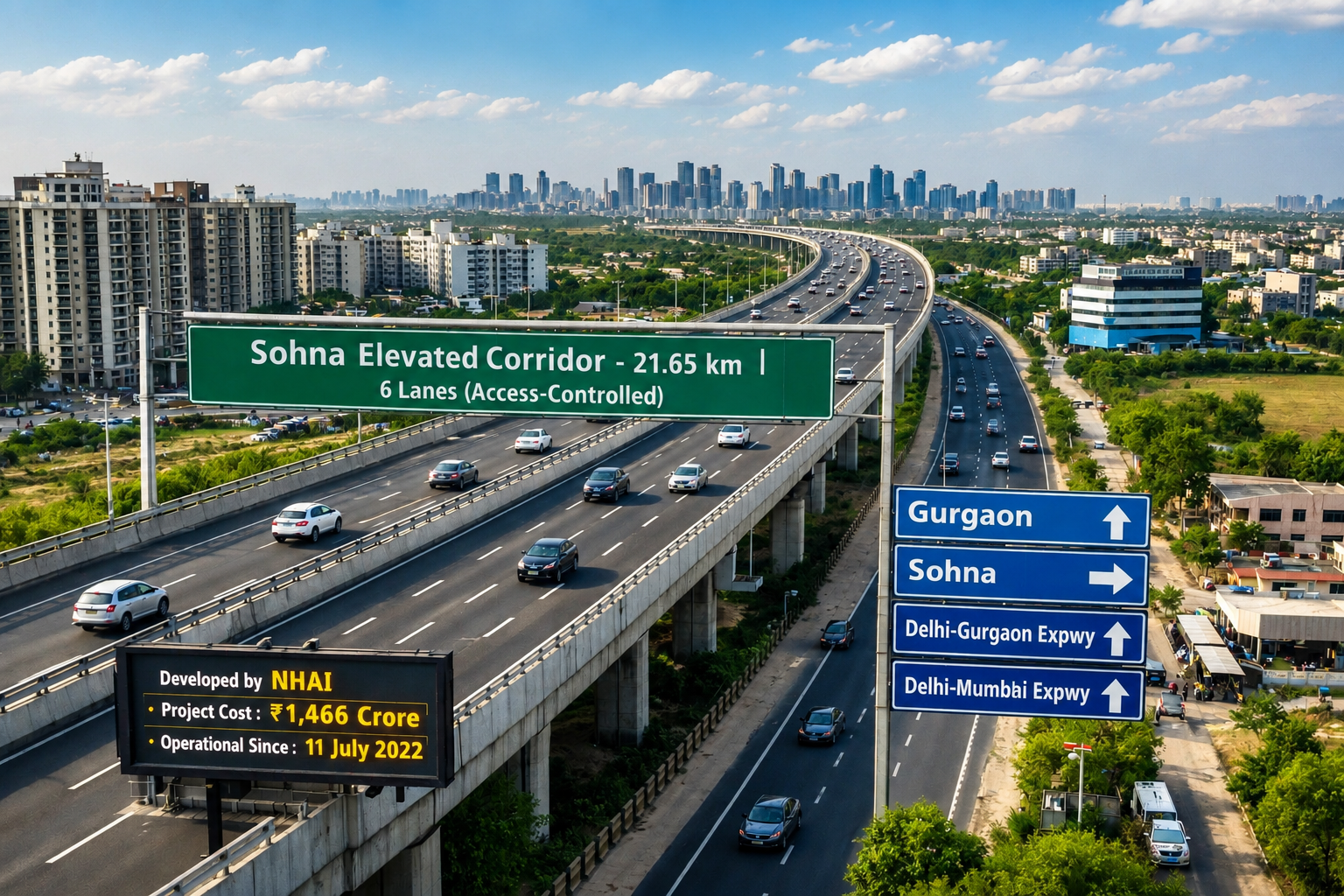
Is Sohna Really the Next Chhatarpur?
Three decades after Chhatarpur redrew South Delhi's map for space, privacy and exclusivity, a familiar pattern is now taking shape further south, and Sohna is where the smart money is beginning to look.
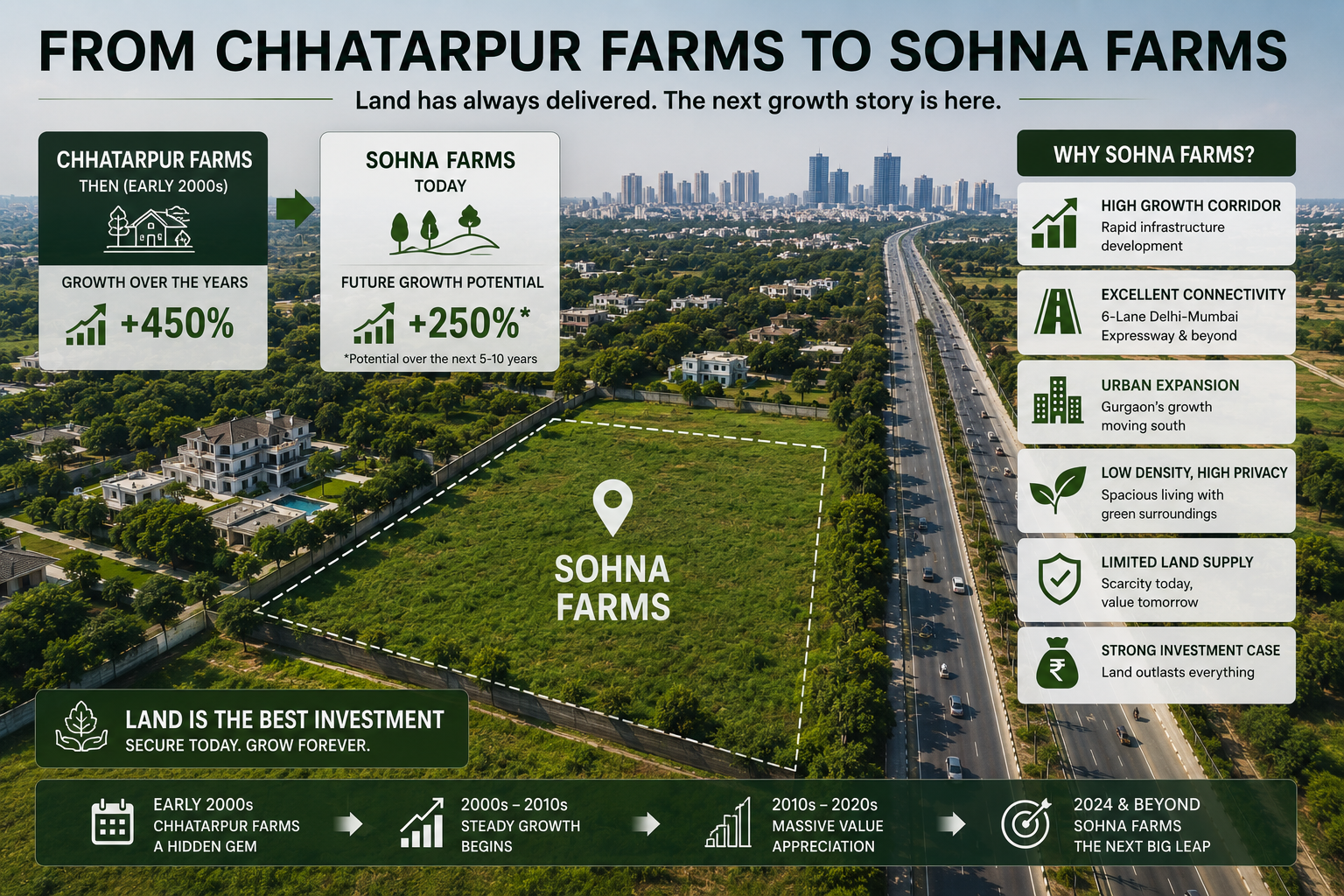
How Chhatarpur Farmhouses Created Multi-Crore Wealth for Early Buyers
What a quiet corner of South Delhi can teach investors about land, scarcity, and long-term wealth creation.

The ₹5 Crore Land Purchase That Became Worth ₹70 Crore
What the Story of DLF Chhatarpur Farms Reveals About Wealth Creation Through Premium Land Ownership
One short email. Stories you can use.
A free, occasional email from our editorial team with our latest features, explainers and reads. Unsubscribe any time — your email stays with us.