The UK's Retail Renaissance: Beyond the Checkout Scan
British retailers are navigating a complex landscape of shifting consumer demands and economic pressures. The next frontier for growth lies not merely in online presence, but in intelligent operational integration that redefines value.

At a recently opened Tesco Extra in Watford, the subtle hum of automated inventory systems and the efficient flow of click-and-collect logistics hint at a wider transformation underway. While the traditional supermarket aisle remains central, the operational backbone supporting it has undergone a quiet revolution, driven by necessity and the evolving digital expectations of the British shopper. This technological infusion, often unseen by the casual customer, is becoming the primary differentiator in a fiercely competitive market, moving beyond mere e-commerce to encompass the entire retail value chain.
The pandemic accelerated digital adoption across all demographics, solidifying online shopping as a mainstream behaviour rather than a niche convenience. Companies like Ocado and ASOS, digital natives, were well-positioned to capitalise. However, established high-street behemoths such as Marks & Spencer and Next have also invested significantly in omnichannel capabilities, understanding that a fragmented approach no longer suffices. The integration of physical stores with robust online platforms, underpinned by sophisticated data analytics and supply chain technologies, is no longer optional but foundational.
For instance, the investment by Sainsbury's in its SmartShop handheld scanning technology reduces friction at the checkout, but its true impact extends to valuable customer behaviour data. Similarly, Deliveroo and Just Eat, while primarily delivery platforms, are increasingly influencing how traditional eateries manage inventory and forecast demand. These technological layers provide unprecedented insight into purchasing patterns, allowing for more dynamic pricing strategies, personalised promotions, and crucially, leaner inventory management.
The Scrutiny of Logistics
Operating margins in retail remain tight, particularly in the UK's high-inflation environment. Every pound saved in logistics, every percentage point gained in inventory accuracy, directly impacts profitability. This imperative has driven significant investment in automation, from warehouse robotics to AI-powered route optimisation for last-mile delivery. The goal is to move goods from source to customer with maximum efficiency and minimal waste, a challenge particularly acute given the UK's dense urban environments and diverse geographic spread.
Consider the complex dance between a consumer placing an order for next-day delivery and the vast network required to fulfil it. This involves sophisticated algorithms predicting demand, automated picking systems retrieving items, and optimised delivery schedules minimising fuel consumption and labour costs. These systems are not merely about speed; they are about precision and cost control, allowing retailers to offer competitive pricing even as operating expenses rise. The long-term competitive advantage will accrue to those who master this intricate logistical puzzle.
The true innovation in retail tech is less about flashy front-end applications and more about the invisible efficiencies that underpin the entire customer experience, from stockroom to doorstep.
Personalisation Beyond the Algorithm
Beyond operational efficiency, the quest for deeper customer engagement is another powerful driver of retail tech adoption. Personalisation, once a buzzword, is now an expectation. Yet, it extends beyond simply recommending products based on past purchases. True personalisation involves understanding the individual shopper's journey, preferences, and even emotional state across all touchpoints, from in-store interactions to mobile app usage. This requires a unified view of the customer, often facilitated by advanced CRM platforms and artificial intelligence.
For UK retailers, this means leveraging data to inform everything from store layouts to marketing campaigns. A customer browsing a particular style of clothing on the Next website might receive a notification of its availability in a nearby store, complete with fitting room reservations. Or, a frequent M&S food shopper might receive tailored offers based on dietary preferences and past purchases. The objective is to make shopping not just convenient, but intuitively responsive to individual needs, building loyalty in an era of abundant choice. This strategic application of technology fosters a stickiness that traditional price competition alone cannot achieve, proving that the future of retail is as much about intelligence as it is about merchandise.
News Legacy maintains editorial independence. Some recommendations may contain affiliate links. We earn from qualifying purchases at no additional cost to you. Read our policy.
Read Next
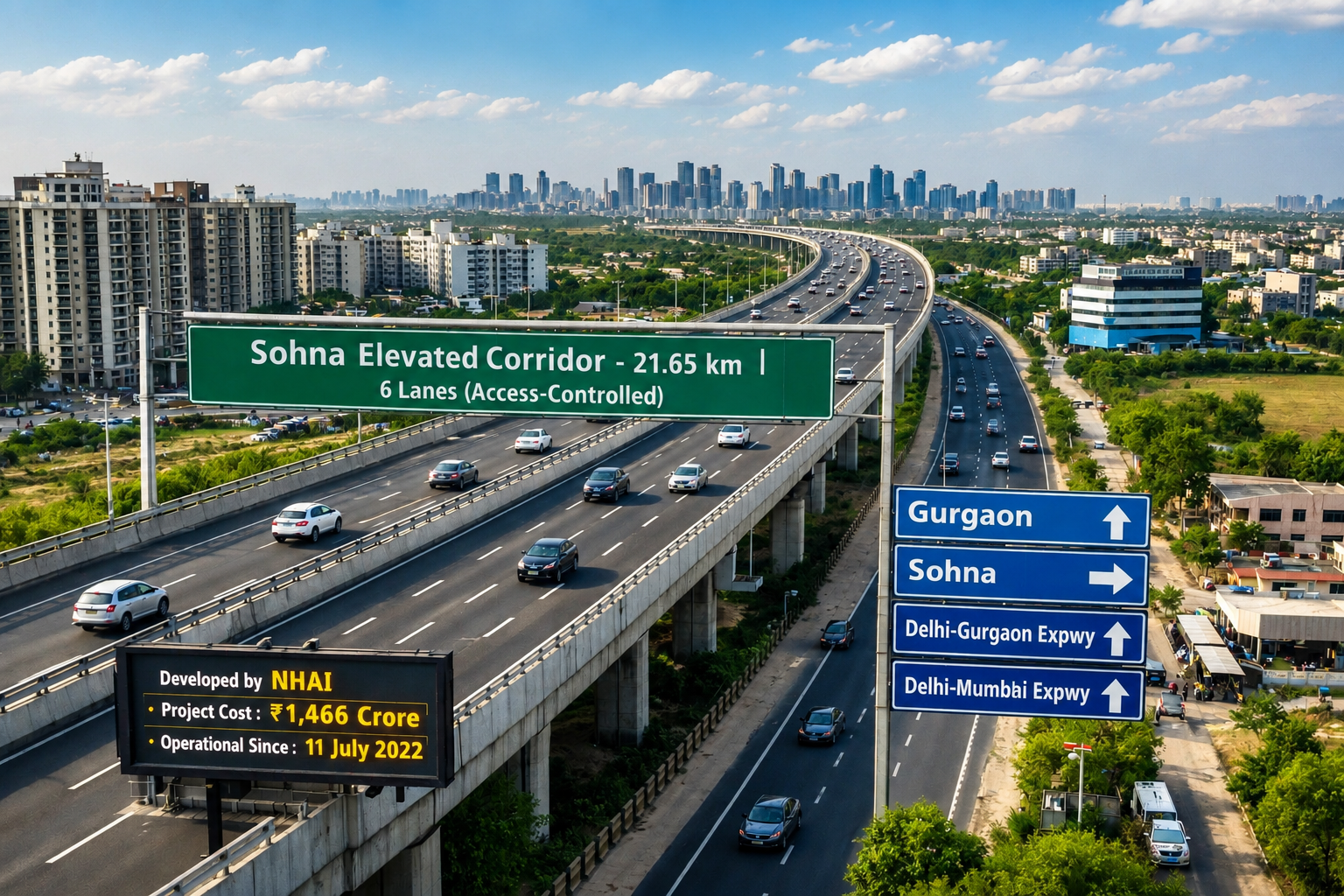
Is Sohna Really the Next Chhatarpur?
Three decades after Chhatarpur redrew South Delhi's map for space, privacy and exclusivity, a familiar pattern is now taking shape further south, and Sohna is where the smart money is beginning to look.
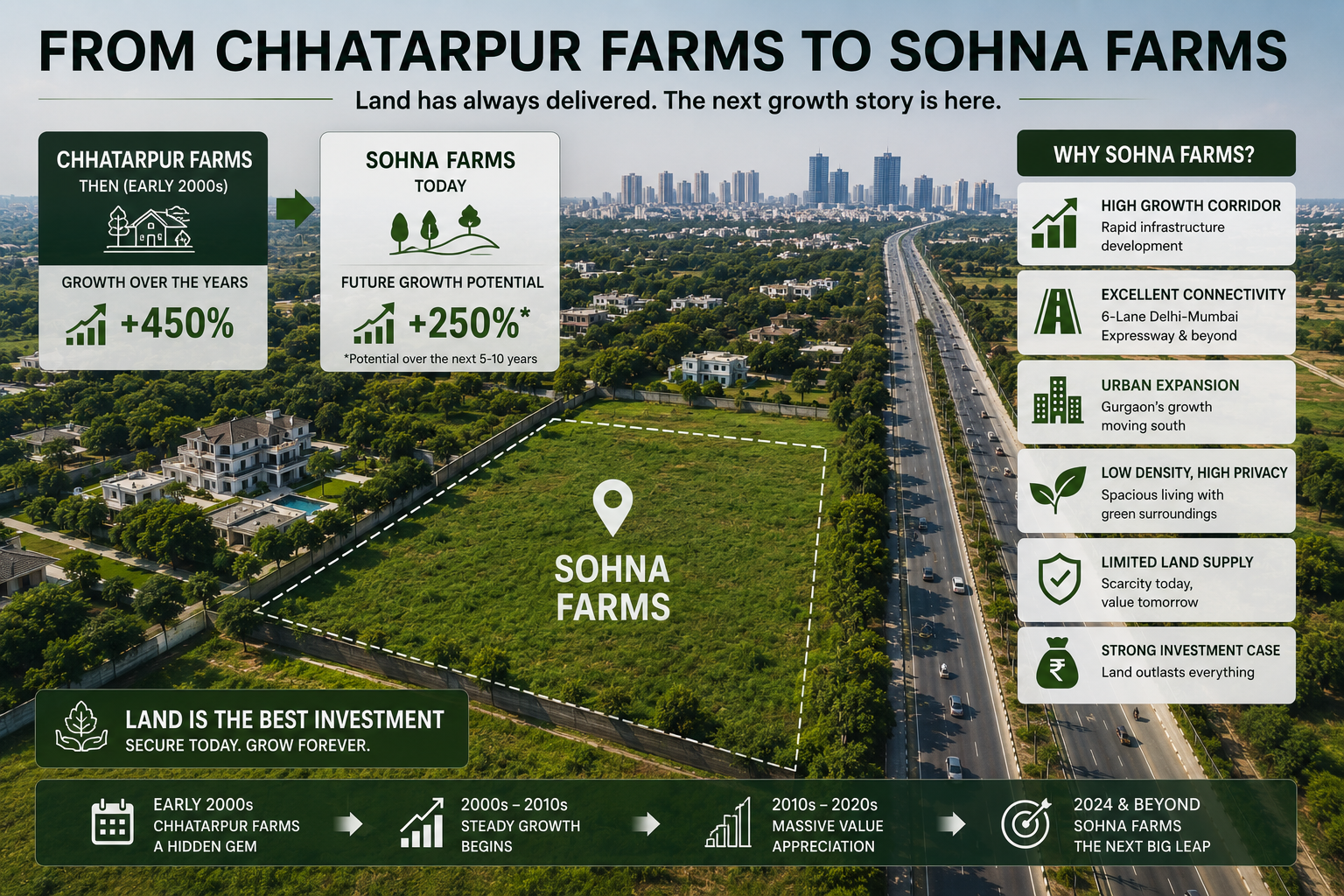
How Chhatarpur Farmhouses Created Multi-Crore Wealth for Early Buyers
What a quiet corner of South Delhi can teach investors about land, scarcity, and long-term wealth creation.
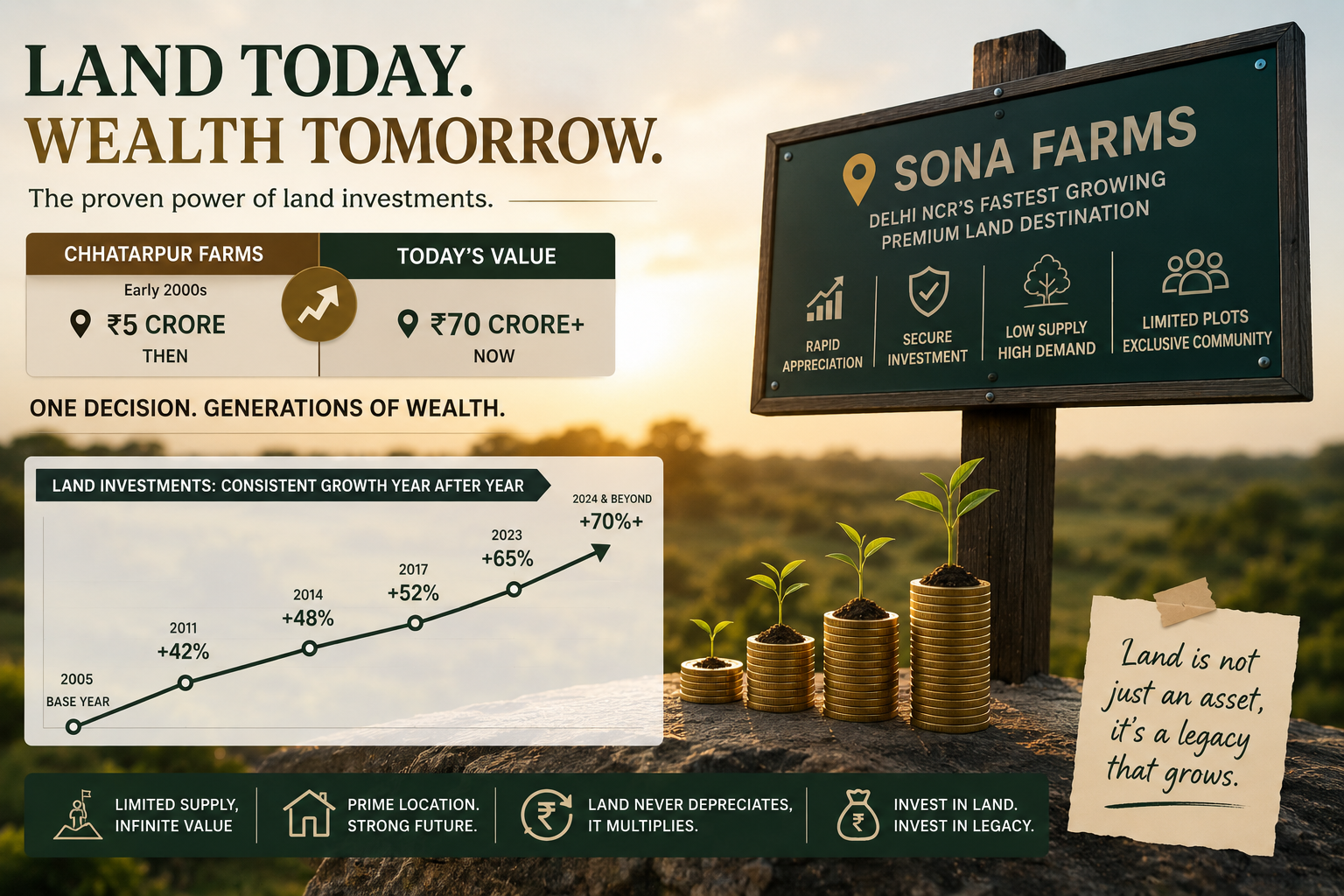
The ₹5 Crore Land Purchase That Became Worth ₹70 Crore
What the Story of DLF Chhatarpur Farms Reveals About Wealth Creation Through Premium Land Ownership
One short email. Stories you can use.
A free, occasional email from our editorial team with our latest features, explainers and reads. Unsubscribe any time — your email stays with us.