The UK's Retail Shelf-Edge: Where AI Meets the Aisles
British retailers are quietly deploying advanced artificial intelligence to optimise pricing, stock levels, and consumer engagement, transforming the competitive landscape from the supermarket floor to the fashion portal.

At a Tesco Extra in Watford, the subtle shift in pricing for a popular ready meal, adjusted minute-by-minute based on local demand, dwindling stock, and even the weather forecast, is largely imperceptible to the average shopper. This dynamic repricing, once the exclusive domain of online marketplaces, is increasingly manifesting across physical retail in the United Kingdom, driven by sophisticated AI tools that analyse vast datasets to sharpen commercial decisions.
The implications extend far beyond momentary price changes. This technological integration represents a fundamental re-engineering of how businesses like Sainsbury's, Marks & Spencer, and even digital-native ASOS approach their core operations, promising efficiency gains and a more granular understanding of the UK consumer.
Algorithmic Advantage in Assortment and Pricing
The competitive pressure in the British retail sector, exacerbated by inflationary pressures and cautious consumer spending, is a powerful accelerant for AI adoption. Businesses are seeking every possible edge to maintain profitability and market share. AI-driven platforms are now routinely employed to forecast demand with unprecedented accuracy, leading to leaner inventory and reduced waste – a critical consideration in a market where food price inflation has been a significant concern for households.
For fashion retailers such as Next and ASOS, AI's utility lies in predicting micro-trends and optimising product assortments. An algorithm might identify an emerging preference for a specific fabric or colour among London consumers weeks before traditional trend analysis, allowing for swifter procurement and a more targeted inventory. This agility can translate directly into fewer markdowns and improved margins.
Dynamic pricing, in particular, is evolving beyond simple peak-hour adjustments. Advanced models consider competitor pricing in real-time, local event calendars, product shelf-life, and even individual customer loyalty profiles to set optimal prices. While some consumers might view such practices with a degree of suspicion, the objective from a retail perspective is to maximise revenue per item while minimising stockholding costs.
The discreet integration of artificial intelligence into retail operations is creating a more responsive, and often more profitable, commercial environment for those willing to invest.
Operational Efficiencies and the Supply Chain
Beyond the consumer-facing aspects, AI is revolutionising the notoriously complex retail supply chain. Companies like Ocado have long been pioneers in automated warehousing and logistics, but the intelligence now extends further upstream and downstream. AI can predict potential supply chain disruptions, re-route deliveries to avoid congestion, and even optimise loading patterns for delivery vehicles, yielding measurable reductions in fuel costs and delivery times across the UK.
The 'last mile' delivery segment, dominated by players such as Deliveroo and Just Eat, also benefits significantly. Their platforms leverage AI to assign orders to the most efficient couriers, consolidate routes, and predict preparation times, shaving crucial minutes off delivery windows and enhancing customer satisfaction in cities from Manchester to Bristol. This continuous optimisation is vital for maintaining competitive service levels.
While the financial investment in these advanced AI systems can be substantial, the return on investment often appears compelling. Reductions in inventory write-offs, more effective marketing spend, and streamlined operations can quickly accrue to millions of pounds in savings or additional revenue. The trend suggests that businesses neglecting these technological advancements risk being outmanoeuvred by more agile, data-driven competitors in a landscape where every percentage point of margin counts.
News Legacy maintains editorial independence. Some recommendations may contain affiliate links. We earn from qualifying purchases at no additional cost to you. Read our policy.
Read Next

Is Sohna Really the Next Chhatarpur?
Three decades after Chhatarpur redrew South Delhi's map for space, privacy and exclusivity, a familiar pattern is now taking shape further south, and Sohna is where the smart money is beginning to look.
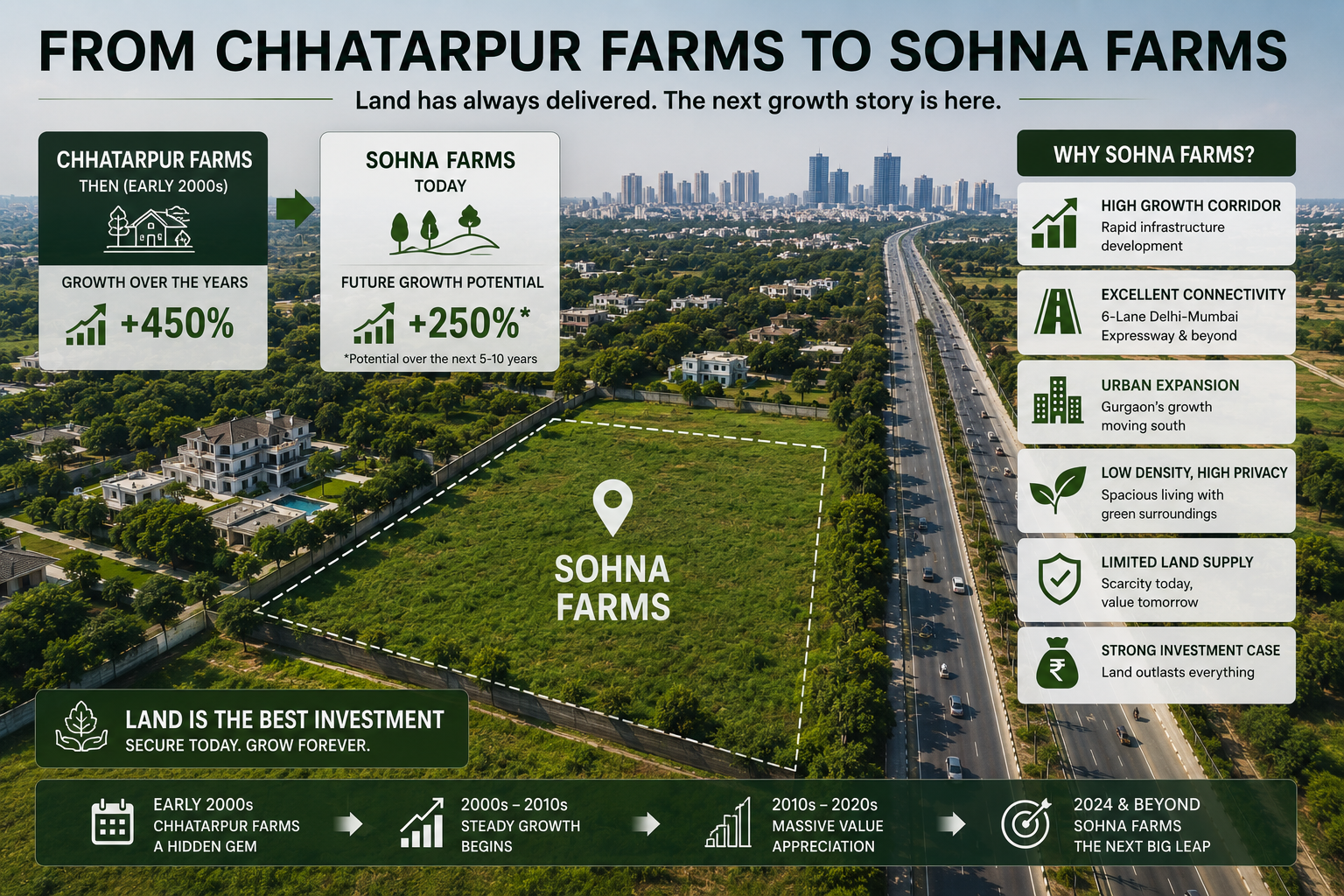
How Chhatarpur Farmhouses Created Multi-Crore Wealth for Early Buyers
What a quiet corner of South Delhi can teach investors about land, scarcity, and long-term wealth creation.

The ₹5 Crore Land Purchase That Became Worth ₹70 Crore
What the Story of DLF Chhatarpur Farms Reveals About Wealth Creation Through Premium Land Ownership
One short email. Stories you can use.
A free, occasional email from our editorial team with our latest features, explainers and reads. Unsubscribe any time — your email stays with us.