The Unfolding Front: UK Retailers Confront Platform Power in a Post-Pandemic Market
British consumers are increasingly comfortable with aggregated shopping experiences, compelling traditional retailers to recalibrate their digital strategies and either join or resist the dominant platform models.

Across the United Kingdom, the digital shelves of Sainsbury's and Tesco now often display items from third-party vendors, a subtle but significant shift for established grocery giants. This evolution underscores a broader strategic re-evaluation within British retail, as established names grapple with the pervasive influence of online marketplaces and the evolving expectations of their customer base.
The pandemic accelerated a pre-existing trend towards digital aggregation, pushing even previously resistant sectors into the realm of multi-vendor platforms. For many UK shoppers, the convenience of a single digital storefront offering a vast array of goods has become a default expectation. This shift is not merely about e-commerce penetration; it signifies a deeper reorientation of consumer habits towards platforms that centralise purchasing.
Retailers such as ASOS and Next have long understood the platform dynamic, curating extensive brand assortments to attract and retain customers. ASOS, for instance, operates less as a traditional clothing seller and more as a fashion aggregator, offering thousands of brands alongside its own label. Next, similarly, has expanded its 'department store' model online, incorporating numerous external brands into its digital offering, generating substantial revenue from this strategy.
The Marketplace Imperative
For other sectors, particularly groceries, the embrace of platform models is a newer development. Ocado, while primarily a grocer, has always operated with a highly integrated technology platform, and its solutions are now licensed internationally. Its partnership with Marks & Spencer further solidified the importance of digital infrastructure and delivery capabilities. Meanwhile, Deliveroo and Just Eat, originally food delivery specialists, have rapidly expanded into broader grocery and convenience item delivery, effectively creating localised marketplaces for immediate needs. Data from Statista indicates that the online grocery market in the UK is projected to reach approximately £31.5 billion by 2024, a significant portion of which is being captured by these platform-centric delivery services.
This rapid expansion presents a dual challenge and opportunity for traditional retailers. The challenge lies in competing with the sheer breadth and convenience offered by dedicated marketplaces, often at lower operational costs due to their asset-light models. The opportunity, however, is to leverage existing brand trust and physical infrastructure by either launching proprietary marketplace initiatives or partnering with established platforms.
The strategic imperative for British retailers today is not simply to be online, but to determine their role within the increasingly dominant platform economy.
Tesco's recent moves to integrate third-party sellers into its online ecosystem for non-food items, such as household goods and electronics, illustrate this trend. This approach allows Tesco to broaden its product range without incurring the inventory risks associated with traditional retail, while simultaneously enhancing its proposition as a comprehensive shopping destination. Sainsbury's has followed a similar trajectory, progressively expanding its online offering beyond core groceries.
The financial implications of this shift are considerable. Platforms often operate on a commission model, enabling high margins on sales without the capital expenditure of warehousing and stock management. For instance, a leading online marketplace might command commissions ranging from 5% to 20% depending on the product category. This model appeals to retailers seeking to diversify revenue streams and mitigate risks in a volatile economic climate.
Navigating this landscape requires a delicate balance between preserving brand identity and embracing the collaborative nature of platform commerce. The British retail sector is undergoing a profound structural change, moving beyond individual storefronts to interconnected digital ecosystems. The successful players will be those who master the art of integration, whether as active participants, shrewd partners, or agile proprietors within this evolving marketplace.
The coming years will likely see further consolidation and specialisation within the UK's digital retail platforms. Retailers failing to adapt to this platform-centric future risk marginalisation, regardless of their legacy presence on the high street.
News Legacy maintains editorial independence. Some recommendations may contain affiliate links. We earn from qualifying purchases at no additional cost to you. Read our policy.
Read Next

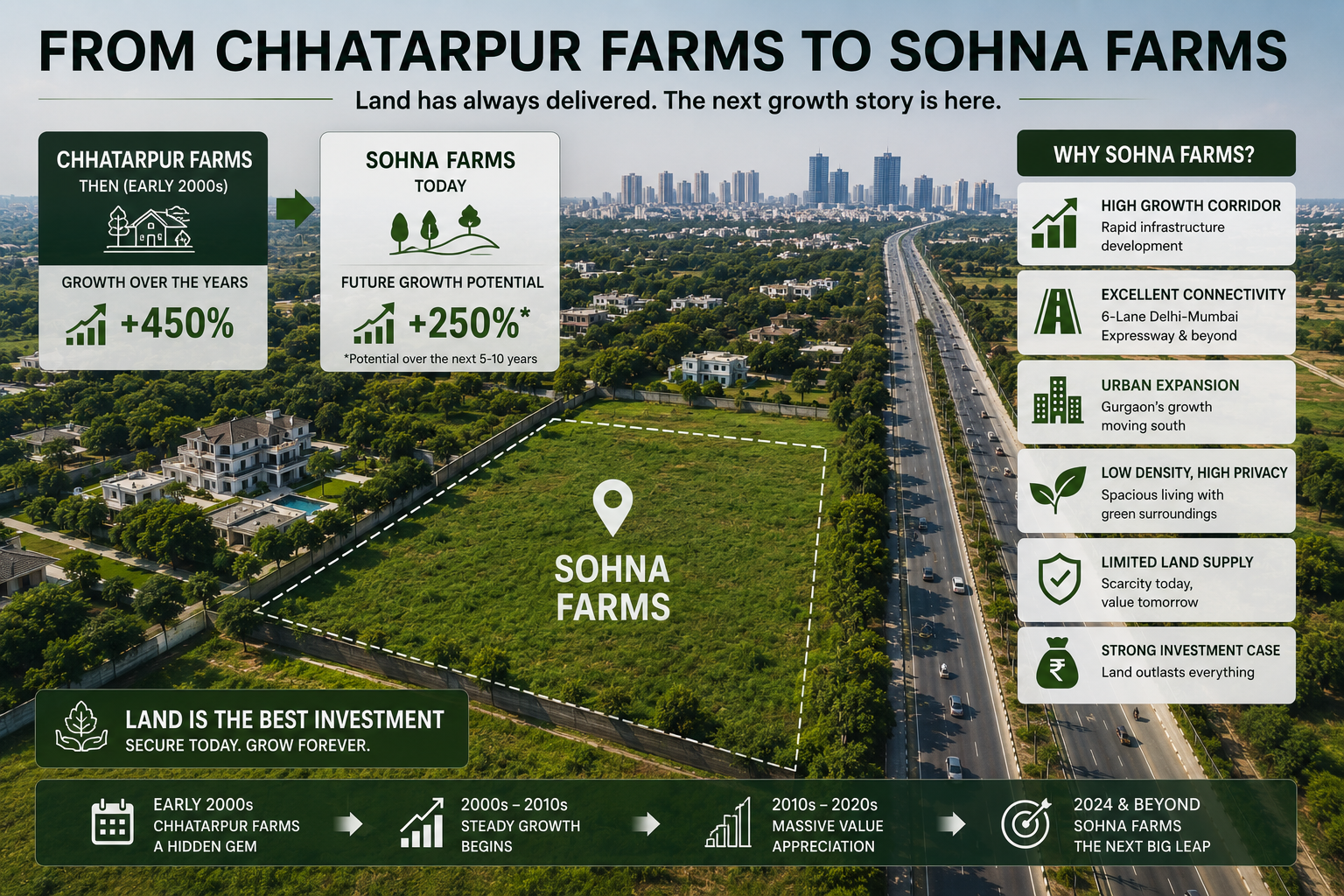
Is Sohna Really the Next Chhatarpur?
Three decades after Chhatarpur redrew South Delhi's map for space, privacy and exclusivity, a familiar pattern is now taking shape further south, and Sohna is where the smart money is beginning to look.
How Chhatarpur Farmhouses Created Multi-Crore Wealth for Early Buyers
What a quiet corner of South Delhi can teach investors about land, scarcity, and long-term wealth creation.

The ₹5 Crore Land Purchase That Became Worth ₹70 Crore
What the Story of DLF Chhatarpur Farms Reveals About Wealth Creation Through Premium Land Ownership
One short email. Stories you can use.
A free, occasional email from our editorial team with our latest features, explainers and reads. Unsubscribe any time — your email stays with us.