The Unseen Labour Powering UK Creator Commerce's Ascent
While influencers capture public attention, a sophisticated logistics ecosystem, increasingly relying on independent contractors and micro-enterprises, underpins the burgeoning creator economy across the United Kingdom. Its growth presents both economic opportunities and regulatory challenges.

From a compact studio flat in Manchester, a fashion content creator showcases a newly unboxed dress to thousands of Instagram followers. Simultaneously, a hobbyist baker in Brighton meticulously packs artisanal biscuits destined for subscribers across the South East, their operation scaled through an Etsy storefront. These individual endeavours, seemingly disparate, are united by an increasingly complex and often opaque network of parcel carriers, fulfilment centres, and last-mile delivery services – the logistical backbone of the UK's burgeoning creator commerce sector.
Driven by platforms like Shopify, Instagram Shopping, and TikTok Shop, the creator economy has transformed how small businesses and individual entrepreneurs interact with consumers. The barrier to entry for selling a product has never been lower, yet the challenge of reliably delivering that product to a diverse customer base, from Truro to Inverness, remains a critical bottleneck and a significant cost component for these micro-enterprises.
Major players like Royal Mail, DPD, and Evri (formerly Hermes) have adapted, offering tailored services for smaller volumes, but the sheer volume and fragmented nature of creator-driven sales necessitate novel solutions. Anecdotal evidence suggests that a significant proportion of creator-led businesses leverage a combination of established postal services and newer, more flexible gig-economy delivery platforms, often for same-day or hyperlocal drops. This patchwork approach allows for scalability without the fixed costs associated with traditional retail logistics.
The Infrastructure Beneath the Hype
The growth of this sector underscores a quiet revolution in warehousing and distribution. Rather than large-scale, automated facilities characteristic of an Amazon or even an Ocado, the creator economy often relies on smaller, regional depots and even home-based 'dark stores' run by individuals. These micro-fulfilment nodes are crucial for inventory management and expediting dispatch, particularly in urban areas where a significant proportion of early-adopter consumers reside. The capital expenditure for such setups is minimal, enabling creators to reinvest saved funds into product development or marketing.
One industry analyst observes that the rapid expansion of creator-led direct-to-consumer sales has inadvertently stimulated a parallel economy of third-party logistics (3PL) providers specialising in low-volume, high-frequency shipments. Traditional retail giants like Tesco and Sainsbury's operate on different scales of operational efficiency, but the nimbleness of these new 3PLs allows them to cater to the specific demands of a creator selling custom jewellery or limited-edition prints.
The defining characteristic of successful logistics in creator commerce is adaptability; fixed strategies struggle against fluid demand.
However, this distributed and often informal logistical network brings its own set of challenges. Quality control across various independent couriers can vary, directly impacting customer satisfaction and a creator's brand reputation. The regulatory landscape surrounding worker classification for couriers and contractual agreements with micro-fulfilment partners remains in flux, particularly in light of ongoing discussions about gig economy worker rights in the UK.
The environmental impact of increased individual parcel deliveries, often in less fuel-efficient vehicles than large commercial fleets, also warrants scrutiny. While specific data remains nascent, the aggregated effect of millions of individual creator-driven shipments could exert pressure on urban air quality and traffic congestion, issues already prominent in cities like London and Birmingham. Local councils have begun to explore measures to mitigate these effects, although a unified national strategy for this novel delivery paradigm has yet to materialise.
As platforms continue to lower the barriers to e-commerce entrepreneurship, the future trajectory of the UK's creator commerce will increasingly hinge on the ingenuity and resilience of its underlying logistical framework. Whether this foundation evolves into a robust and sustainable system, or fragments under regulatory and operational pressures, will significantly shape the economic prospects for a new generation of British entrepreneurs.
News Legacy maintains editorial independence. Some recommendations may contain affiliate links. We earn from qualifying purchases at no additional cost to you. Read our policy.
Read Next

Is Sohna Really the Next Chhatarpur?
Three decades after Chhatarpur redrew South Delhi's map for space, privacy and exclusivity, a familiar pattern is now taking shape further south, and Sohna is where the smart money is beginning to look.
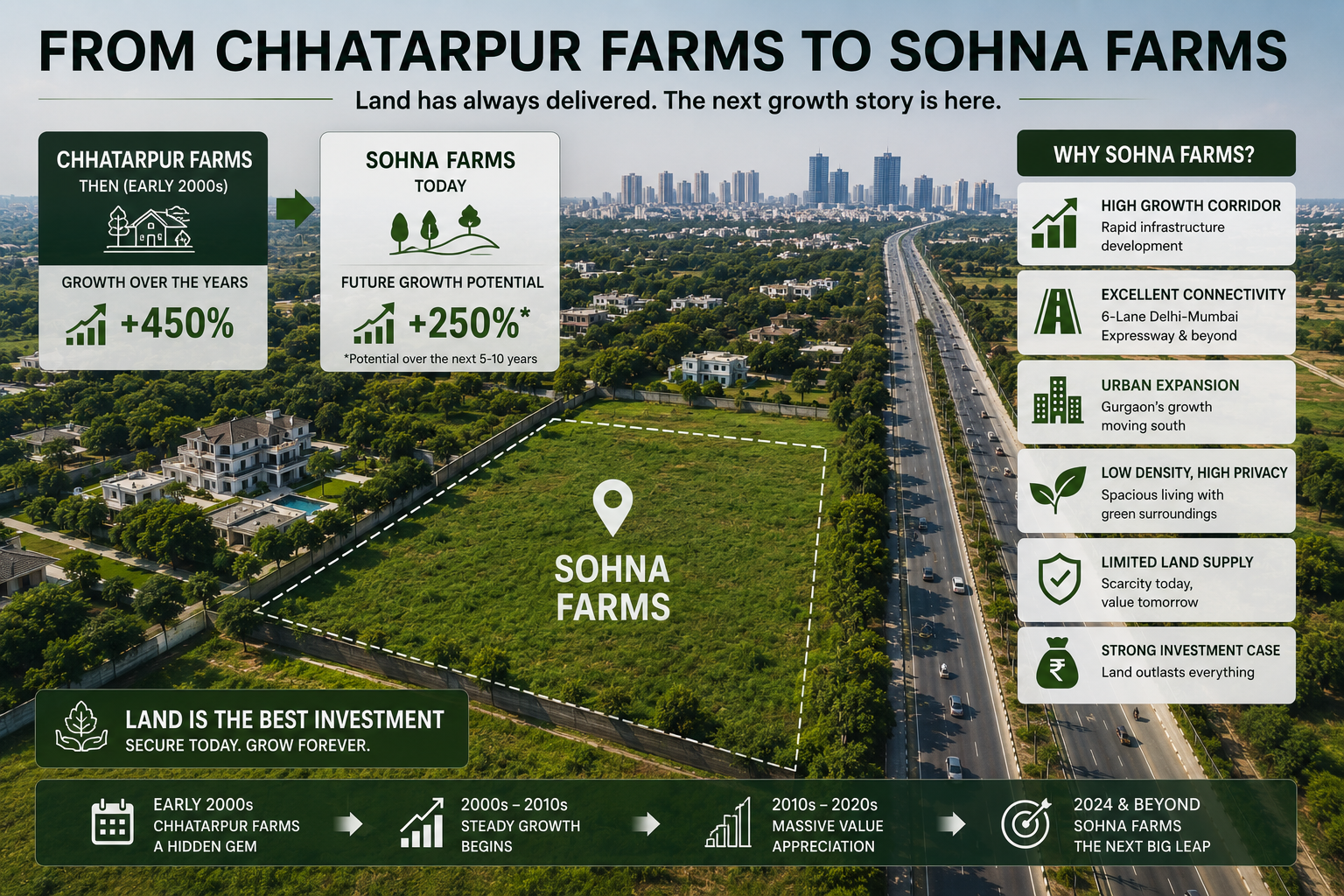
How Chhatarpur Farmhouses Created Multi-Crore Wealth for Early Buyers
What a quiet corner of South Delhi can teach investors about land, scarcity, and long-term wealth creation.
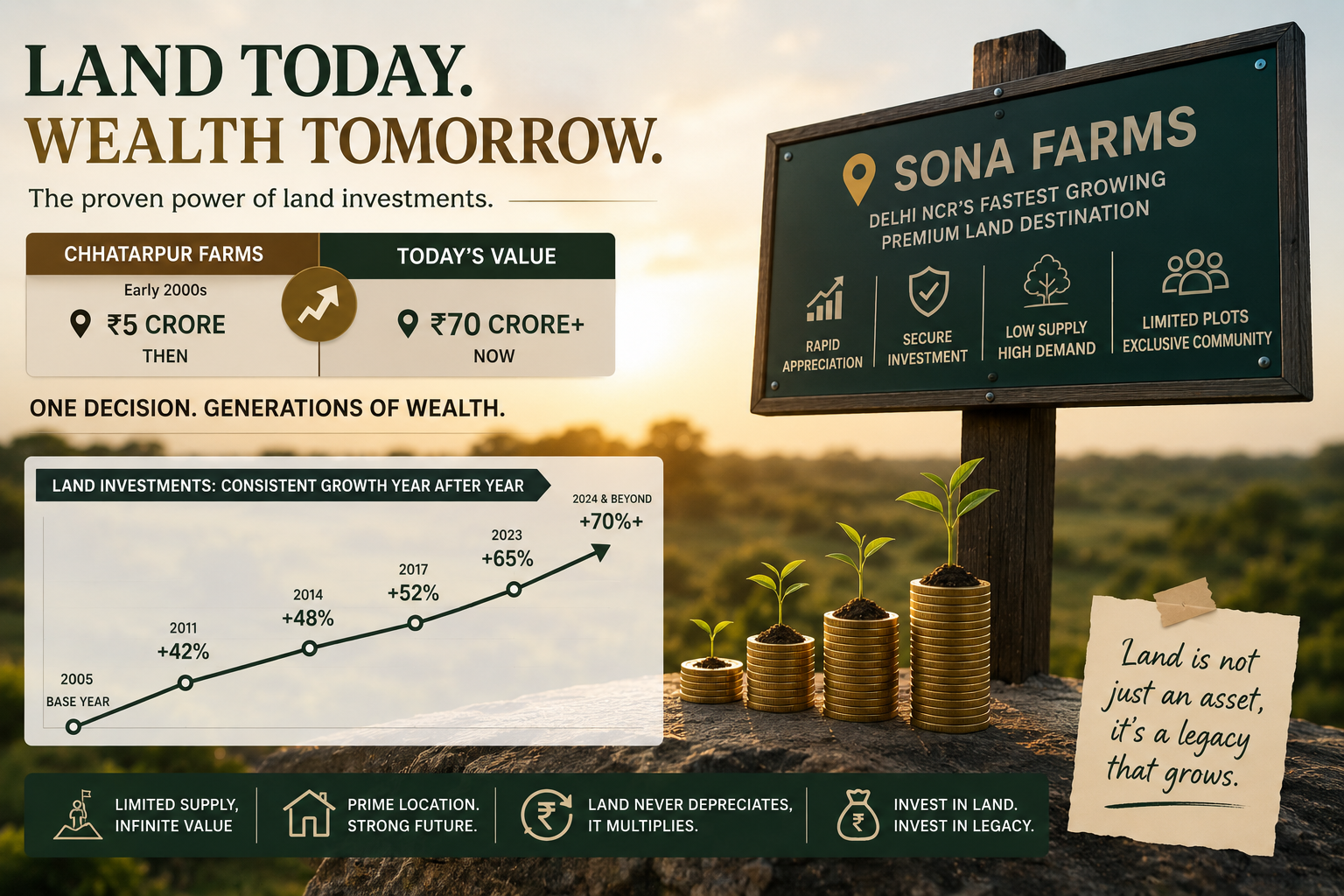
The ₹5 Crore Land Purchase That Became Worth ₹70 Crore
What the Story of DLF Chhatarpur Farms Reveals About Wealth Creation Through Premium Land Ownership
One short email. Stories you can use.
A free, occasional email from our editorial team with our latest features, explainers and reads. Unsubscribe any time — your email stays with us.