The Unseen Logistics of Online Groceries: A British Balancing Act
While consumers increasingly rely on digital baskets for daily necessities, the economics of fulfilling these orders present a persistent challenge for UK supermarkets, demanding innovative solutions beyond mere convenience.

A recent stroll through Tesco's new robotic fulfilment centre in West Bromwich reveals a complex ballet of automation, where algorithms orchestrate hundreds of picking robots across multiple levels. This £30 million investment, designed to handle thousands of online grocery orders daily, underscores a fundamental truth: the pursuit of digital convenience for consumers often translates into significant capital expenditure and intricate operational re-engineering for retailers. The viability of these models in a market where shoppers increasingly expect free or low-cost delivery remains a critical concern for the industry.
For years, British supermarkets like Sainsbury's, Asda, and Morrisons have grappled with the 'last mile' problem – the disproportionate cost of delivering goods from a distribution hub or store to a customer’s front door. Unlike general merchandise, groceries often involve a high volume of low-margin items, temperature-controlled transport, and precise delivery windows, all contributing to a cost structure that is difficult to absorb without passing it on to the consumer.
The Ocado Conundrum and the Dark Store Model
Ocado, the pioneer in dedicated online grocery, has long been held up as both a technological marvel and a cautionary tale regarding profitability. Its highly automated Customer Fulfilment Centres (CFCs) are efficient at scale but require immense upfront investment and a substantial volume of orders to reach breakeven. Other retailers have adopted various strategies, from leveraging existing store footprints for 'picking from store' models to establishing 'dark stores' – retail spaces converted solely for online order fulfilment, much like Deliveroo or Just Eat use ghost kitchens.
The dark store model, exemplified by some of Tesco's urban centres, attempts to reduce the physical distance to the customer, thereby cutting fuel costs and delivery times. However, these facilities still incur rental costs, staffing, and the operational overheads of a highly active micro-warehouse. The challenge is amplified in dense urban environments where real estate is at a premium and traffic congestion can negate efficiency gains.
One industry analyst observes that: "The race for online grocery dominance in the UK is not about who can sell the most, but who can deliver it most efficiently without eroding already thin margins."
Consumer Expectations Versus Operational Realities
UK consumers have demonstrated a robust appetite for online grocery, with market share figures consistently in double digits, even after the pandemic surge. However, this demand is often coupled with an expectation of minimal delivery charges or even free delivery, particularly for larger orders. Supermarkets are caught between offering competitive pricing and recouping the significant costs associated with this service. The average basket size for online orders is typically larger than in-store, which helps offset some delivery costs, but rarely covers them entirely.
The ongoing cost-of-living crisis further complicates this dynamic. As household budgets tighten, consumers scrutinise every penny, making them more sensitive to delivery fees. Retailers are experimenting with subscription models, like Tesco's Anytime Delivery Saver, which offer unlimited deliveries for a monthly or annual fee, attempting to lock in customer loyalty while ensuring a predictable revenue stream for logistics.
Ultimately, the evolution of online grocery fulfilment in the UK will hinge on a continuous search for operational efficiencies and a nuanced understanding of consumer willingness to pay for convenience. The capital-intensive nature of automation and the persistent challenges of the last mile suggest that a truly profitable and scalable model remains an elusive, yet critical, prize for the nation's leading retailers.
News Legacy maintains editorial independence. Some recommendations may contain affiliate links. We earn from qualifying purchases at no additional cost to you. Read our policy.
Read Next
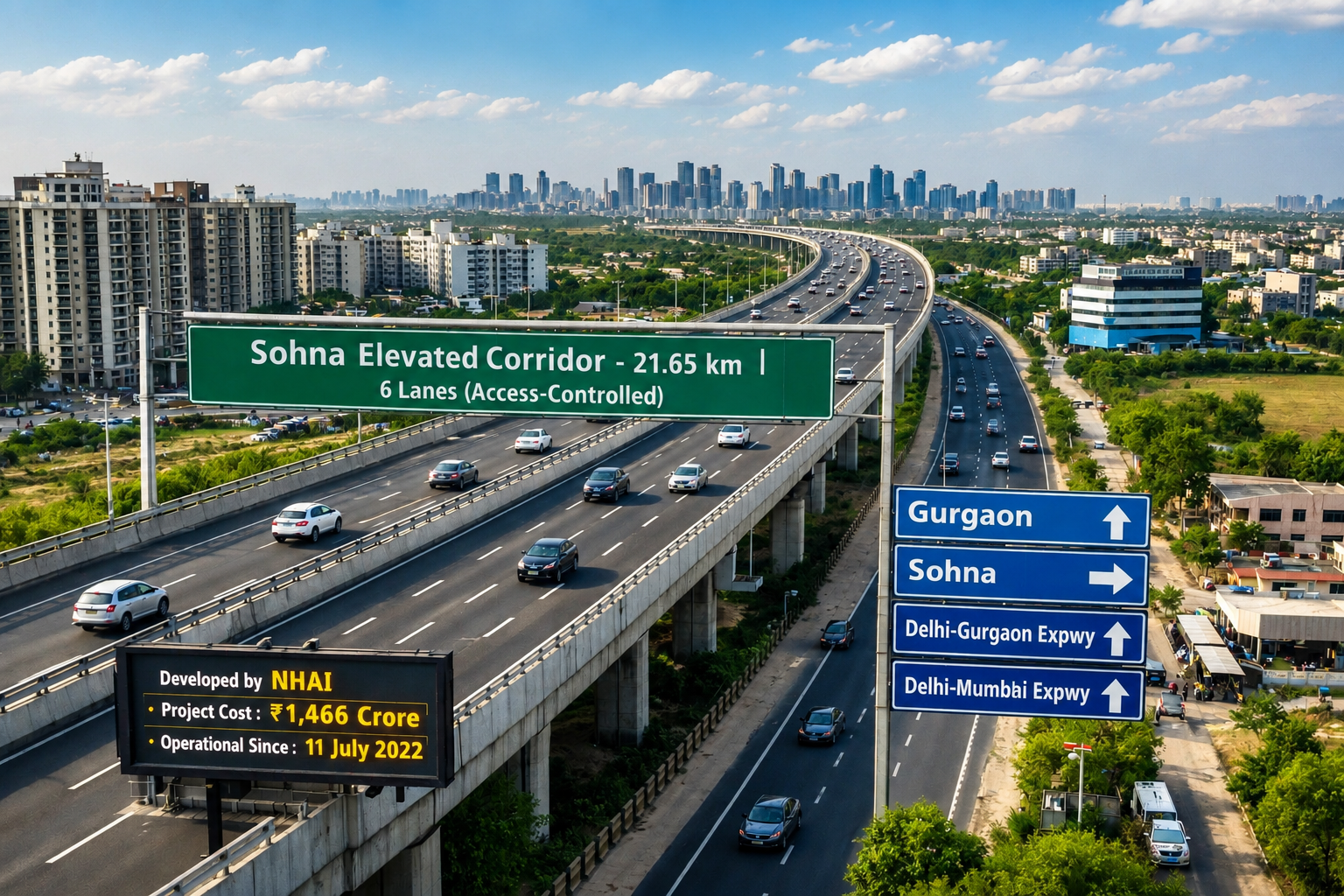
Is Sohna Really the Next Chhatarpur?
Three decades after Chhatarpur redrew South Delhi's map for space, privacy and exclusivity, a familiar pattern is now taking shape further south, and Sohna is where the smart money is beginning to look.
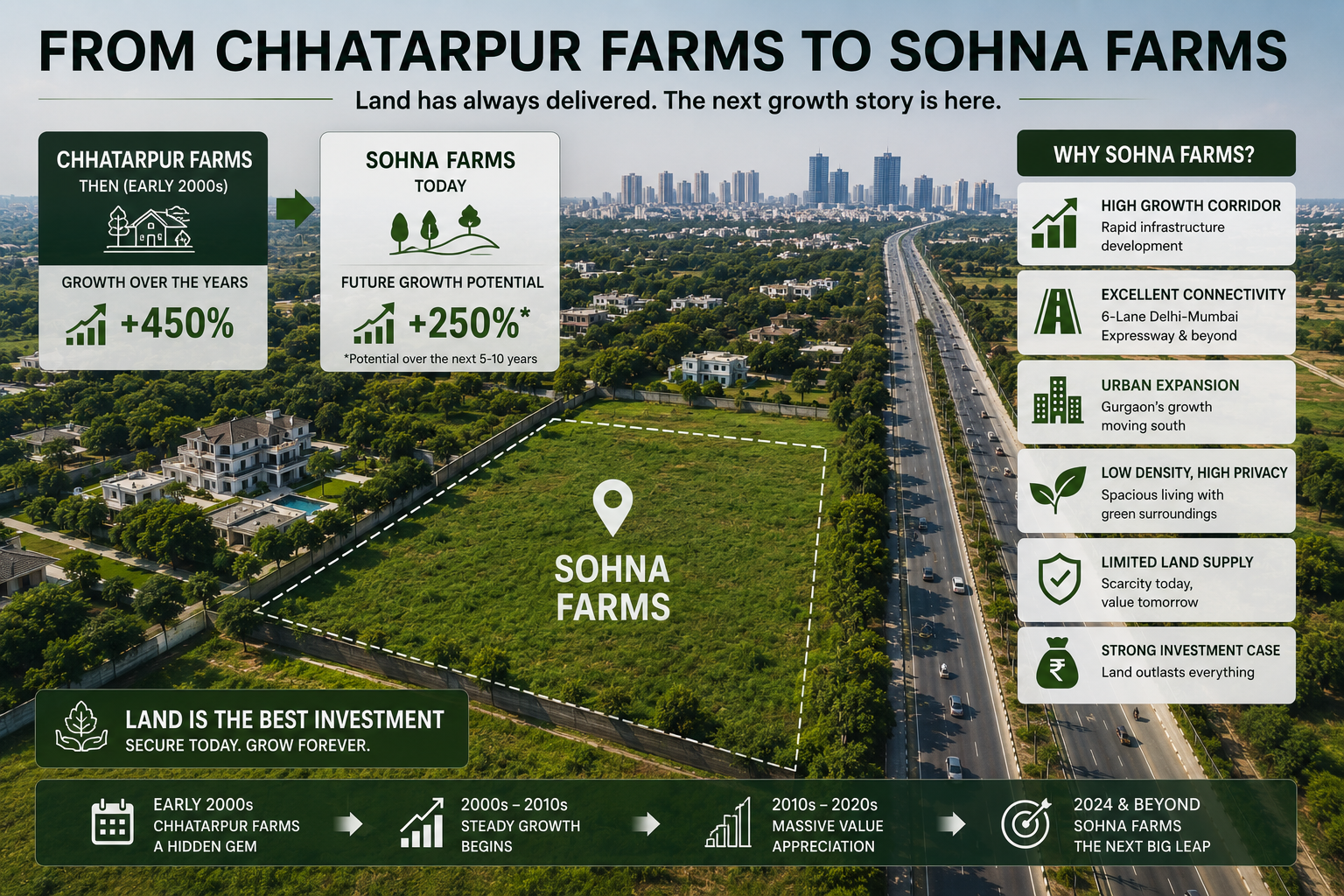
How Chhatarpur Farmhouses Created Multi-Crore Wealth for Early Buyers
What a quiet corner of South Delhi can teach investors about land, scarcity, and long-term wealth creation.
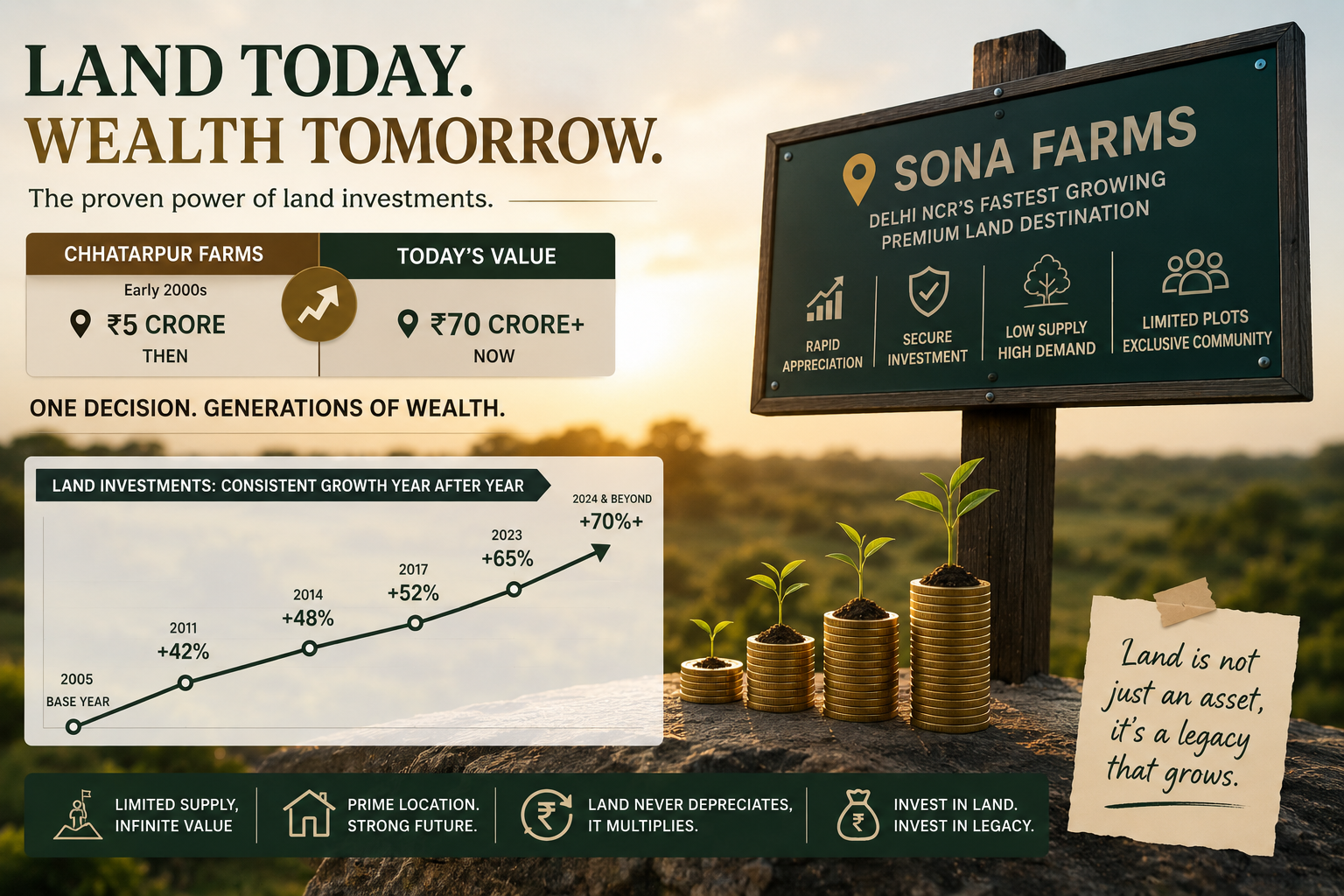
The ₹5 Crore Land Purchase That Became Worth ₹70 Crore
What the Story of DLF Chhatarpur Farms Reveals About Wealth Creation Through Premium Land Ownership
One short email. Stories you can use.
A free, occasional email from our editorial team with our latest features, explainers and reads. Unsubscribe any time — your email stays with us.