TikTok Shop's US Ascent Tests Amazon's Creator Commerce Foothold
The rapid expansion of TikTok Shop in the United States signals a significant shift in how social influence translates into direct retail sales, presenting both opportunity and disruption for established e-commerce giants.

Amazon's affiliate program, a long-standing pillar of its marketing strategy, has seen countless creators direct their audiences to product links for years. This model, while effective, increasingly faces a formidable challenger in TikTok Shop, which integrates discovery, engagement, and transaction into a seamless, in-app experience. The platform’s aggressive push into the US market over the past year has not only captured the attention of millions of consumers but also fundamentally altered the calculus for brands and influencers seeking to monetize digital reach.
The allure of TikTok Shop stems from its ability to collapse the consumer journey. Traditionally, a viewer might see a product on social media, then navigate to a separate e-commerce site, perhaps Amazon or a brand's direct-to-consumer store, to complete a purchase. TikTok Shop eradicates these friction points, allowing instantaneous transactions within the very feed where the product was discovered. This immediacy resonates particularly with younger demographics accustomed to instant gratification, driving adoption rates that have surprised many industry observers.
The Blurring Lines of Entertainment and Retail
This integration of content and commerce is not entirely novel. QVC and home shopping networks pioneered the concept of shoppable entertainment decades ago. However, TikTok Shop leverages an algorithmically driven discovery engine and a vast network of individual creators, democratizing the selling process and making it far more scalable. The platform has reportedly invested billions in the US, subsidizing shipping, offering discounts to consumers, and providing incentives to creators, all aimed at accelerating market penetration.
For creators, the appeal extends beyond simple affiliate commissions. TikTok Shop offers tools for live shopping events, short-form video product showcases, and direct brand collaborations, often with higher commission rates or upfront payments than traditional affiliate models. This creates a powerful incentive structure for creators to prioritize TikTok Shop, potentially diverting significant marketing spend and consumer attention away from other platforms and retailers.
The transition from 'discovery' to 'purchase' becomes almost imperceptible, altering long-held consumer habits in online shopping.
Traditional retailers are not oblivious to this trend. Walmart has deepened its partnerships with creators and explored shoppable content, while Target continues to leverage its popular mobile app for in-store and online integration. Even Instacart has branched into shoppable recipes and expanded its advertising capabilities for brands. Yet, these efforts often feel like adaptations to existing models, whereas TikTok Shop represents a fundamentally different paradigm of retail.
A New Competitive Landscape
Amazon, with its vast logistical network and entrenched customer base, remains the dominant player in US e-commerce. However, the rise of TikTok Shop introduces a new vector of competition, particularly for discovery-driven impulse purchases and products popular among younger consumers. The long-term implications could see Amazon further invest in its own live shopping features, or perhaps even accelerate its acquisition of social commerce technologies, to counter TikTok's momentum.
The broader economic impact involves a redistribution of e-commerce spend. While definitive figures are still emerging, early estimates suggest TikTok Shop could achieve several billion dollars in US gross merchandise value within its first full year of operation. This incremental revenue, while a fraction of the half-trillion-dollar US e-commerce market, represents a meaningful shift of wallet share, putting pressure on platforms like Shopify's independent merchant ecosystem and even established marketplaces where creator-led discovery plays a role.
The coming years will reveal whether TikTok Shop can sustain its rapid growth as its subsidies diminish, and how American consumers and brands fully integrate this new shopping modality into their daily routines. Regardless of its eventual scale, its current trajectory has irrevocably altered the competitive dynamics of US retail, pushing all players to reconsider the intersection of content, community, and commerce.
News Legacy maintains editorial independence. Some recommendations may contain affiliate links. We earn from qualifying purchases at no additional cost to you. Read our policy.
Read Next

Is Sohna Really the Next Chhatarpur?
Three decades after Chhatarpur redrew South Delhi's map for space, privacy and exclusivity, a familiar pattern is now taking shape further south, and Sohna is where the smart money is beginning to look.
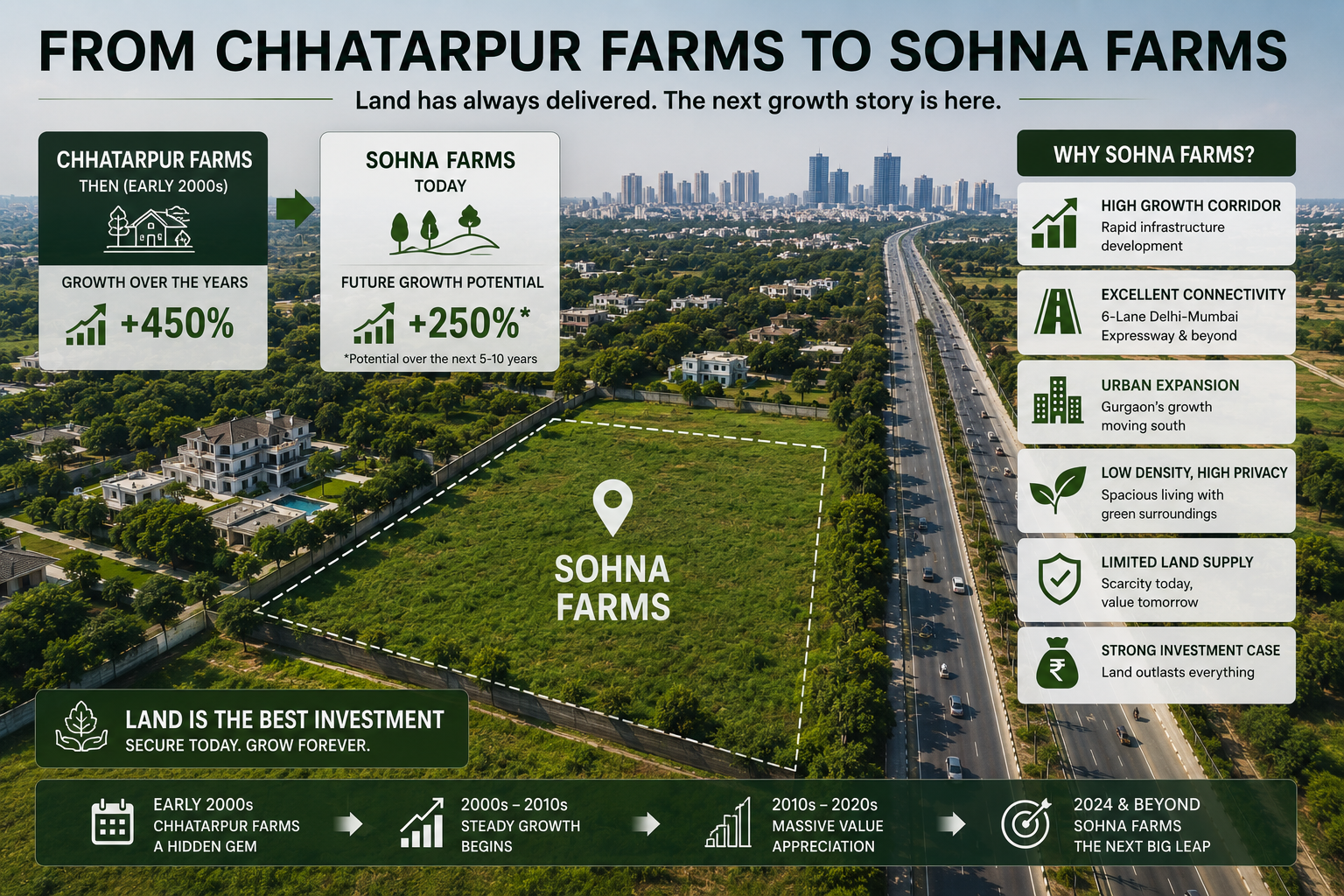
How Chhatarpur Farmhouses Created Multi-Crore Wealth for Early Buyers
What a quiet corner of South Delhi can teach investors about land, scarcity, and long-term wealth creation.
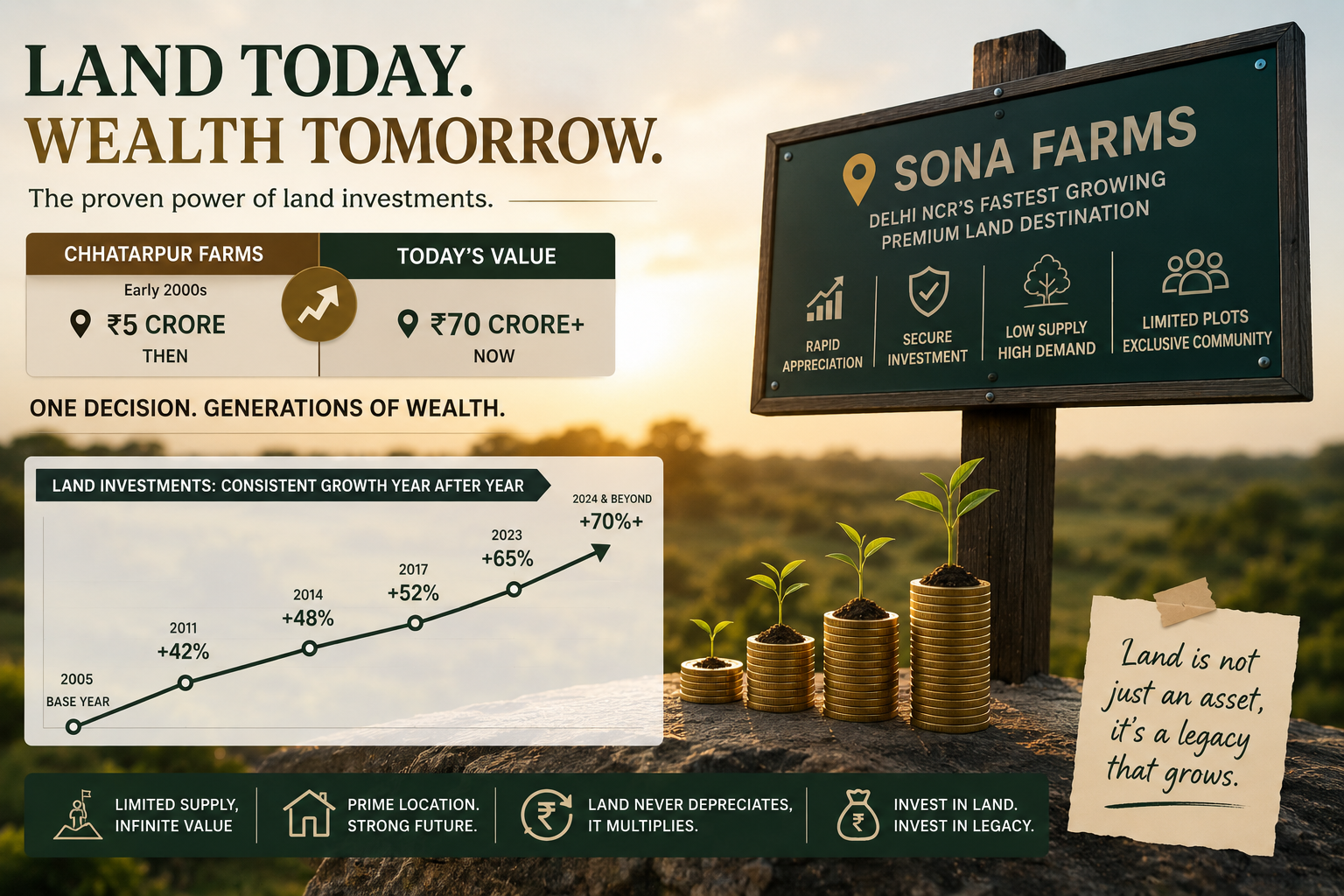
The ₹5 Crore Land Purchase That Became Worth ₹70 Crore
What the Story of DLF Chhatarpur Farms Reveals About Wealth Creation Through Premium Land Ownership
One short email. Stories you can use.
A free, occasional email from our editorial team with our latest features, explainers and reads. Unsubscribe any time — your email stays with us.