UK Direct-to-Consumer Brands Face a Maturing Market and Heightened Scrutiny
Once heralded as retail disruptors, direct-to-consumer businesses in Britain are navigating a landscape defined by rising acquisition costs, evolving consumer expectations, and the enduring strength of incumbent retailers.

From its origins in subscription coffee and mattress deliveries, the direct-to-consumer (DTC) model has permeated numerous categories across the UK, from health supplements to artisanal pet food. Brands like Huel and Gymshark have demonstrated impressive scaling capabilities, leveraging digital channels to bypass traditional retail intermediaries. However, the initial ardour surrounding DTC appears to be cooling, as many of these businesses now confront the formidable challenge of sustainable profitability amidst escalating operational expenses.
A significant shift has occurred in the economics of customer acquisition. The cost of digital advertising, particularly on platforms such as Meta and Google, has climbed steadily over the past three years. This trend is exacerbated by increased competition and privacy changes, making it more expensive for DTC brands to reach new customers. While early entrants benefited from relatively low customer acquisition costs, newer players find themselves paying a premium for consumer attention, eroding their margins.
Furthermore, the promised advantage of a direct relationship with the consumer, theoretically leading to greater loyalty and data insights, has proven harder to monetise at scale than anticipated. Many UK consumers, while open to online purchasing, still value the convenience and immediacy offered by established retailers. Marks & Spencer, for instance, continues to draw significant footfall for clothing and food, while Tesco and Sainsbury's dominate grocery with their extensive physical and online infrastructures.
The Endurance of Incumbents
Traditional UK retailers have not remained static. Companies like ASOS and Next have robust online operations, offering wide selections and efficient delivery. The established supermarket chains, including Ocado's technology-driven approach, have invested heavily in their e-commerce capabilities, often providing same-day or next-day delivery slots that rival specialist DTC offerings. This means that DTC brands are no longer merely competing against each other but also against highly sophisticated, well-funded incumbents with established logistics networks.
The initial allure of a simplified supply chain and direct customer dialogue must now contend with the complex realities of sustained growth and profitability in a competitive market.
Consumer behaviour in the UK also presents specific challenges. While enthusiasm for online shopping remains strong, particularly in urban centres, there is a continued preference for tangible experiences in certain categories. For example, while online fashion retailers thrive, the ability to physically inspect garments remains a draw for many, contributing to the resilience of high-street players in specific segments.
Logistics and returns are another area where DTC brands frequently encounter difficulties. Managing a national distribution network and processing returns efficiently across the UK, from Cornwall to the Scottish Highlands, requires considerable capital investment and operational expertise. For smaller brands, this can represent a disproportionate cost, particularly when dealing with high return rates common in categories like apparel.
A Shifting Strategy Landscape
Consequently, many DTC brands are now re-evaluating their pure-play online strategies. Some are exploring wholesale partnerships, placing their products within established retail environments like John Lewis or Boots, effectively becoming 'digitally native vertical brands' (DNVBs) that leverage both online and offline channels. Others are experimenting with pop-up stores or even permanent physical retail spaces to enhance brand visibility and provide a tangible customer experience.
The journey for UK direct-to-consumer businesses has evolved from rapid ascent to a period of strategic recalibration. Success now hinges not merely on innovative products or compelling digital narratives, but on the ability to navigate a complex, mature retail environment where sustainable unit economics and diversified distribution channels are paramount. The market is increasingly demanding profitability and efficiency, rather than solely growth at any cost.
News Legacy maintains editorial independence. Some recommendations may contain affiliate links. We earn from qualifying purchases at no additional cost to you. Read our policy.
Read Next

Is Sohna Really the Next Chhatarpur?
Three decades after Chhatarpur redrew South Delhi's map for space, privacy and exclusivity, a familiar pattern is now taking shape further south, and Sohna is where the smart money is beginning to look.
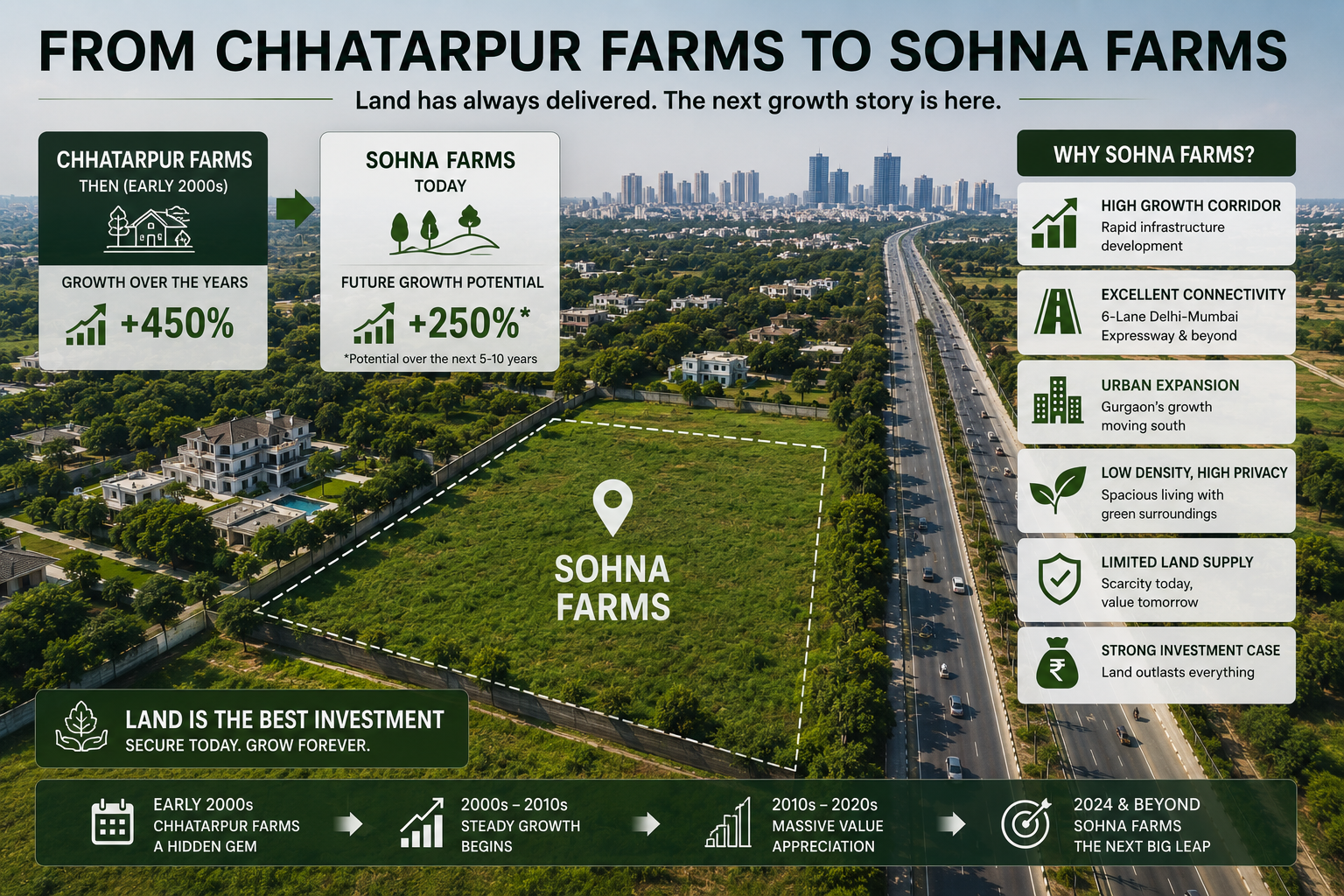
How Chhatarpur Farmhouses Created Multi-Crore Wealth for Early Buyers
What a quiet corner of South Delhi can teach investors about land, scarcity, and long-term wealth creation.

The ₹5 Crore Land Purchase That Became Worth ₹70 Crore
What the Story of DLF Chhatarpur Farms Reveals About Wealth Creation Through Premium Land Ownership
One short email. Stories you can use.
A free, occasional email from our editorial team with our latest features, explainers and reads. Unsubscribe any time — your email stays with us.