UK E-commerce Enters a New Equilibrium Beyond Pandemic Peaks
The dramatic surge in online retail penetration witnessed during the pandemic years is giving way to a more nuanced landscape. British consumers are recalibrating their digital shopping habits, prompting a strategic reassessment for leading retailers.

From the vast, automated warehouses of Ocado to the sophisticated logistics networks underpinning Tesco's online grocery delivery, the UK retail sector rapidly scaled its digital capabilities during the COVID-19 lockdowns. This period saw unprecedented growth, with e-commerce penetration soaring as consumers shifted nearly all discretionary and essential spending online. However, as the immediate health crisis receded and physical retail reopened, the trajectory of this digital acceleration began to normalise, presenting both new challenges and opportunities.
While the structural shift towards online shopping has undeniably deepened, the pace of expansion has decelerated from its pandemic peak. Recent data indicates that the proportion of retail sales conducted online, which peaked around 37% during lockdown, has settled closer to 26-27% as of early 2024. This represents a significant uplift from pre-pandemic levels of approximately 19%, but it is not the sustained, exponential growth many once projected.
Companies like ASOS and Boohoo, pure-play online fashion retailers, have faced particularly sharp adjustments. After enjoying stellar growth as high streets closed, they have grappled with increased returns rates, rising logistics costs, and a more competitive landscape. The return to office work and social events has seen a resurgence in demand for physical browsing and immediate gratification, which bricks-and-mortar stores can offer.
The Blurring Lines of Retail
Traditional high street mainstays, including Marks & Spencer and Next, have leveraged their established physical footprints alongside enhanced digital offerings. Next, in particular, has consistently demonstrated strong online performance, integrating its extensive brand partnerships and efficient fulfilment operations. These 'clicks and mortar' retailers are often better positioned to offer omnichannel conveniences such as click-and-collect, which has proven highly popular with British shoppers seeking flexibility and cost savings on delivery.
Grocery delivery services, exemplified by Sainsbury's and Tesco, have maintained a substantial portion of their pandemic-era gains. While the weekly online shop has become routine for millions, the hyper-growth in rapid delivery services like Deliveroo and Just Eat for spontaneous grocery top-ups has shown signs of plateauing. Consumers are increasingly discerning about paying premium delivery fees, especially amid persistent cost-of-living pressures.
The challenge for retailers now lies not merely in attracting online orders, but in optimising the entire digital value chain to ensure profitability and customer loyalty in a more competitive and cost-conscious environment.
Investment in underlying technology and logistics infrastructure continues to be paramount. Ocado's technology, while initially costly to implement, provides its partners with highly efficient automated warehousing. The ability to manage inventory effectively, process returns swiftly, and offer diverse delivery options without incurring prohibitive costs is differentiating successful players from those struggling with margin compression.
Adapting to the New Consumer Reality
The modern British consumer exhibits a nuanced approach to online shopping, driven by a combination of convenience, value, and increasingly, sustainability concerns. While price remains a primary consideration for many, particularly in grocery and everyday essentials, the overall experience — from website navigation to delivery reliability — plays a crucial role in repeat business. Retailers are therefore investing in personalisation engines and AI-driven customer service to enhance digital interactions.
Looking ahead, the UK e-commerce sector is likely to see further consolidation and strategic diversification. Niche online retailers might struggle to compete with the scale and marketing budgets of larger players, while established brands will continue to refine their hybrid retail models. The era of undifferentiated online growth has concluded; the current phase demands precision, efficiency, and a deep understanding of the evolving British shopper.
News Legacy maintains editorial independence. Some recommendations may contain affiliate links. We earn from qualifying purchases at no additional cost to you. Read our policy.
Read Next

Is Sohna Really the Next Chhatarpur?
Three decades after Chhatarpur redrew South Delhi's map for space, privacy and exclusivity, a familiar pattern is now taking shape further south, and Sohna is where the smart money is beginning to look.
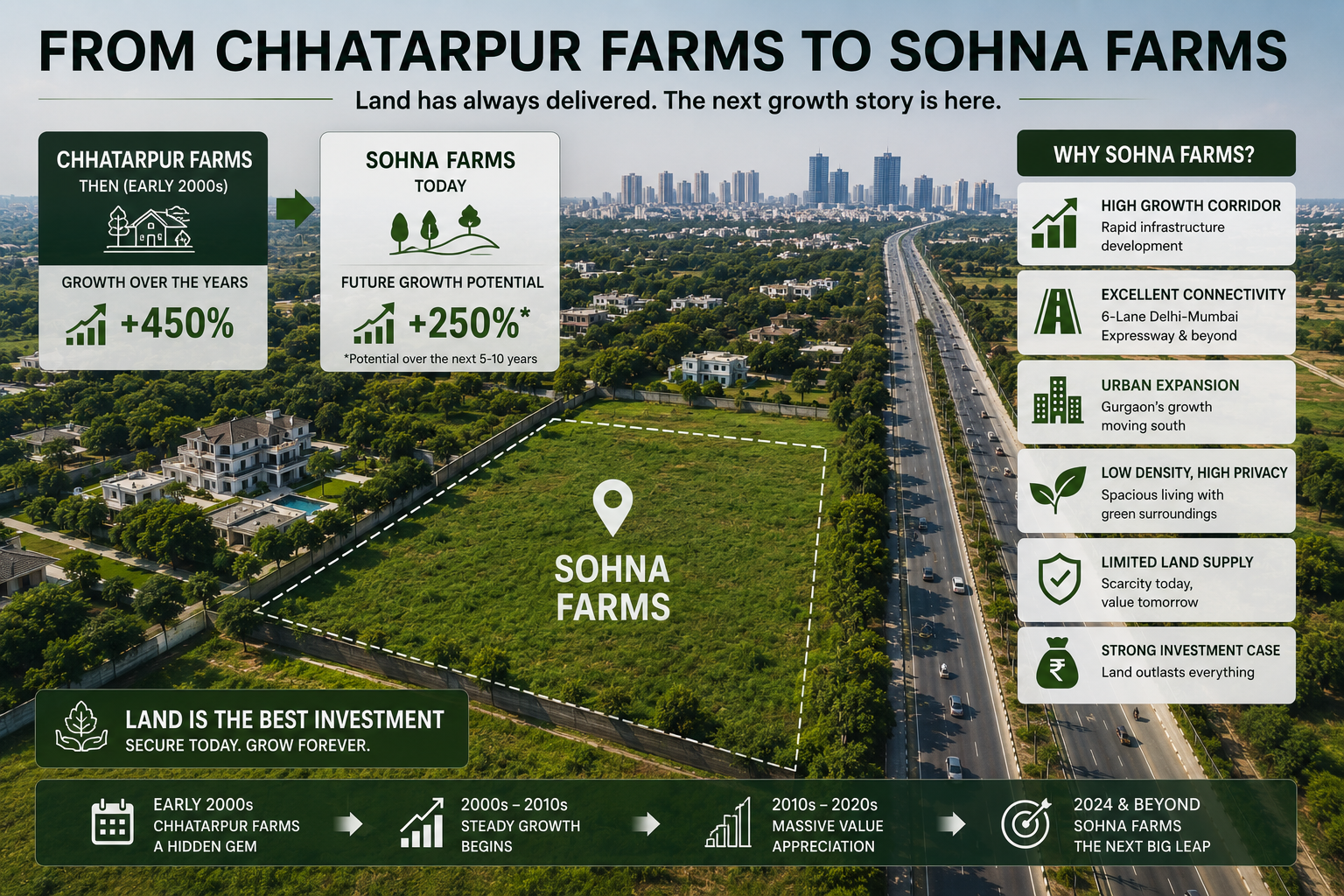
How Chhatarpur Farmhouses Created Multi-Crore Wealth for Early Buyers
What a quiet corner of South Delhi can teach investors about land, scarcity, and long-term wealth creation.

The ₹5 Crore Land Purchase That Became Worth ₹70 Crore
What the Story of DLF Chhatarpur Farms Reveals About Wealth Creation Through Premium Land Ownership
One short email. Stories you can use.
A free, occasional email from our editorial team with our latest features, explainers and reads. Unsubscribe any time — your email stays with us.