UK Marketplaces Confront a Maturing Digital Landscape
The era of unchecked online expansion is yielding to a more discerning digital consumer, forcing British retailers and aggregators to recalibrate their marketplace strategies amid intense competition and shifting economic headwinds.

From the vast digital aisles of Amazon to the curated offerings of ASOS, the United Kingdom's online marketplace sector is undergoing a profound reassessment. For years, the prevailing narrative was one of relentless growth, driven by increasing internet penetration and changing consumer habits. However, recent financial reports, such as those from Ocado Group, indicating a mixed performance despite technological advancements, suggest a new chapter has begun. This evolving environment necessitates a strategic pivot for platforms and retailers alike, as the novelty of online shopping gives way to demands for value, convenience, and distinctiveness.
The initial rush to digitise, often accelerated by pandemic-era restrictions, has largely subsided. Consumers, now accustomed to online purchasing, are becoming more selective. This discernment is reflected in the performance of aggregators like Deliveroo and Just Eat, which, after a period of rapid ascent, are now focusing on profitability and operational efficiency rather than sheer transaction volume. The 'land grab' phase appears to be over, replaced by a focus on sustainable unit economics.
The Scrutiny of the Basket
Across the retail spectrum, from the groceries offered by Tesco and Sainsbury's through their online platforms to the fashion lines of Next and Marks & Spencer, competition for the digital basket has intensified. Traditional grocers have invested heavily in their e-commerce infrastructure, developing sophisticated delivery networks and expanding click-and-collect options. This has, in some cases, created a ceiling for pure-play online grocers like Ocado Retail, which must now demonstrate superior value beyond mere availability.
Inflationary pressures have further sharpened consumer choices. Households are scrutinising discretionary spending with greater rigour, impacting sectors like fashion. While ASOS once commanded significant market share through its expansive product range, it now contends with consumers who are more inclined to consider durability, ethical sourcing, and overall value. This pressure is not unique to fashion; it permeates all corners of the marketplace, influencing purchasing decisions across categories.
The market has moved beyond simply being online; it demands a compelling reason for a transaction to occur digitally over a physical experience, particularly as economic conditions tighten.
Strategic Adaptations Emerge
In response, some UK retailers are exploring hybrid models, integrating their physical store networks more closely with online operations. Next, for instance, has leveraged its extensive store footprint for returns and collections, enhancing the overall customer journey. This omnichannel approach acknowledges that for many consumers, digital and physical retail are not mutually exclusive but complementary components of a single shopping experience. Marks & Spencer has similarly refined its online offering while capitalising on the convenience of its high street presence.
Furthermore, platforms are refining their value propositions. This includes a renewed emphasis on loyalty programmes, subscription services, and personalised recommendations, aiming to foster deeper customer relationships. The objective is to move beyond transactional interactions to create ecosystems where consumers feel a stronger connection and receive tailored benefits, thereby reducing churn and increasing lifetime value in a crowded digital space. Such initiatives are critical for retaining mindshare and wallet share in a market where alternatives are only a click away.
The trajectory for UK marketplaces suggests a period of strategic consolidation and innovation rather than unbridled growth. Success will hinge on the ability to anticipate and adapt to evolving consumer expectations, optimise operational efficiency, and deliver tangible value amidst persistent economic uncertainty. The era of digital ubiquity is now about digital utility and distinctiveness.
News Legacy maintains editorial independence. Some recommendations may contain affiliate links. We earn from qualifying purchases at no additional cost to you. Read our policy.
Read Next

Is Sohna Really the Next Chhatarpur?
Three decades after Chhatarpur redrew South Delhi's map for space, privacy and exclusivity, a familiar pattern is now taking shape further south, and Sohna is where the smart money is beginning to look.
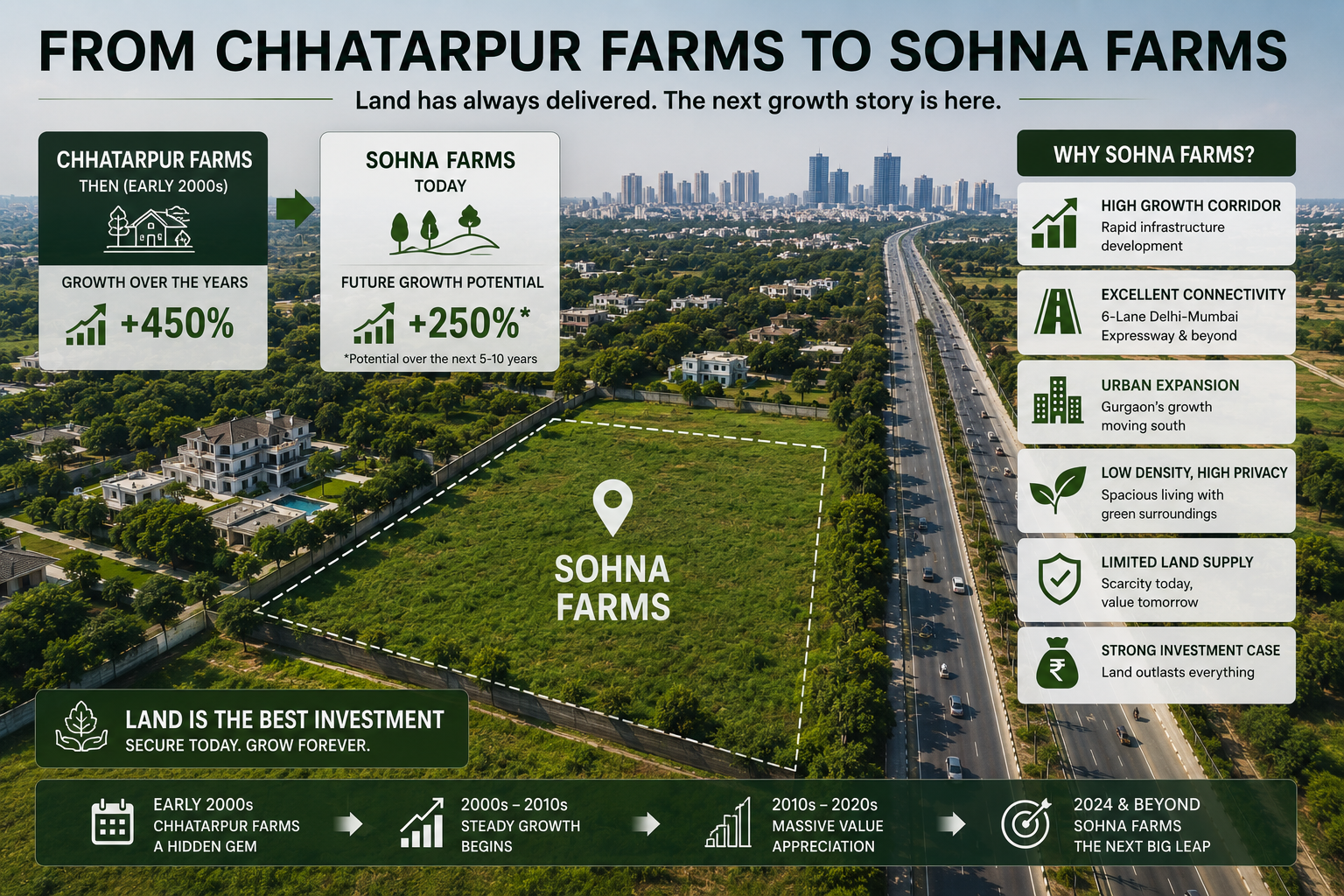
How Chhatarpur Farmhouses Created Multi-Crore Wealth for Early Buyers
What a quiet corner of South Delhi can teach investors about land, scarcity, and long-term wealth creation.
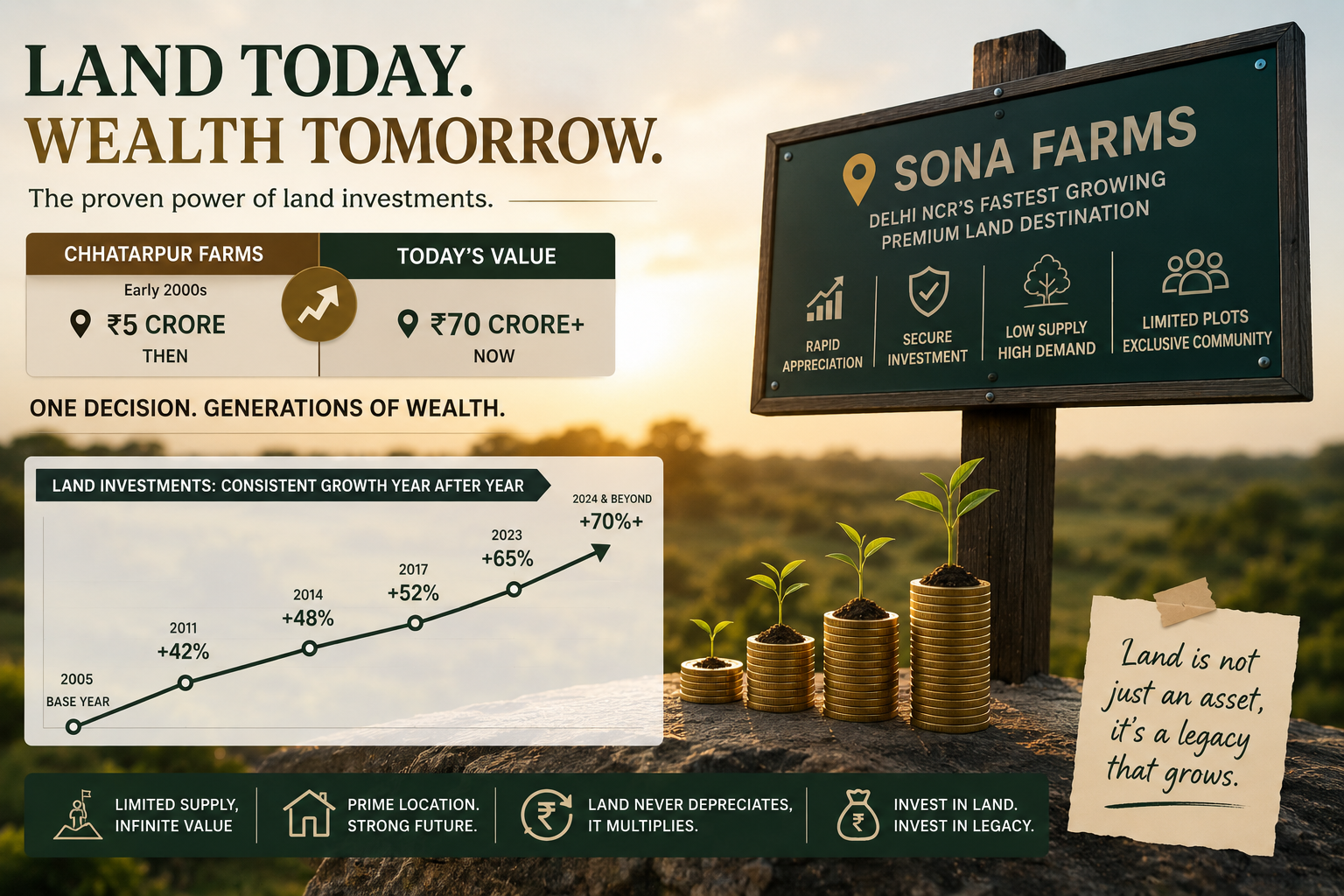
The ₹5 Crore Land Purchase That Became Worth ₹70 Crore
What the Story of DLF Chhatarpur Farms Reveals About Wealth Creation Through Premium Land Ownership
One short email. Stories you can use.
A free, occasional email from our editorial team with our latest features, explainers and reads. Unsubscribe any time — your email stays with us.