UK Retailers Confront the Data Dividend: Unlocking Value in a Saturated Market
As British consumers navigate persistent economic pressures, retailers are increasingly turning to advanced data analytics not merely for efficiency gains, but as a strategic imperative to drive loyalty and revenue growth in a fiercely competitive landscape.

A recent stroll through a Tesco Extra offers a familiar scene: shoppers scanning loyalty cards, self-checkout machines tallying purchases, and countless cameras monitoring aisles. This everyday retail experience generates a torrent of data, a resource UK retailers are now grappling to transform from raw information into tangible competitive advantage. The ability to effectively leverage this digital exhaust is becoming as critical as store location or supply chain prowess, particularly as consumer spending remains constrained and the pursuit of differentiation intensifies.
For years, the ambition to become 'data-driven' has been a boardroom staple. However, the practical execution often stalled at basic customer segmentation or inventory optimisation. Today, the urgency has shifted. With inflation easing but still impacting disposable incomes, and the cost of acquiring new customers rising, the focus is squarely on maximising the lifetime value of existing shoppers. This necessitates a far more sophisticated understanding of individual purchasing behaviours, preferences, and even future intent.
Companies like Sainsbury's, through its Nectar loyalty programme, possess vast datasets detailing millions of transactions. The challenge lies not in collection, but in orchestration – integrating this transactional data with browsing history, app interactions, and even customer service touchpoints to create a holistic view. Such an integrated perspective enables hyper-personalised offers that genuinely resonate, moving beyond generic promotions to tailored incentives that prevent customers from migrating to rivals.
The Personalisation Imperative
The e-commerce giants have long demonstrated the power of personalisation. ASOS and Next, for instance, continually refine their recommendation engines, presenting style suggestions based on past purchases and browsing patterns. This capability, once a differentiator for online pure-plays, is now a baseline expectation across all retail channels. Marks & Spencer, with its renewed focus on digital engagement, is also investing heavily in data infrastructure to knit together its food, clothing, and home offerings into a more unified customer journey.
The operational complexities are substantial. Implementing advanced analytics often requires significant investment in cloud computing infrastructure, machine learning talent, and robust data governance frameworks. Furthermore, ensuring data privacy and ethical usage remains paramount, particularly under the scrutiny of UK and EU regulations. Consumer trust, once lost, proves exceptionally difficult to regain.
The true measure of data utilisation is not the volume collected, but the precision with which it shapes every customer interaction, from initial discovery to post-purchase engagement.
Beyond direct customer engagement, data analytics is reshaping operational efficiencies. Ocado's highly automated warehouses are prime examples of data-driven logistics, optimising picking routes and delivery schedules to an impressive degree. Similarly, takeaway platforms like Deliveroo and Just Eat leverage complex algorithms to match demand with supply, predict peak times, and manage driver networks, directly impacting profitability margins in a fiercely competitive sector.
However, the path is not without pitfalls. Over-reliance on predictive models without human oversight can lead to algorithmic bias or a failure to adapt to sudden market shifts. The balance between automated efficiency and human intuition remains a delicate one. For UK retailers, the current economic climate provides a stark reminder that every pound spent by a consumer must be earned through superior value and a deeply understood customer relationship, increasingly facilitated by intelligent data application.
The companies that master this intricate dance between data science and commercial acumen will likely be the ones to secure a more resilient future, transforming abstract digital footprints into concrete market advantage.
News Legacy maintains editorial independence. Some recommendations may contain affiliate links. We earn from qualifying purchases at no additional cost to you. Read our policy.
Read Next

Is Sohna Really the Next Chhatarpur?
Three decades after Chhatarpur redrew South Delhi's map for space, privacy and exclusivity, a familiar pattern is now taking shape further south, and Sohna is where the smart money is beginning to look.
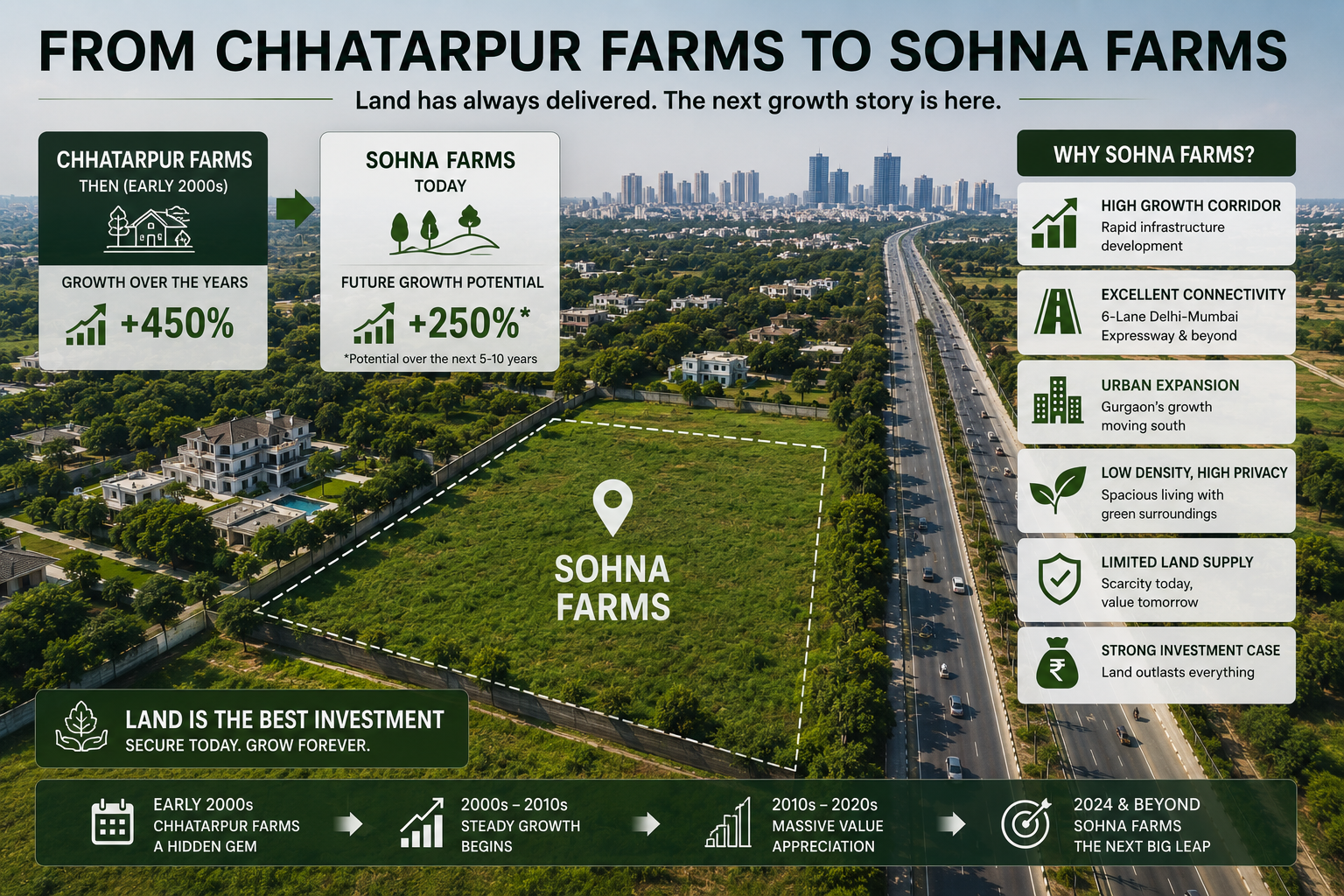
How Chhatarpur Farmhouses Created Multi-Crore Wealth for Early Buyers
What a quiet corner of South Delhi can teach investors about land, scarcity, and long-term wealth creation.

The ₹5 Crore Land Purchase That Became Worth ₹70 Crore
What the Story of DLF Chhatarpur Farms Reveals About Wealth Creation Through Premium Land Ownership
One short email. Stories you can use.
A free, occasional email from our editorial team with our latest features, explainers and reads. Unsubscribe any time — your email stays with us.