UK Retail's Bifurcated Outlook: Discount, Premium Thrive as Middle Ground Shrinks
British consumers, navigating persistent inflationary pressures and economic uncertainty, are increasingly polarising their spending habits. This shift is creating distinct winners and losers among the nation's retailers, redefining market strategies from luxury goods to everyday essentials.

A recent stroll through central London might offer a stark illustration of the current retail landscape: the queues outside a refurbished Harrods remain consistently long, while a few streets away, a thriving Lidl or Aldi branch bustles with shoppers seeking value. This dichotomy is not merely anecdotal; it reflects a pronounced, data-backed divergence in consumer spending patterns across the United Kingdom, exerting considerable pressure on established retail models.
For several quarters, persistent inflation has eroded household purchasing power, compelling consumers to make more deliberate choices about where and how they spend. This environment has amplified the appeal of both the discount sector and, somewhat counterintuitively, the premium and luxury segments, while businesses occupying the middle ground find themselves increasingly squeezed.
Companies like B&M European Value Retail and Primark continue to report robust sales figures, demonstrating strong demand for affordability. Their strategic focus on competitive pricing and efficient supply chains resonates with a significant portion of the population prioritising budget consciousness. Simultaneously, high-end brands and luxury department stores are witnessing sustained patronage, largely insulated from broader economic headwinds by affluent consumer bases.
The Fading Middle
The most acute challenges are faced by retailers historically positioned to cater to the broad middle-income demographic. Marks & Spencer, for example, has invested heavily in modernising its food offering and enhancing its clothing appeal, yet the broader trend suggests a diminishing market share for mid-range propositions. This segment often struggles to compete on price with discounters or to justify the premium perceived value of luxury brands, leaving it vulnerable.
Online fashion retailers, such as ASOS and Boohoo, have also experienced considerable volatility. While they initially capitalised on fast fashion and convenience, increased competition, returns rates, and a more discerning consumer base have highlighted the difficulties of maintaining consistent profitability in a crowded, value-sensitive market. Their journey from disruptors to established players now involves navigating these intense pressures.
The current economic climate compels a rigorous re-evaluation of value propositions across all retail tiers; passive market positioning is no longer tenable for long-term viability.
Grocery chains like Tesco and Sainsbury's, despite their market dominance, are not immune. Both have invested in their own value brands and price-matching schemes to fend off the relentless expansion of Aldi and Lidl. The battle for the weekly shop continues to be fiercely contested, with price perception often trumping other considerations for a substantial portion of shoppers. Deliveroo and Just Eat, while offering convenience, also face pressure as consumers weigh the cost of delivery against in-store savings.
Strategic Responses and Adaptations
Retailers are responding with diverse strategies. Next, for instance, has successfully leveraged its robust online platform and integrated physical stores, offering a blend of own-brand and third-party labels that appeals to a diverse customer base. Their operational efficiency and strategic acquisitions demonstrate a proactive approach to market shifts. Ocado, conversely, is navigating the complex economics of online grocery delivery, where customer acquisition costs and logistics present ongoing challenges to profitability despite growing market penetration.
The sustained pressure on the pound sterling further complicates matters. Imported goods become more expensive, impacting margins for retailers and ultimately consumer prices. This amplifies the advantage for businesses that can source locally or negotiate favourable terms, and intensifies the competitive landscape for those reliant on international supply chains.
Ultimately, the UK retail sector is undergoing a profound recalibration. Success in this environment increasingly demands a clear articulation of value, whether that means unparalleled affordability or an uncompromised premium experience. The undifferentiated middle continues to erode, forcing a fundamental strategic choice for every participant in the market.
News Legacy maintains editorial independence. Some recommendations may contain affiliate links. We earn from qualifying purchases at no additional cost to you. Read our policy.
Read Next

Is Sohna Really the Next Chhatarpur?
Three decades after Chhatarpur redrew South Delhi's map for space, privacy and exclusivity, a familiar pattern is now taking shape further south, and Sohna is where the smart money is beginning to look.
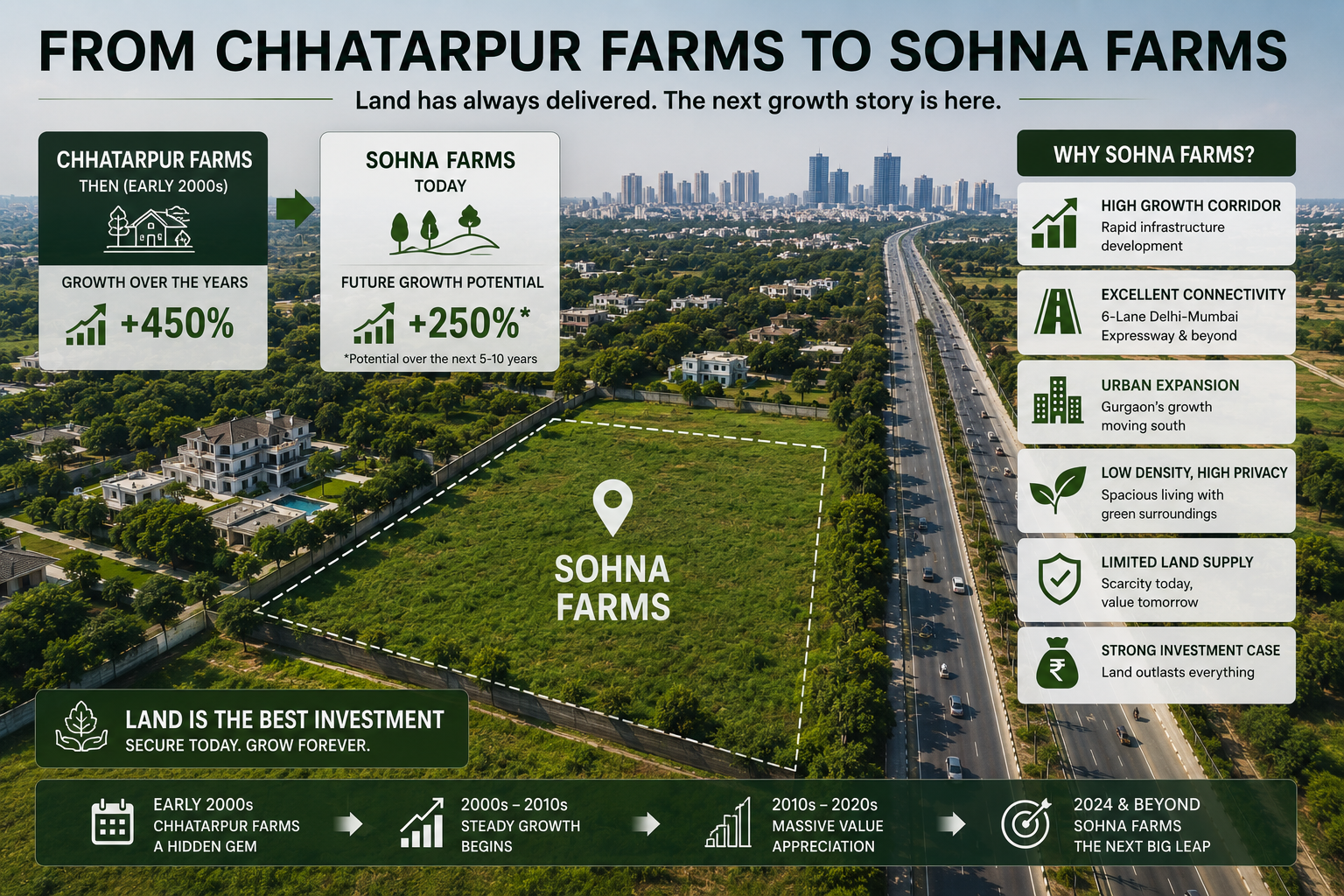
How Chhatarpur Farmhouses Created Multi-Crore Wealth for Early Buyers
What a quiet corner of South Delhi can teach investors about land, scarcity, and long-term wealth creation.
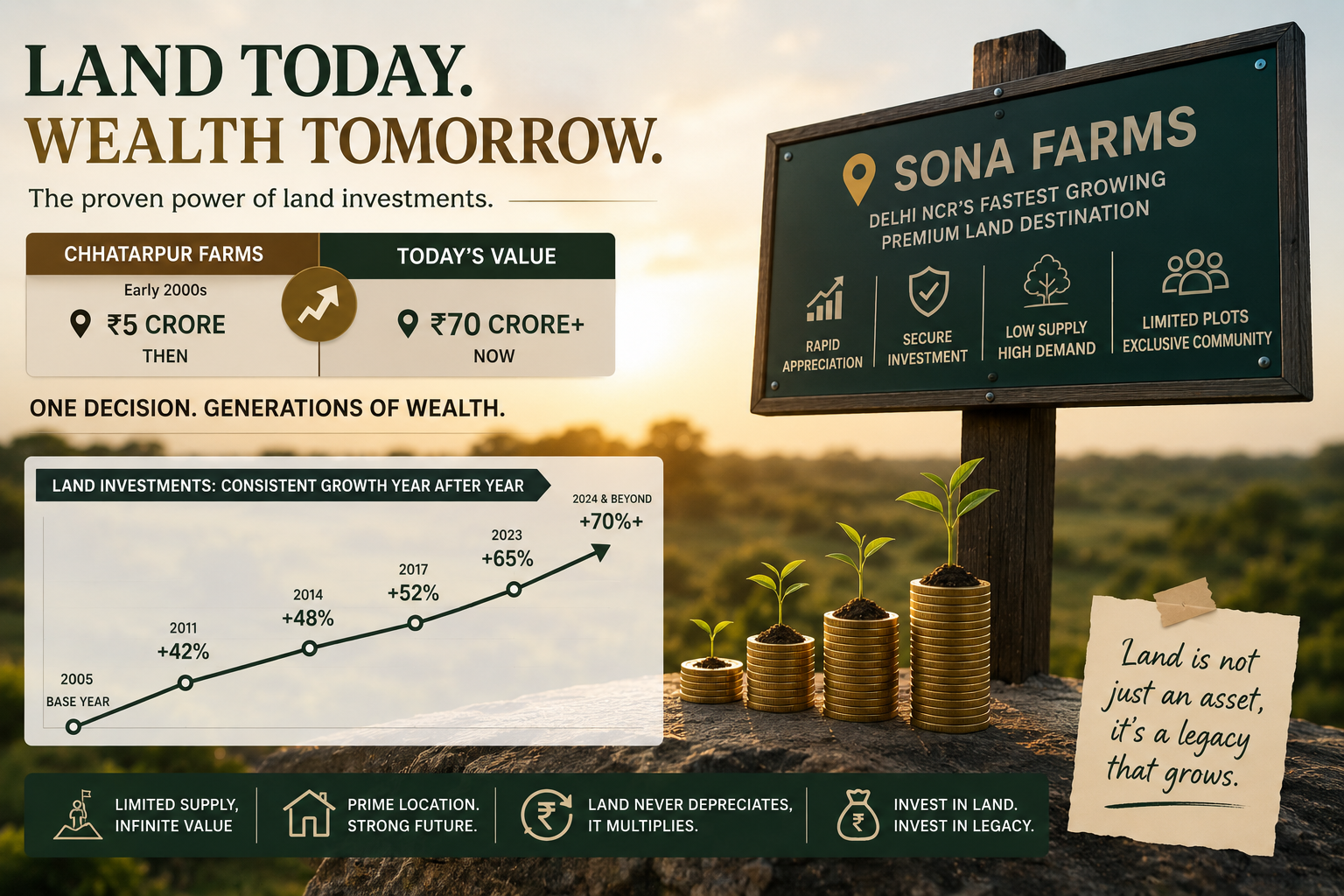
The ₹5 Crore Land Purchase That Became Worth ₹70 Crore
What the Story of DLF Chhatarpur Farms Reveals About Wealth Creation Through Premium Land Ownership
One short email. Stories you can use.
A free, occasional email from our editorial team with our latest features, explainers and reads. Unsubscribe any time — your email stays with us.