UK Retail's Persistent Digital Divide: Beyond the Hype of Online Shift
Despite years of substantial investment and accelerated adoption, British consumers' online shopping habits reveal a complex bifurcation, presenting ongoing strategic challenges for even the most established high street names.

A recent visit to a Marks & Spencer Food Hall in a prosperous London suburb illustrates a persistent truth in UK retail. While online grocery services from Ocado, Tesco, and Sainsbury's vie for digital market share, the physical aisles remain bustling, particularly during peak hours. This duality underscores a critical, often oversimplified, aspect of the British consumer landscape: the 'digital shift' is not uniform, nor has it rendered traditional commerce obsolete, even after years of accelerated e-commerce growth.
The narrative of a complete migration to online retail has dominated industry commentary for over a decade. Yet, granular data and observed consumer behaviour suggest a more nuanced picture. While segments like fashion and electronics have seen substantial digital penetration, daily essentials and certain discretionary categories continue to anchor a significant proportion of transactions within brick-and-mortar environments. The UK's advanced digital infrastructure and high smartphone penetration might suggest otherwise, but habit and convenience still exert considerable influence.
The E-commerce Plateau and Category Bifurcation
Analysis of recent retail performance indicates a recalibration of e-commerce growth rates. After the sharp surge experienced during pandemic lockdowns, the expansion of online sales has moderated. While companies like ASOS and Boohoo initially benefited immensely from this trend, their share prices and recent trading updates suggest a market grappling with increased competition, higher return rates, and evolving consumer preferences. Conversely, Next, with its hybrid model integrating a strong online presence with a resilient store network, has demonstrated a more stable performance, arguably by capitalising on both channels.
Gross merchandise value through online channels in the UK, while still substantial, has not continued its parabolic ascent in many sectors. Grocery delivery platforms such as Deliveroo and Just Eat, initially benefiting from unprecedented demand, are now refining their business models amidst intensifying competition and scrutiny over delivery costs and profitability. This indicates a market maturing beyond its initial explosive growth phase, demanding greater efficiency and more compelling value propositions.
Pound sterling figures reveal that for several major retailers, the physical store contribution to overall revenue remains robust. For instance, while Tesco and Sainsbury's have invested heavily in their online grocery operations, the bulk of their sales, representing billions of pounds annually, still originate from in-store purchases. This is particularly pronounced in fresh produce and items where sensory evaluation influences purchasing decisions. The cost associated with 'last mile' delivery for groceries further attenuates the margin advantages of online sales in this sector.
Reimagining the High Street's Role
The ongoing importance of physical spaces necessitates a re-evaluation of the high street's strategic function. Stores are no longer merely transaction points but increasingly serve as brand touchpoints, fulfilment centres for click-and-collect orders, and experiential destinations. Retailers are adapting their real estate portfolios, often reducing overall footprint but enhancing the quality and interactivity of remaining locations. This strategy acknowledges that while consumers may research online, the tactile experience and immediate gratification of physical retail hold enduring appeal for specific purchases.
One industry observer notes that the notion of an 'online-only' future for retail may have been overstated; instead, a blended, integrated customer journey is proving to be the more enduring model.
This integrated approach also helps mitigate some of the environmental impact associated with fragmented online deliveries and returns. As consumers become more conscious of sustainability, the efficiency of consolidated shopping trips or well-optimised click-and-collect options could gain further traction.
Ultimately, the British retail landscape is not merely bifurcating but integrating. Success hinges on a coherent strategy that seamlessly bridges digital and physical channels, recognising that the consumer journey often traverses both. Companies that excel in harmonising these distinct yet interconnected realms are poised to capture a greater share of spending, moving beyond the simplistic dichotomy of 'online versus offline' to a more sophisticated understanding of contemporary commerce.
News Legacy maintains editorial independence. Some recommendations may contain affiliate links. We earn from qualifying purchases at no additional cost to you. Read our policy.
Read Next
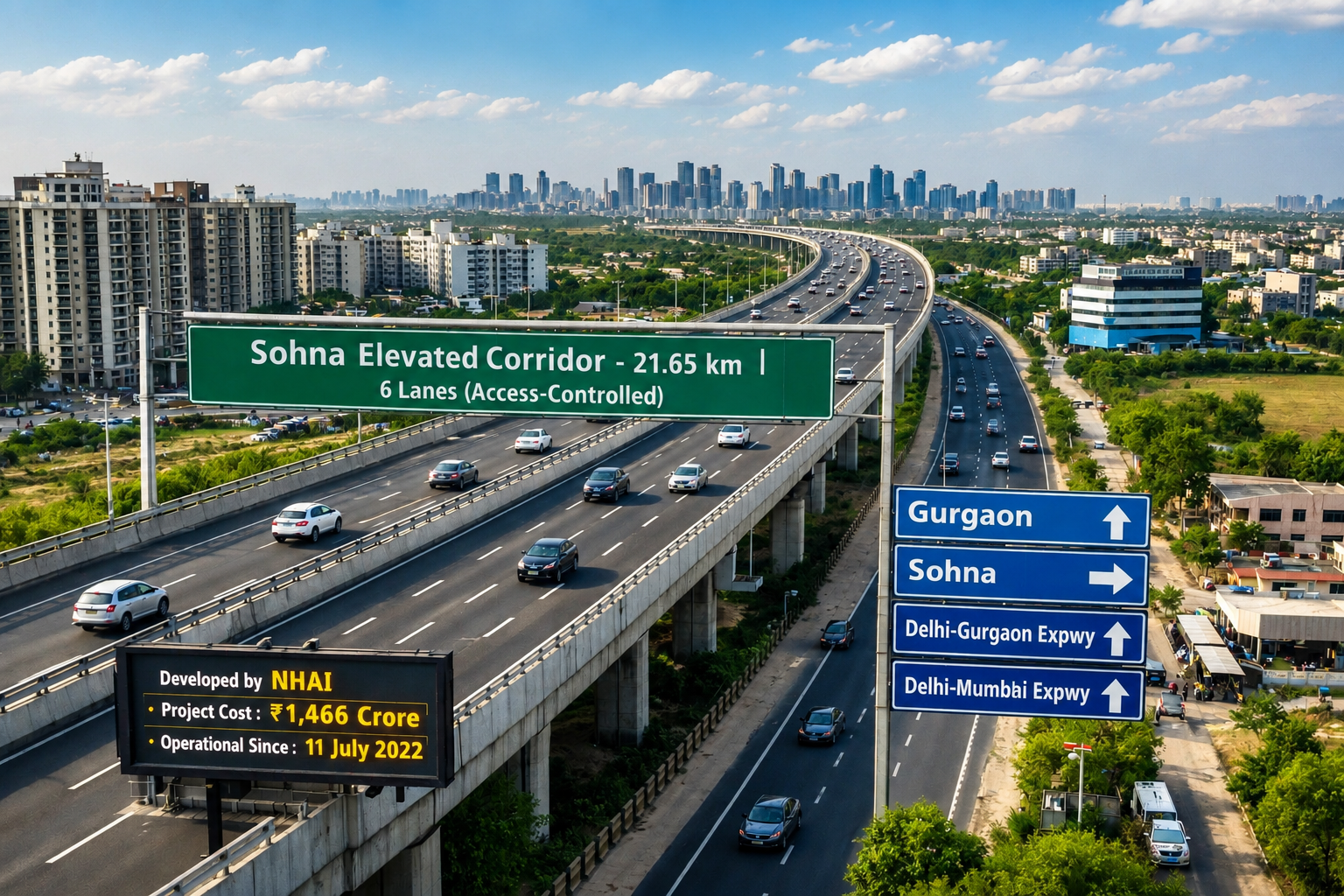
Is Sohna Really the Next Chhatarpur?
Three decades after Chhatarpur redrew South Delhi's map for space, privacy and exclusivity, a familiar pattern is now taking shape further south, and Sohna is where the smart money is beginning to look.
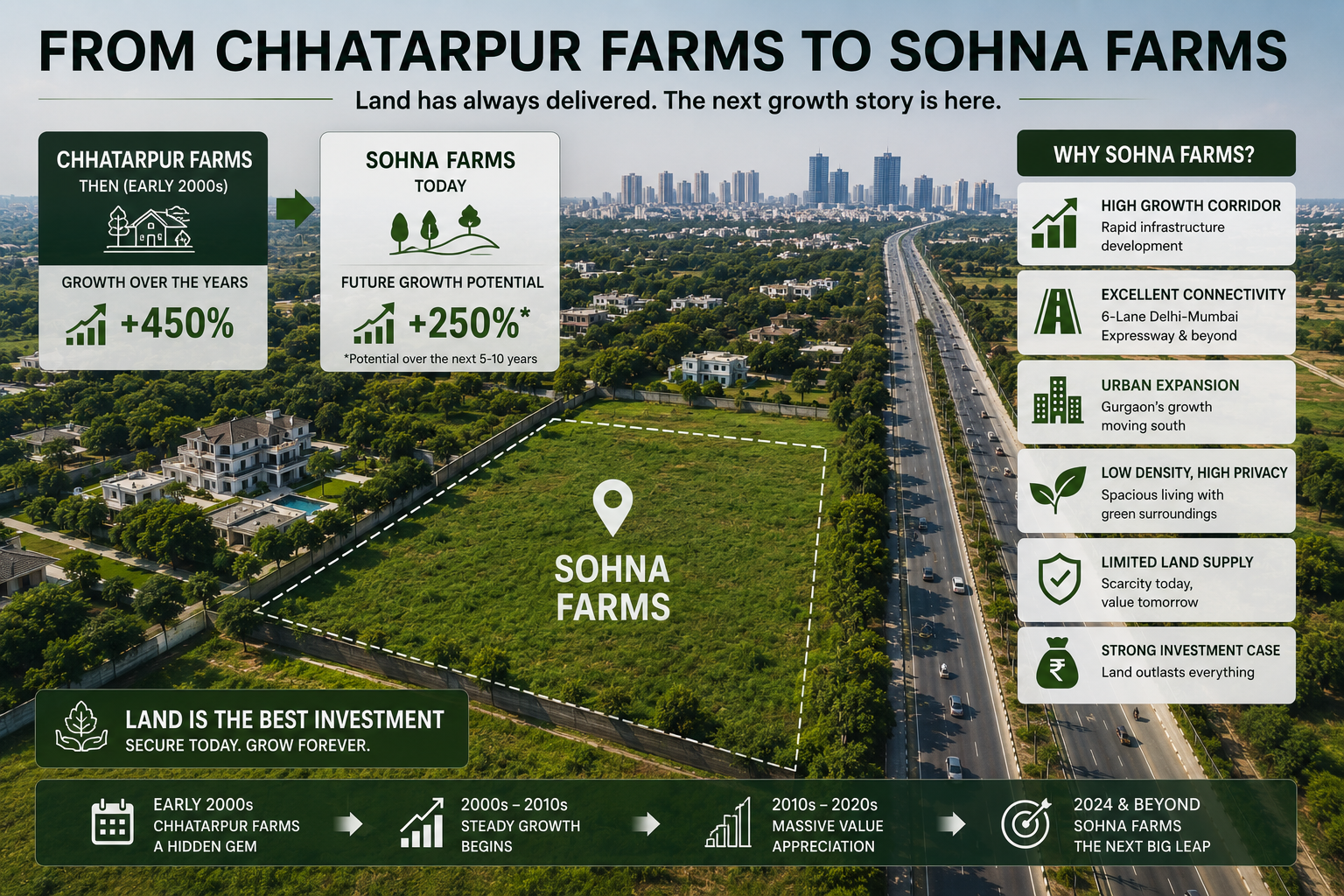
How Chhatarpur Farmhouses Created Multi-Crore Wealth for Early Buyers
What a quiet corner of South Delhi can teach investors about land, scarcity, and long-term wealth creation.
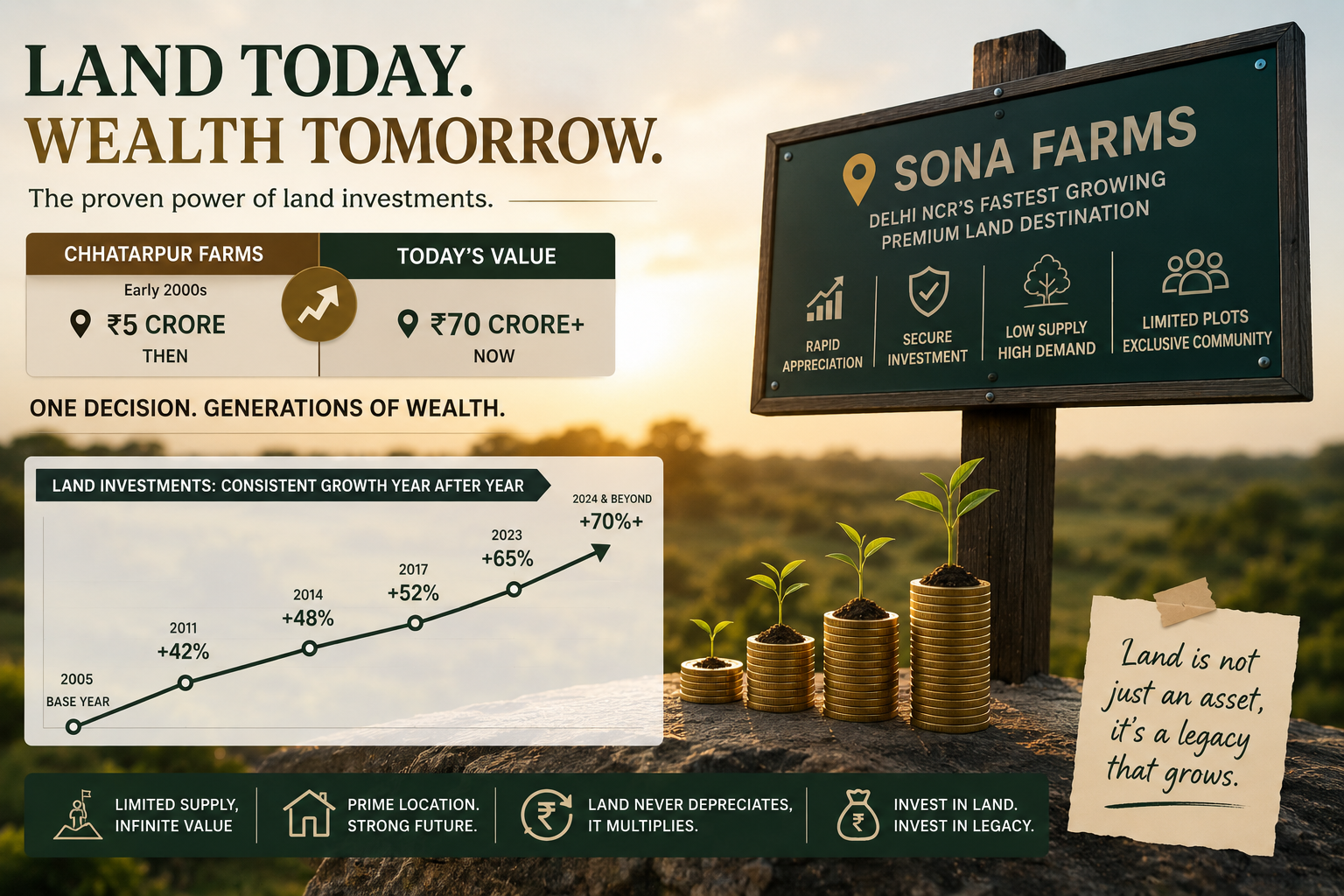
The ₹5 Crore Land Purchase That Became Worth ₹70 Crore
What the Story of DLF Chhatarpur Farms Reveals About Wealth Creation Through Premium Land Ownership
One short email. Stories you can use.
A free, occasional email from our editorial team with our latest features, explainers and reads. Unsubscribe any time — your email stays with us.